




Arkansas Uses Heat Sensor To Check Truck Brakes
Technology used on Apache helicopters during the Gulf War is now being tested in Arkansas to seek out dangerous truck brakes
Technology used on Apache helicopters during the Gulf War is now being tested in Arkansas to seek out dangerous truck brakes.
The Arkansas Democrat-Gazette reports that an infrared system, mounted atop a nondescript white van, is being evaluated in a three-month test.
During a demonstration at an I-40 inspection station, the infrared system spotted more than a dozen trucks with potentially defective brakes in the first couple of hours. When the system detects bad brakes, officers in the van parked near the inspection station exit ramp radio officers up the line to pull the trucks over for an inspection.
Cpl. Ross Baston, a field training officer for the Arkansas Highway Police, told the paper that it's a much better way to find defective brakes than "hit or miss" random inspections. "We're not wasting our time or the driver's time," he said. "It's a more effective use of time."
The device works by showing a white glow on each wheel when the brakes are working. If the brakes aren't working, the device would show the wheels as black, or cold. Officers don't stop every truck with cold brakes; trucks with brakes barely registering may have just started their journey or be traveling unloaded. But a truck with one or two cold brakes while the others are hot is targeted for inspection.
The system is valued at $300,000, 80 percent of which the federal government would pay for.
More Safety & Compliance
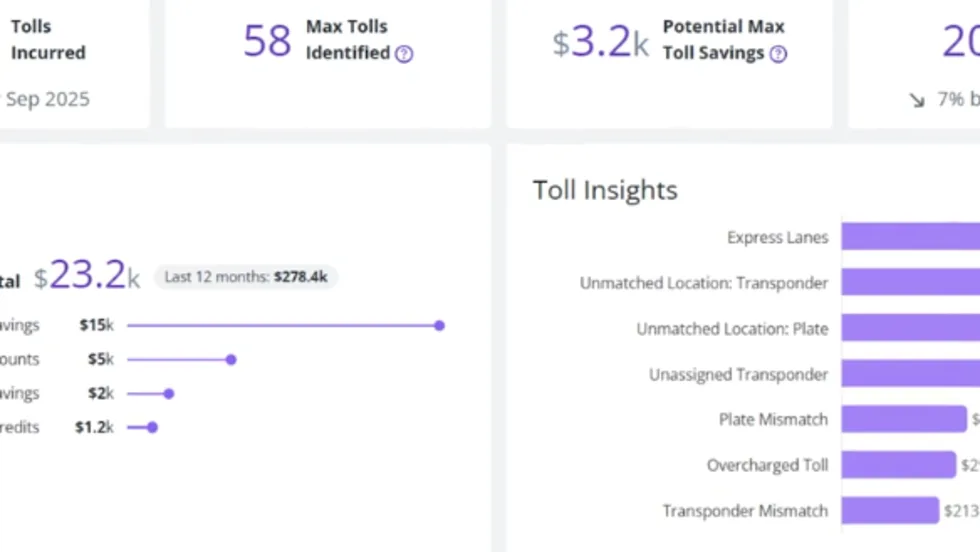
PrePass Intelligence Mines Fleet Bypass, Toll and Safety Data
PrePass Intelligence helps fleets measure bypass savings, flag potential toll overcharges, and spot suspicious transactions by combining data from separate systems.
Read More →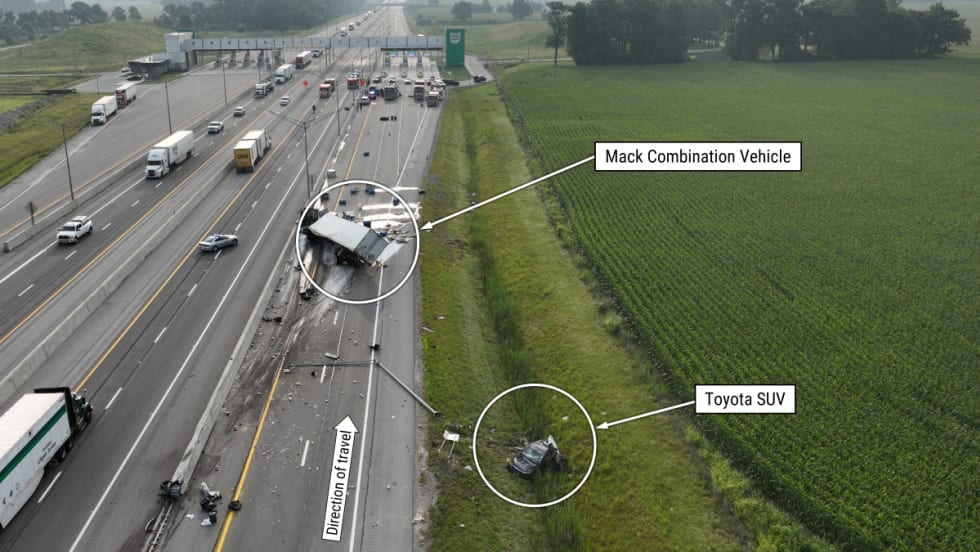
Fatal Crash Exposes Toll Plaza Risks
An NTSB investigation found that last-minute lane changes and large speed differences at an Ohio toll plaza created a hazard the truck driver couldn't avoid in time.
Read More →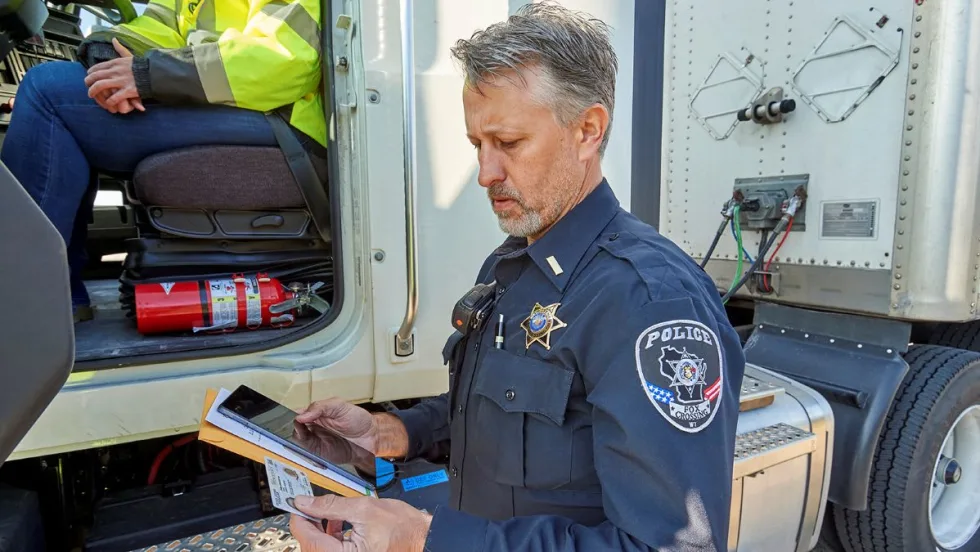
When Language Stops the Truck: The Return of ELP Out-of-Service Orders
English language proficiency rules for commercial drivers aren’t new, but renewed out-of-service enforcement has raised the stakes. Here’s what carriers need to know before a driver reaches a roadside inspection.
Read More →

A Camera Isn't a Safety Program. Here's What Brokers Are Screening for Now
Footage alone may not be enough to pass broker vetting processes. Here's what counts as a defensible safety program now.
Read More →
Marijuana and Trucking’s Drug-Testing Dilemma
Marijuana is getting stronger, laws are changing, and drug tests still can’t reliably establish impairment. What does that mean for truck drivers and the fleets that employ them?
Read More →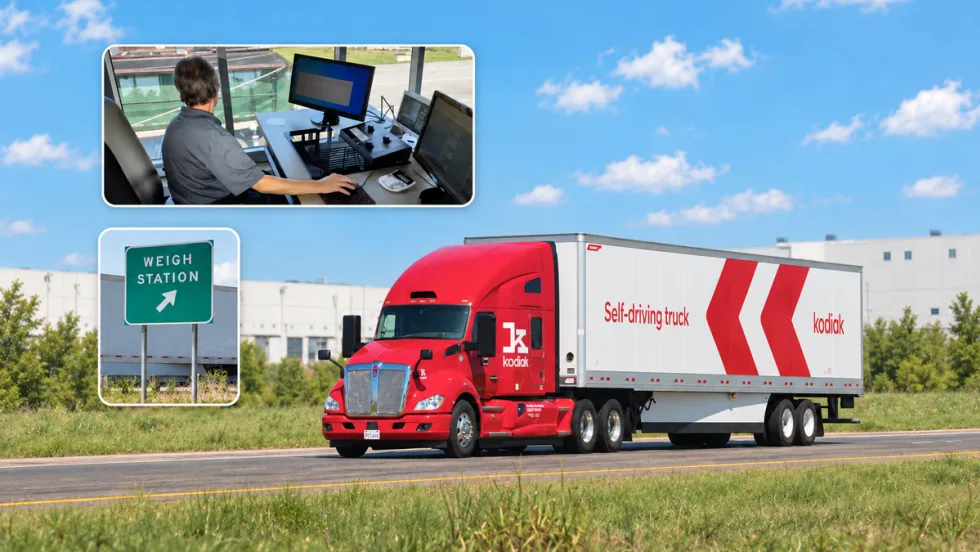
PrePass, Kodiak Connect Driverless Trucks to Roadside Enforcement
The system will allow enforcement agencies to verify Enhanced Inspection information and decide whether Kodiak’s autonomous trucks can bypass roadside screening sites.
Read More →
From One Generation to the Next: How Mentorship Builds Safer Truck Drivers
After three decades in trucking, Harold Perry shares what he's learned about driver safety, mentorship, and helping the next generation build confidence behind the wheel.
Read More →
FMCSA Pauses Biennial-Update Enforcement Amid Motus Transition
Carriers whose updates were due on or after June 1 have more time, while FMCSA works to stabilize its new registration system and warns of phishing sites impersonating its new carrier registration system, Motus.
Read More →
ZF Expands Commercial Vehicle Push in North America
ZF is expanding its North American commercial-vehicle presence with new transmission applications, electrification, trailer technology and autonomous-driving systems.
Read More →
Truck Drivers Need More Than Another Alert
Fleets have more visibility into truck health, safety events, and driver activity than ever. The next challenge is turning all that information into useful guidance for the person who has to decide what to do next.
Read More →