





Dig Deeper: A Day in the Life of an Amazon Delivery Agent
Amazon Investing in Safety Technology for Middle-Mile, Last-Mile Fleet
Amazon said it's spending $200 million on safety technology across its transportation network in 2023.
March 7, 2023
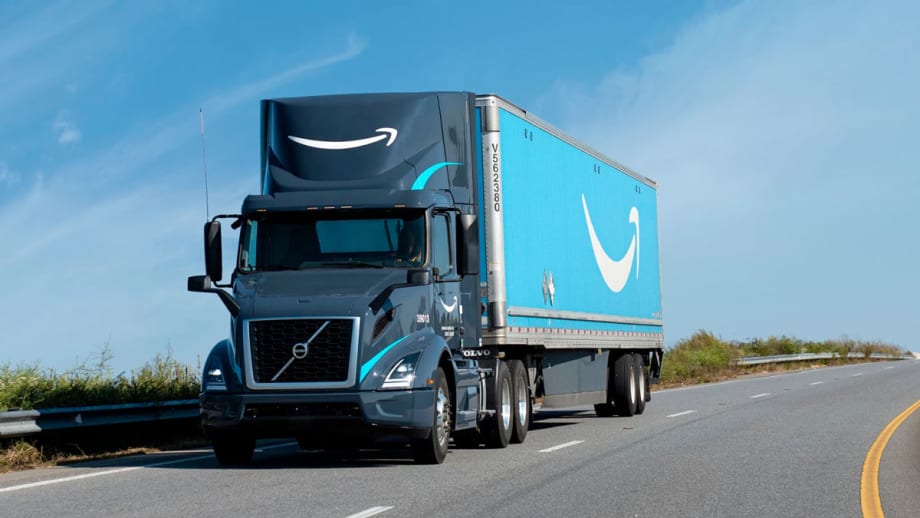
Amazon is piloting strobing brake light technology in some of our trailers, which it said has the potential to reduce rear-end collisions by as much as 30%.
Photo: Amazon
2 min to read
Amazon is spending $200 million on safety technology across its transportation network in 2023. A recent website post highlighted some of the technology-based safety and sustainability solutions it’s continuing to invest in and expand upon this year.
Udit Madan, vice president of Amazon Transportation, said the company is already working toward the goals outlined in the U.S. Department of Transportation’s National Roadway Safety Strategy (NRSS).
“It’s our belief that the technology we create, along with innovations spearheaded by our industry partners, can raise the bar on safety and reduce crash frequency and severity,” he said. “And in many cases, these innovations are better for the environment, too.”
Safety Technology for Middle-Mile Trucking
Amazon has equipped its middle-mile trucking network, which ships packages to and from operations sites before they’re dispatched for last-mile delivery to customers, with advanced safety technology, including:
automatic emergency braking
front-collision warning
stability control
lane-departure warning
side-object detection
adaptive cruise control
speed limiters.
Since 2017, Amazon tractors have also been equipped with driver-facing cameras. Trailers are outfitted with sensors to monitor lights, anti-lock braking systems, cargo and door sensors, and more.
“Based on our full technology package, equipment manufacturers have indicated that Amazon is a pioneer in incorporating the most advanced safety features,” Madan said. “And outside of our fleet, we’ve invested heavily in our route planning navigation systems and predictive analytics software to better monitor fleet safety.”
Last-Mile Delivery Safety Tech
Amazon also is expanding in-vehicle camera safety technology across its last-mile delivery network. This technology identifies safety events and provides real-time alerts.
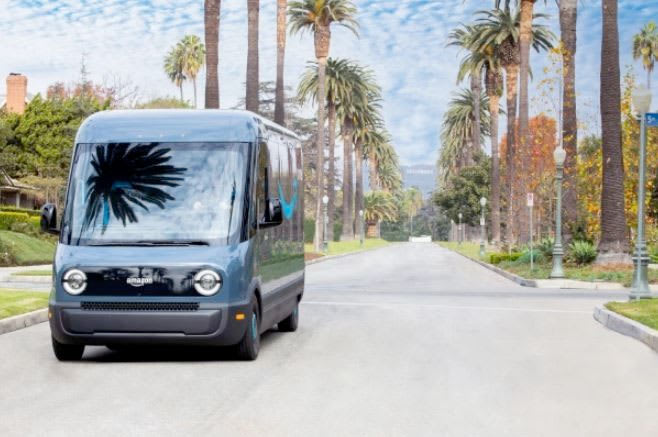
Amazon's custom electric delivery vehicles from Rivian feature in-cab cameras as well as a 360-degree camera detection system.
Photo: Amazon
“We began outfitting Amazon-branded delivery vans in the U.S. with this technology in 2020 and, since rolling it out, we’ve seen a 35% reduction in accident rates across our network,” Madan wrote. “This technology is a game-changer and will be in nearly 100% of Amazon-branded vehicles by April 2023.”
Madan also gave examples of some of the cutting-edge technologies it is piloting, such as strobing brake light technology in some trailers, and digital side mirror camera technology to reduce blind spots.
“As we pilot new technologies and learn about the safety efficacy, we’ll be able to make data-driven decisions about whether and how to deploy these and other technologies broadly across our fleet of vehicles and trailers.”
More Safety & Compliance
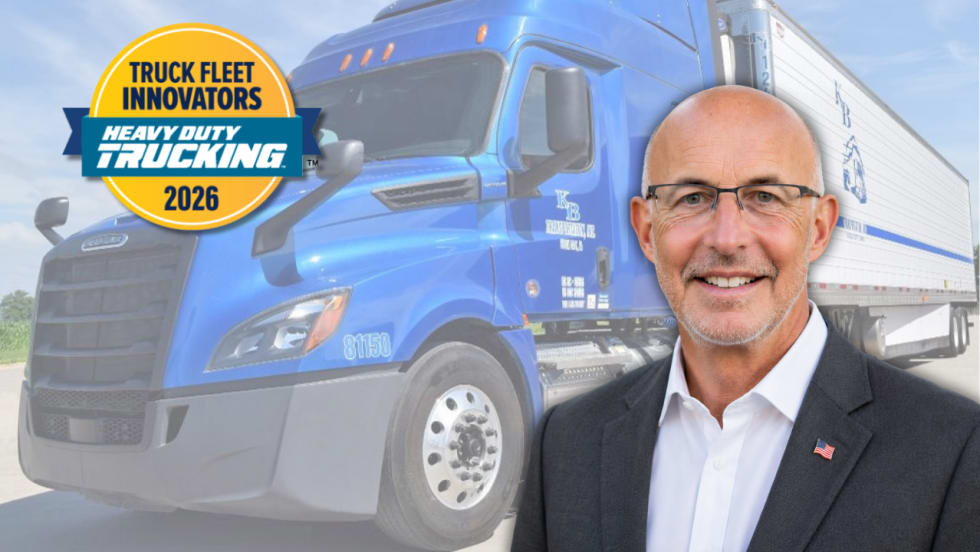
How Lance Evans Turns Enforcement Experience Into Better Fleet Safety
HDT Truck Fleet Innovator Lance Evans brings lessons from law enforcement to K&B Transportation’s approach to safety technology, data, driver coaching, and compliance.
Read More →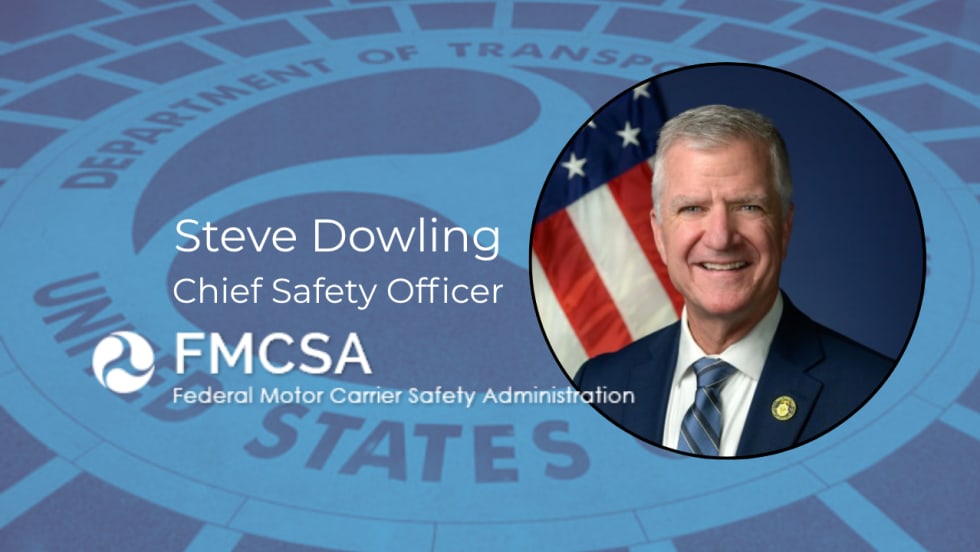
New FMCSA Chief Safety Officer Has Trucking Industry and Law Enforcement Experience
Steve Dowling joins FMCSA after serving as senior director of safety at Covenant Logistics and in leadership roles in commercial motor vehicle industry organizations.
Read More →
Driver Trust Can Make or Break the Success of Fleet Safety Technology
New Teletrac Navman research suggests that onboarding, transparency about driver data, and positive feedback can play a significant role in how commercial drivers respond to safety and coaching technology.
Read More →
FMCSA: Stop Using These 15 Electronic Logging Devices
Fleets and drivers must replace the revoked ELDs with ones on the FMCSA's registered device list of electronic logging devices.
Read More →
How HDT’s 2026 Truck Fleet Innovators Are Rethinking Fleet Operations
Meet five trucking leaders who are challenging assumptions, solving operational problems, and putting innovative ideas to work.
Read More →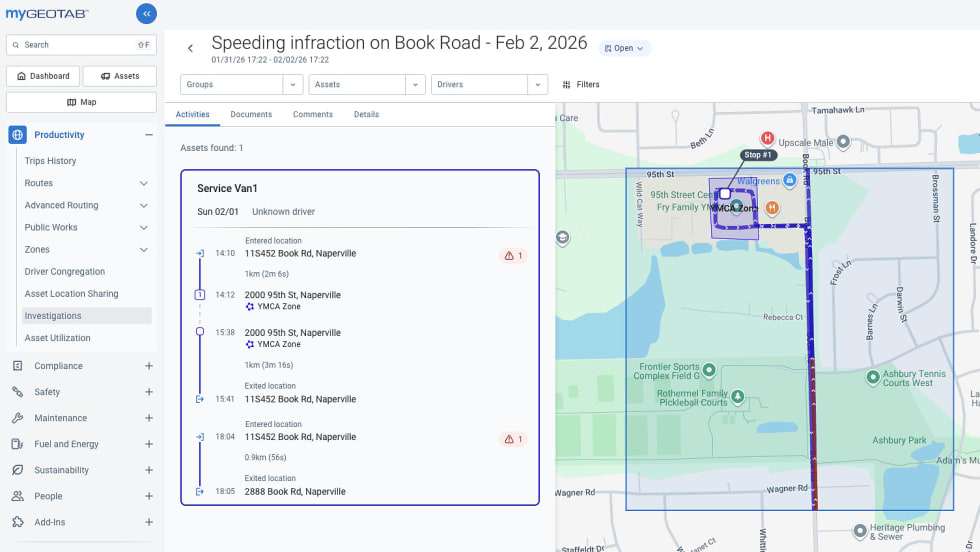
Geotab Launches Tool to Speed Fleet Incident Investigations
Geotab Investigations brings telematics data, video, photos, reports and other evidence into one case file to help fleets determine what happened and resolve incidents faster.
Read More →
FMCSA Moves to Codify English Language Requirements for Commercial Drivers
By changing regulations on English-language proficiency requirements for commercial drivers, rather than relying on a guidance memo, the FMCSA said future administrations won't be able to walk back the Trump administration's stricter enforcement with just a memo.
Read More →
Trump Administration Expands Homeland Security's Role in Trucking Enforcement
The administration's latest trucking crackdown goes beyond roadside inspections, expanding Homeland Security's role in commercial vehicle enforcement and investigations involving CDL training schools.
Read More →
Paccar Recalls 2027 Trucks Built This Summer for Possible Electrical Problem
The nearly 6,000 Kenworth and Peterbilt trucks in the recall could potentially lose engine power, among other things.
Read More →
Brake Safety Week to Focus on Drums and Rotors
Commercial vehicle inspectors will be focusing on brakes during CVSA's Brake Safety Week, August 23-29.
Read More →