




ACL to Require Truckers to Provide Chassis
Starting June 1, ocean carrier Atlantic Container Line will require trucking companies and owner-operators to provide chassis for moves in Miami, Boston and the Ohio Valle
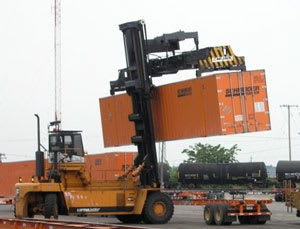
ACL believes it's more cost efficient for trucking companies and drivers to manage a chassis fleet rather than for an ocean carrier.(Photo by Schneider)
Starting June 1, ocean carrier Atlantic Container Line will require trucking companies and owner-operators to provide chassis for moves in Miami, Boston and the Ohio Valley
, according to reports by the Journal of Commerce.
The new policy will apply to the three areas on June 1, but the company expects to phase out providing chassis throughout the U.S. eventually. According to the JOC, the company says it is more cost efficient for trucking companies and drivers to manage a chassis fleet than for an ocean carrier. The same policy is already in effect in Canada and Europe.
ACL isn't the only major ocean carrier to make changes to its chassis policy recently. Ocean carrier Maersk Line announced it will charge administrative fees of $150 per container ($350 per refrigerated box) for damage-related costs on top of actual repair expenses, effective May 1. Last year, Maersk began charging drayage carriers $11 daily to use its container chassis.
These moves could be related to the Federal Motor Carrier Safety Administration's "roadability" rule for intermodal container chassis; the deadline for compliance with the rule has been extended to June 30, 2010.
As a result of this rulemaking, ocean carriers, railroads, chassis pool operators and other Intermodal Equipment Providers will for the first time be subject to the Federal Motor Carrier Safety Regulations. Specifically, they will be required to establish a systematic inspection, repair, and maintenance program to ensure the safe operating condition of each intermodal container chassis. They also must make sure the chassis are roadable.
A few weeks ago, the Ocean Carrier Equipment Management Association and the Institute of International Container Lessors filed a petition to the FMCSA asking the agency to reconsider the roadability rule, according to reports by Land Line magazine. The two groups want the FMCSA to throw out the reporting requirement on chassis with no known defect or damage, the magazine reports.
Updated 12 p.m. 4/28/2010 to add information about Maersk fees.
More Fleet Management
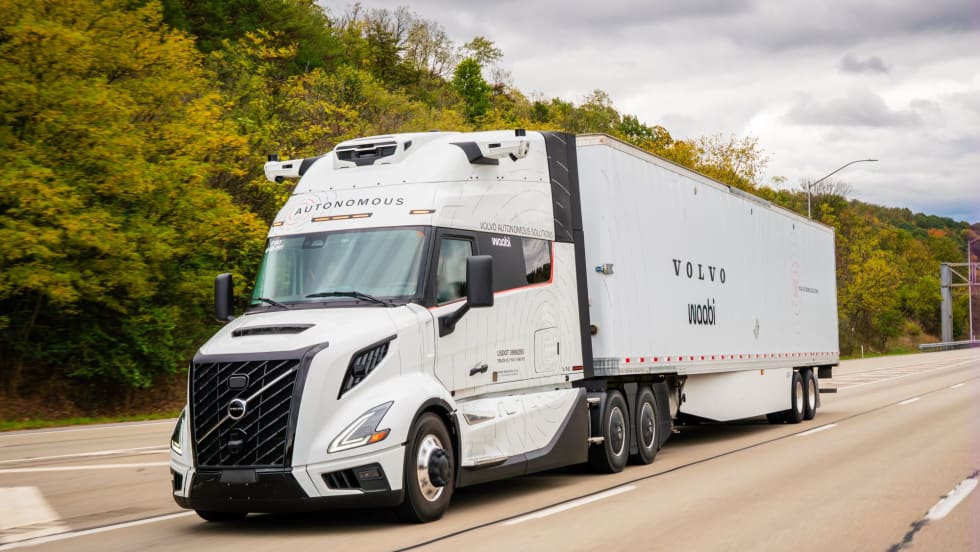
Volvo, Waabi Start Commercial Autonomous Operations in Texas
Volvo VNL Autonomous trucks, powered by the Waabi Driver, are hauling freight directly to third-party facilities for a customer in Texas.
Read More →
Samsara Launches Custom AI Agent Builder
Agent Studio lets fleets create AI tools for hours-of-service monitoring, reporting and driver support, including agents that communicate by phone.
Read More →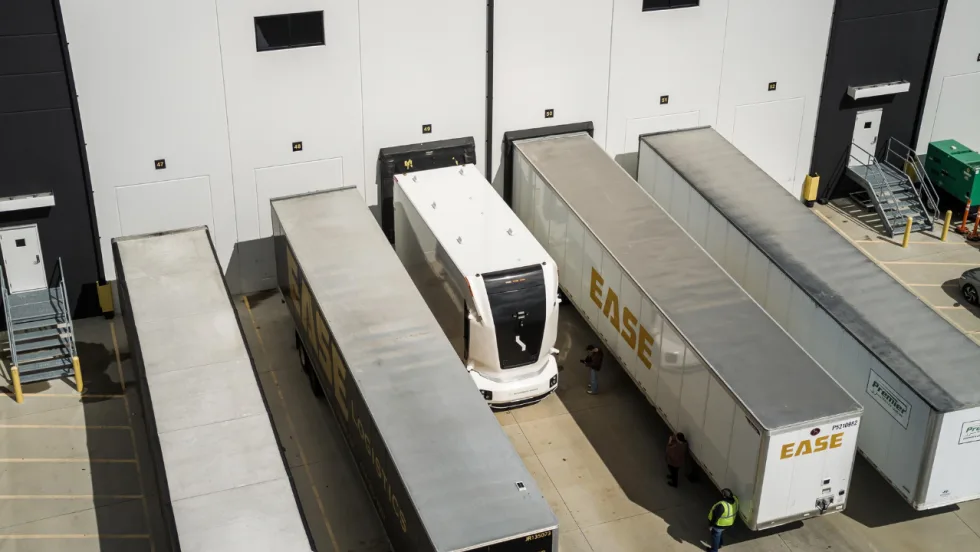
Einride Driverless Electric Trucks Begin Daily Freight Operations in Ohio
Two cabless electric trucks are hauling freight between EASE Logistics facilities in Marysville, Ohio, as part of a multi-state truck automation project.
Read More →

Geotab Links Fleet Card to Vehicle Data
The new card combines fuel discounts with telematics-based purchase controls. Geotab’s analysis also points to potential savings from choosing lower-priced fuel stops.
Read More →
How MFA Helps Protect Trucking Fleets
Multi-factor authentication adds protection when passwords are stolen. Here’s how it works and where fleets should start.
Read More →
How Better Freight Data Helps Trucking Teams Get Ahead of Disruption
Trucking and logistics teams have plenty of data. The problem is getting the right information in front of the right people soon enough to act. Better-connected data can help teams spot trouble earlier and make smarter decisions before small problems become big ones.
Read More →
Trimble: Taking Artificial Intelligence in Trucking Beyond Faster Tasks
At Insight 2026, Trimble executives argued that fleets may need to redesign workflows to get more from AI as it introduced new products and enhancements. AI’s value will depend on how fleets combine automation with their people's knowledge.
Read More →
Build a bulletproof fleet: Uniting ELDs and dash cams for total compliance
An ELD can prove compliance, but it cannot always prove what happened on the road. Discover how uniting accurate ELD data with AI-powered dash cam video can help your fleet strengthen compliance, defend against liability, protect drivers and reduce operational costs.
Read More →
Nominations Open for HDT Emerging Leaders
Heavy Duty Trucking is looking for accomplished trucking fleet professionals under 40 who are making an impact and helping lead the industry forward.
Read More →
Why Private Fleets Are Taking More Freight
Private fleets are putting their own trucks on demanding customers and high-cost lanes as companies seek greater control over service, costs, and capacity.
Read More →