




AAA Study Identifies Fatigue Crash Factors
A study released Tuesday by the AAA Foundation for Traffic Safety and the University of North Carolina Highway Safety Research Center identifies factors strongly associated with having a crash related to drowsy driving
A study released Tuesday by the AAA Foundation for Traffic Safety and the University of North Carolina Highway Safety Research Center identifies factors strongly associated with having a crash related to drowsy driving.
Key factors include sleeping less than six hours per night, being awake for 20 hours or longer, working more than one job and/or working night shifts, and frequent driving between midnight and 6 a.m.
The study is different from previous studies because it looked at real-world crashes, according the AAA. Researchers used police crash reports and driver records to identify and interview 1,400 drivers. The sample included four groups: drivers who fell asleep, drivers who were fatigued, drivers who crashed for non-sleep reasons, and a control group of drivers who had not had a crash in three years.
Researchers had subjects fill out a detailed questionnaire about work schedules, sleep habits and the circumstances surrounding the crash. Drivers were also asked questions to assess their present levels of sleepiness.
Sleep and fatigue crash drivers had been awake longer and had slept less. Only a fifth reported getting eight or more hours of sleep before the crash, compared to nearly half of the control group. Drivers in sleep and fatigue crashes were also more likely to deal with their drowsiness once they were on the road, rather than planning ahead and taking precautions.
About half the drivers in the sleep-related crashes said they did not feel even moderately drowsy before they crashed.
More Safety & Compliance

Marijuana and Trucking’s Drug-Testing Dilemma
Marijuana is getting stronger, laws are changing, and drug tests still can’t reliably establish impairment. What does that mean for truck drivers and the fleets that employ them?
Read More →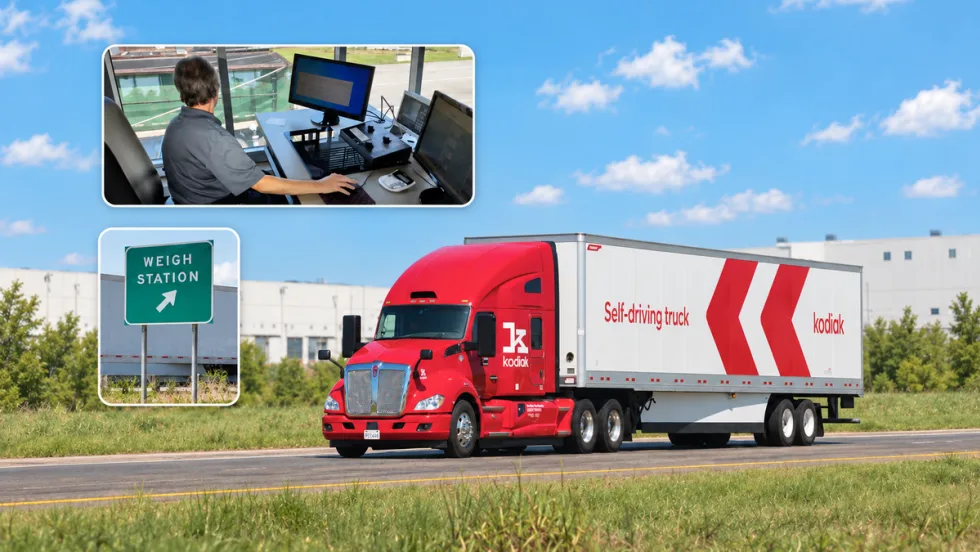
PrePass, Kodiak Connect Driverless Trucks to Roadside Enforcement
The system will allow enforcement agencies to verify Enhanced Inspection information and decide whether Kodiak’s autonomous trucks can bypass roadside screening sites.
Read More →
From One Generation to the Next: How Mentorship Builds Safer Truck Drivers
After three decades in trucking, Harold Perry shares what he's learned about driver safety, mentorship, and helping the next generation build confidence behind the wheel.
Read More →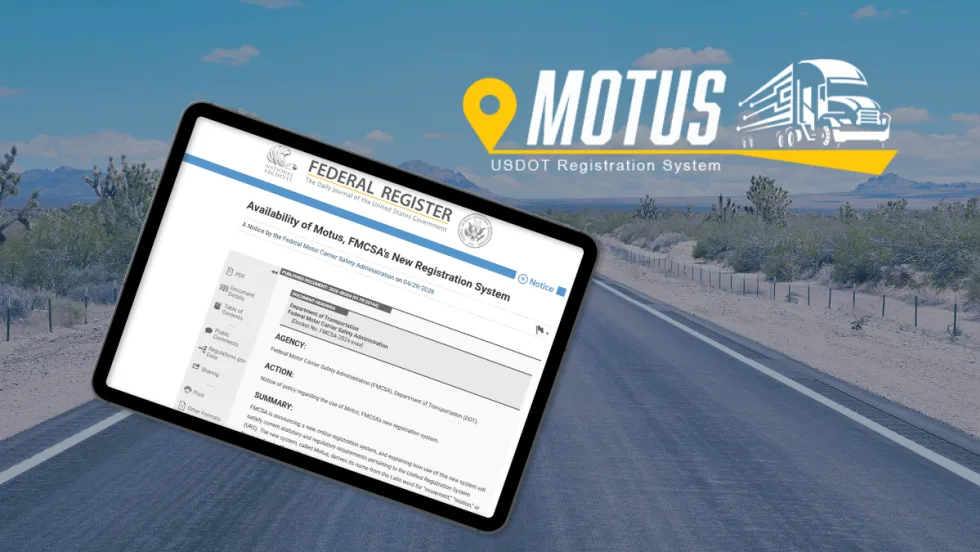
FMCSA Pauses Biennial-Update Enforcement Amid Motus Transition
Carriers whose updates were due on or after June 1 have more time, while FMCSA works to stabilize its new registration system and warns of phishing sites impersonating its new carrier registration system, Motus.
Read More →
ZF Expands Commercial Vehicle Push in North America
ZF is expanding its North American commercial-vehicle presence with new transmission applications, electrification, trailer technology and autonomous-driving systems.
Read More →
Truck Drivers Need More Than Another Alert
Fleets have more visibility into truck health, safety events, and driver activity than ever. The next challenge is turning all that information into useful guidance for the person who has to decide what to do next.
Read More →
Tesla Wants a Self-Driving Semi. Are Cameras Enough?
Could Tesla’s camera-only autonomous driving technology work on an 80,000-pound Semi? In this commentary, HDT's Deborah Lockridge takes a look at Tesla, Cybercab, and how autonomous trucks see the road.
Read More →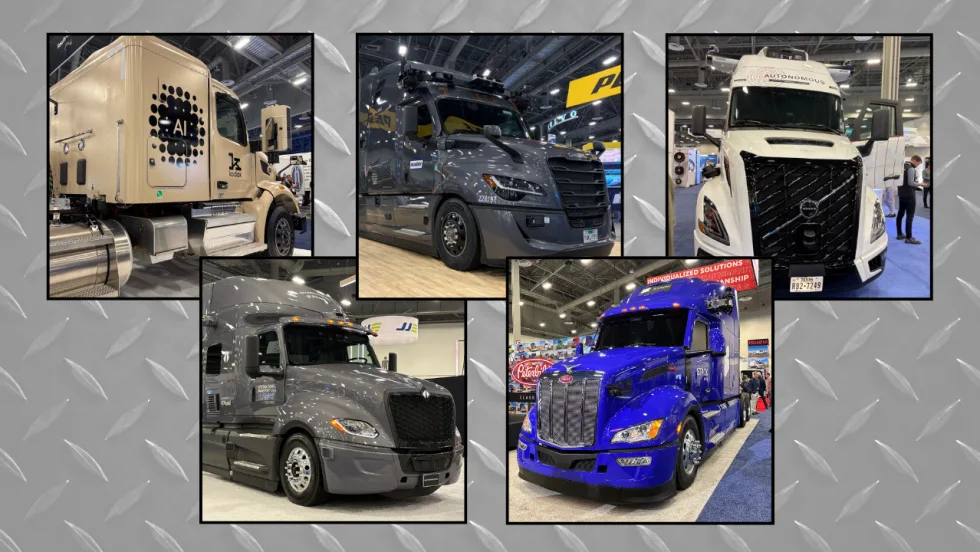
What DOT’s Automated Vehicle Strategy Means for Trucking
The U.S. Department of Transportation issued a new automated-vehicle strategy that outlines plans for driverless-truck regulations, cross-state freight corridors, and federal safety standards.
Read More →
NYC Expands Speed, Pedestrian Safety Tech Across Fleet
New York City is expanding intelligent speed assistance and pedestrian-alert systems across its municipal fleet, moving the technologies from pilot programs into vehicle procurement and retrofit requirements.
Read More →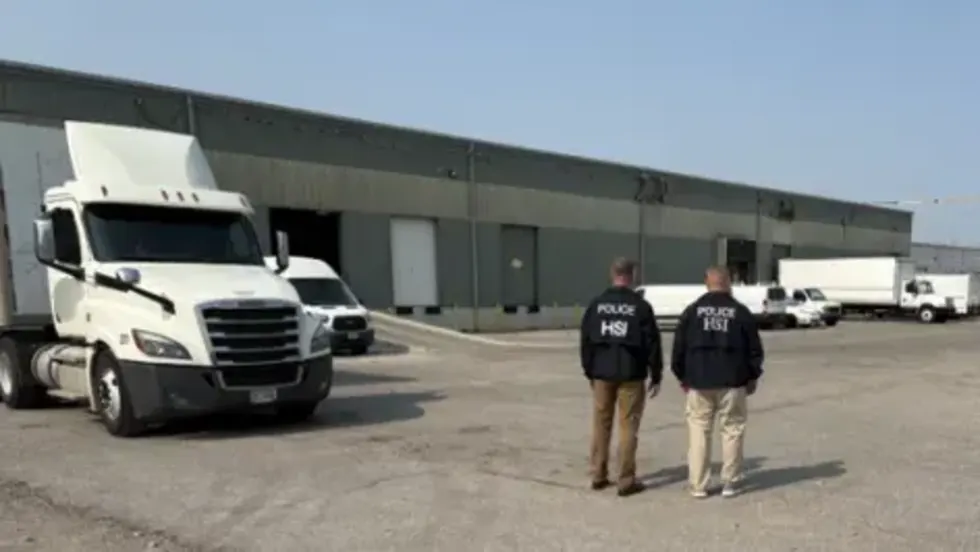
FMCSA Removes 110 Truck Driver Training Schools from Certified ELDT List
Federal regulators also are targeting more than 160 additional training providers and launching a nationwide audit of third-party CDL skills testers as part of a broader crackdown on trucking fraud.
Read More →