




AAA Study: Aggressive Driving a Factor in Up to 56 Percent of Deadly Crashes
As many as 56 percent of deadly crashes involve one or more unsafe driving behaviors typically associated with aggressive driving, according to a new analysis by the AAA Foundation for Traffic Safety
As many as 56 percent of deadly crashes involve one or more unsafe driving behaviors typically associated with aggressive driving, according to a new analysis by the AAA Foundation for Traffic Safety.
The analysis of National Highway Traffic Safety Administration data shows speeding is the most common contributing factor and is involved in nearly one in three deadly crashes.
Aggressive driving is one of America's main traffic safety worries. Last year's AAA Foundation Traffic Safety Culture Index, a nationally representative telephone survey, found nearly eight out of every 10 people surveyed rated aggressive drivers as a serious or extremely serious traffic safety problem.
However, in the same survey, many individuals reported driving in ways that could be deemed aggressive. For example, nearly half of drivers reported exceeding the speed limit by 15 mph on major highways in the past 30 days, and 15 percent even admitted exceeding the speed limit by 15 mph on neighborhood streets. This reflects the "Do as I Say, Not as I Do" attitude society has toward traffic safety, say AAA officials.
"It's easy to think 'that other guy is the problem' - the one who runs someone off the road, tailgates, or yells obscenities," said AAA Foundation President and CEO Peter Kissinger. "In reality, examples of driving aggressively - any of which can lead to crashes, injuries and deaths - are all too common."
Examples of aggressive driving include running stop signs or red lights, preventing other drivers from passing, speeding, improper following or passing, illegal driving on the shoulder, and failing to yield.
More Safety & Compliance

NYC Expands Speed, Pedestrian Safety Tech Across Fleet
New York City is expanding intelligent speed assistance and pedestrian-alert systems across its municipal fleet, moving the technologies from pilot programs into vehicle procurement and retrofit requirements.
Read More →
FMCSA Removes 110 Truck Driver Training Schools from Certified ELDT List
Federal regulators also are targeting more than 160 additional training providers and launching a nationwide audit of third-party CDL skills testers as part of a broader crackdown on trucking fraud.
Read More →
Beyond DOT Compliance: What Makes a Trucking Fleet Truly Safe?
A trucking fleet can follow every rule and still make unsafe decisions. The real test comes when safety conflicts with freight, productivity, or cost.
Read More →
Hours of Service Pilot Programs: FMCSA Readies for 2027 Rollout
Two pilot programs could eventually reshape hours-of-service rules, giving truck drivers options to pause their 14-hour clock or use longer split sleeper rest periods.
Read More →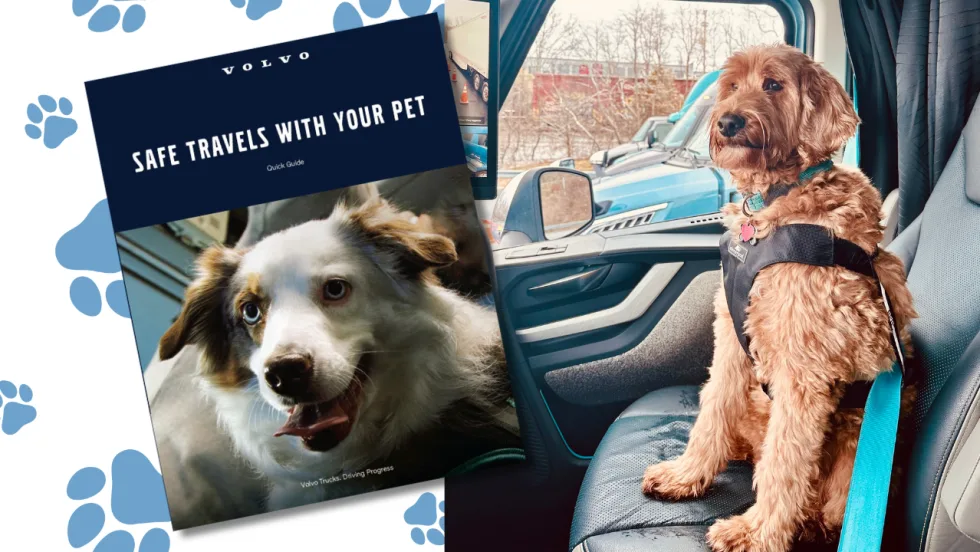
New Guide Offers Pet Safety Tips for Truck Drivers
Hundreds of thousands of pets travel in truck cabs. A new safety guide from Volvo Trucks and the Center for Pet Safety offers practical advice for truck drivers who bring dogs and cats along for the ride.
Read More →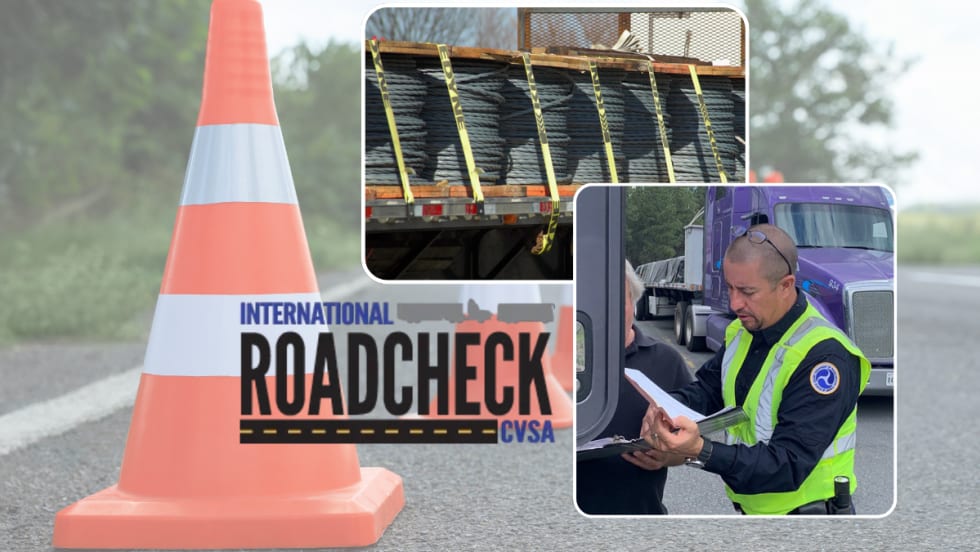
Medical Cards, English Proficiency Reshape Roadcheck Violations
Medical-card violations jumped to the top of the driver out-of-service list during CVSA’s 2026 International Roadcheck, while English-language proficiency violations appeared among the leading violations for the first time.
Read More →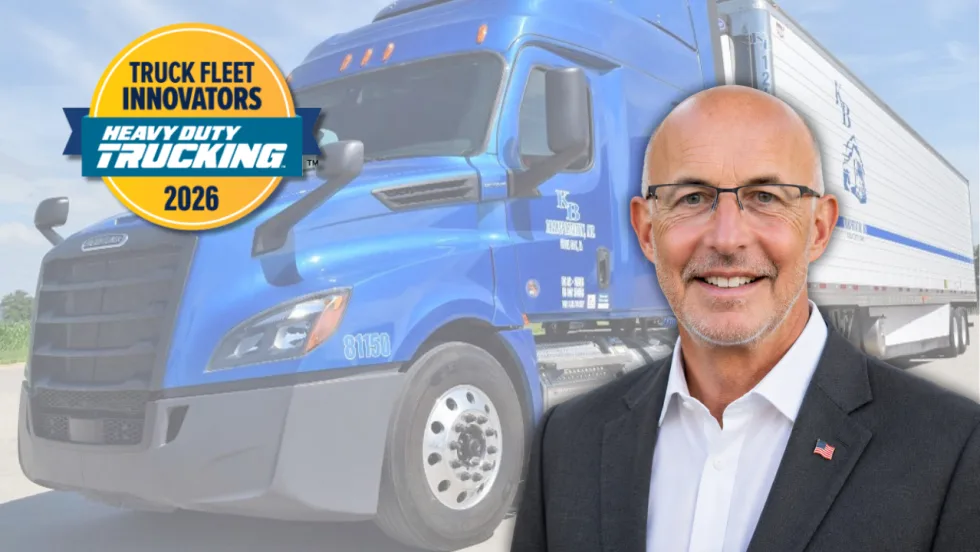
How Lance Evans Turns Enforcement Experience Into Better Fleet Safety
HDT Truck Fleet Innovator Lance Evans brings lessons from law enforcement to K&B Transportation’s approach to safety technology, data, driver coaching, and compliance.
Read More →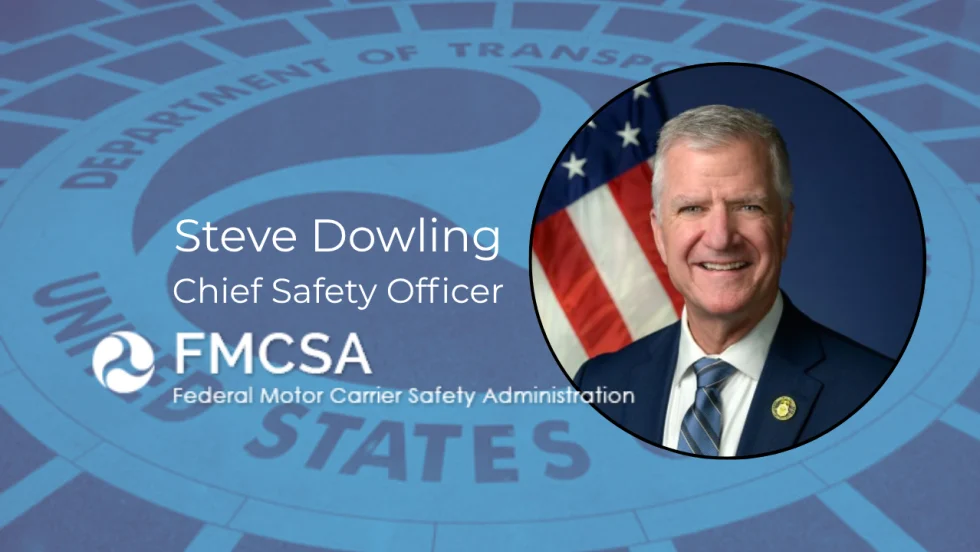
New FMCSA Chief Safety Officer Has Trucking Industry and Law Enforcement Experience
Steve Dowling joins FMCSA after serving as senior director of safety at Covenant Logistics and in leadership roles in commercial motor vehicle industry organizations.
Read More →
Driver Trust Can Make or Break the Success of Fleet Safety Technology
New Teletrac Navman research suggests that onboarding, transparency about driver data, and positive feedback can play a significant role in how commercial drivers respond to safety and coaching technology.
Read More →
FMCSA: Stop Using These 15 Electronic Logging Devices
Fleets and drivers must replace the revoked ELDs with ones on the FMCSA's registered device list of electronic logging devices.
Read More →