




AAA: Red-Light Cameras Shouldn’t Replace Sound Traffic Engineering
AAA is recommending that local jurisdictions considering red-light cameras should first apply all practical traffic engineering countermeasures
AAA is recommending that local jurisdictions considering red-light cameras should first apply all practical traffic engineering countermeasures.
While recognizing the dangers of the alarming increase of crashes due to red-light running, delegates to the AAA Annual Meeting this week gave strong support to specific engineering measures designed to reduce these crashes. These include engineering improvements such as adjusting signal timing, making lane improvements, evaluating sight-distances and improving signage.
"Although some local jurisdictions are looking at red-light cameras as the quick fix, it is not always the most effective means of reducing crashes at intersections," said Susan G. Pikrallidas, vice president of AAA Public Affairs.
According to safety analyses conducted by AAA Michigan, implementation of various engineering safety countermeasures other than red-light cameras have resulted in significant decreases in intersection crashes. In the new policy adopted by AAA, the delegates also emphasized that the penalties for red-light running should be levied against the driver of the vehicle, not the owner. They stated that the enforcement of red-light cameras should be coupled with an intensive public information campaign and signs should be prominently displayed to inform motorists that such devices are in use.
The Insurance Institute for Highway Safety defended the safety record of red light cameras, announcing new research and new statistics from the Washington, D.C. police department.
Institute researchers measured travel speeds on seven D.C. streets before the cameras were installed and six months after deployment. The number of drivers traveling more than 10 mph over the speed limit dropped dramatically at every site, with reductions ranging from 38 to 89 percent, they said.
As a comparison, researchers also measured speeds at eight sites in Baltimore, Md., where cameras are not used. Speeds there stayed about the same or increased slightly.
Statistics from the D.C. police department bolster those findings. Police statistics show that the percentage of vehicles aggressively speeding on D.C. streets and highways has declined by more than 58 percent since the photo radar program started in July 2001. During the July warning period, 31 percent of the vehicles monitored by photo radar exceeded the program's speeding threshold. In March 2002 -- when a record number of 538,470 vehicles were monitored by photo radar -- the figure had fallen to 13 percent.
"Photo enforcement is a proven vaccine for this disease that infects our highways,” says Ricardo Martinez, a former NHTSA administrator and emergency physician who is a member of the advisory board of the National Campaign to Stop Red Light Running.
Not mentioned by either group are truck drivers' concerns that red light cameras are set for cars, not trucks, and can catch a tractor-trailer rig as a red-light runner even if the light was green when they entered the intersection.
More Safety & Compliance
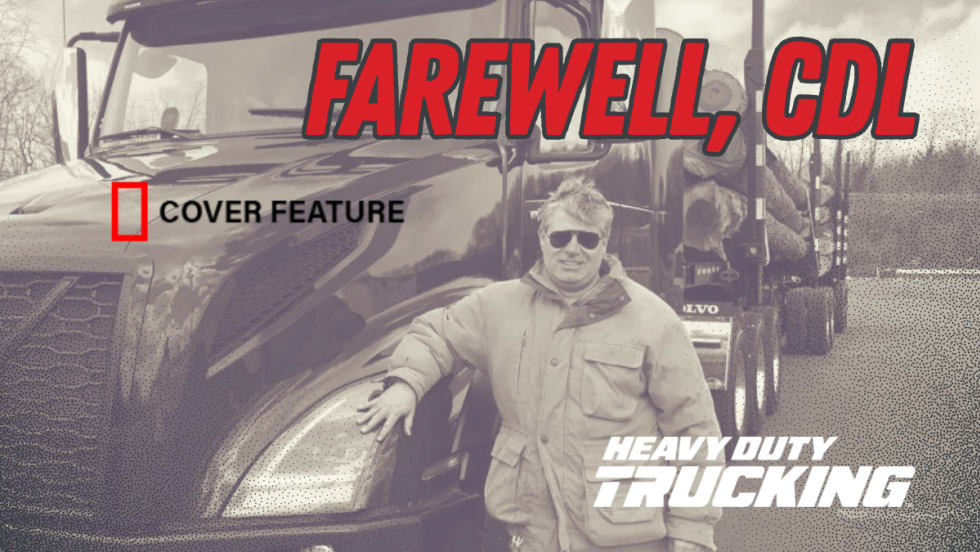
Farewell, CDL: Why I'm Giving Up My Commercial Driver's License
After more than 20 years as a CDL holder, HDT Executive Editor Jack Roberts is letting his commercial license expire. Not because he wants to — but because trucking's nuclear verdict crisis has made the risks of public-road test drives too great for editors, manufacturers, and everyone involved.
Read More →
Enhance Fleet Performance with High-Efficiency Auxiliary Power Units
Drive sustainable cost savings while increasing driver comfort during short- and long-haul logistics operations.
Read More →
Wabash Trailers Recalled for Improperly Installed Underride Guards
More than 900 Wabash dry van trailers may not comply with the Federal Motor Vehicle Safety Standard for rear impact guards.
Read More →

Why K&B Trucking Is Embracing AI and Driver Safety Technology
Crunching data and embracing artificial intelligence are key in K&B Trucking's safety efforts, says the company's safety director.
Read More →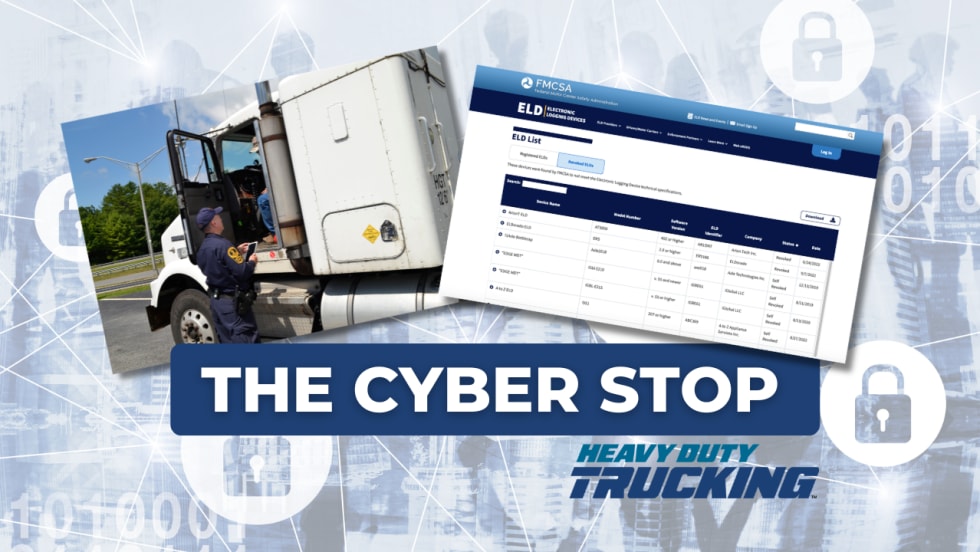
The Hidden Problem Behind FMCSA's ELD Revocations
NMFTA researchers say dozens of registered ELDs may be built on the same software platforms, allowing compliance and security concerns to persist even after individual devices are removed from the market.
Read More →
ATRI Wants Motor Carriers for Driver-Facing Camera Study
In this new study, the American Transportation Research Institute will explore how driver-facing cameras can impact safety and operational metrics in trucking fleets.
Read More →
Netradyne Intelligence Uses New AI Agents to Automate Response to In-Cab Camera Data
The company called the next-generation in-cab camera safety platform "a fundamental shift from systems that report on what happened to systems that actively drive what should happen next."
Read More →Mack, Volvo Issue ‘Do Not Drive’ Recall on Possible Wheel-Offs
Owners will be sent advance notice not to operate their affected vehicles until the remedy is performed.
Read More →
Fleetworthy Integrates Lytx Video Snapshots into Safety+ Platform
A new Fleetworthy-Lytx integration gives fleet managers access to video context alongside safety event data, streamlining driver coaching and incident review.
Read More →
How Waste Connections is Using Data, Telematics, and AI
How do you manage and maintain more than 18,000 connected trucks? Data. Lots of it.
Read More →