




A Bigger Driver Pool Through Immigration Reform?
An immigration reform bill in Congress could ease the truck driver shortage by giving undocumented immigrants a path to legal status and, potentially, the ability to obtain a Commercial Driver’s License.



An immigration reform bill in Congress could ease the truck driver shortage by giving undocumented immigrants a path to legal status and, potentially, the ability to obtain a Commercial Driver’s License.
President Obama is making immigration reform a major goal for his second term. In the wake of the 2012 presidential election, many Republicans are saying the time has come to reconsider their party’s hardline stance.
The bill, introduced by the bipartisan “Gang of Eight” senators, will make major changes in the immigration system, including creating a way for the 11 million illegal immigrants now in the country to come out from the shadows and work legally.
The bill also would reform the visa system to accommodate more workers in the category that may include truck drivers.
These changes would be tied to toughened border security to keep out illegals, including a $3 billion program for beefed-up surveillance and patrolling.
Not an easy process
The process of moving from the undocumented shadow-land to legal status will not be easy.
The bill would create a Registered Provisional Immigrant Status, under which a person could work for any employer.
To win that status, the person would have to pay a $500 penalty and assessed taxes, as well as application fees. Anyone convicted of a felony or three or more misdemeanors, or who has voted illegally, would not be eligible. The provisional status would last for six years, renewable upon payment of another $500 penalty.
After 10 years in provisional status, a person could apply for Lawful Permanent Resident Status through the Green Card application method, which requires payment of all taxes, regular work and the ability to speak English.
The visa reform would create a new category for lower-skilled workers, possibly including truck drivers, who will work for registered employers.
The decision about how many such W-Visa workers could be admitted in any given year would be made by a new independent agency in the Department of Homeland Security. The number would be capped at 20,000 in 2015 and range up to 75,000 by 2019. After that, the agency would make a determination year by year.
Employers would have to apply to participate in this program. They also would be required to phase in the E-Verify system, which includes biometric identification of non-citizens.
It is too soon to know how this bill will fare in Congress. It has many supporters but will face stiff opposition from those who consider any path to citizenship an “amnesty” program.
ATA paying close attention
American Trucking Associations is paying close attention. The program could significantly increase the number of potential truck drivers, although they would have to meet Federal Motor Carrier Safety Administration requirements for a CDL.
Driver demographics are changing and truck fleets are asking where they’ll find the next group of qualified drivers, says Dave Osiecki, senior vice president of policy and regulatory affairs.
“ATA is watching the development of immigration reform with a view toward the impact it might have on the driver shortage,” he said. “It’s one of a number of solutions, including the veterans programs.”
Osiecki anticipates that the issue will be discussed at the ATA leadership meeting in May.
More Fleet Management
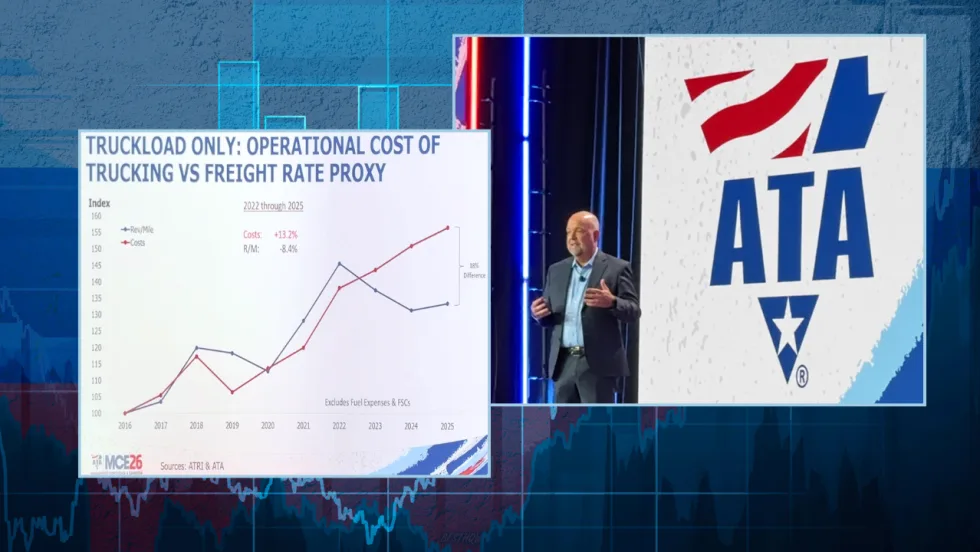
Why This Trucking Recovery Is Different
Freight demand remains sluggish, but rising costs and tougher enforcement have taken enough capacity out of the market to change the outlook for motor carriers.
Read More →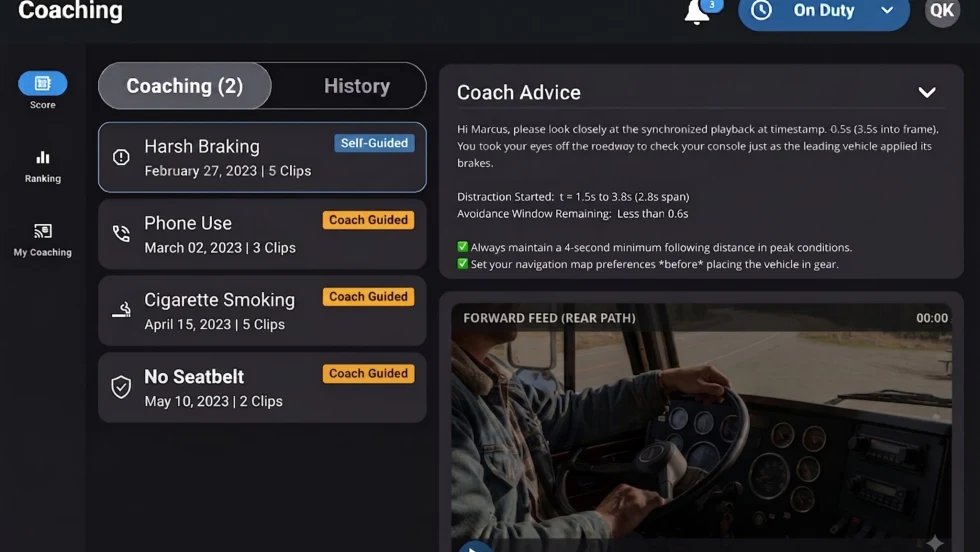
Platform Science Adds Dispatch and Safety Tools
Four additions to PS Fleet help fleets monitor loads, manage driver coaching, share truck locations and adjust video system settings.
Read More →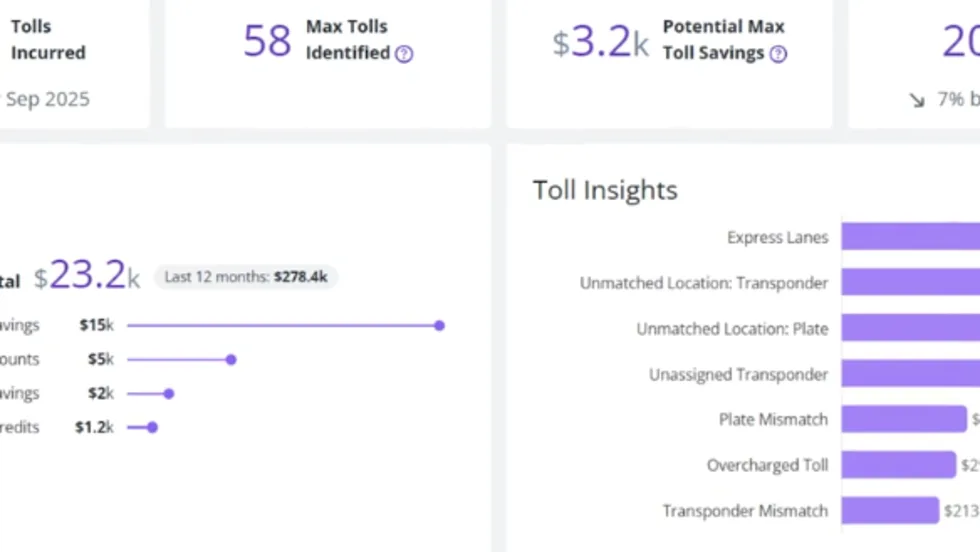
PrePass Intelligence Mines Fleet Bypass, Toll and Safety Data
PrePass Intelligence helps fleets measure bypass savings, flag potential toll overcharges, and spot suspicious transactions by combining data from separate systems.
Read More →
Motive Adds AI Agents for Fleet Operations
New tools automate follow-up on fleet data, from maintenance work orders to driver alerts, with two-way voice conversations planned for later this year.
Read More →
Can You Beat Our Trucking Trivia Challenge?
Test your truck knowledge with 19 trivia questions from Heavy Duty Trucking Exchange. Can you keep up with the fleet pros?
Read More →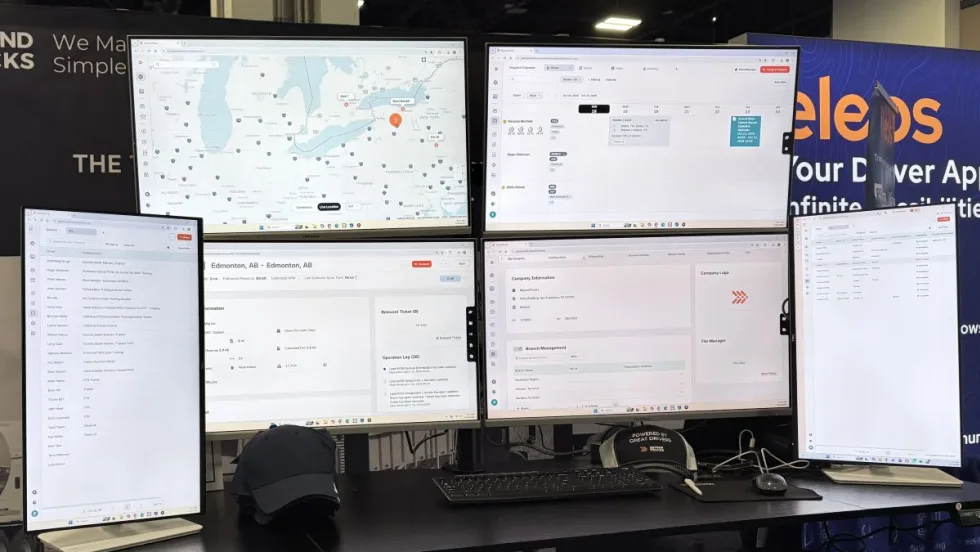
BeyondTrucks Adds Rules Checks to Dispatch
New Compatibility Engine checks driver qualifications, equipment requirements and fleet policies before loads are dispatched.
Read More →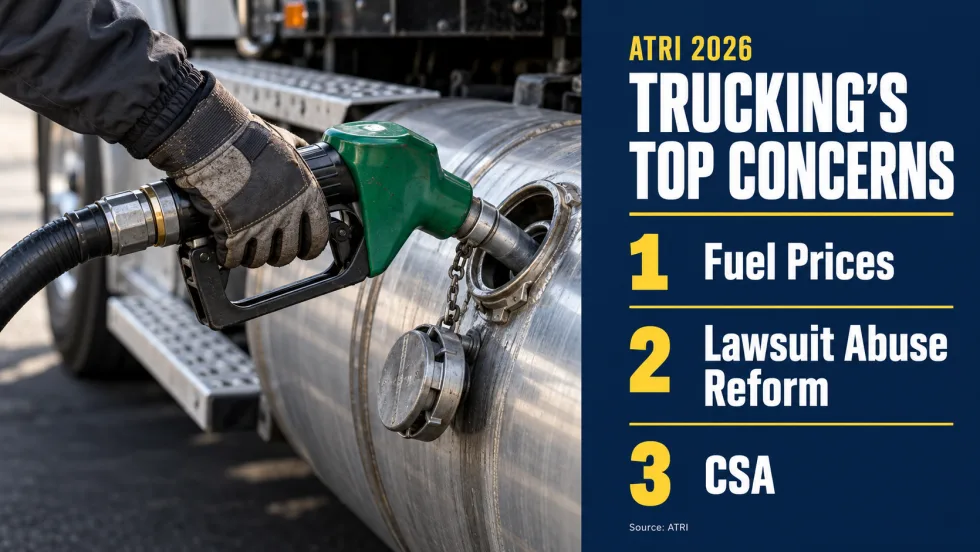
Diesel Prices Hijack Trucking’s Worry List
ATRI’s annual survey finds cautious optimism about freight, but diesel costs, litigation, and insurance continue to squeeze fleets. Drivers have different priorities on several issues.
Read More →
Nomination Deadline Extended for HDT Emerging Leaders
Just a few more days to nominate accomplished trucking fleet professionals under 40 who are making an impact and helping lead the industry forward for the HDT Emerging Leaders award. Deadline extended to October 20!
Read More →
What Will ATA’s New Leader Bring to Trucking's Table?
Incoming President and CEO Mark Colson’s record in Alabama offers clues about his priorities and approach following Chris Spear’s abrupt departure as the head of the American Trucking Associations.
Read More →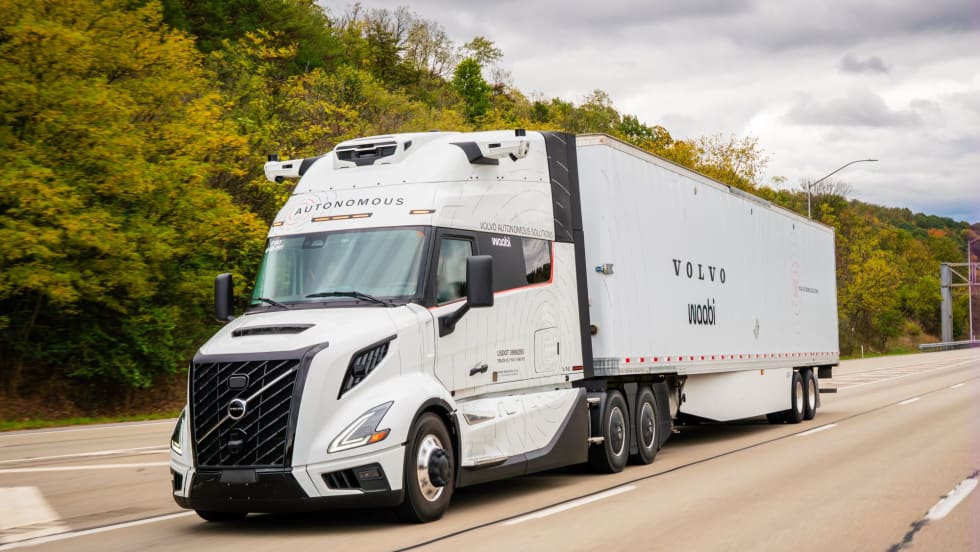
Volvo, Waabi Start Commercial Autonomous Operations in Texas
Volvo VNL Autonomous trucks, powered by the Waabi Driver, are hauling freight directly to third-party facilities for a customer in Texas.
Read More →