




3Q Revenues Up 4% for Covenant Transport
Covenant Transport Inc. said revenues for the quarter ended Sept. 30, 2006 were up 4 percent to $176.7 million from $169.9 million in the same quarter of 2005.
Covenant Transport Inc. said revenues for the quarter ended Sept. 30, 2006 were up 4 percent to $176.7 million from $169.9 million in the same quarter of 2005.
Freight revenue, which excludes fuel surcharges, was essentially flat at $144.1 million in the 2006 quarter and $144.7 million in the 2005 quarter. The company reported net income of $795,000, or $.06 per share, compared to net income of $1.2 million, or $.09 per share, for the third quarter of 2005.
For the nine months ended Sept. 30, total revenue increased 7.1 percent, to $497.5 million from $464.6 million during 2005. Freight revenue increased 1.5 percent, to $412.9 million in 2006 from $407.0 million in 2005. The company generated a net loss of $488,000, or $.03 per share, compared with a $1.2 million profit for the same period of 2005.
Chairman, President, and CEO David R. Parker said, "Our earnings came in better than expected at the time of our preannouncement on Sept. 14, primarily because of a $.30 per gallon drop in the price of diesel fuel over the last few weeks of the quarter. From a freight standpoint, we have not seen the expected level of peak shipping activity typically seen by the end of August. In fact, shipping demand is still not where it should be as of this point in October. Despite a somewhat less robust freight environment than we would like, our business realignment is showing incremental improvement in several significant areas.
“Average freight revenue per tractor per week– our main measure of asset productivity – improved sequentially over the second quarter of 2006 and 1.8 percent over the third quarter of 2005. Although less than our target of a 5 percent improvement, we are pleased by progress in this area. On a consolidated basis, average miles per tractor improved 1.6 percent and average freight revenue per total mile was essentially flat with the third quarter of 2005, on a longer average length of haul. A nice improvement in the non-revenue miles percentage more than offset a slight decrease in average freight revenue per loaded mile.”
More Drivers

New Independent Contractor Rule Gives Trucking More Clarity
The Labor Department is once again changing how it determines who's an independent contractor. This time, the rule includes specific examples addressing trucking safety requirements, CDLs, and lease-purchase agreements.

Catching Driver Fatigue is One Thing. What You Do Next Matters Just as Much
Fleets are getting better at detecting driver drowsiness. Few have figured out what should happen next, and that gap is where the real risk still lives.

133 ELDs Revoked as ATA Pushes Certification Reform
FMCSA just removed a record number of electronic logging devices from its registry. ATA says it's time to rethink how ELDs get approved in the first place.


CVSA Sets 2027 International Roadcheck Dates
The annual 72-hour truck inspection blitz will take place May 11–13 across North America. Here's what fleets can expect and what inspectors found during the 2026 event.

FDA Eases Path for Oral-Fluid Testing
Federal actions could advance oral-fluid drug testing for truck drivers, but lab certification delays and marijuana rescheduling questions remain.

Why Hiring Truck Drivers Is Getting Harder
Higher recruiting costs, a shrinking driver pool, and renewed pay competition are raising the stakes for fleets heading into 2027.
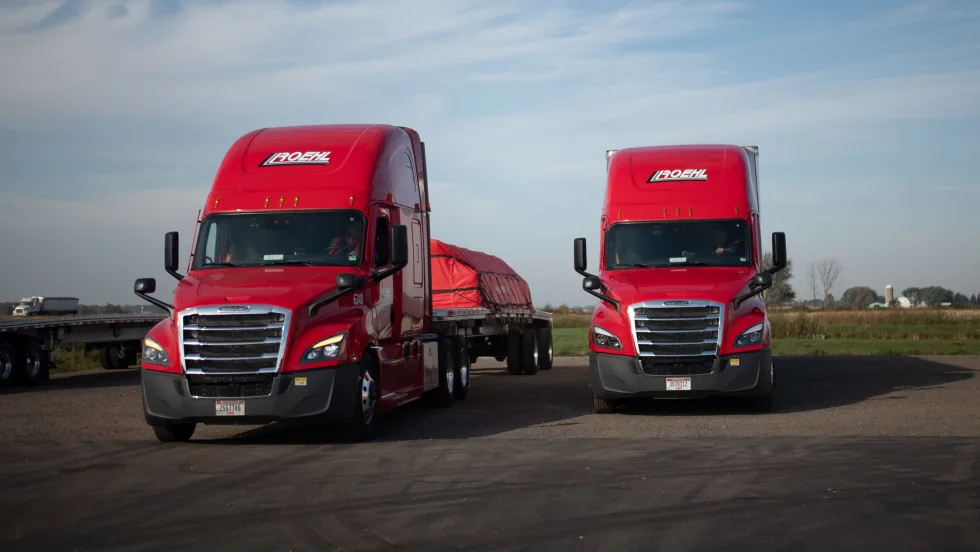
Roehl Offers Truck Drivers $10,000 Retention Incentive
Payments begin after the first load and continue in mileage-based installments for eligible experienced drivers joining the fleet.
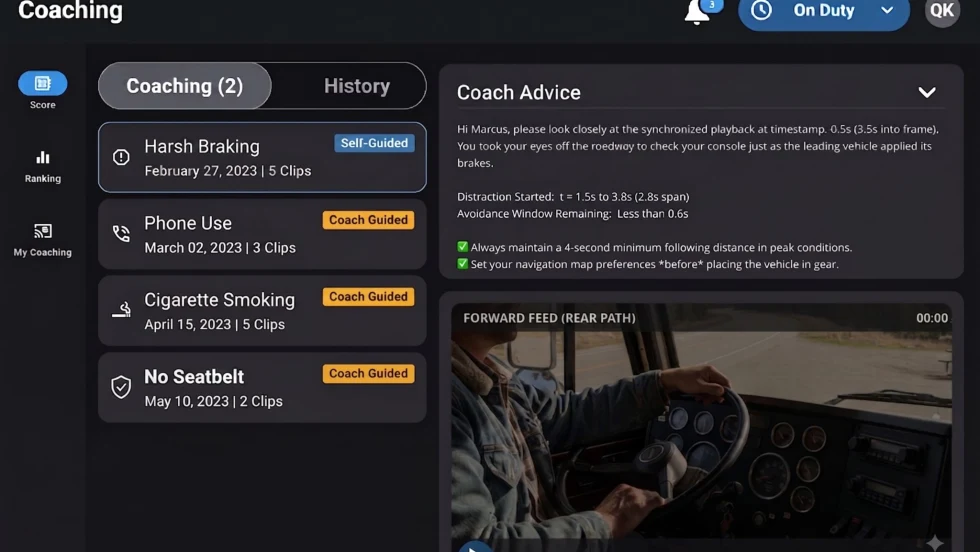
Platform Science Adds Dispatch and Safety Tools
Four additions to PS Fleet help fleets monitor loads, manage driver coaching, share truck locations and adjust video system settings.

When Language Stops the Truck: The Return of ELP Out-of-Service Orders
English language proficiency rules for commercial drivers aren’t new, but renewed out-of-service enforcement has raised the stakes. Here’s what carriers need to know before a driver reaches a roadside inspection.

Samsara Launches Custom AI Agent Builder
Agent Studio lets fleets create AI tools for hours-of-service monitoring, reporting and driver support, including agents that communicate by phone.