





Related: 70 Answers to Top ELD Questions
FMCSA Widens Stance on AOBRD Grandfather Clause
The Federal Motor Carrier Safety Administration has slightly liberalized its stance on the use automatic on-board recording devices by some fleets that are using those devices under the terms of the AOBRD grandfather clause within the electronic logging device rule.
March 21, 2018
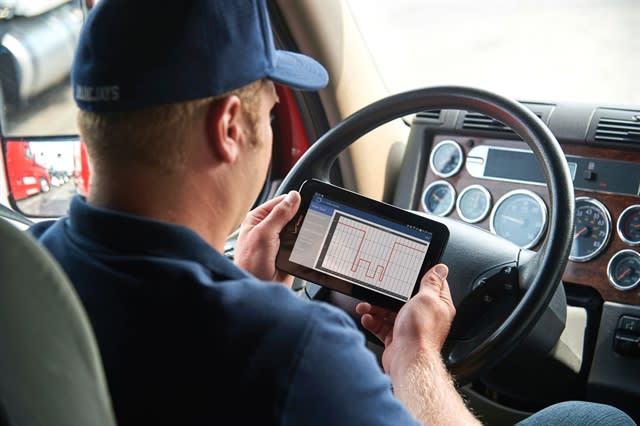
Photo: J.J. Keller & Associates
2 min to read

The Federal Motor Carrier Safety Administration has slightly liberalized its stance on the use automatic on-board recording devices by some fleets that are using those devices under the terms of the AOBRD grandfather clause within the electronic logging device rule.
Per new guidance issued earlier this month by the agency, a motor carrier that had installed and required its drivers to use an AOBRD before Dec. 18, 2017 may now install and use a new “ELD-capable device that runs compliant AOBRD software” until Dec. 15, 2019. That latter date is the one on which the AOBRD grandfather clause expires.
FMCSA’s new, more flexible position on fleets allowed to use AOBRDs during the grandfather period does not negate the requirement that any new AOBRD installed must be able to be updated for mandate compliance by Dec. 16, 2019, noted ELD supplier J.J. Keller & Associates in a news release.
“To be fully informed consumers, motor carriers with AOBRDs need to ask their current device supplier if their equipment can in fact be updated over-the-air to be ELD mandate compliant,” said Tom Reader, director of marketing for ELDs at J. J. Keller. “A motor carrier may have older AOBRDs that are compliant now, but that older equipment may not be able to be updated as required in December 2019.
“Our devices, currently operating as AOBRDs today, can be updated to mandate-compliant ELDs as needed,” added Reader. “Every one of our AOBRD customers will be able to perform the update.”
More Safety & Compliance
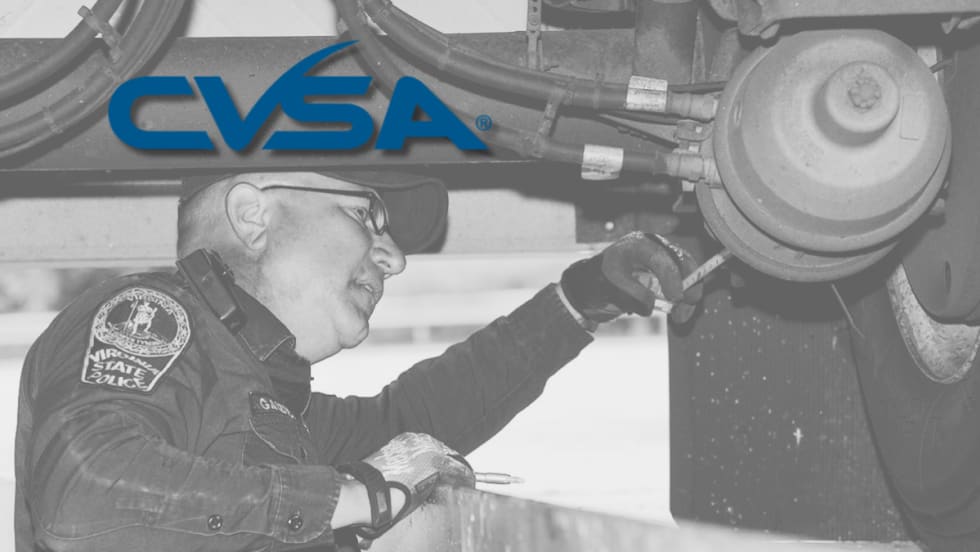
Brake Safety Week to Focus on Drums and Rotors
Commercial vehicle inspectors will be focusing on brakes during CVSA's Brake Safety Week, August 23-29.
Read More →
Trump Administration Looks to Put More Veterans Behind the Wheel
The Freedom Haulers program pulls together existing and expanded programs at several federal agencies to recruit veterans to drive commercial heavy-duty trucks and cut the red tape for them to get a CDL, training, and employment.
Read More →
$604 Million Verdict Tests Broker Liability After Supreme Court Ruling
C.H. Robinson plans to appeal after a Texas jury found it bore the largest share of responsibility for a fatal 2021 crash, in a case that follows the Supreme Court's Montgomery decision allowing negligent hiring claims against freight brokers.
Read More →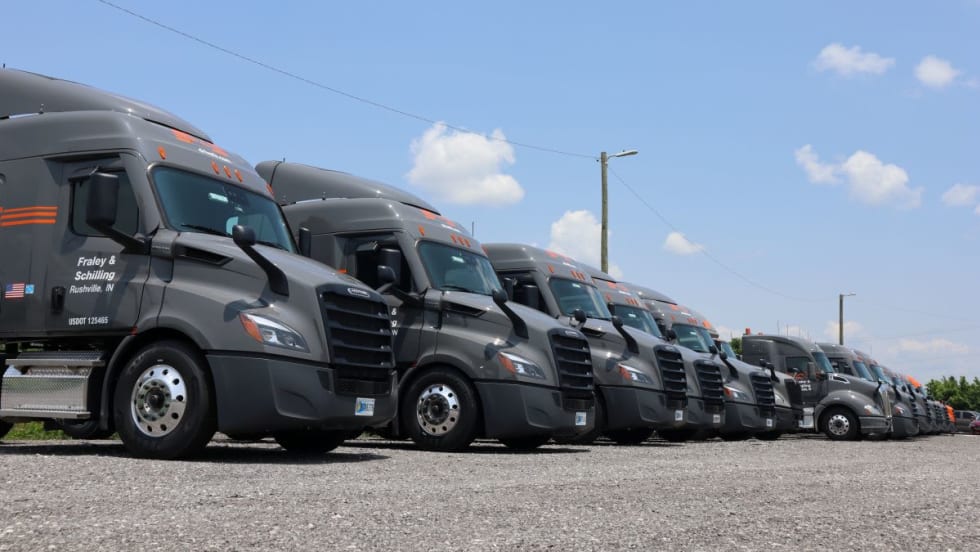
How Fraley & Schilling Improved Logbook Compliance by Over 50%
Fraley & Schilling needed a way to close a compliance workflow gap in its ELD system without adding more work from driver training, reminders, and back-office follow-ups. It found the answer in a custom driver app.
Read More →
Farewell, CDL: Why I'm Giving Up My Commercial Driver's License
After more than 20 years as a CDL holder, HDT Executive Editor Jack Roberts is letting his commercial license expire. Not because he wants to — but because trucking's nuclear verdict crisis has made the risks of public-road test drives too great for editors, manufacturers, and everyone involved.
Read More →
Enhance Fleet Performance with High-Efficiency Auxiliary Power Units
Drive sustainable cost savings while increasing driver comfort during short- and long-haul logistics operations.
Read More →
Wabash Trailers Recalled for Improperly Installed Underride Guards
More than 900 Wabash dry van trailers may not comply with the Federal Motor Vehicle Safety Standard for rear impact guards.
Read More →
Why K&B Trucking Is Embracing AI and Driver Safety Technology
Crunching data and embracing artificial intelligence are key in K&B Trucking's safety efforts, says the company's safety director.
Read More →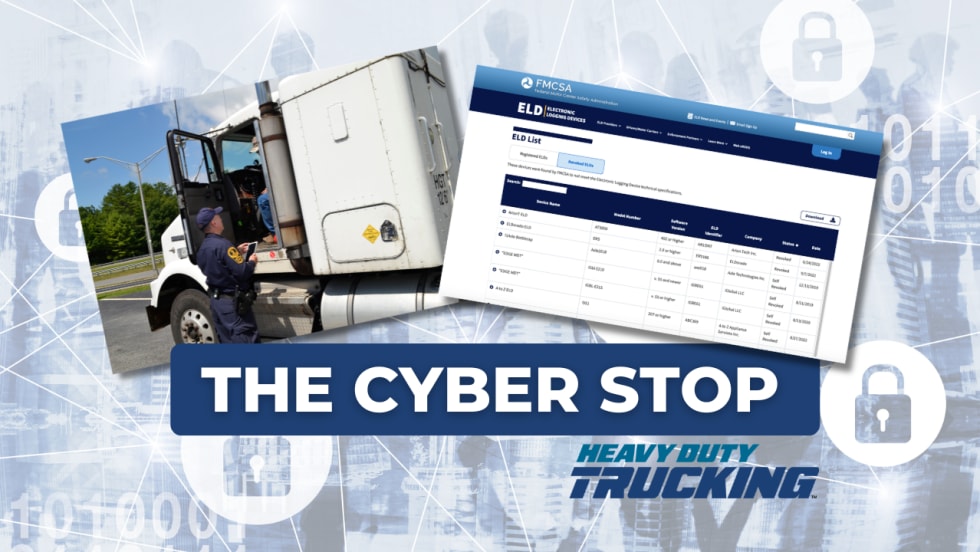
The Hidden Problem Behind FMCSA's ELD Revocations
NMFTA researchers say dozens of registered ELDs may be built on the same software platforms, allowing compliance and security concerns to persist even after individual devices are removed from the market.
Read More →
ATRI Wants Motor Carriers for Driver-Facing Camera Study
In this new study, the American Transportation Research Institute will explore how driver-facing cameras can impact safety and operational metrics in trucking fleets.
Read More →