




Trucking Goes Mainstream at CES
The import of CES, formerly known as the Consumer Electronics Show, is now so massive that even Class 8 truck OEMs want to showcase their vehicles and technologies at the show. Savvy fleet managers would do well to consider why that's so, says Jack Roberts in his Truck Tech blog.

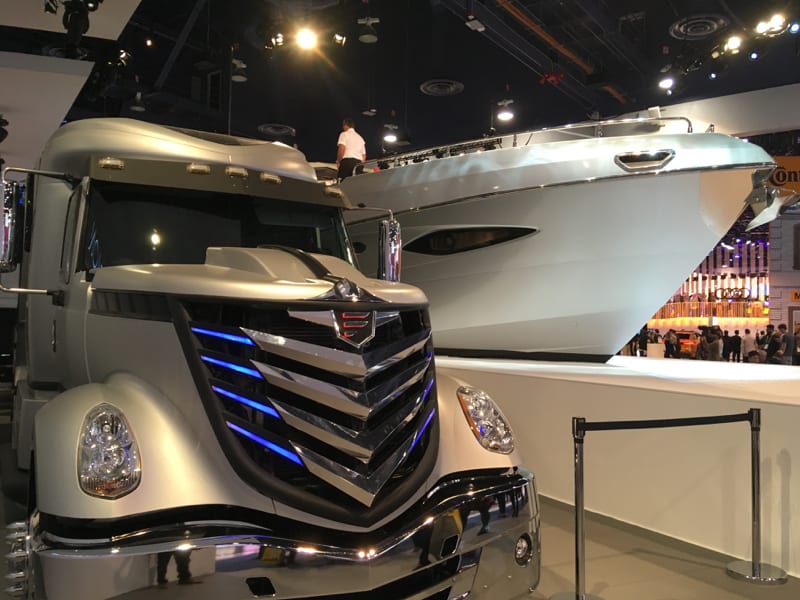
CES is only the beginning -- trucking is about to be in the public eye in a way it hasn't since the 1970s.
Photo: Jim Park
Something interesting is going on at the CES electronics show – something of special interest to fleet managers in North America today. CES started out as the Consumer Electronics Show, a trade show designed to show retailers what was new in the rapidly expanding world of consumer and home electronics systems and products.
As the importance of these products steadily grew, so did the importance of the show – much in the same way auto shows in major cities around the world became Must-Make-A-Splash venues for carmakers looking to showcase new vehicles, features and technologies.
Over time, the show became known as The Place to go and see the Next Big Thing coming down the pike in terms of electronics and new technology. In fact, the show was the very first place many of us became aware of brand-new, insanely advanced gadgets that seemed outrageous at the time, but eventually became everyday items in our lives, as this list of high-profile technologies that took their first public bow at CES shows*:
Videocassette Recorder (VCR), 1970
Laserdisc Player, 1974
Camcorder and Compact Disc Player, 1981
Digital Audio Technology, 1990
Compact Disc - Interactive, 1991
Digital Satellite System (DSS), 1994
Digital Versatile Disk (DVD), 1996
High Definition Television (HDTV), 1998
Hard-disc VCR (PVR), 1999
Satellite Radio, 2000
Microsoft Xbox and Plasma TV, 2001
Home Media Server, 2002
Blu-Ray DVD and HDTV PVR, 2003
HD Radio, 2004
IP TV, 2005
Convergence of content and technology, 2007
OLED TV, 2008
3D HDTV, 2009
Tablets, Netbooks and Android Devices, 2010
Connected TV, Smart Appliances, Android Honeycomb, Ford’s Electric Focus, Motorola Atrix, Microsoft Avatar Kinect, 2011
Ultrabooks, 3D OLED, Android 4.0 Tablets, 2012
Ultra HDTV, Flexible OLED, Driverless Car Technology, 2013
3D Printers, Sensor Technology, Curved UHD, Wearable Technologies, 2014
4K UHD, Virtual Reality, Unmanned Systems, 2015
In the 2000s, with gaming becoming the dominant entertainment industry on the planet, CES adopted a reputation as a bastion of geeks and technophiles. And with the rise of social media, its importance and reputation grew.
Today, even Class 8 truck manufacturers want to show new vehicles and technologies at the show. Kenworth and Peterbilt raised eyebrows last year as the first heavy-duty OEMs to exhibit at the show. And this year, there was even more trucking and logistics technology on display, with several OEMs launching products and announcing news.
Trucking is going mainstream at CES. And savvy fleet managers would do well to consider why that’s so.
Trucking is about to capture the public eye in a way it hasn’t since the 1970s. Back then, the image was free-spirited rouges, winking at the law and hustling hard to make a buck and keep The Man off their backs. But the image forming today – and solidifying in the coming decade – is going to be very different indeed.
Last-mile delivery systems, autonomous vehicles, electric trucks, drones, dog-robots with cartons on their back – you name it, those systems are going to be attracting massive public attention as they come on line and begin to help move goods in this country and around the world.
Anyone still scoffing at advanced technologies in trucking – or hoping that magically all of this “stuff” is going to go away and they can go back to business as it was done a decade or two ago – would do well to look hard at the presence of vehicle OEMs (both large and small) and other associated logistics technology developers at CES.
The news out of CES this year is not only fascinating. It’s also another clear signal that the Tech Genie is out of the bottle and strapped in behind the steering wheel of a commercial vehicle. And she’s not going anywhere.
* It’s interesting to note the date on the introduction of these new technologies and then the amount of time that passes before they enter into mass production and become commonplace in our lives. In most of the cases highlighted here, the time between a product’s introduction and high consumer market penetration seems to be 8 to 10 years.
More Blog Posts

That Time Mack Trucks Threw Me a Birthday Party
Sometimes the best birthdays are the ones you never planned. Mine happened courtesy of one of America's oldest truck manufacturers, and it reminded me why I still love this industry after more than three decades.
Read More →
Trucking Should Prepare for Long Siege of High Fuel Prices
Many in trucking are treating today's fuel-price surge as a temporary disruption. History suggests they may be making a costly mistake.
Read More →
30 Days on the Road: April 2026
There was a glut of good news for the North American trucking industry. HDT's Jack Roberts takes a look back at our major stories from the month.
Read More →
30 Days on the Road: HDT's Monthly News Roundup for March 2026
HDT's Monthly News Roundup takes a look at the major North American trucking industry news stories from March, 2026.
Read More →
The Major Autonomous News No One is Talking About
Both Aurora Innovation and PlusAI have made under-the-radar announcements that signal a massive game-changer for trucking is coming soon.
Read More →
HDT's Monthly News Roundup: February 2026
February was dreary and dull -- as usual. But the North American trucking industry finally showed some signs of life. But how long that will last is anybody's guess.
Read More →
Like it or Not, The New Year is Here!
HDT's Monthly Trucking Newsletter looks back on the top stories from January, 2026.
Read More →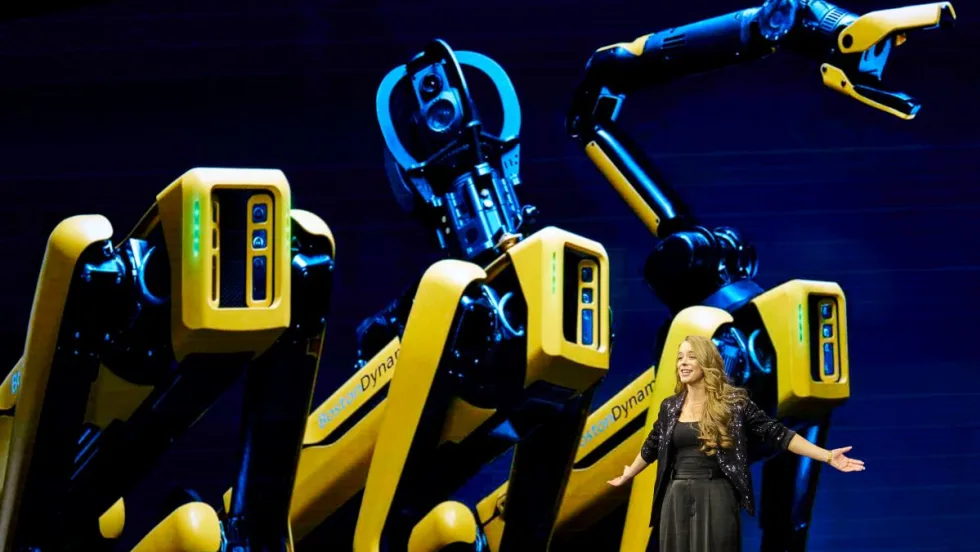
The Robots are Here
After a bruising year for trucking, CES 2026 felt subdued. Until it suddenly offered a glimpse of trucking's next disruption and reminded everyone that technology never waits for the next freight cycle.
Read More →
Robots and Road Rage
Computers never get angry. And that's a good thing on crowded stretch of interstate.
Read More →
For the Love of Old Trucks
Old trucks generally get ignored in classic car circles. Maybe that's changing.
Read More →