




The Long Road To Diversity
NACFE's Rick Mihelic muses on the issue of women in industry, from the days of Rosie the Riveter to today's efforts to make trucking a more diverse industry, in this Guest Voices blog post.
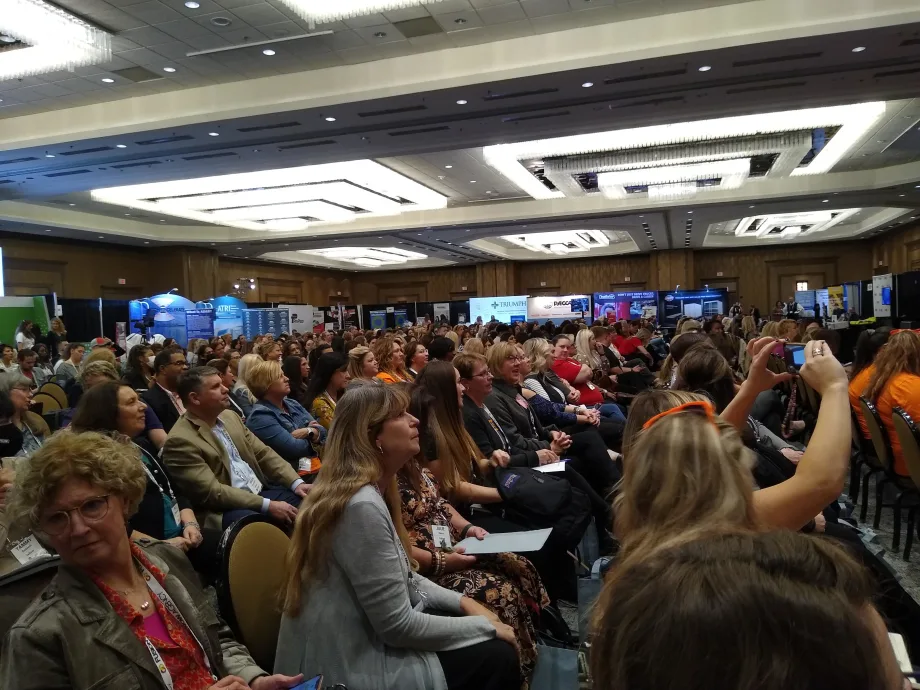
Women in Trucking's 2021 Accelerate conference
Photo: Rick Mihelic
It was 1968, one of America’s most tumultuous years. The Vietnam War, the forever war of my youth, was escalating with the Tet Offensive. Apollo 8 circled the moon and gave us a picture of our small little planet amidst the vastness of space. We lost Bobby Kennedy and Martin Luther King to violence. Race riots were happening in Watts and anti-war riots at the Chicago Democratic Convention. The 1968 Mexico City Summer Olympics saw significant controversy. A marketing person at Phillip Morris launched the cigarette advertising campaign with the slogan “You’ve come a long way, baby” and flooded print and television with it. In retrospect, that was probably more of a wish than a statement of fact in 1968.
I was thinking about that as I rode the Dallas Area Rapid Transit light rail into the first day of the Women in Trucking Accelerate 2021 event earlier this month. The sun was just waking, and I had the train car mostly to myself, so I had time and motivation to explore the internet.
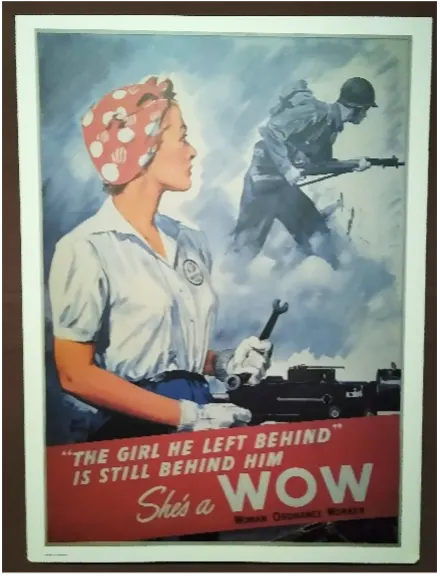
Poster from the Museum of Flight in Seattle
Photo: Rick Mihelic
I dug up a September 1942 Popular Mechanics five-page article titled “Girls in Overalls.” Nearly a year after the tumultuous U.S. full entry into World War II at Pearl Harbor, industry had been aggressively pivoting to producing war products. Car companies and all their suppliers retooled to make tanks, airplanes, machine guns, ammunition, ships, and more. Large numbers of men had entered the military, leaving their jobs in industry. Industry needed manpower, or rather, womanpower to fill the jobs. The article starts with, “Wanted: 6,000,000 women.”
It’s an enlightening read, especially for those of us who did not live through that vastly disruptive period in America’s social structure. Male managers felt desperate to fill vacant jobs and reluctantly admitted the only source was women. It seems almost ridiculous today to read that the men were, if I can abuse a line from the 1942 movie Casablanca, “shocked, shocked, to find women can do anything.” While admitting that, they layered in a great deal of condescension and went out of their way to make sure men knew that the women would not be displacing men, just supplementing them.
Making Progress on Diversity in Trucking
Fast forward to WIT Accelerate 2019, where I had the fortune of participating for NACFE in a panel on how new technologies like automation and electrification may encourage young people to get into trucking. I remember that event as a display of the real progress women have made into this industry. Pre-COVID attendance was approximately 1,100, and I’m pretty sure there were only about 50 men there.
In 2020, WIT management opted for a virtual event, and again NACFE participated. I moderated a panel on how electrification was going to facilitate greater diversity in trucking. The panel included Denise Rondini, a woman who has been in the industry since the days of offensive trucking calendars, and she noted she was typically the only woman in the room at press conferences. Joining her were Emily Conway of PepsiCo Frito-Lay and Jessie Lund of RMI, two accomplished trucking industry forces.
WIT Accelerate 2021 returned to an in-person event attracting approximately 850 women. Ellen Voie, president and tireless force behind Women in Trucking, in her opening remarks reinforced inclusivity by stating the 15% of the WIT membership were men. My estimate is at least 800 of the attendees were women. NACFE’s association associate Lund moderated a key panel on the third day titled Emerging Truck Technology: Who’s Driving This Rig and How Is It Powered?
Diversity is more than gender, and WIT Accelerate also encompasses an impressive display of ethnicities and ages. I have made a point of attending diversity sessions at other major industry events and can see some progress at those. The American Trucking Associations Management Conference and Exhibition in Nashville a couple of weeks earlier actively demonstrated inclusivity and diversity on stage in multiple panels and award sessions. ACT Expo and other events actively hold panels on diversity.
It is encouraging for an industry so desperate for new blood. The shortage of talented drivers and technicians is in the news daily. Those are likely only the visible tip of the iceberg, as there is a need for talent at all levels of the trucking industry. Unlike in 1942, we should not be shocked to find we have a huge capable untapped resource in women. We just need to recognize the opportunity and double down on accelerating diversity.
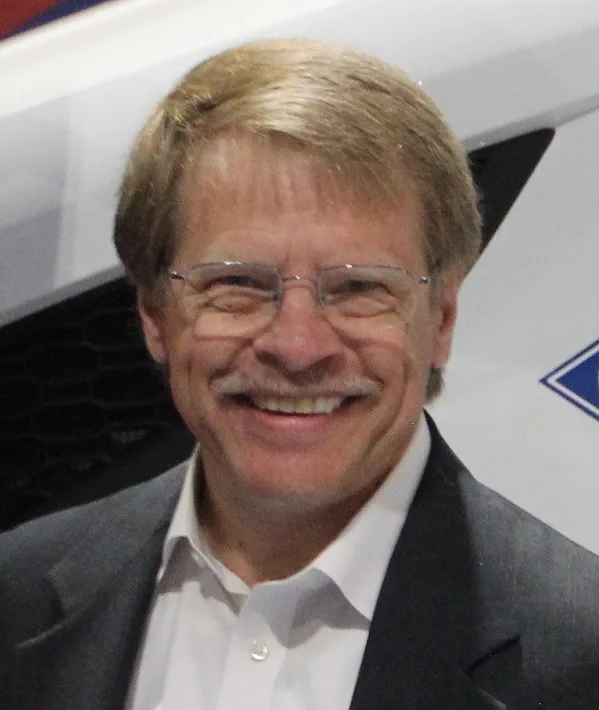
Rick Mihelic
Photo: Schaller LLC
About the Author: Rick Mihelic is director of emerging technologies for the North American Council for Freight Efficiency. He has authored four Guidance Reports on electric and alternative fuel medium- and heavy-duty trucks and several Confidence Reports. President of Mihelic Vehicle Consulting, he has 38 years’ experience in the trucking and aerospace industries, including 20 years in commercial vehicle development for Paccar and Peterbilt.
More Blog Posts

Fragmented AI: Why Trucking Must Take Security More Seriously
As AI becomes embedded throughout transportation operations, the result can be a tech environment that looks more advanced on paper, but isn't necessarily more efficient, secure, or manageable in practice.
Read More →
We've Been Thinking About Truck Uptime Backward
The truck repair operations that minimize downtime aren’t necessarily the ones with the fastest technicians. They’re the ones who have the part.
Read More →
The Real Cost of Trailer Tires: Why It's Not Just a Maintenance Problem Anymore
Tire wear isn't random. The trucking fleet with a tire program that knows which trailers, positions, and routes are punishing tires the hardest is the one that buys fewer of them.
Read More →
A New Argument for Electrification: Managing Fuel Volatility
As oil prices surge amid Middle East conflict and a blocked Strait of Hormuz, fleets are feeling the squeeze in real time. In this guest column, Geotab's Neil Cawse argues electrification is no longer just about sustainability or ROI — it’s about insulating operations from what he calls a "volatility tax."
Read More →
The Time is Now to Expand Longer Combination Vehicles [Opinion]
The reauthorization of the federal highway bill offers a rare chance to advance double 53-foot LCVs. Industry leaders shouldn’t miss it, says a longtime trailer industry professional in this Guest Voices blog post.
Read More →
The Hidden Costs of 'Free' Smart Trailer Tech Installations [Commentary]
Free installation of smart trailer technologies may sound good on paper, but you could end up paying down the road.
Read More →
Protecting Small Trucking Fleets from Scammers: Lessons from the Insurance Frontlines
Hijacked DOT numbers, fake invoices, and high-tech cargo theft are on the rise. A veteran trucking insurance broker shares how to spot trouble early — and why a trusted advisor may be your strongest defense.
Read More →
Tire Retreading Makes Sense for Trucking Fleets. H.R. 3401 Could Make It Even Smarter.
Retreaded tires offer trucking fleets cost savings, sustainability gains, and supply chain security. New legislation, H.R. 3401, could make retreads even more attractive and support U.S. jobs.
Read More →
Hydrogen Fuel Cell Trucks Are Ready for the Long Haul. Now Policymakers Must Act
Accelerating the growth of hydrogen-fuel-cell-truck adoption would help make zero-emission trucking is not only possible, but practical and profitable, argues the Center for Transportation and the Environment in this Guest Voices blog.
Read More →
A New Definition for Long-Haul Heavy-Duty Trucking
Understanding the various routes that make up long haul is important as we move through trucking’s Messy Middle — a time when fleets have a variety of powertrain solutions to choose from, writes NACFE's Mike Roeth.
Read More →