




It works! The saga of a motorcycle engine rebuild
There's a special satisfaction one gets from digging deep into the innards of a machine, dismantling it, reassembling it, and eventually getting it running again
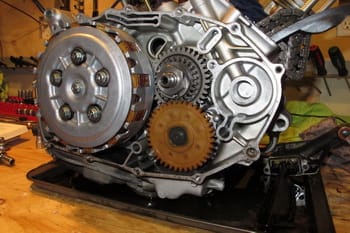
There's a special satisfaction one gets from digging deep into the innards of a machine, dismantling it, reassembling it, and eventually getting it running again.
This installment is as much a tribute to the folks in coveralls who keep our mechanical world on kilter, as it is a tale of personal achievement -- modest though it may be.
I mentioned in this space a while back that I have a 29-year-old motorcycle. Last year, fearing the dwindling availability of parts for the thing (it was manufactured for only one calendar year), I began searching for a "parts-bike" as a source of vitals for my ride. My bike is in fine condition and shows no signs of letting me down, but it wouldn't take much to put it out of commission.
As it worked out, I found two parts bikes of similar vintage. One was pretty bedraggled and rough around the edges, while the other was in rather good condition, save for a seized engine. Everything else worked; lights, starter, brakes, etc. In addition and as far as I could determine, the carburetor and ignition system probably worked right up until the moment the engine stopped going round and round.
Sensing a quick (ha!) thousand dollar profit from the sale of a working motorcycle, I decided to have a go at rebuilding the seized engine. It would have been easier in the long run to have dropped the engine from the rattier bike into the better bike, but the serial numbers would not have matched. I had a shop manual for the bike and good selection of tools (but not quite everything I needed) and space in my garage for such a project, so away I went.
Digging into the Machine
I decided to first tear down the seized engine to see what had happened to it, and if it was in fact rebuildable. The potential for calamity is almost endless even in a relatively simple motorcycle engine, but in this case, it was one connecting rod seized on the crankshaft. The other was fine. There was no other damage that I could determine from various measurements and comparisons, the cylinders were in good shape, and the rest of the engine looked very good for its age.
My plan was to switch the crankshaft and connecting rods from the rattier engine into the better engine, reusing the cylinders and pistons from the better engine. Following the step-by-step instructions in the shop manual, I reamed and honed and measured and scraped almost three decades' worth accumulated carbon from the collection of parts on my workbench, and eventually reassembled the better engine. I ordered a few gasket sets from online suppliers and was surprised to get genuine Yamaha parts so many years after the bike went out of production.
I polished up the aluminum side covers and cleaned all the gunk from the cylinder fins. I even braved a carburetor overhaul. Everything that came out of the engine went back in, and it was torqued to spec. Having nothing left over after an engine rebuild is a good thing.
The manual provided the mechanical specs for certain parts, and everything I had was in spec. The hardest part was trying to determine visually what was good enough to reuse and what should be replaced. As it turned out, I replaced nothing. It was all in remarkably good condition.
What was supposed to be a winter project stretched into a spring and summer project, but the day eventually came when I successfully wrestled the engine back into the frame, got it all wired up and was ready to push the starter button.
The Moment of Truth
I first turned it over for about 30 seconds to get some oil up into the cylinder heads and verified that I had a spark at each of the spark plugs. The only remaining mystery was the carbs. I had overhauled them, so that put them into questionable territory. I had a can of starting fluid standing by just to help get the combustion process started.
As it turned out, I didn't need it. It fired up after about 5 seconds of cranking. Nobody was more surprised than I was.
It had been a painfully long time since I last had grease under my fingernails, and it felt good to have that slight smell of motor oil on my skin. I was good at McGivering stuff when I had my trucks, but I hadn't dug into the innards of an engine since I was in high school. Tearing down and rebuilding that engine provided a real sense of accomplishment.
For those who do that kind of work every day on much more complex machines than my humble motorcycle engine, this wouldn't merit a passing thought. But I'm not ashamed to say I admire mechanical aptitude. Whether it's a brake job or an engine overhaul, there are those that get the job done, and those that make an art form of it.
I'm clearly a long way from that latter category, but I've already got two more project bikes under tarps beside the house. They'll move into the garage just as soon as I sell my recently rebuilt Virago.
More Blog Posts

Truck Driver’s Dilemma: Click, Twist or Swipe?
Whether 'tis safer to twist a knob or press a button than to swipe right then swipe down to scan the menu for your favorite playlist...? That's a question for the age.
Read More →
Even the Swedes are Doing Turnpike Doubles
The government doesn't seem to mind asking trucking to invest a trillion dollars toward a greener future. But they won't let us pull turnpike doubles making 30% less CO2. Which is insanity, says HDT's Jim Park in his On the Road blog.
Read More →
Is Your Recruiting Message on Point?
How does your recruiting and retention messaging compare with the reality at your company? Would your drivers agree with your own assessment? Jim Park explores those questions in his On the Road blog.
Read More →
You Can’t Blame Trucks for the Highland Rest Area Bus Crash [Commentary]
The causes of the Highland Park rest area crash go far beyond the parking shortage and the need for flexibility in hours of service — but those issues must be addressed, too, says Jim Park in his On the Road blog.
Read More →
Electric Trucks Seem Far Down the Road for Fleets Dealing with Today's Maintenance Challenges
While the push for zero-emissions trucks rings clear for regulators, advocates and even a small crowd of suppliers, ZEVs seem to have run out of steam down on Main Street, says HDT Equipment Editor Jim Park in his latest On the Road blog.
Read More →
Guinea Pigs 2.0: Can Trucking Comply with a Near Impossible NOx Reduction?
The EPA’s Final Rule on NOx reduction will be incredibly difficult if not nearly impossible for trucking to comply with. Rather than endure another round of equipment failures, downtime and loss of customer faith, industry needs to rally ‘round the OEMs and seek a solution to this wrong-headed rule.
Read More →
Is Downspeeding Bad for Brakes?
Is there a connection between downsped drivetrains and increased brake wear? There shouldn’t be. Downsped fleets seeing increased brake wear are probably not letting the technology do its job, explains HDT Equipment Editor Jim Park.
Read More →
Dig for the Gold Behind CVSA’s Out-of-Service Numbers
Published out-of-service rates don’t mean much until you dig into the why. With brake problems consistently placing in two of the top five spots, maybe we’re missing something in brake maintenance, writes HDT Equipment Editor Jim Park.
Read More →
Things That Go Poof in the Night
We’re in electric-truck heydays now. But like another famous heyday, the 1849 California Gold Rush, there will be a lot fewer winners than losers, says Jim Park in his On the Road blog.
Read More →
Do Your Truck Drivers Know How to Descend a Mountain Grade?
Where do drivers learn mountain-driving techniques? It's sure not from the typical state CDL manual. Jim Park shares what he learned following a deadly 2019 Colorado crash.
Read More →