




Yokohama's Rick Phillips Talks Commercial Tire Trends
When it comes to commercial tire sales, 2012 could not have been any more contrasting from 2011, says Rick Phillips, Yokohama Tire's director of commercial sales. Phillips, a 35-year tire industry veteran, discusses what the challenges were within the commercial tire industry in 2012 and how they will affect truck owners in 2013
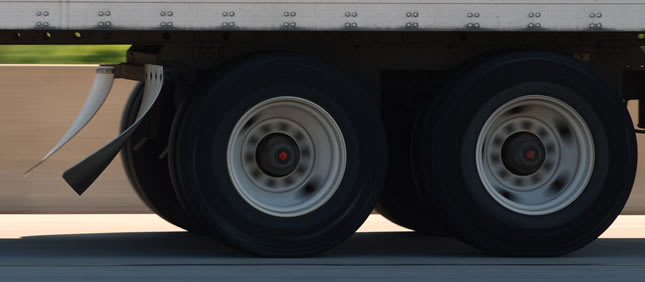
When it comes to commercial tire sales, 2012 could not have been any more contrasting from 2011, says Rick Phillips, Yokohama Tire's director of commercial sales.
Phillips, a 35-year tire industry veteran, discusses what the challenges were within the commercial tire industry in 2012 and how they will affect truck owners in 2013.
Question: How would you sum up 2012 for the commercial tire industry? Was there anything that surprised you?
Phillips: 2012 was very surprising. In the 35 years Ive been in the industry, Ive never seen two years back to back that were as different as 2011 and 2012. The unpredicted swing in supply and demand, and also the price of raw materials, made 2012 somewhat of a challenging year.
Question: What were the main differences between 2011 and 12?
Phillips: In 2011, we were coming out of the recession and had a bigger spike in recovery than expected. There was a lot of pent-up demand and very little supply -- and the industry wasnt ready for it. This created a lot of product shortages in the industry.
On top of that, the prices of raw materials increased dramatically. In 2012, it all switched: We saw demand slow down considerably, which caused inventories to build, and the price of raw materials reversed course and decreased.
Question: Youre a big advocate of fleets maintaining the proper air pressure in their tires. Why is that important and how are you relaying the message?
Phillips: The single most effective piece of maintenance relating to tires is just keeping them properly inflated. This year, we developed a web-based air pressure calculator tool that calculates the correct inflation pressure by simply entering the tire information and load weights by axle. Were trying to be as creative as we can to come up with more solutions to help fleets lower their tire costs. Having properly-inflated tires is critical to help manage fuel consumption and ensure the wearability of the tire and the sustainability of the casing.
Question: What do you foresee for the commercial tire industry in 2013?
Phillips: We see the overall commercial tire demand increasing slightly in 2013. There were a lot of inventory corrections industry-wide in 2012 so we should see more of a balance of supply and demand than there has been in the past couple of years. Then in 2014-15 we think there is a good chance tire demand could pick up again..significantly.
As for the economy, there are a few things to worry about. First and foremost is the fiscal cliff. Depending on what happens, we could be fine or we could enter a deeper recession. Our projections are based on avoiding the cliff. At best there is still a lot of uncertainty. There are also issues with Europe and China, which could affect the U.S. economy.
Hurricane Sandy has had an effect on the transportation industry. Weve seen estimates that it initially cost the trucking industry $140 million a day in downtime, and that 20 percent of the industry was not hauling freight due to the aftermath of the storm. But long-term, the impact could be good for the trucking industry because theyre projecting around $100 billion to rebuild and trucking/transportation could be as much as 10% to 12% of that total. That would be a big shot in the arm for the trucking industry.
Question: It sounds like the economy is recovering and more goods are being moved. Will that create more demand for commercial tires?
Phillips: Freight and GDP are pretty tightly tied together. When people buy things, those things get moved by truck at some point. Right now, GDP growth is not great but its enough to challenge the capacity. Theres a good bit of money on the sidelines but still a lot of uncertainty so spending is very cautious. However, we are seeing some positive signs that things could be turning around. The housing industry is one of those. Hopefully, we will continue to see more good signs than bad.
More Equipment

Tesla Wants a Self-Driving Semi. Are Cameras Enough?
Could Tesla’s camera-only autonomous driving technology work on an 80,000-pound Semi? In this commentary, HDT's Deborah Lockridge takes a look at Tesla, Cybercab, and how autonomous trucks see the road.
Read More →
Kodiak: Driverless Long-Haul Truck Launch on Track for 2026
Kodiak AI says its driverless long-haul safety case is 93% complete and it remains on track to begin commercial operations by year-end 2026.
Read More →
What DOT’s Automated Vehicle Strategy Means for Trucking
The U.S. Department of Transportation issued a new automated-vehicle strategy that outlines plans for driverless-truck regulations, cross-state freight corridors, and federal safety standards.
Read More →
East Coast Port Launches $45M Electric Truck Push
The Port Authority of New York and New Jersey announced millions in incentives for zero-emission drayage trucks, yard tractors, and new charging hubs near the port.
Read More →
PlusAI Going Public to Fund Autonomous Truck Launch
A SPAC deal could provide PlusAI with up to $300 million as it works toward a 2027 commercial launch of factory-built autonomous trucks.
Read More →
NHTSA Moves to Rewrite Truck Fuel-Economy Rules
The National Highway Traffic Safety Administration says it lacks authority to regulate medium- and heavy-duty truck engines separately from complete vehicles, but the existing standards have not yet been eliminated.
Read More →
Detroit Opens Orders for EPA 2027 Engines
Detroit isn’t starting from scratch to meet EPA 2027 diesel emissions standards. Its Gen 6 DD13 and DD15 engines keep much of today’s platform while updating the fuel and aftertreatment systems.
Read More →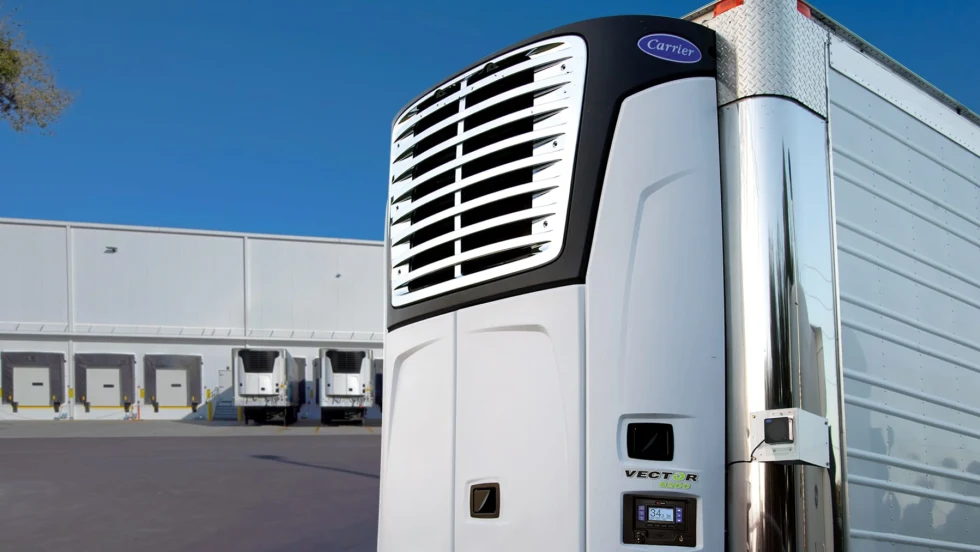
Carrier Transicold Adds All-Electric TRU for Stationary Cold Storage
Carrier Transicold’s new Vector 8200 all-electric transport refrigeration unit gives fleets a diesel-free option for temporary refrigerated and frozen trailer storage.
Read More →
A Closer Look at Kenworth’s Electric T880E Vocational Truck [Video]
Learn more about Kenworth's T880E battery-electric vocational truck at the Paccar Technical Center, including its range, applications, upfitting considerations, and PTO options, in this HDT Spotlight video.
Read More →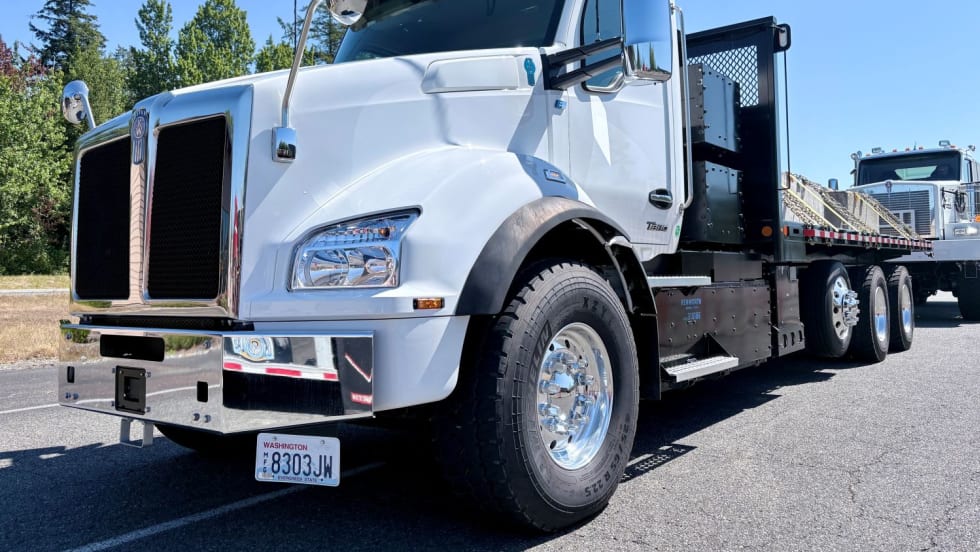
Kenworth T880E Brings EV Power to Vocational Trucks
A closer look at the Kenworth T880E’s range, charging, powertrain and upfit options — and where fleets are showing the most interest.
Read More →