




Upcoming Changes for CDL Holders Already Causing Some Problems
Regulations for commercial motor vehicle drivers are changing in regard to medical cards. The rules remain the same as to which drivers need a federal medical certificate (Fed Med card) while operating a commercial vehicle, but drivers will now have to provide an up-to-date copy of this card to the DMV when they obtain it

Regulations for commercial motor vehicle drivers are changing in regard to medical cards. The rules remain the same as to which drivers need a federal medical certificate (Fed Med card) while operating a commercial vehicle, but drivers will now have to provide an up-to-date copy of this card to the DMV when they obtain it.
As part of this process, all CDL holders will have to self-certify the type of classification in which they operate as well (which will determine their requirements for filing their Fed Med card with the state) by 2014, and some may have to do so earlier than that.
Currently, all trucking companies are responsible for tracking the expiration of medical cards for their drivers. If a Fed Med card expires, the company usually reminds the driver to get a medical exam and get a new card.
By January 2014, the states will be required to take this over and centralize tracking of which drivers are maintaining a valid Fed Med card. If the state's DMV doesn't have a card on file for a driver, they'll suspend their license. Most states are starting this process now to ensure compliance by 2014, beginning with those who are receiving Fed Med cards and CDLs for the first time or renewing them.
When drivers will have to comply with the new requirements
In all states, drivers who are required to file a Fed Med card will have to comply by January 30, 2014. In most states you are now required to show your Fed Med card when renewing a CDL license for interstate commerce. If you renew your CDL but don't show your medical card, you may be restricted to intrastate only as a result.
A number of our clients have reported that their drivers have visited the DMV, renewed their license without showing the Fed Med card (since they haven't had to in the past), and have later realized the license they got was restricted to intrastate commerce.
From now, on any time drivers get a new medical card (good for two years) they will need to notify the DMV when it expires. For specifics on requirements in your state, verify with the DMV.
A new step in the process: reporting vehicle classifications
By January 30, 2014, all CDL holders will have to self-certify their type of vehicle operation, which will determine if they need to submit a Fed Med Card to the DMV or not.
The new regulations do not change who is required to maintain a Fed Med card, but they do require drivers to report their exemption if they have one. CDL holders who do not file a Fed Med card with the DMV or report an exemption will be assumed to be non-compliant, and their licenses will be suspended January 30, 2014.
Don Jerrell is associate VP at HNI, an insurance, benefits and consulting firm. This is reprinted with permission from the HNI blog.
More Safety & Compliance
FMCSA: Stop Using These 15 Electronic Logging Devices
Fleets and drivers must replace the revoked ELDs with ones on the FMCSA's registered device list of electronic logging devices.
Read More →
How HDT’s 2026 Truck Fleet Innovators Are Rethinking Fleet Operations
Meet five trucking leaders who are challenging assumptions, solving operational problems, and putting innovative ideas to work.
Read More →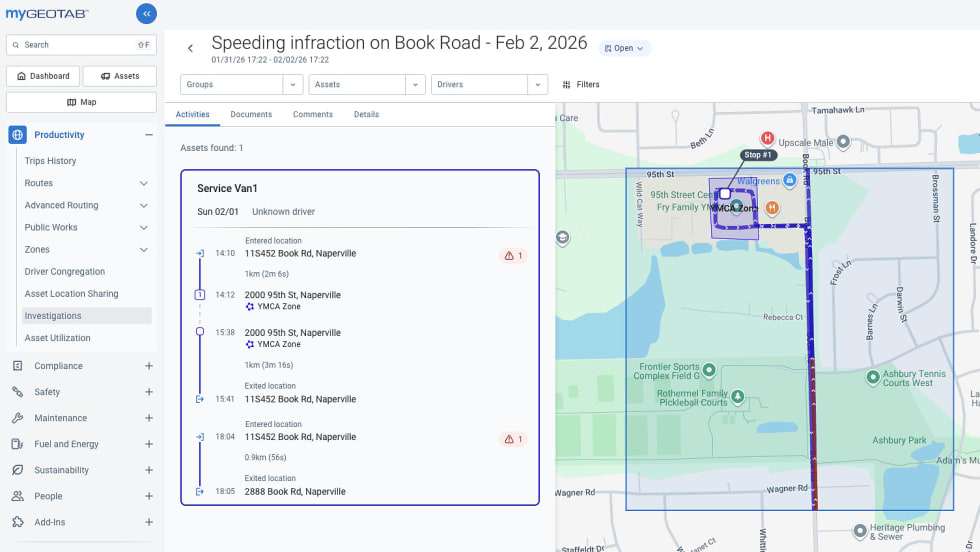
Geotab Launches Tool to Speed Fleet Incident Investigations
Geotab Investigations brings telematics data, video, photos, reports and other evidence into one case file to help fleets determine what happened and resolve incidents faster.
Read More →
FMCSA Moves to Codify English Language Requirements for Commercial Drivers
By changing regulations on English-language proficiency requirements for commercial drivers, rather than relying on a guidance memo, the FMCSA said future administrations won't be able to walk back the Trump administration's stricter enforcement with just a memo.
Read More →
Trump Administration Expands Homeland Security's Role in Trucking Enforcement
The administration's latest trucking crackdown goes beyond roadside inspections, expanding Homeland Security's role in commercial vehicle enforcement and investigations involving CDL training schools.
Read More →
Paccar Recalls 2027 Trucks Built This Summer for Possible Electrical Problem
The nearly 6,000 Kenworth and Peterbilt trucks in the recall could potentially lose engine power, among other things.
Read More →
Brake Safety Week to Focus on Drums and Rotors
Commercial vehicle inspectors will be focusing on brakes during CVSA's Brake Safety Week, August 23-29.
Read More →
Trump Administration Looks to Put More Veterans Behind the Wheel
The Freedom Haulers program pulls together existing and expanded programs at several federal agencies to recruit veterans to drive commercial heavy-duty trucks and cut the red tape for them to get a CDL, training, and employment.
Read More →
$604 Million Verdict Tests Broker Liability After Supreme Court Ruling
C.H. Robinson plans to appeal after a Texas jury found it bore the largest share of responsibility for a fatal 2021 crash, in a case that follows the Supreme Court's Montgomery decision allowing negligent hiring claims against freight brokers.
Read More →
How Fraley & Schilling Improved Logbook Compliance by Over 50%
Fraley & Schilling needed a way to close a compliance workflow gap in its ELD system without adding more work from driver training, reminders, and back-office follow-ups. It found the answer in a custom driver app.
Read More →