





Learn more – Q&A: Autonomous Truck Developer TuSimple Makes Its Case
TuSimple Plans to Offer Fully Self-Driving Trucks Within 5 Years
How one company is using artificial intelligence to develop "depot-to-depot" autonomous trucks.
October 25, 2019
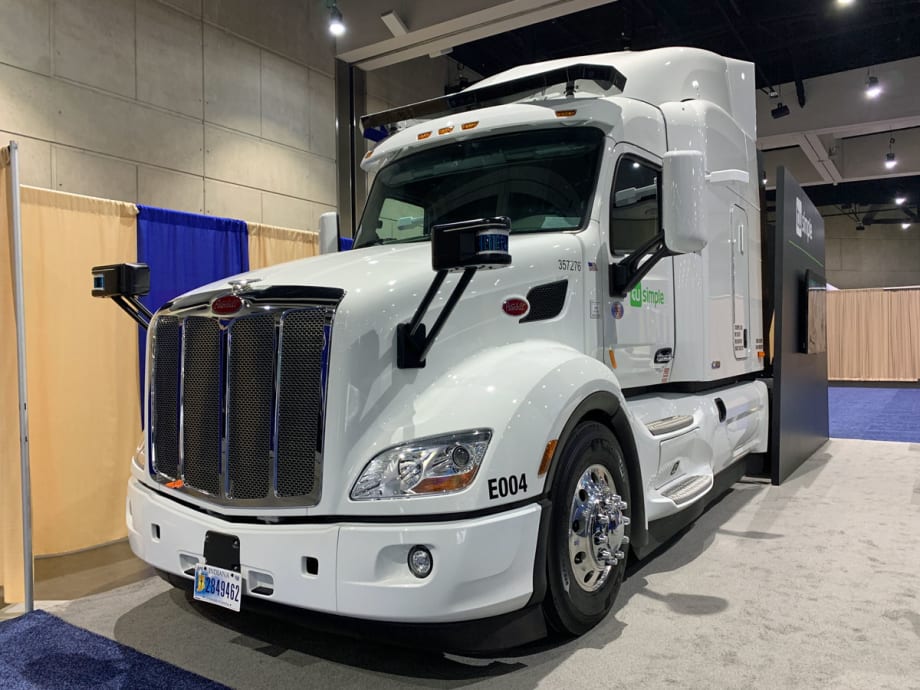
TuSimple showed off its sixth-generation self-driving truck at the American Trucking Associations' annual Management Conference and Exhibition.
Photo by Deborah Lockridge
5 min to read
TuSimple is committed to fielding a truly driverless commercial truck, and it has nearly $300 million in funding and a minority stake from UPS to help it get there.
“We’re doing a full depot-to-depot solution,” Chief Product Officer Chuck Price explained in an interview. “We’re operating not just on highways, but on surface streets and into the driveway of the shippers and receivers without having to have any human intervention. So we don’t need this transfer hub model; we don’t believe that scales. This more seamlessly integrates with the fleets that use it. They don’t have to change their behavior; they just have a truck with a virtual driver in it.”
The global autonomous truck company recently closed its fourth round of funding, giving it $298 million to date, and already has reached “unicorn” status at more than $1 billion in valuation.
Founded in 2015 and headquartered in San Diego, TuSimple operates self-driving trucks out of Tucson, Arizona, and also has operations in China, “the top two trucking regions in the world,” Price said.
TuSimple is developing a commercial-ready Level 4 fully autonomous driving solution. What makes it different from others in the field, Price said, is computer vision and artificial intelligence: “Our system learns how to drive.”
While its founders come from the tech world, TuSimple is working with both Paccar and Navistar and has a recently announced minority stake from UPS, so there’s real-world trucking and logistics knowledge at play here as well.
Co-founder, President and CTO Xiaodi Hou has a doctorate in computation and neural systems from the California Institute of Technology and is “one of the industry’s leaders in computer vision and AI,” Price said. “We developed a kind of system that’s different from what most have been doing.”
How TuSimple’s Self-Driving Truck Works
Many other autonomous vehicle systems, Price explained, are engineered on “rule-based” systems and rely on Lidar. While TuSimple uses Lidar as a secondary system, its primary method of sensing the conditions around the truck are camera-based.
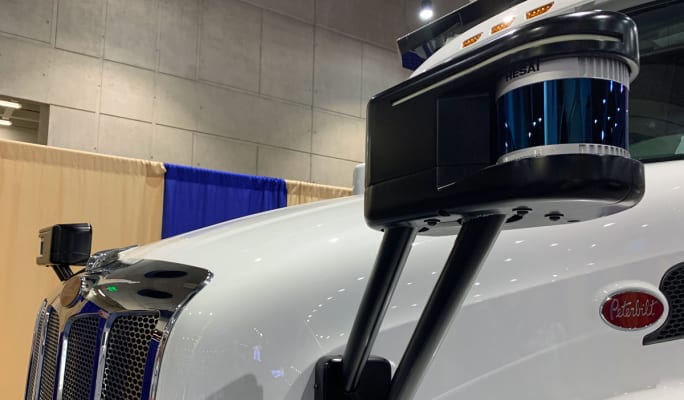
This prototype lidar pod also has lights to alert motorists and first responders whether the truck is in self-driving mode.
Photo by Deborah Lockridge
Traditional systems, he said, code a basic driving model telling the truck how it’s supposed to drive. Each potential situation that may be out of the routine has to be programmed into the system. “It’s all about building up a database of corner cases,” he said. “That’s brittle, because you may not have the right corner case, and you never know when you’re done with getting the corner cases.”
(A corner case involves a problem or situation that occurs outside of normal operating parameters.)
TuSimple, he said, is building a system using a form of artificial intelligence. “We basically model all of the possible futures from an observation of the world. We take an observation of the world, a snapshot, and we create from that all the permutations of where the objects are likely to go. We search through that set of futures to find out the next safest move to make. That is then filtered through the SMITH system rules, and through legal constraints such as you can’t cross the yellow line, and that results in one or a few choices for our next move. It’s also constrained by vehicle dynamics, like you can’t take a hard right turn at 60 mph.”
And all that happens 20 times a second.

This pod above the driver's side door offers a rear view down the side of the rig.
Photo by Deborah Lockridge
“We’re doing that very quickly all the time based on what we’re seeing around us. It results in a much more natural driving experience that doesn’t have to deal with corner cases.”
As an example, he cited adaptive cruise control. Traditional ACC is based solely on maintaining the following distance between your vehicle and the one in front of it. “With our adaptive cruise control, our system sees multiple vehicles ahead. It sees the one way ahead that hit the brakes, and slows down even before the one in front of us slows down.”
Dealing with Weather
One challenge for self-driving technologies has been dealing with challenging weather conditions, but Price said TuSimple’s technology can operate in the rain.
“Because we’re a camera-based system and our AI is extremely powerful, we trained the system to see through the distortion of the drops on the lens and such,” Price said.
When asked about snow, he said, “We’re not there yet.” However, he noted that they did drive the truck in a snowstorm In Tucson last year.
“It handled fine on surface streets; we have a mapped route on surface streets. It worked fine until the cameras got clogged up with snow. We consider that outside our operational domain.” But it’s on the road map, he said.
OTR vs. Drayage
In China, TuSimple is focusing on self-driving trucks in port operations and drayage, where in the U.S. it’s more focused on over-the-road trucking operations. But what its developers learn in one operation can be applied in the other.
“A lot of the technology we developed [in China] for operating inside a port involves operation without GPS,” Price said. “Because of all the heavy metal in a port, you can’t reliably pick up GPS, so we had to develop localization technology that allows that to work without GPS – which applies as well to OTR, because you can lose GPS as well.”
When will you be able to buy a TuSimple self-driving truck?
Price said TuSimple is teaming up with a shipper partner and plans in 2021 to be running a demonstration project with real-world, revenue-hauling loads with the driver completely out of the vehicle, on the shipper’s lanes and schedule.
“We’ll be taking pre orders after that point, and we expect the first factory-built vehicles in this technology in calendar year 2023 for the 2024 model year.)
Subscribe to Our Newsletter
More Equipment
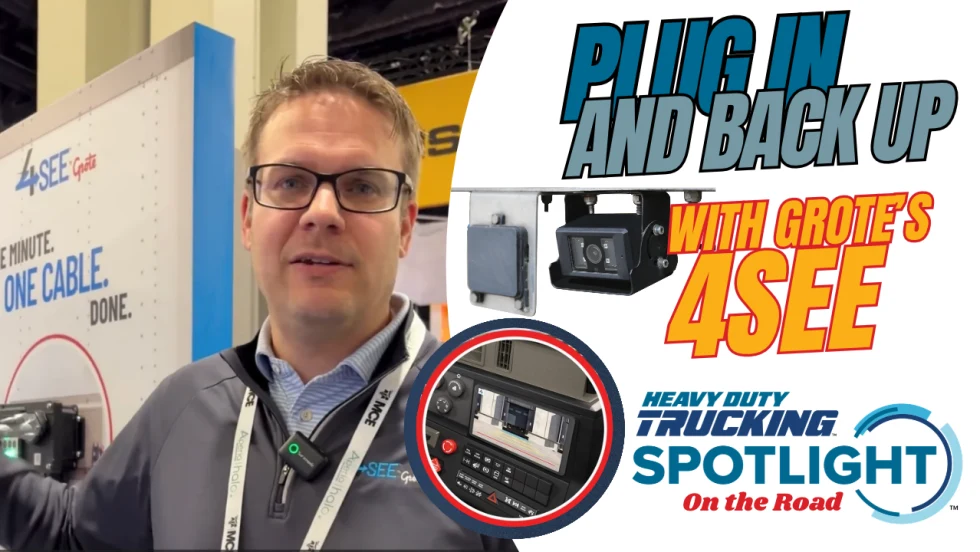
More Trailer Data Through the Same Seven-Way [Video]
Can trucking’s standard seven-way connector handle more cameras and trailer data? Grote’s Adam Slade shows HDT how the company is using new technology with its 4See trailer system, not only to add a new backup camera but also to expand other capabilities — without adding another connection.
Read More →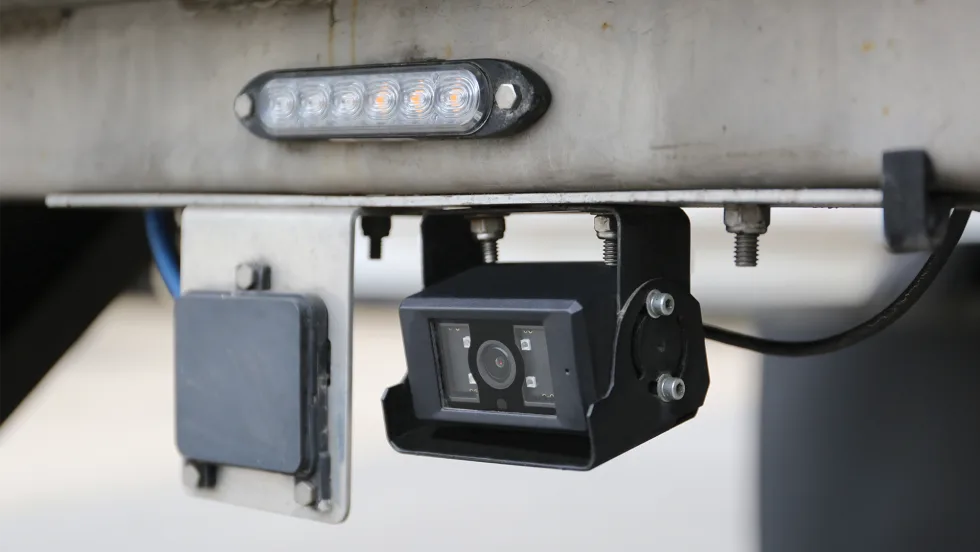
Grote: More Cameras, Same Seven-Way Connector
The next-generation 4See rear-view backup camera from Grote uses the standard seven-way connector and supports additional cameras and other trailer data.
Read More →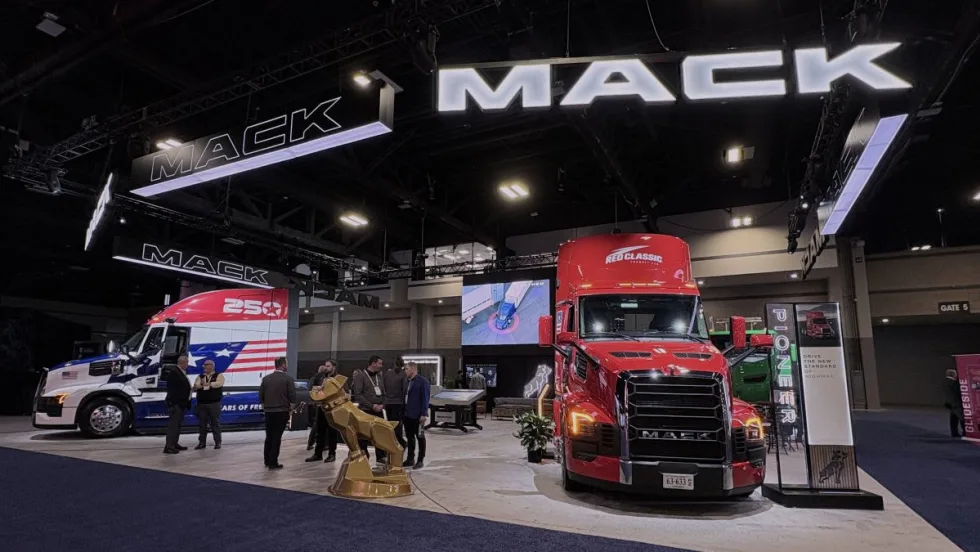
Trucks at ATA's 2026 MC&E in Charlotte, North Carolina [Photos]
From rigs decked out in patriotic America's 250 paint schemes to autonomous trucks and more, check out these photos from ATA's 2026 Management Conference & Exhibition.
Read More →
Help HDT Find Trucking’s Top Products
Have you come across a new product that could make a difference for trucking fleets? Nominate it for HDT’s 2027 Top 20 Products Awards by November 9.
Read More →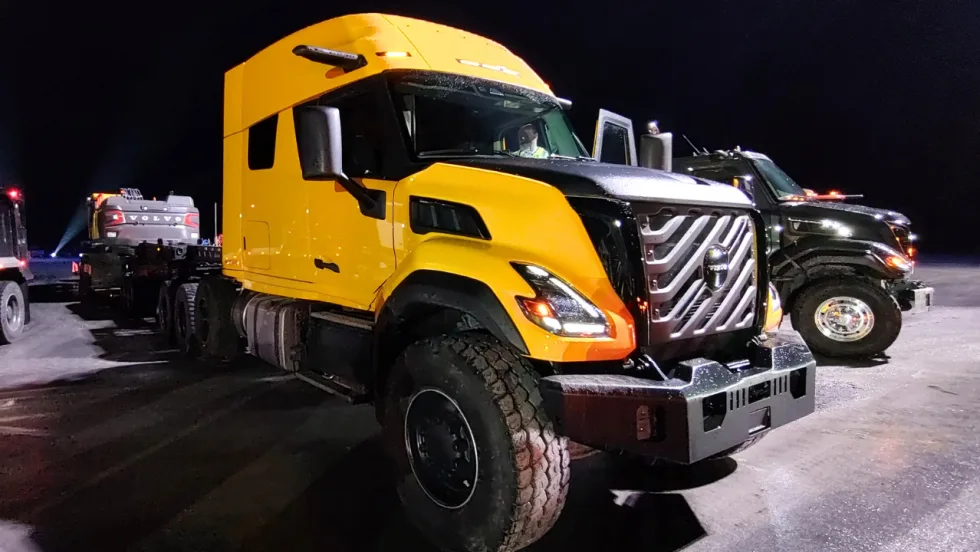
Volvo Unveils New VNX Heavy-Haul and Vocational Truck
Volvo Trucks has launched the VNX, a new vocational truck also available as a tractor in day cab and two sleeper configurations, with one heavy-haul model. The Volvo VNX is powered by Volvo's D13 platform, which delivers up to 540 horsepower and 1,950 pound-feet of torque and is EPA 2027-compliant.
Read More →
How GP Transco Cuts Trucking Fuel Costs, a Tenth of a Gallon at a Time
What’s another tenth of a mile per gallon worth? GP Transco shares how equipment upgrades and driver coaching turn small gains into meaningful fuel savings.
Read More →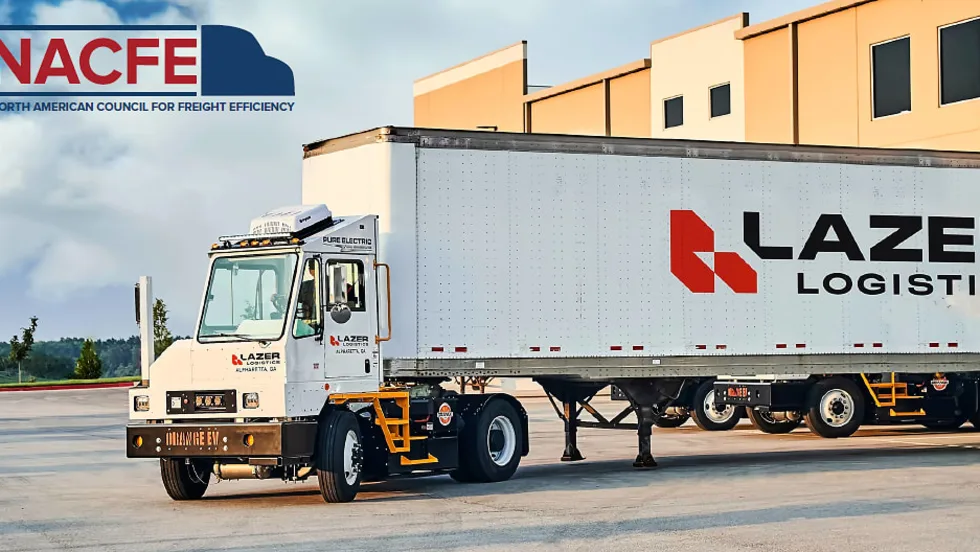
Electric Yard Tractors Move Beyond Pilots
Operating-cost savings have overtaken sustainability goals as the leading reason surveyed fleets are adopting battery-electric terminal tractors, according to new NACFE research.
Read More →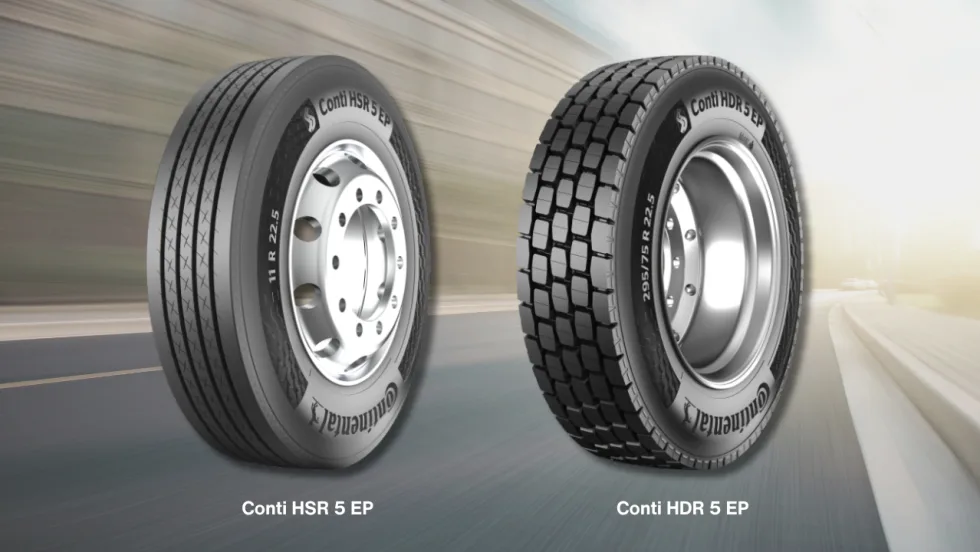
Continental Introduces New Regional Truck Tires
Continental says its new Generation 5 steer and drive tires for regional operations offer longer tread life, with estimated mileage gains of 22% and 19%, respectively.
Read More →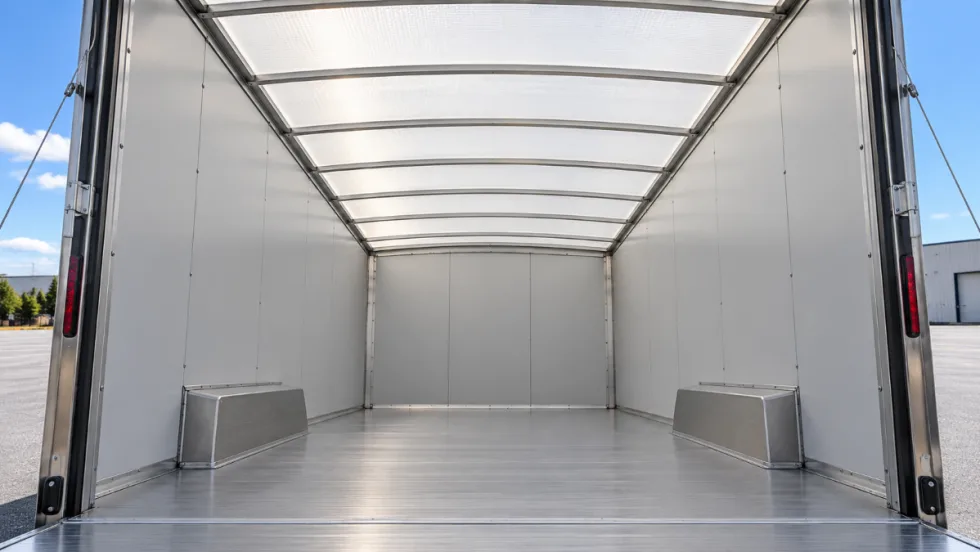
Tekmodo Introduces CargoBright Brand for Translucent Trailer Roofs
CargoBright is designed to diffuse daylight across the cargo area while performing as a working vehicle roof.
Read More →
Fleet Economics Shape Electric Truck Outlook
ACT Research expects costs, charging infrastructure, and technology improvements to drive zero-emission commercial vehicle adoption as federal regulations and incentives retreat.
Read More →