




Trailer Safety: Technology That's Working
Rollovers are one of the most serious types of accidents, because drivers and other truck occupants are usually tossed around and badly injured or killed. In the process, tractors are badly damaged or totaled

Rollovers are one of the most serious types of accidents, because drivers and other truck occupants are usually tossed around and badly injured or killed. In the process, tractors are badly damaged or totaled,
while trailers are mangled and their costly contents spilled, torn up and lost.
The typical rollover occurs when the driver enters a tight-radius curve too fast and can't react quickly enough to stop it from happening. It also happens when he suddenly tries to avoid an object or person in the roadway. Hitting the brakes can sometimes slow the truck enough to keep it from going over, but the driver doesn't realize what he's getting into until it's too late.
With a tractor-trailer, there's little seat-of-the-pants warning as the rig plows into a turn or goes through a sudden maneuver. That's because the trailer begins tipping first, at its rear. Little of its motion is transmitted forward through the fifth wheel for the driver to feel. Testing shows that the trailer rolls beyond where it could be stopped before the driver knows it. As it goes, it pulls over the tractor until they're both on their sides or backs. It's messier with double- or triple-trailer combinations, which flop around semi-independently before going over, but sometimes the second or third trailer rolls while the one ahead stays upright.
Technology has come to the rescue. Makers of antilock braking systems have added anti-rollover functions to the electronic controls of their products. The enhanced systems can sense that a rollover is about to happen and, in a fraction of a second, take steps to prevent it. The products use wheel-speed sensors, already part of ABS, and in some cases add accelerometers elsewhere on the chassis to give the electronic brains a better idea of what's happening. They apply brakes and cut engine power to slow the vehicle, and in many cases prevent the rollover. They're available with most of today's air-braked vehicles.
For several years the systems have been optional from most truck and trailer builders, and thanks partly to higher sales volumes, prices have come down. That in turn encourages more sales. Meritor Wabco says it has sold more than 55,000 of its Roll Stability Control and Electronic Stability Control products for trucks and tractors in North America, plus many Roll Stability Support systems for trailers. Sales in general now involve about 20 percent of Class 8 vehicles, with "premium" line-haul fleets that operate sleeper-cab tractors accounting for four out of 10 sales.
Tanker fleets are prime buyers of the high-tech systems because their accidents tend to be very expensive. Flatbed operators constitute another customer base, as do those who run certain vocational trucks, like concrete mixer chassis. Bendix Commercial Vehicle Systems spent considerable time adapting its Electronic Stability Program for mixer trucks, whose spinning drums pull heavy concrete upward, raising the vehicles' center of gravity and making them unstable in right turns. Volvo and Mack have made the Bendix product standard on mixer trucks and certain other chassis, and Paccar's Kenworth and Peterbilt also offer the Bendix system. Haldex offers Trailer Roll Stability and it is edging toward popularity, especially among tanker fleets.
Anti-rollover systems are impressive in demonstrations, slowing vehicles that are driven aggressively into tight turns and preventing them from falling on their sides. Even more impressive, evidently, are the positive results reported by fleet users. For this article we talked with two fleet executives whose names were provided by manufacturers.
Kenan's Advantage
The decision to go with anti-rollover technology was not difficult for Kenan Advantage Group (KAG), headquartered in North Canton, Ohio. The company runs seven fleets with about 3,100 tractors and 4,100 trailers in 32 states. Two of its three operating groups use tank trailers that carry chemicals, petroleum and food-grade products.
KAG says it hauls 35 billion gallons of petroleum products a year and is the nation's largest gasoline carrier. It specializes in "last-mile" hauling from pipeline and rail terminals to filling stations and other retail outlets for fuel. Gasoline, diesel, acids and other hazardous fluids make rollover accidents expensive experiences.
"One of our accidents can cost into the hundreds of thousands of dollars," says R.J. Molder, vice president, fleet services. "It would be safe to say we probably mitigate at least one or two rollover accidents a year, and that's anywhere in excess of $200,000, and for that you can buy a lot of systems."
In late 2005 KAG began buying Bendix's Electronic Stability Program on new Mack, Volvo and Peterbilt tractors, and will have nearly 700 by end of '09. It specs Haldex's Trailer Roll Stability on Brenner, LBT and Polar tankers, and will have 418 by year's end. The systems currently cost about $900 per trailer and $1,100 per tractor, including federal excise tax.
A new tank trailer costs more than $85,000 and is run for 20 to 25 years, so the incremental cost for an anti-rollover product is low, especially over that time. The incremental cost is much stiffer for a tractor, which is usually kept for six to seven years, but the company feels the cost is still worthwhile.
As for payback, "The trouble is, you never know when you've almost had an accident" that's been prevented by the anti-rollover system, Molder says. "But we're tying it into the on-board computer so we get a report whenever the system's been activated. We don't know when it actually prevented a rollover or if the driver just pushed the line a little bit. Any guesstimate would be pure speculation."
KAG tractors have Cadec on-board data recorders with GPS locating, which generate trip reports and are integrated with load and billing information. "We use green, yellow and red reports," Molder explains, "and the drivers in the yellow and red receive coaching and/or additional training" on how to avoid dangerous situations by staying alert and driving smoothly and safely.
"We feel [stability] systems provide a level of coverage to assist the drivers," he says. "Buying this technology was an easy decision for us to make. You're protecting your driver, your vehicle, your cargo, and the general motoring public, all for a one-time cost of about $2,000 per vehicle. That's a pretty good value."
Maverick's Experience
Maverick Transportation started buying anti-rollover systems on 2005-model-year tractors and virtually all - about 1,200 - now have them, says Mike Jeffress, vice president, maintenance, at the flatbed carrier's base in North Little Rock, Ark. Later he began spec'ing the technology on glass-hauling trailers because their high-center-of-gravity loads make the vehicles harder to control in sudden maneuvers. Now he's buying it on all new platform trailers, too.
"The truck 80 percent of the time will take care of the rollover concerns," he explains. "But we have independent contractors whose tractors don't have the roll stability, and they can pull our company trailers and still have at least some of the benefits."
About 100 trailers now have the systems. Brands depend on which ABS and roll-stability products the vehicle manufacturers are standard with. At Maverick they include 40 of Meritor Wabco's Roll Stability Support on Fontaine, Manac and Temisko trailers and 60 of Bendix's Electronic Stability Program (ESP) on Reitnouer flatbeds. Maverick's tractors are Freightliners, and they have Meritor Wabco's Roll Stability Control.
Each system currently adds $500 to $600 to the price of a trailer or tractor. "I called several different truck OEMs and two different trailer OEMs back four years ago when we started installing them," Jeffress says. "It was $1,200 to $1,400 per unit." It has come down in price since then, he says.
The cost of a rollover accident in Maverick's
More Equipment
Rush, MCT Team Up to Grow Refrigeration Service Network
The joint venture will operate MCT's network of Carrier Transicold dealerships and mobile service locations, with the companies promising greater service capacity and uptime for refrigerated fleets.
Read More →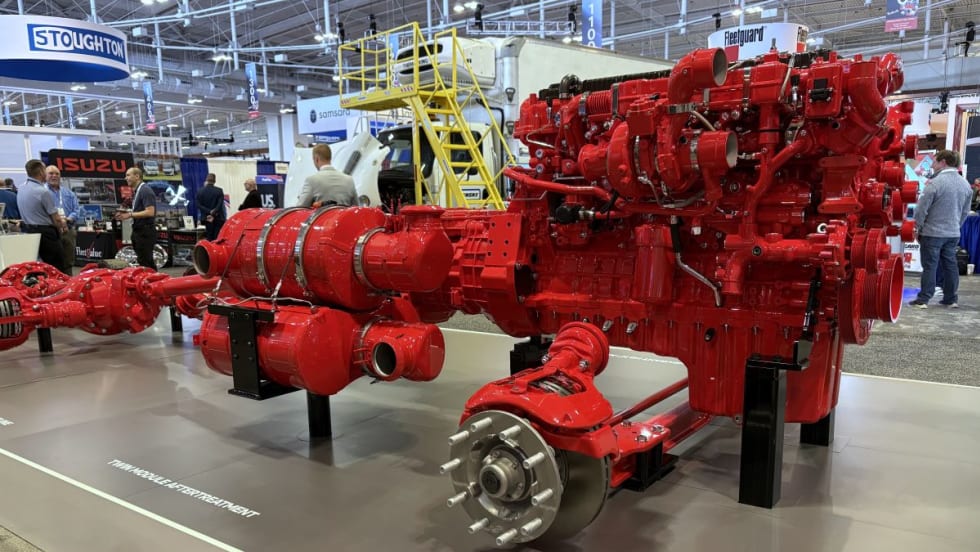
Cummins Adjusts 2027 Engine Rollout After EPA Proposal
The engine maker will gradually introduce its new Model Year 2027 diesel engines while continuing to offer current models during the transition, citing the EPA's proposed emissions rule changes.
Read More →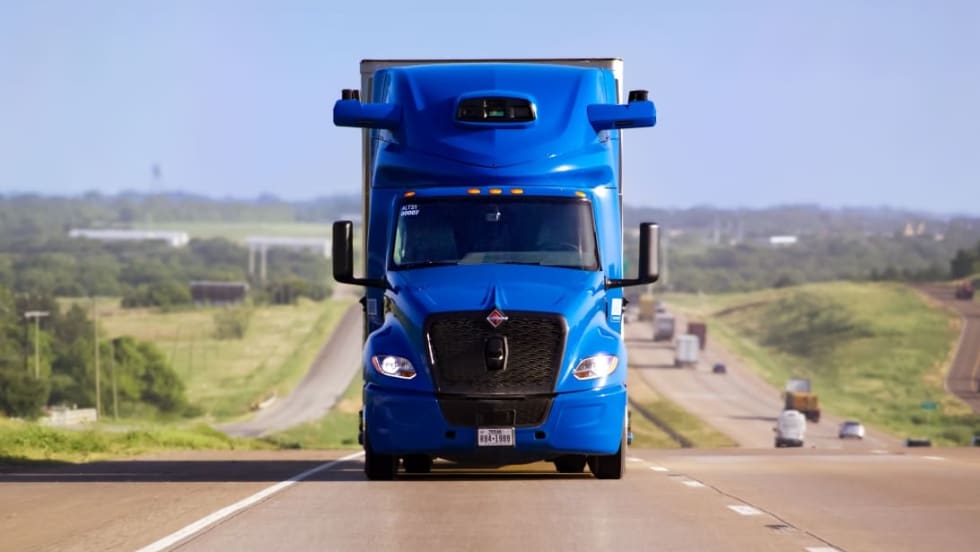
Aurora Rolls Out Next Generation of Driverless Trucks for Commercial Freight
Aurora's latest autonomous trucks it's rolling out with International feature lower-cost hardware designed for a million miles as the company expands commercial driverless freight operations across the U.S. Sun Belt.
Read More →
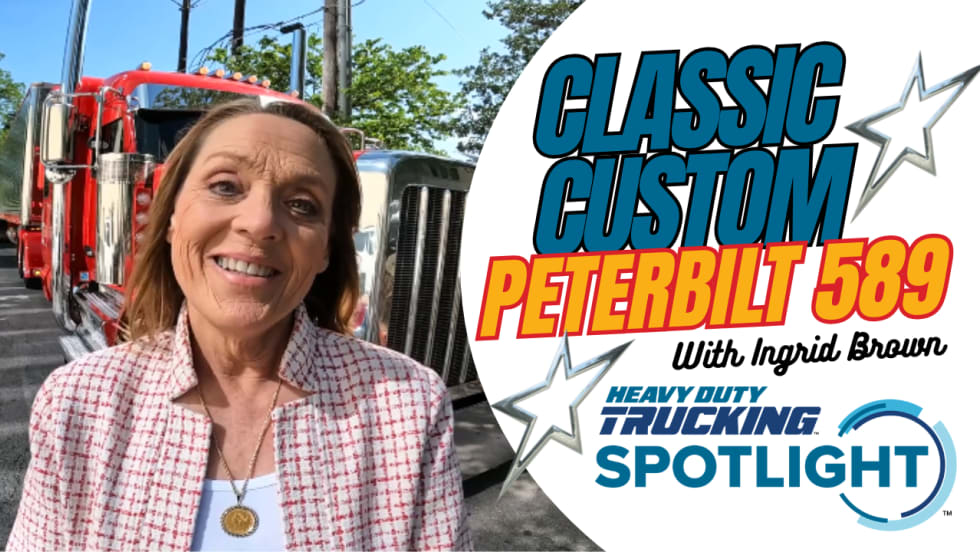
Peterbilt 589 Spotlight: A Close Look at a Custom Working Truck [Video]
There's more to this customized Peterbilt Model 589 and Great Dane refrigerated trailer than chrome and stainless (although there's plenty of that too!) A veteran driver explains the design choices and practical features behind this working truck.
Read More →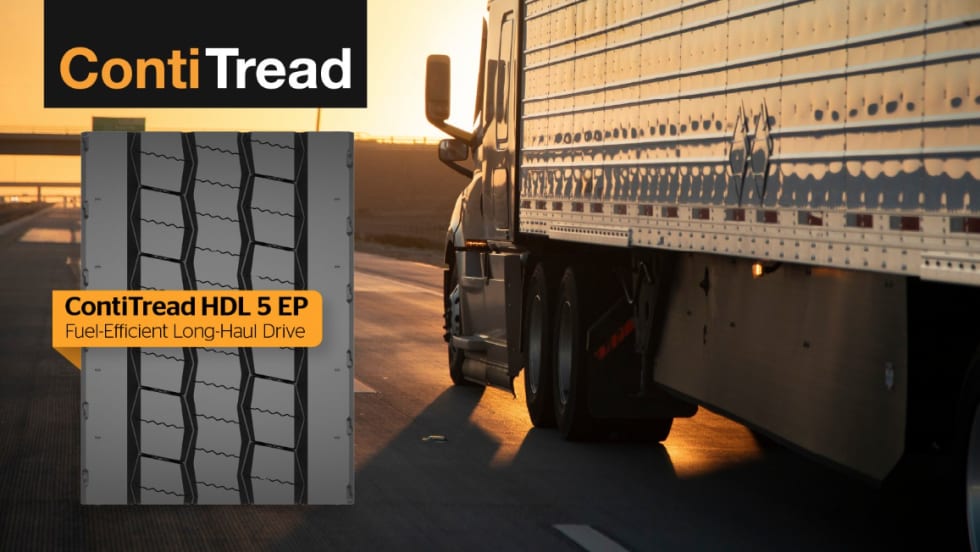
Continental Expands Retread Lineup With New ContiTread HDL 5 EP
New long-haul drive retread is designed to improve fuel efficiency, extend tread life, and lower fleets' cost per mile.
Read More →
EPA Proposal Could Ease 2027 Truck Costs and Buying Uncertainty
The proposal doesn't change the tougher NOx standard, but it would revise key implementation requirements that manufacturers say have driven up costs and complicated fleet purchasing decisions.
Read More →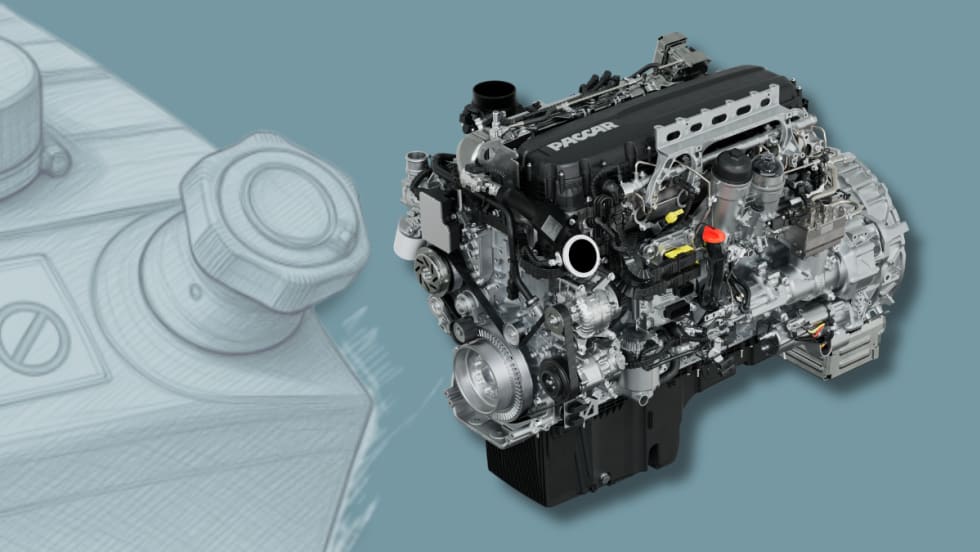
Cummins, Paccar Ease DEF Derates After EPA Guidance
Updated diesel engine software gives truck operators more time to address emissions-system issues while staying compliant with EPA emissions standards.
Read More →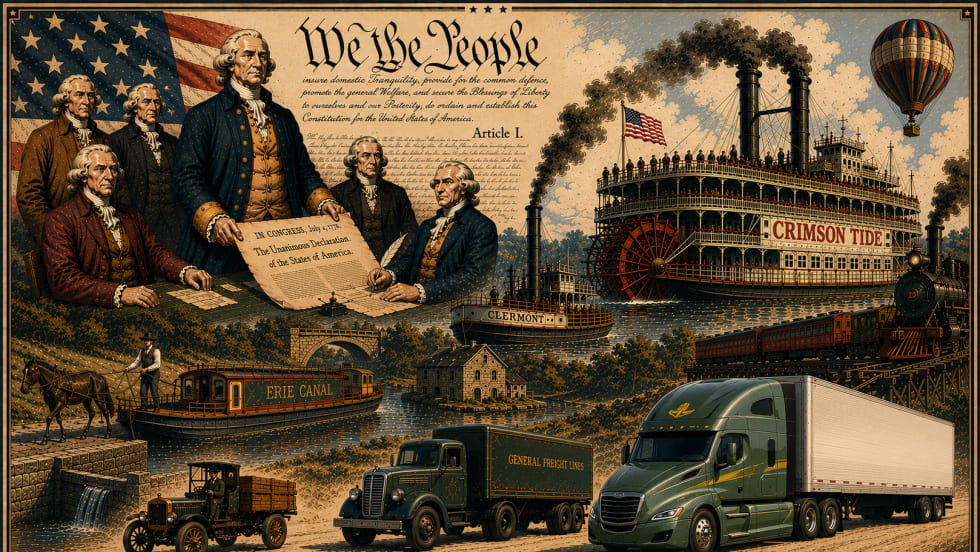
America at 250: How the Truck Helped Connect a Continent
America was founded on revolutionary ideas, but it was built by movement. For 250 years, the nation has depended on ever-better ways to move people, products, and prosperity across a vast continent. No machine has carried that mission further — or more faithfully — than the truck.
Read More →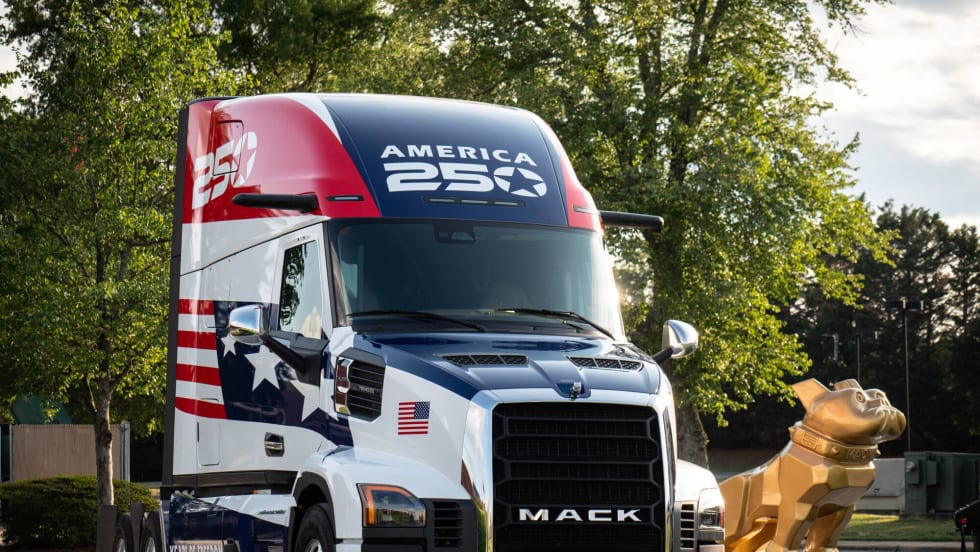
Mack Unveils America 250 Tribute Truck to Celebrate Nation's Semiquincentennial
Just in time for the Fourth of July! Mack unveils a brand-new patriotic, limited-edition, red, white, and blue truck wrap.
Read More →
Enhance Fleet Performance with High-Efficiency Auxiliary Power Units
Drive sustainable cost savings while increasing driver comfort during short- and long-haul logistics operations.
Read More →