




Tire Evaluation: Are you getting all the information you need before spec'ing your tires?
Perhaps only computers remain a more confusing purchasing decision than tires. The thought of comparing RAMS and ROMS and Gigs and HDs and DVDs and processors strikes fear into the hearts of all but the hardened geek

Perhaps only computers remain a more confusing purchasing decision than tires. The thought of comparing RAMS and ROMS and Gigs and HDs and DVDs and processors strikes fear into the hearts of all but the hardened geek.
Pity the poor fleet manager who must compare tread patterns, rubber compounds, scrub resistance, miles-per-32nd, traction, and fuel savings potential before making the big decision. Fortunately, tires are more like trousers - you can try them on first to see how they fit.
Pat Martindale, vice president of field maintenance, south-central region, for Penske Truck leasing, says his principle spec'ing considerations are durability, fuel efficiency and tread life. But there are conflicts even in those three factors.
"We want a tire that's efficient, but there are trade-offs," he says. "A more fuel-efficient tire may give you a shorter life cycle because of tread depth and compounding. We try to find the best mix of casing durability, tread life, and fuel efficiency, and some of those factors are more critical to specific applications."
With a customer base like Penske's, you can imagine the challenge in spec'ing the right tire to fit every application. The upside for Martindale is that he has a very big sandbox to play in. He can analyze tire performance in a wide variety of service conditions.
Much the same can be said for Ryder and the broad range of tire applications across its customer base. Scott Perry, group director of vehicle supply management, notes that Ryder tire specifications are based on general vocational categories, which are narrowed down to meet customers' needs in more specific applications.
"Our rental fleet vehicles would be most representative of a general service application. Those vehicles can change application from one week to the next based upon the specific customer application or delivery model," Perry says. "Straight trucks and local P&D tractors have tire specifications that are geared toward a mix of on-highway and high-scrub use, while tires for sleeper tractors are specified entirely upon on-highway use. We have billions of miles of experience with tire performance and have developed a tire matrix by application that allows us to provide the best wear rates and tire operating costs."
At the other end of the spectrum is a fleet like Hartt Transportation of Bangor, Maine. It's a 48-state common carrier running mostly vans with a few flats and step decks operating primarily east of the Mississippi. Maintenance Director Todd Cotier manages 600 power units and more than 1,200 trailers. His main spec'ing concerns come down to just fuel economy and weight. He runs 100 percent wide-base singles.
"Fuel economy was the first consideration," he says. "We started running wide-base singles in 2003 for fuel economy. Five years ago, we weren't concerned about weight, but because of the weight savings, we've established a niche market where every pound counts. Now, weight is as big an issue fuel economy."
So with all the options, how does one make the right tire choice? You could ask your pal down the road what tires he uses, but chances are even if the applications were nearly identical, the tires would soon reveal the differences.
Or, you can rely on an expert if you're in a leasing situation.
"We look pretty closely at the application and the service needs of our lease vehicles," Martindale says. "Sometimes the customers get involved, depending on their level of expertise, but most rely on us because they don't have the tools or the know-how to make the evaluation. We know from the evaluation data that one particular tire and tread design will give us better performance, but coming up with a real number is very hard."
In-Service Trials
Tire makers are an excellent resource when it comes to choosing a tire. They can help narrow down the choices, at least. But it remains up to you to test the tire in service.
Martindale has the advantage of doing pre-production, blind evaluations for some tire makers to aid product development. He won't know what model he's testing at that stage, but after the fact, when he sees the marketing material on those tires, he admits the claims are usually accurate.
"Generally speaking, the information they provide on their tires is very good, though much of it could be described as best-case scenarios," he says. "The end user could have a hard time weeding through some of the claims, and that's why you need to carefully evaluate tire performance yourself - specifically around fuel economy claims."
Detailed records are a must in a fuel economy evaluation, as is an understanding that half-worn tires of almost any description produce lower rolling resistance than a full-tread tire. As we've discussed here in recent months, you can't compare new tires against in-service tires. The results will always favor the used tire.
There is similar peril in conducting short-term SAE-type fuel economy tests. They're fine, provided you monitor every detail to ensure the vehicles being tested are identical. And even then, under carefully controlled SAE conditions, the results would likely appear better than you'd see in real life.
Penske tracks tires long- and short-term to get a better picture of performance.
"If we're doing an evaluation, we'll track a particular tire casing through an evaluation period and then we'll use more general results garnered through our system as the tire runs through its life," Martindale says. "Once we've established some good baseline results, we'll continue to monitor results on a broader scale after that."
When Hartt's Cotier did his evaluation, the process was as involved, but just a little less complex. He tracked the new wide-base tires as they entered service, just as he had done for all other new tires he'd brought into the fleet. He kept detailed records on a few tires, less detailed records for others. He compared three brands of wide-base tires, and today specs two of the three. Across the board, the picture began to emerge in a short time - in three to six months he was getting reliable data.
For his trailer tires, he kept a close watch on miles per 32nd. For the power units, he tracked fuel economy and driver reports about traction. "Winter traction was a bit of an issue, but we responded by installing cross-locking diffs on the tractors and the problem went away," he says. "We saw a 4 percent fuel economy advantage early on, and that held for more or less the life of the tire."
If you're an over-the-road fleet - even a large one - tire evaluations would likely be limited to a relative handful of different tires; brands, models, tread patterns, and compounds included. That's not the case for Herb Kramer of Oklahoma Gas & Electric. As supervisor of fleet and maintenance operations for the state's largest utility fleet, he runs dozens of different types of tires on light, medium, and heavy vehicles. A tire evaluation on that scale is not for the faint of heart.
Kramer started at OG&E five years ago. He described the tire management program there as out of control at the time. He set about getting things back on track, and reports that the effort has saved the utility between $150,000 and $200,000 per year in tire-related costs.
A Word on Retreads
Since most major retreaders now offer a huge variety of tread patterns and compounds, the spec'ing and evaluation parameters for retreads are the same as for new tires. A successful retreading program starts with quality casings, so tire removal intervals and casing condition should be a concern.
Penske's Martindale says their goal is to run the drive-position tire to 4/32, and a steer tire to 6/32 before running it out on a trailer position to 4/32.
"We don't want to risk casing damage due to penetration," he says. "We rely on our retread supplier to evaluate the condition of the tire and its suitability for retreading
More Equipment

Rush, MCT Team Up to Grow Refrigeration Service Network
The joint venture will operate MCT's network of Carrier Transicold dealerships and mobile service locations, with the companies promising greater service capacity and uptime for refrigerated fleets.
Read More →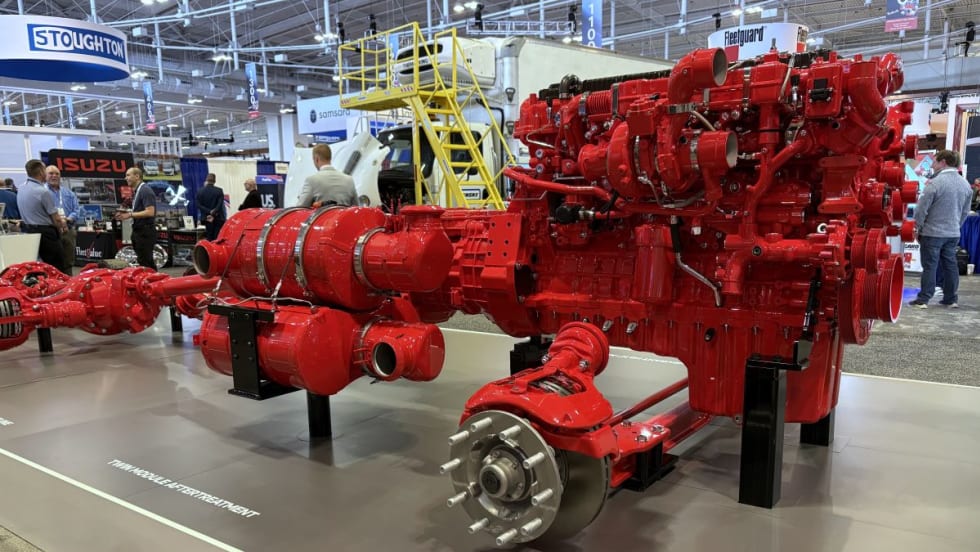
Cummins Adjusts 2027 Engine Rollout After EPA Proposal
The engine maker will gradually introduce its new Model Year 2027 diesel engines while continuing to offer current models during the transition, citing the EPA's proposed emissions rule changes.
Read More →
Aurora Rolls Out Next Generation of Driverless Trucks for Commercial Freight
Aurora's latest autonomous trucks it's rolling out with International feature lower-cost hardware designed for a million miles as the company expands commercial driverless freight operations across the U.S. Sun Belt.
Read More →
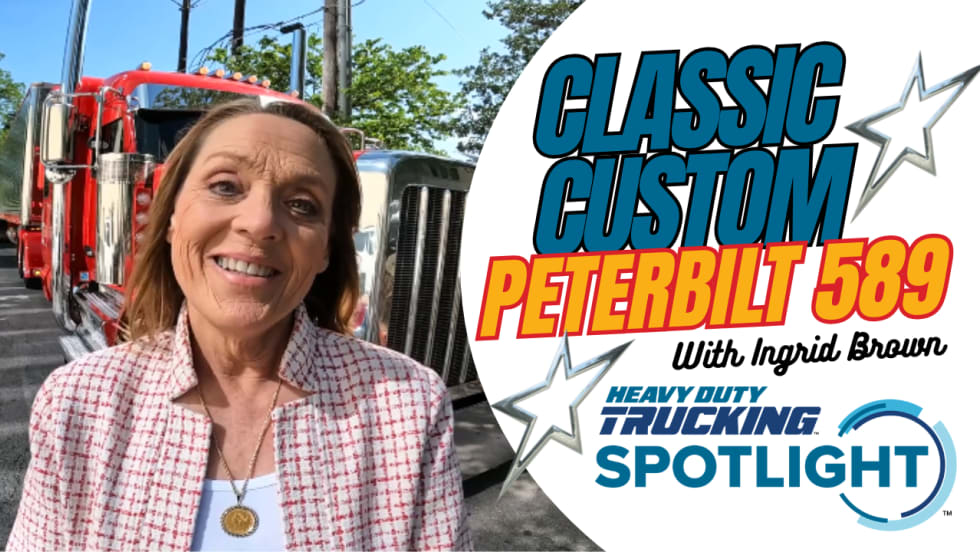
Peterbilt 589 Spotlight: A Close Look at a Custom Working Truck [Video]
There's more to this customized Peterbilt Model 589 and Great Dane refrigerated trailer than chrome and stainless (although there's plenty of that too!) A veteran driver explains the design choices and practical features behind this working truck.
Read More →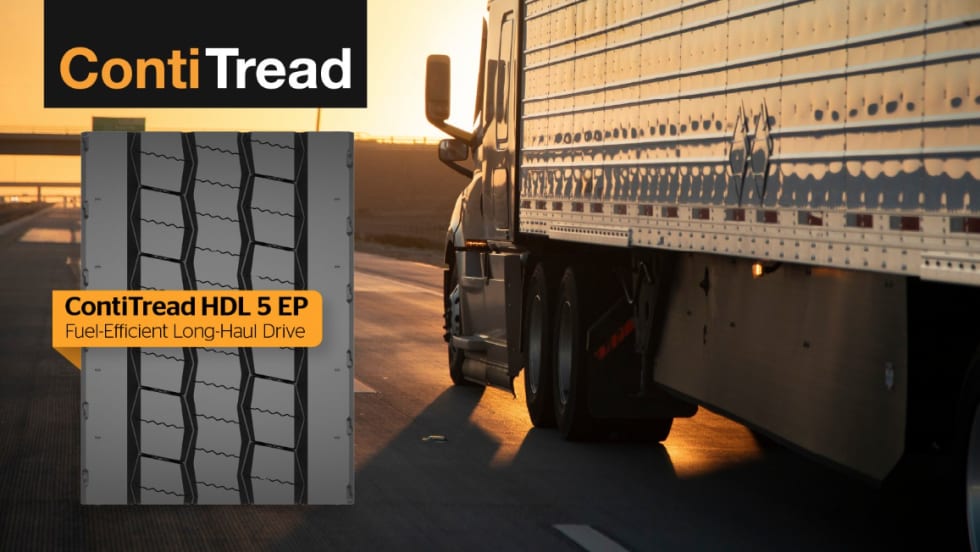
Continental Expands Retread Lineup With New ContiTread HDL 5 EP
New long-haul drive retread is designed to improve fuel efficiency, extend tread life, and lower fleets' cost per mile.
Read More →
EPA Proposal Could Ease 2027 Truck Costs and Buying Uncertainty
The proposal doesn't change the tougher NOx standard, but it would revise key implementation requirements that manufacturers say have driven up costs and complicated fleet purchasing decisions.
Read More →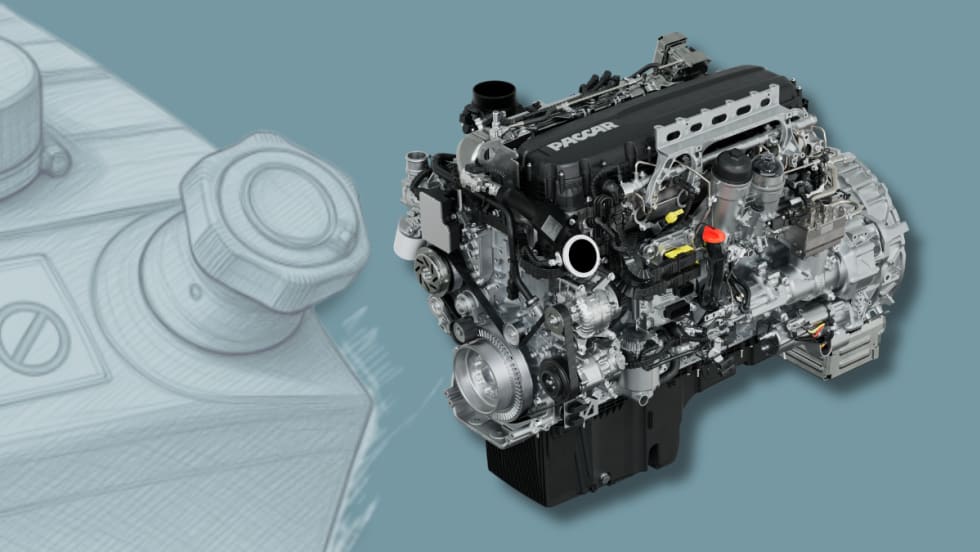
Cummins, Paccar Ease DEF Derates After EPA Guidance
Updated diesel engine software gives truck operators more time to address emissions-system issues while staying compliant with EPA emissions standards.
Read More →
America at 250: How the Truck Helped Connect a Continent
America was founded on revolutionary ideas, but it was built by movement. For 250 years, the nation has depended on ever-better ways to move people, products, and prosperity across a vast continent. No machine has carried that mission further — or more faithfully — than the truck.
Read More →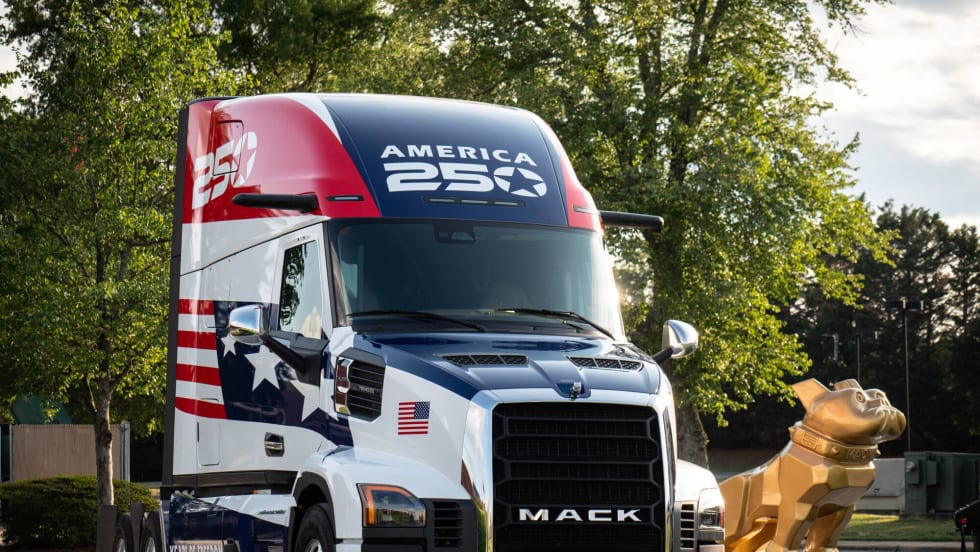
Mack Unveils America 250 Tribute Truck to Celebrate Nation's Semiquincentennial
Just in time for the Fourth of July! Mack unveils a brand-new patriotic, limited-edition, red, white, and blue truck wrap.
Read More →
Enhance Fleet Performance with High-Efficiency Auxiliary Power Units
Drive sustainable cost savings while increasing driver comfort during short- and long-haul logistics operations.
Read More →