




The Real Cost of Trucks
If you think about what you bought for a tractor in 1980 and what you get when you buy a tractor today, you quickly realize they're not even the same animal. Why 1980
If you think about what you bought for a tractor in 1980 and what you get when you buy a tractor today, you quickly realize they're not even the same animal. Why 1980?
That was the year the Motor Carrier Act deregulated trucking, leading to widespread and intense competition in the marketplace. MCA '80 took away the safety net of regulation, rate bureaus and protected hauling authorities. Randy Marten, chairman of refrigerated carrier Marten Transport, summed it up in an interview in the mid-'80s. He knew from being a produce hauler - an unregulated part of the trucking industry even before 1980 - "Following deregulation we knew what the rules were. There were no rules."
But just as Marten prospered from deregulation, so did the fleets that used the opportunity to build "market presence." Heavy Duty Trucking's special issue, "The Rise of Truckload," in January 2005 tracked the emergence of some of the fleets that have risen to dominance in the truckload side. Consolidations happened all over, as well. And the combination of a new, savvy marketplace and the ability of these fleets to put the screws to suppliers put significant pressure on the truck manufacturing industry to compete for their dollars.
At the same time, truck makers were facing other market pressures. With the industry reeling from the impact of deregulation, regulators sought to ease the pain by improving the efficiency of the transportation system with the Surface Transportation Assistance Act of 1982.
For trucking, it changed everything. Where overall lengths and gross vehicle weights previously had been constrained - especially by bridge railroad states like Illinois - truckers were freed up to run common configurations coast-to-coast on the Interstate system. It sounded good in practice, as indeed it was, but it virtually stopped the trailer industry in its tracks for the whole of 1982 while everyone waited to see what the legislation would offer up and even whether the act would pass.
In the end, right in the closing moments of the year, the new STAA rules said that states could not mandate an overall length, nor could they require a shorter trailer than 48 feet when running on any part of the federal Interstate Highway System. Trucks could also run 80,000 pounds everywhere the Interstates went, instead of the 72,800 pounds some of the bridge states had required. Also included was a provision to allow 102 inches overall width for trailers instead of 96 inches. This meant a much more efficient side-by-side loading of pallets instead of the old "pinwheeling," which took a lot of handling time. With these longer and wider trailers, states also had to grant access to terminals and facilities close to the Interstates, though those provisions took more than a little while to sort out.
To an industry that had virtually standardized on 42-foot by 96-inch trailers, it meant throwing out the existing equipment in order to compete. Overnight, these trailers became obsolete and fleets rushed to buy new equipment or stretch their existing trailers by 6 feet while still constrained by the old width.
Today, the ubiquitous 48-foot van and reefer have also become a piece of history, as the migration to the 53-footer over the designated highway system brought further efficiencies and flexibility of operations. This was more slowly accommodated as the various conditions of access to and from the Interstate and the designated highway system were worked through.
The Conventional Comes of Age
The removal of the tractor dimension from the overall vehicle length drove fleets to adopt conventionals in response to a new phenomenon: the driver shortage. Drivers universally preferred the conventional. So starting in 1983, there was an ever-rising clamor from drivers who wanted the perceived safety and security of having that big hunk of iron out in front of the firewall. And ride quality and steering stability were issues, too. Those short cabovers would beat you to death and dart and squirm all over the road.
This changeover took many years, though, forcing truck manufacturers to assume the burden for the design of new conventional models while keeping their cabovers fresh.
Of course, one new design that had drivers talking was the Kenworth T600A, which debuted in 1985 in response to the spike in fuel prices in 1982-83 (see cost comparisons chart for the erratic performance of the fuel price index over the last 28 years). The T600A was a skunkworks project led by the late Larry Orr. He is quoted on the Kenworth web site: "When we were developing the T600A, we decided to incorporate everything we could come up with to reduce drag. As it evolved, we managed to do that, but we were a bit concerned about its appearance. It didn't look like our traditional long-nose conventional."
I recall driving one of the two trucks introduced at the Mid America Trucking Show that year. The comments over the CB weren't kind. One anonymous voice proclaimed "I don't care if that thing does 20 mpg, I wouldn't be seen dead in an ugly sucker like that."
While fuel pricing pressure eased almost the day the T600 bowed in, fleets who enjoyed the economy and the additional revenue margins made it a popular introduction, and it remains Kenworth's most popular model. It truly did deliver. In a cross-country demo in 1990, three different trucks, one with a Cummins L10 330, one with an N14 370 and the third with an N14 460 - big power at the time - scored 8.21, 7.99 and 7.68 mpg respectively.
By the end of the decade, the aero model with its associated set-back steer axle had to be included in every manufacturers' line-up, adding complexity to a production process that already included cabovers and conventionals with a host of options. Don't forget, most companies offered Caterpillar, Cummins and Detroit Diesel power, or a combination with their own power. Eaton, Rockwell and Dana all made axles and Spicer was still a transmission option. About the only component that had been phased out at this point was the two-stick gearshift combo.
Cabover and traditional conventionals abounded, as fuel was cheap - so cheap that 4.5 mpg was tolerable. And truck makers had the engineering time to indulge the driver with bigger sleepers, leading to the introduction of the Freightliner FLC long-and-tall, initially intended for the owner-operator market. However, it was such a draw for drivers it fast became the standard configuration for truckload carriers, by now the dominant sector in the trucking industry.
Emissions Regulation Takes its Toll
The late '80s saw the first impact of emissions standards on heavy duty trucks. Mandated by the Clean Air Act, the first heavy truck emissions hurdle was 1988, and the last 20 years have seen regular steps down in the amount of emissions allowed. By the time 2010 rolls around, in would take more than 6,000 modern trucks to equal the total emissions of a single 1988-regulated truck.
Making equipment to conform with increasingly strict emissions regulations came at an enormous cost that has had to be amortized over the products. Fortunately the engineering brought more benefits than just squeaky-clean emissions. The big step was 1991/1994, when diesel injection electronic controls proved to be the best way forward.
In hindsight, the concentration on heavy duty, on-highway emissions was the best thing that could happen to trucking, trucks and truckers - and the environment. The result, at least in the early stages of the application of emissions controls and the advent of electronics, was that the new engines were not only cleaner, but they also were more economical. Moreover, when the engines were cleaned up and used less fuel, they lasted longer. And given intelligent controls that could help protect from driver abuse, suddenly a big-bore diesel could go a million miles without being opened up. This was a major advance. In the early '80
More Equipment
Rush, MCT Team Up to Grow Refrigeration Service Network
The joint venture will operate MCT's network of Carrier Transicold dealerships and mobile service locations, with the companies promising greater service capacity and uptime for refrigerated fleets.
Read More →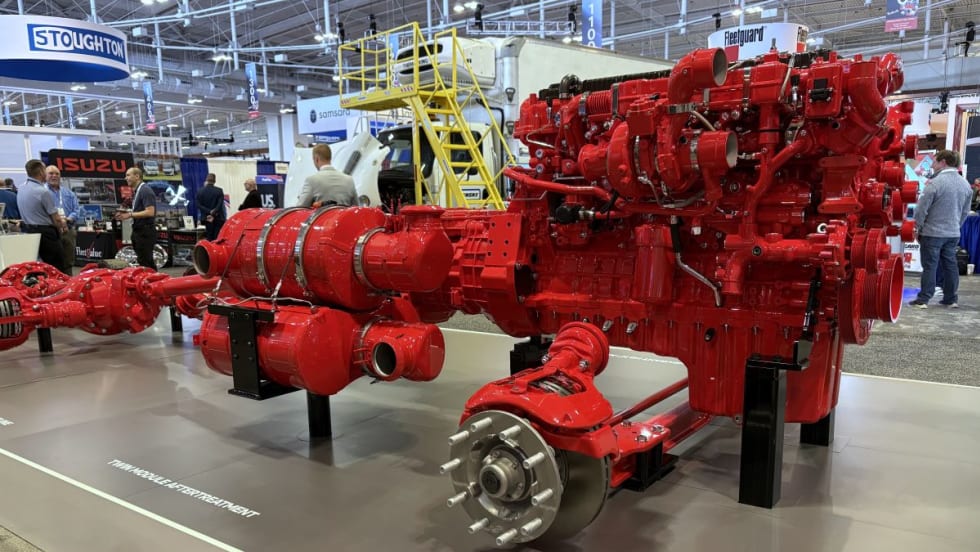
Cummins Adjusts 2027 Engine Rollout After EPA Proposal
The engine maker will gradually introduce its new Model Year 2027 diesel engines while continuing to offer current models during the transition, citing the EPA's proposed emissions rule changes.
Read More →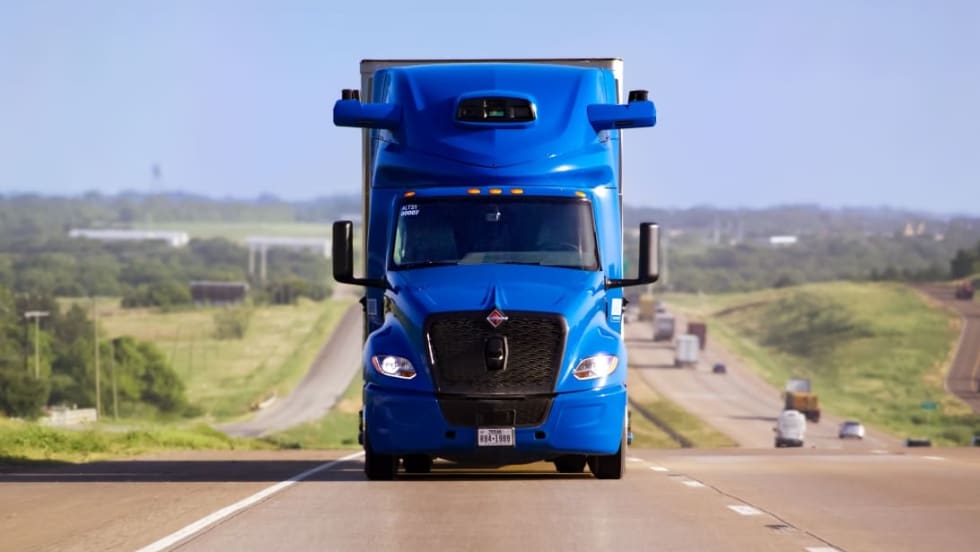
Aurora Rolls Out Next Generation of Driverless Trucks for Commercial Freight
Aurora's latest autonomous trucks it's rolling out with International feature lower-cost hardware designed for a million miles as the company expands commercial driverless freight operations across the U.S. Sun Belt.
Read More →
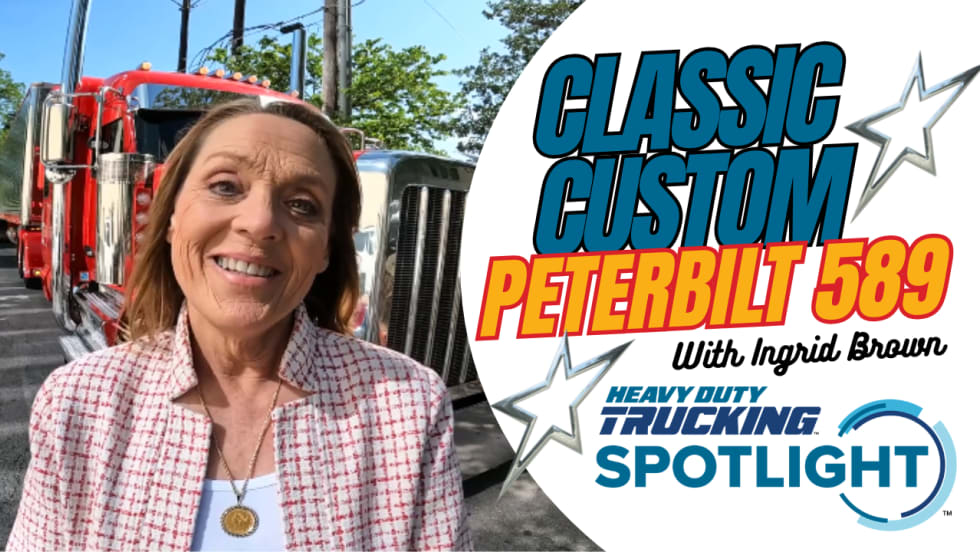
Peterbilt 589 Spotlight: A Close Look at a Custom Working Truck [Video]
There's more to this customized Peterbilt Model 589 and Great Dane refrigerated trailer than chrome and stainless (although there's plenty of that too!) A veteran driver explains the design choices and practical features behind this working truck.
Read More →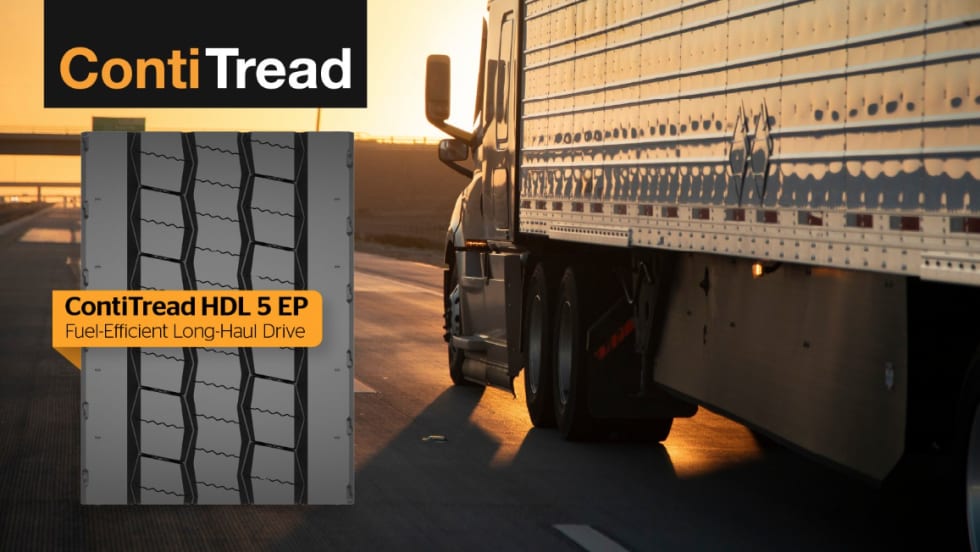
Continental Expands Retread Lineup With New ContiTread HDL 5 EP
New long-haul drive retread is designed to improve fuel efficiency, extend tread life, and lower fleets' cost per mile.
Read More →
EPA Proposal Could Ease 2027 Truck Costs and Buying Uncertainty
The proposal doesn't change the tougher NOx standard, but it would revise key implementation requirements that manufacturers say have driven up costs and complicated fleet purchasing decisions.
Read More →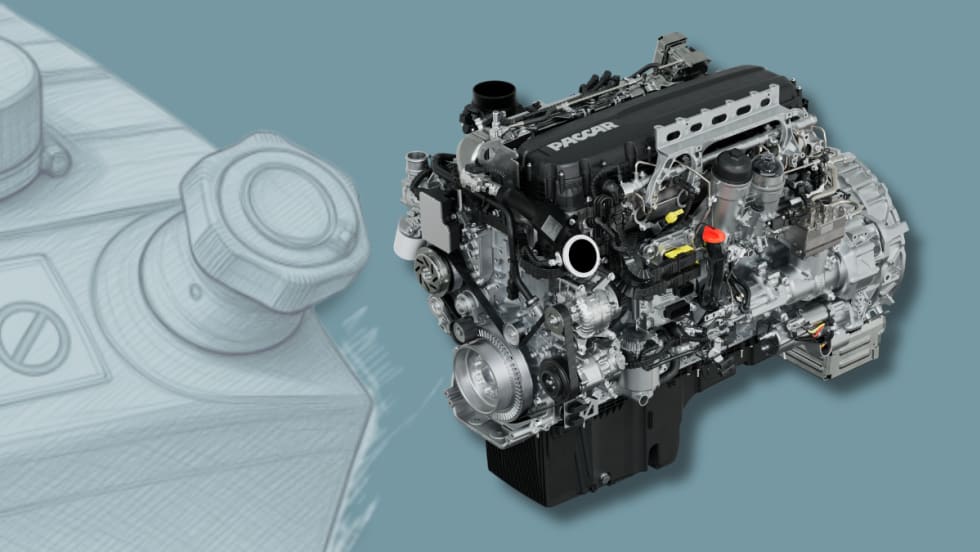
Cummins, Paccar Ease DEF Derates After EPA Guidance
Updated diesel engine software gives truck operators more time to address emissions-system issues while staying compliant with EPA emissions standards.
Read More →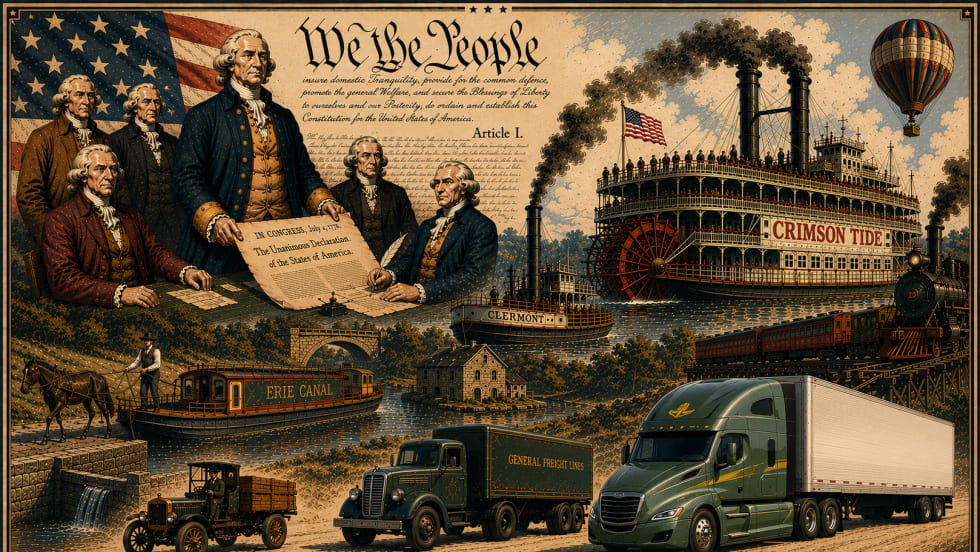
America at 250: How the Truck Helped Connect a Continent
America was founded on revolutionary ideas, but it was built by movement. For 250 years, the nation has depended on ever-better ways to move people, products, and prosperity across a vast continent. No machine has carried that mission further — or more faithfully — than the truck.
Read More →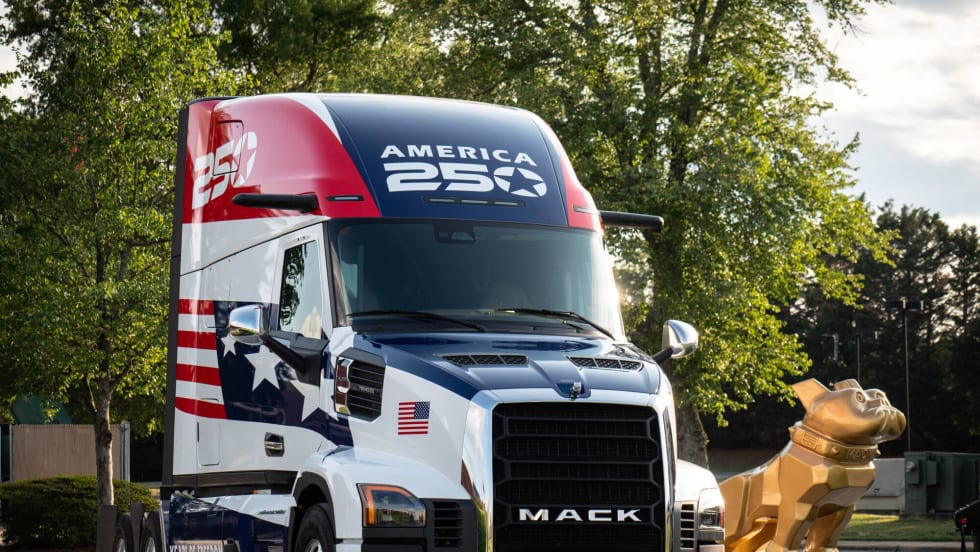
Mack Unveils America 250 Tribute Truck to Celebrate Nation's Semiquincentennial
Just in time for the Fourth of July! Mack unveils a brand-new patriotic, limited-edition, red, white, and blue truck wrap.
Read More →
Enhance Fleet Performance with High-Efficiency Auxiliary Power Units
Drive sustainable cost savings while increasing driver comfort during short- and long-haul logistics operations.
Read More →