




The Next Freight Evolution
The trucking industry is witnessing an evolution - actually three concurrent evolutions. These evolutions may drive changes in the industry as great as those created by government deregulation and the liberalization of weight and length regulations in the early 1980s. The evolution drivers are the Internet, alternative fuels and intermodal.
The trucking industry is witnessing an evolution - actually three concurrent evolutions. These evolutions may drive changes in the industry as great as those created by government deregulation and the liberalization of weight and length regulations in the early 1980s. The evolution drivers are the Internet, alternative fuels and intermodal.
Like others my age, I'm on a regimen of medications. The least expensive way to purchase these medications is a 90-day supply on the Internet. The medications arrive in three to four days after I order via UPS, FedEx or DHL from a Texas warehouse. The transaction has eliminated the local pharmacy.
When I discussed this evolution with Pat Smith at HDT, she related similar experiences. She and her husband live in rural Oregon, where close-by shopping is limited. Consequently, they buy groceries locally but just about everything else - from apparel to gardening tools - online.
Were the Smith and Plaxton households the only ones buying on the Internet, the impact on the trucking industry would be zero. However, these experiences are repeated tens of thousands of times every day. In less than a decade, the U.S. government indicates, Internet sales have grown from 0.6 percent to 3.3 percent of total retail sales. Furthermore, many major retailers such as Staples are pushing consumers to the Internet. The message is: "If you want black, you can find in it the store; if you want a choice of colors, visit our web site."
Yes, a bottle of medicine, a book or a pair of shoes still has to be physically delivered from Point A to Point C, but the process has eliminated Point B, the local retail outlet. Eliminating Point B reduces the number of trucks involved. And we haven't even considered the impact of eBay.
The move to alternative fuels, i.e., ethanol and biodiesel, is having a reverse impact. Ethanol is made from corn or a similar biomass. Millions of bushels of corn have to be trucked from the corn field to the processing plant. Then the ethanol - billions of gallons annually - has to move to a refinery to be blended with gasoline or diesel fuel. Today, most ethanol moves by truck. A decade ago, these two movements may have involved a few hundred trucks. Today, these movements involve thousands of trucks, and the figure is growing exponentially.
Remember, the majority of gasoline and diesel fuel moves by pipeline today; therefore, ethanol production represents a net increase in truck usage.
Problem is, there are not enough trucks. Lack of truck capacity - inbound and outbound - is driving ethanol prices lower and causing delays, if not cancellations, of new ethanol plant construction.
Intermodal is not new, but year-over-year, intermodal traffic has been up most years for the past 40 years. While there may be short-term pauses in growth, the end of long-term growth is not in sight.
BNSF has a new intermodal facility dedicated to imported containers - no domestic. The facility is located 70 miles southwest of Chicago, and while it is only half completed, the facility can handle five 8,000-foot-long container trains concurrently. Each train is off-loaded and re-loaded in a 10-hour window, i.e., 10-13 trains per day.
The incoming and outgoing containers require an average of 1,600 trucks a day, 365 days per year. The day we visited the facility, there were more trucks that were 20-plus years old than there were trucks less than a decade old. Within five years, BNSF plans to double the capacity of this facility. A similar yard is being built outside of Kansas City, and Union Pacific is constructing additional yards at two or three more locations.
The growth in short-haul truck tonnage these facilities represent is huge and growing exponentially. What are the implications for long-haul trucking? That's a question that is open to debate, but one that needs to be addressed.
What do the Internet, alternative fuels and intermodal have in common? All are changing the pattern of freight movements long term. Today's headlines herald a slowdown in freight movements. Are truckload and LTL carriers witnessing falling freight demand? Overall, yes. The question is: What percentage of the decline is driven by short-term economics compared with the percentage driven by long-term structural changes? How do the structural changes impact the traditional over-the-highway carrier segment compared with the balance of the industry?
The answers to these questions are critical for executives seeking to map a strategy beyond the next round of emission regulations or the current economic slowdown.
Bruce Plaxton, BGP Marketing Solutions, has been involved in market analysis and the development of product and distribution strategies for commercial vehicles for more than 25 years. His firm helps companies identify the most effective means to develop, launch and distribute their products and services.
More Fleet Management

How Innovative Trucking Leaders Turn Change Into an Advantage
As the pace of change accelerates in trucking, the fleets that adapt best have more than the latest technology. They have cultures that embrace improvement.
Read More →
Freight Broker Bonds Just Got Harder to Get. Here's What That Means for Your Fleet.
When it gets harder for a freight broker to prove they are financially sound, the ones who cannot clear that bar get pushed out of the market. And those are exactly the brokers who used to leave motor carriers holding the bag.
Read More →
Long-Awaited Canadian Border Bridge to Open in Detroit
For trucking, the bridge opening should offer immediate improvements in efficiency and reliability, with new customs facilities, expanded inspection capacity, and direct freeway-to-freeway connections.
Read More →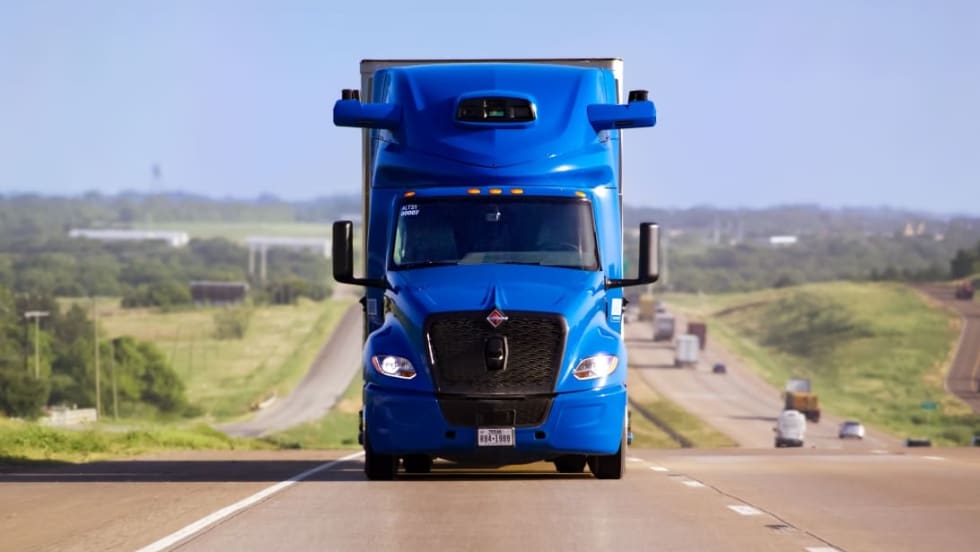
Aurora Rolls Out Next Generation of Driverless Trucks for Commercial Freight
Aurora's latest autonomous trucks it's rolling out with International feature lower-cost hardware designed for a million miles as the company expands commercial driverless freight operations across the U.S. Sun Belt.
Read More →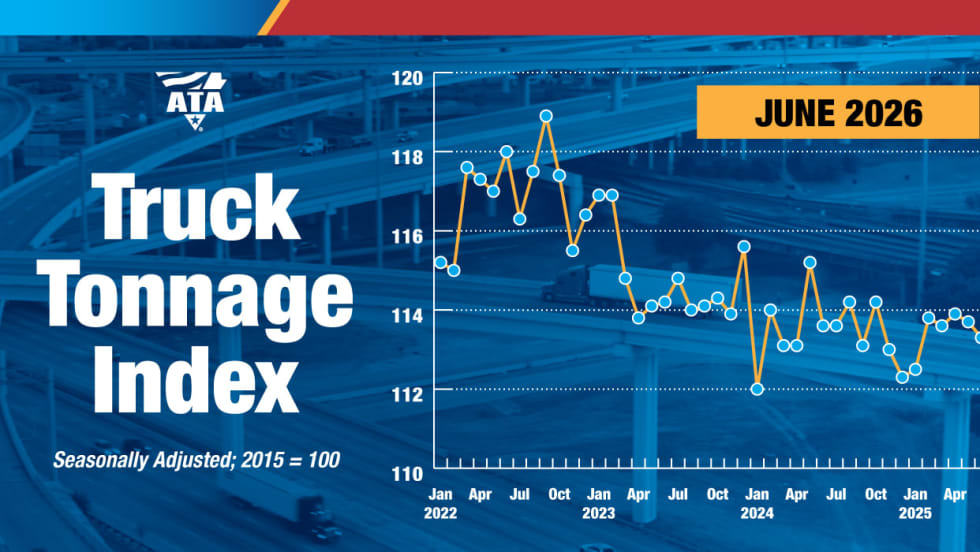
Freight Tonnage Down, Rates up, as Lower Capacity Powers Trucking Recovery
The recovery from the freight recession continues to be driven by reduction in capacity rather than by increased demand.
Read More →
Think Your Trucking Fleet Isn't Using Much AI? Think Again
Shadow AI — the use of unauthorized artificial intelligence tools at work — is becoming increasingly common, putting sensitive company data at risk. Learn how trucking fleets can protect sensitive data while embracing AI.
Read More →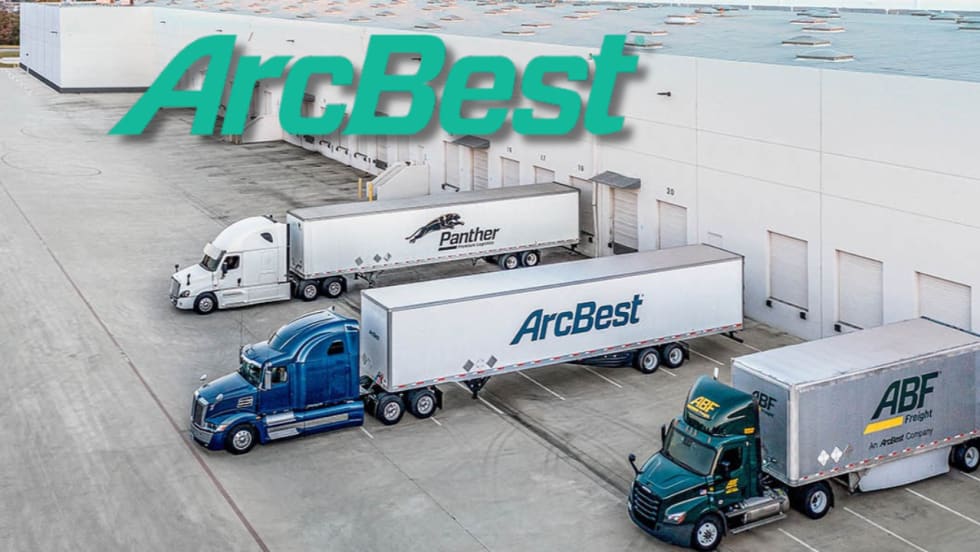
ArcBest Consolidates Brands, Cuts Workforce
The company will bring three business units under the ArcBest brand, eliminate about 2% of positions, and expects the changes to generate $40 million in annual savings.
Read More →
Trucking Fleets Faced Record Operating Costs During Third Year of Freight Recession
ATRI's annual operational cost report shows carriers trimmed fleets, delayed equipment purchases, and ran older trucks as expenses continued to outpace freight rates.
Read More →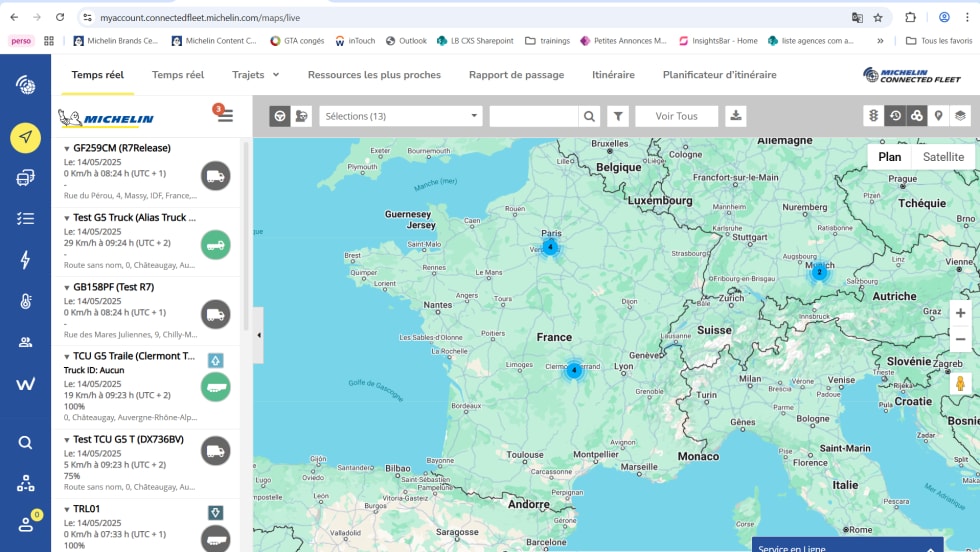
Michelin Adds AI Assistant to MyConnectedFleet Platform
Michelin’s new generative AI tool delivers instant fleet insights, helping managers analyze fuel use, tire maintenance, vehicle status, and operational performance without manually creating reports.
Read More →
LytxOne Platform Now Features AI, Compliance, and Asset Tracking Tools
New enhancements add AI-powered insights, asset tracking, compliance automation, and configurable privacy controls to Lytx's all-in-one fleet management platform.
Read More →