




The Hard Road to Highway Funding
In my January editorial, as part of three resolutions I'd like to see this year, I called on Congress to fix highway funding.

In my January editorial, as part of three resolutions I'd like to see this year, I called on Congress to fix highway funding.
“There's simply no way around the fact that we need to raise more money,” I said. “The federal fuel tax hasn't gone up since 1993. We'd need to be paying 39 cents per gallon of diesel instead of 24.4 cents just to make up for inflation.”
There may have been some confusion about what I meant by that last line. I was simply trying to illustrate how far behind the fuel tax has fallen. I was not saying that Congress should immediately hike the diesel fuel tax by more than 14 cents per gallon. That, of course, is the last thing our industry needs, on top of all the other increased costs we've faced in recent years, from more expensive trucks to meet emissions regulations to healthcare costs.
But the truth remains: There needs to be some sort of increase in highway funding. Fuel taxes have not begun to keep up with the price of maintaining and improving our nation's highways and bridges.
Trying to make up that shortfall all at once would harm not only the industry but also the nation's economy. Any increase in the fuel tax or other funding mechanism needs to be gradual, phased in over a number of years.
In fact, the American Trucking Associations has endorsed a gradual increase in the fuel tax, as has the U.S. Chamber of Commerce, which is headed up by former ATA Chief Tom Donohue.
Longer-term, we're going to have to look for different ways to pay for infrastructure than a per-gallon fuel tax. Trucks and cars alike are becoming more fuel-efficient, so fewer gallons will be purchased. And vehicles that are powered by electricity (full-electric or hybrid), natural gas or propane don't pay their fair share under a system that charges by diesel or gasoline gallons purchased.
A bipartisan blue-ribbon commission several years ago recommended that we move to a tax based on vehicle miles traveled, or VMT. It makes total sense from the standpoint of a fair and accurate way to charge user fees. And with the prevalence of GPS tracking today, it's technologically feasible, even more so than when the report came out. A new report out from The Hamilton Project even says a VMT tax could help cut the federal deficit.
However, there are a lot of questions about privacy concerns. And as The Hamilton Project points out, “A major potential advantage of a mileage-based charging system over traditional taxes is the flexibility to design into such a system the ability to incorporate differential pricing based on time of day, type of vehicle, and so on.”
What do you want to bet “type of vehicle” would mean an effort by some to unfairly target trucks?
Good idea or not, a VMT tax does not seem to have gained much traction on Capitol Hill. Nor have other funding ideas.
In the absence of leadership from Congress, states are stepping up to fill the funding gap. Bonding, fuel and vehicle taxes and other fees are their main funding tools. Around half of the states are using public-private partnerships and tolling, while 37% are using a sales tax to fund transportation. The vehicle mile tax is way down on the list, at 1.4%, although Washington state is trying it out in a pilot project.
At press time, the Virginia General Assembly had just passed a landmark transportation package that replaced the per-gallon fuel tax with a wholesale tax, plus other revenue raisers. I suspect we'll see the 6% wholesale tax on diesel passed on to some extent at the pump, and when it's fully implemented in five years, the package will produce $880 million per year for the state's transportation program, according to supporters.
Whether it's a flat per-gallon fuel tax, a sales tax, a VMT tax, or other funding mechanism, the hard truth is, the trucking industry is going to have to pay its fair share if we want better highways.
But be sure you're in touch with your state and federal elected officials to try to ensure the “fair” part of that.
More Fleet Management

New Independent Contractor Rule Gives Trucking More Clarity
The Labor Department is once again changing how it determines who's an independent contractor. This time, the rule includes specific examples addressing trucking safety requirements, CDLs, and lease-purchase agreements.
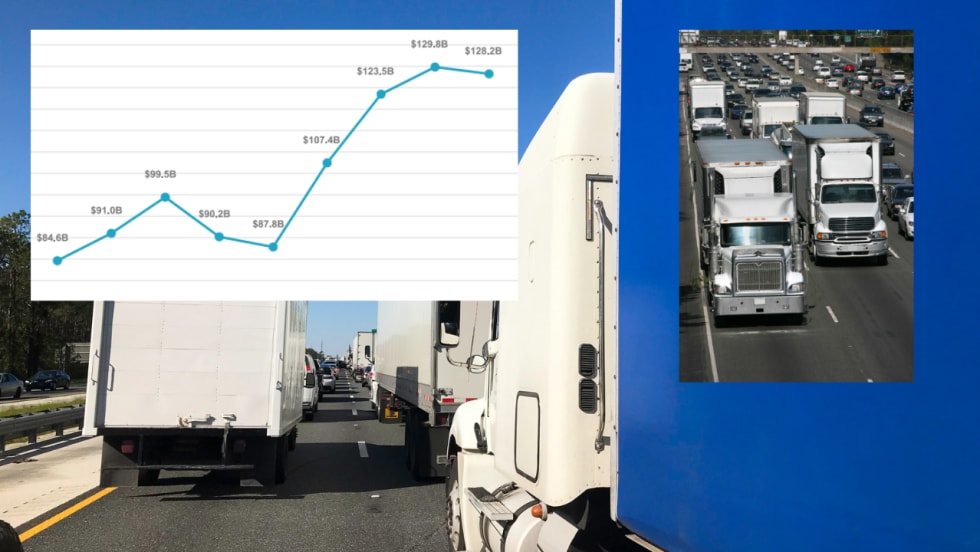
Trucking's Annual Congestion Costs Reach $128.2 Billion
That's the average cost, according to new ATRI research. And the wasted time and diesel are staggering.

How to Modernize Your TMS Without Replacing It [Podcast]
Before investing in a new transportation management system, take a closer look at what you've already got. AI, cloud technology and better integrations may offer ways to improve your trucking operations without starting over.

Could Your Truck's Connected Devices Be a Cybersecurity Risk?
ELDs, telematics systems and driver tablets help fleets operate more efficiently. But every connected device needs protection against cyberattacks.
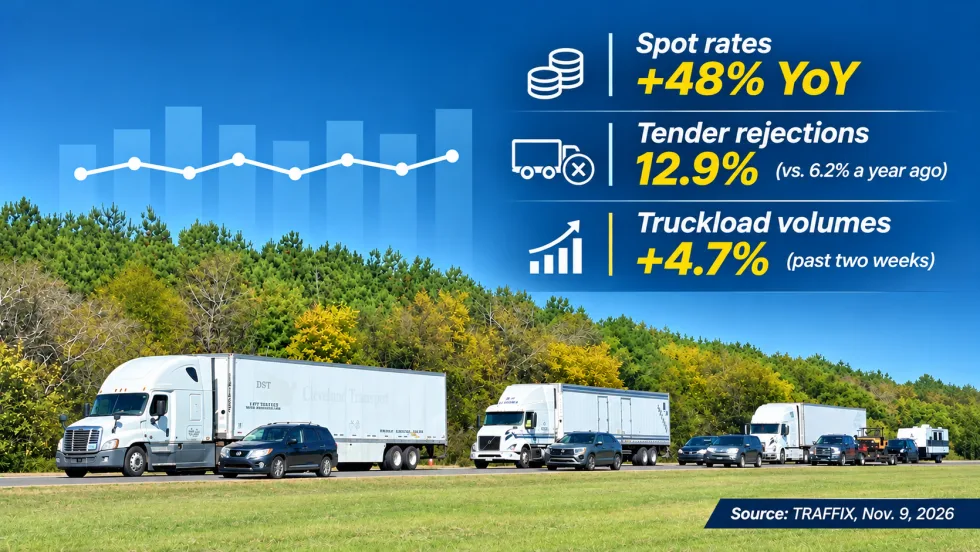
Holiday Freight Meets a Tight Trucking Market
There's no freight boom, but truckload carriers are finding themselves in a stronger position to negotiate rates. And holiday shipping demand could tighten the market further.
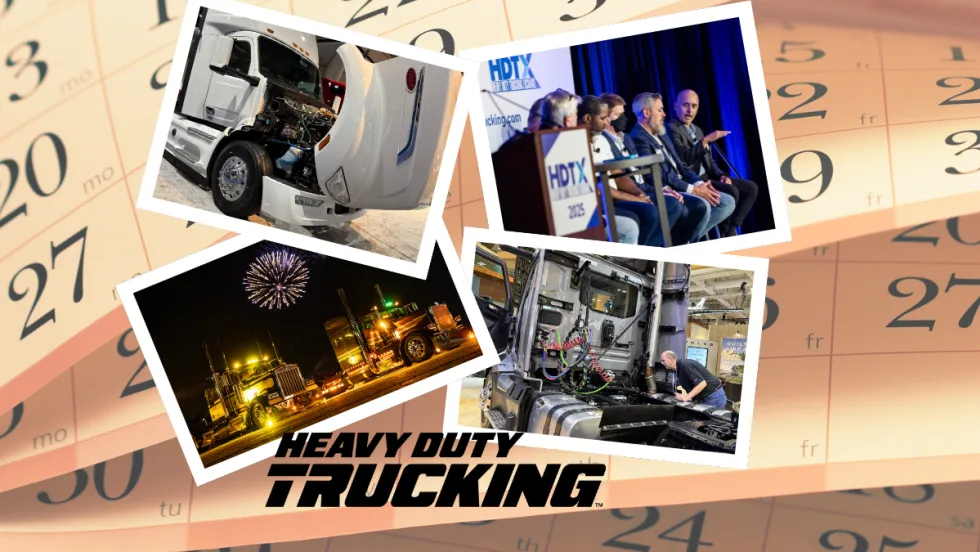
What Trucking Events are Happening in 2027?
Looking for trucking-related conventions, expos, and other events? Heavy Duty Trucking has developed this list of national and larger regional trucking shows and events.
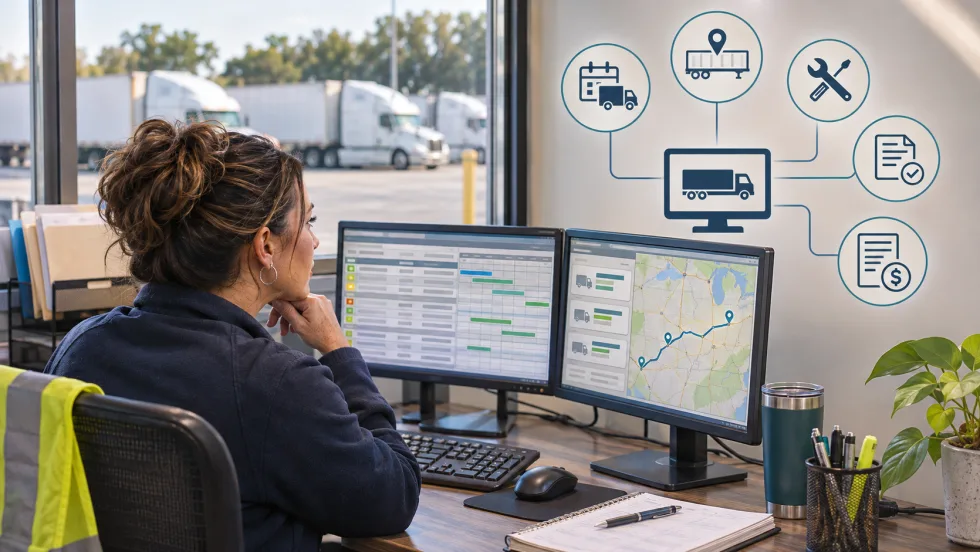
Does Your Trucking Fleet Need a New TMS?
Artificial intelligence and better integrations promise less busywork and more useful data. Can your TMS help your company solve problems? Do you need additional vendors or an upgrade? Or is it time to look for a new platform?
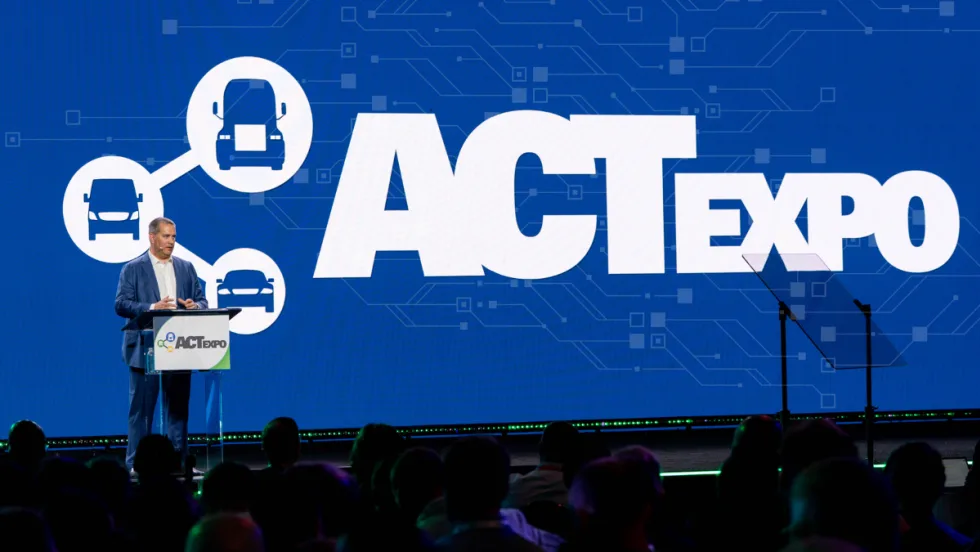
Fleet Costs Shape ACT Expo 2027 Agenda
With diesel prices high and operating expenses under pressure, ACT Expo's 2027 agenda emphasizes fuel efficiency, AI, safety and the return on fleet technology investments.
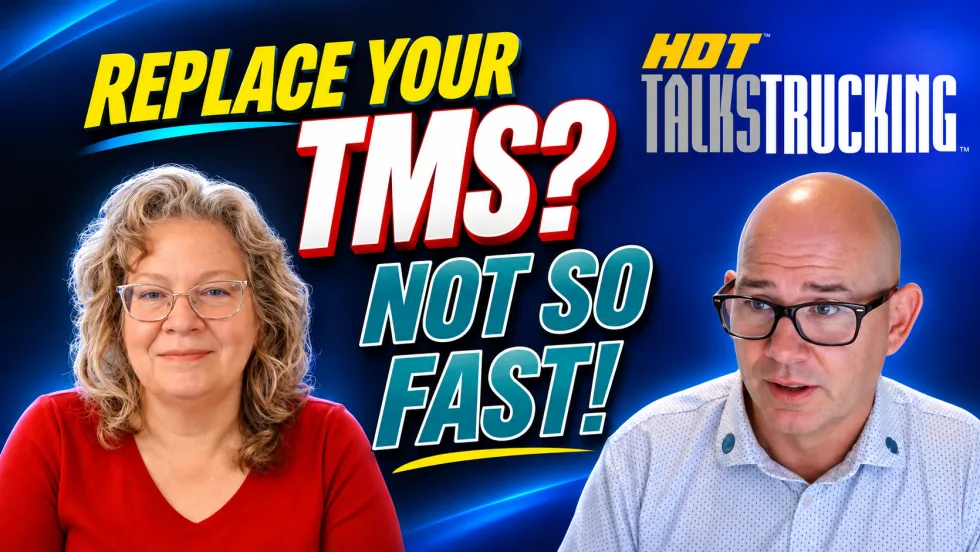
Does Your Trucking Fleet Need a New TMS? [Video]
Cloud technology, AI and new integrations are changing what transportation management systems can do. But does taking advantage of those advances mean replacing your existing TMS?
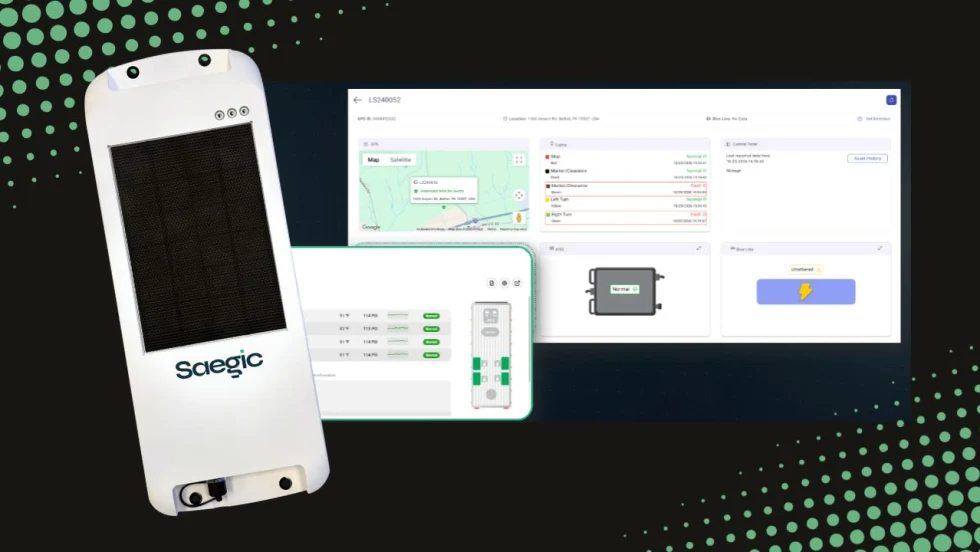
Road Ready Becomes Saegic, Launches New Trailer Telematics Gateway
Clarience Technologies is rolling out new hardware and expanding its plans for connecting trailer telematics, maintenance data, and video.