




The Driver Series
How trucking companies are approaching the recruiting, retaining and training of truck drivers in the midst of an ever-changing industry.

HDT's 3-Part Driver Series on truck drivers in 2018.

HDT's 3-Part Driver Series on truck drivers in 2018.
In the midst of an ever-changing trucking industry, trucking companies are finding new ways to rectruit, retain, and train truck drivers.
Driver Series Articles from the Print Issue
Part 1: Driver Pay - Making the Grade
Throwing money at a problem isn’t always the solution. But if you need to find and keep long-haul truck drivers in today’s competitive job market, how much to increase their pay — in one form or another — has to be a key tactical consideration.
Part 2: With Driver Training, Talk is Not Cheap
How you communicate with and train drivers can pay dividends in safe and efficient operations and in lower turnover.
Part 3: How to Prevent Truck Driver Fatigue
Don’t focus so much on hours of service compliance and electronic logging devices that you fail to address the underlying causes of truck driver fatigue.
Additional Articles:
Fleet Survey Shows Business is Great, Drivers are Scarce
The driver shortage is still affecting two-thirds of survey respondents, with a number commenting that if they could find the qualified drivers, there’s plenty of business for them to add trucks to put them in.
DOT Digs into Data on Driver Detention
A DOT audit report finds that the FMCSA’s current plan to collect data on driver detention is insufficient to the point that any such data collected “may not accurately describe how the diverse trucking industry experiences driver detention, which would limit any further analysis of [detention’s] impacts.”
Uber: Self-Driving Trucks Could Help Alleviate Driver Shortage
Mixed fleets with self-driving long-haul trucks and traditional human-driven regional routes could help the trucking industry address the problem of an aging driver workforce.
Fleets are Chasing Drivers with Better Pay and Quality of Life
In the past few months, many fleets have increased wages in an attempt to find and keep new drivers. Facing high turnover and fewer entrants to the industry, these companies are competing for a pool of talent that is only thinning out each year. But the life of a truck driver can be difficult, and improving pay is only one way to reach them. As a result, fleets are introducing innovative pay packages to help improve quality of life as well.
A Look Behind Baylor Trucking's Driver Pay Raise and Driver Appreciation
“We’re not going to do gimmicks, we’re not going to do asterisks. That’s not who we are. We’ve never had a sign-on bonus and we’re never going to have one. We want you to come here because you believe in us and believe in what we’re doing here, and you trust us to treat you right.”
Commentary: Money Is Not the Only Thing That Speaks to Truck Drivers
The past couple of months have seen a flurry of announcements from fleets raising driver pay. But some are trying something a little different than the usual per-mile increases by also addressing some of the personal and human factors behind driver satisfaction.
Commentary: Why You Should Care About Driver Wellness
Trucking companies care about driver turnover rates and safety, but most have yet to make the connection between these concerns and driver wellness, says HDT's new driver wellness columnist.
More Drivers
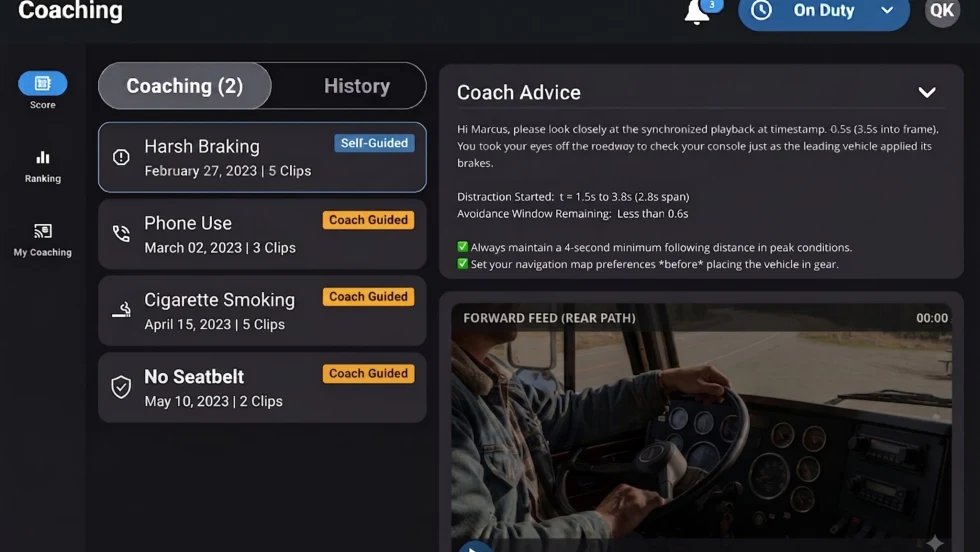
Platform Science Adds Dispatch and Safety Tools
Four additions to PS Fleet help fleets monitor loads, manage driver coaching, share truck locations and adjust video system settings.
Read More →
When Language Stops the Truck: The Return of ELP Out-of-Service Orders
English language proficiency rules for commercial drivers aren’t new, but renewed out-of-service enforcement has raised the stakes. Here’s what carriers need to know before a driver reaches a roadside inspection.
Read More →
Samsara Launches Custom AI Agent Builder
Agent Studio lets fleets create AI tools for hours-of-service monitoring, reporting and driver support, including agents that communicate by phone.
Read More →
Trucker Path Expands Reserved Parking Network
Trucker Path has added close to 6,000 more truck parking spaces to its Trucker Path Reserved Parking Network with the addition of Safe Truck Parking.
Read More →
EEOC Sues Texas Trucking Company Over Driver Age Limits
The agency says Trancasa USA rejected applicants over 65 and applied tougher driving-record standards to those over 60.
Read More →
Nussbaum, Roehl Announce Second Driver Pay Increase This Year
This year has seen a swath of major truck driver pay increases as freight capacity has tightened.
Read More →
From One Generation to the Next: How Mentorship Builds Safer Truck Drivers
After three decades in trucking, Harold Perry shares what he's learned about driver safety, mentorship, and helping the next generation build confidence behind the wheel.
Read More →
Truck Drivers Need More Than Another Alert
Fleets have more visibility into truck health, safety events, and driver activity than ever. The next challenge is turning all that information into useful guidance for the person who has to decide what to do next.
Read More →
FMCSA Removes 110 Truck Driver Training Schools from Certified ELDT List
Federal regulators also are targeting more than 160 additional training providers and launching a nationwide audit of third-party CDL skills testers as part of a broader crackdown on trucking fraud.
Read More →
Hours of Service Pilot Programs: FMCSA Readies for 2027 Rollout
Two pilot programs could eventually reshape hours-of-service rules, giving truck drivers options to pause their 14-hour clock or use longer split sleeper rest periods.
Read More →