




DOT Digs into Data on Driver Detention
An audit slams the Federal Motor Carrier Safety Administration’s plan to collect data on driver detention, noting that the data collected “may not accurately describe how the diverse trucking industry experiences driver detention, which would limit any further analysis of [detention’s] impacts.”


DOT has taken issue with how FMSCA plans to collect data on driver detention. Photo: Dept.of Transportation

DOT has taken issue with how FMSCA plans to collect data on driver detention. Photo: Dept.of Transportation
A newly released Department of Transportation audit report finds that the Federal Motor Carrier Safety Administration’s current plan to collect data on driver detention is insufficient to the point that any such data collected “may not accurately describe how the diverse trucking industry experiences driver detention, which would limit any further analysis of [detention’s] impacts.”
As a result of the audit, the DOT Office of Inspector General is calling for FMCSA to “collaborate with industry stakeholders to develop and implement a plan to collect and analyze reliable, accurate, and representative data on the frequency and severity of driver detention times.”
The report states that FMCSA has “concurred” with the recommendation of the DOT OIG that the agency should “improve future plans for collection of data on driver detention.” OIG also notes that the agency’s position on driver detention is that “shippers and carriers should address the issue among themselves without Government intervention because detention is primarily a market efficiency problem.”
After detailing what else it finds at fault with FMCSA’s current approach to quantifying this issue, the report wraps up sternly: “….does not plan to standardize, validate, or analyze the data it intends to collect beyond publication of basic summary statistics. Consequently, FMCSA’s efforts are unlikely to advance understanding of the scope and effects of driver detention.”
The report adds that DOT’s estimates of the effects of increases in “dwell time relied on dwell time data from 2013. Still, the magnitude of our estimates indicates that detention time is costly and increases safety risks.”
FMCSA Responds in Detail
In an appendix to the DOT report, FMCSA Deputy Administrator Cathy Gautreaux contends that “given the limitations of current data sources identified by OIG, it would be premature to draw any empirical conclusions about the impact of driver detention times on crash rates or driver incomes at this time. Once sufficient, reliable, accurate, and representative data is collected, FMCSA will be in a better position to analyze and understand the potential implications of driver detention.”
Gautreaux also relates what FMSCA has done so far “to further gauge the impacts of driver detention”:
“Identified an average lost time of 1 to 1.7 hours during the December 2014 study on Driver Detention Times in Commercial Motor Vehicle Operations
“Established the coercion final rule, 80 FR 74695 - Prohibiting Coercion of Commercial Motor Vehicle Drivers, to safeguard a motor carrier or its employees from being compelled to violate federal safety regulations, such as drivers’ HOS limits, commercial driver’s license regulations, drug and alcohol testing rules, and hazardous materials regulations. The rule provides FMCSA with the authority to take enforcement action and issue stiff fines against motor carriers, shippers, receivers, and transportation intermediaries. These enforcement actions will serve as an indicator of the size of the problem. Complaint data is maintained by the Agency, and this data, along with data on enforcement actions relating to coercion will be a useful indictor as to the scope of the problem, and allow FMCSA to address detention times immediately with the shipper through enforcement
“Requested the Motor Carrier Safety Advisory Committee (MCSAC) discuss the issue of Driver Detention time at its June 12, 2017 meeting. FMCSA presented its response to Section 5501 of the FAST Act requirements, which required FMCSA to establish by regulation a process to collect data on delays experienced by operators of commercial motor vehicles before the loading and unloading of such vehicles and at other points in the pick-up and delivery process. MSCAC members stated the underlying problem regarding detention time is that unlike workers in other transportation modes, drivers often are not paid during detention time, resulting in a lack of incentives for shippers and receivers to fix the detention problem. MCSAC’s recommendations included the following: (1) improve the supply chain; (2) use the Australian model, where shippers and receivers are included in the safety regime; (3) gather data to better show the extent of the problem; and (4) ensure adequate enforcement and monitoring of where improvements are made.”
FMCSA's Plan to Reach Out on Detention
Going forward, Gautreaux wrote that FMCSA plans to address OIG’s data collection recommendation by “engaging industry stakeholders to discuss potential methods to collect representative data on the frequency and severity of driver detention times.”
To that end, the agency plans to put a “reporting form” on its public website that drivers and carriers can use to voluntarily submit data on detention. FMCSA plans to implement this by December 31, 2019.
The audit was carried out to comply with provisions of the FAST Act highway bill, which became law in late 2015. That legislation required FMCSA to issue regulations on collection of data on delays experienced by truckers before loading and unloading.
It also directed the OIG to report on the effects of driver detention. “Accordingly,” stated OIG, “we conducted this audit to (1) assess available data on delays in motor carrier loading and unloading, and (2) provide information on measuring the potential effects of loading and unloading delays. In addressing our objectives, we also reviewed FMCSA’s plan to collect data on driver detention.”
It has been noted elsewhere in the industry, at least since last year if not earlier, that with the mandated implementation of electronic logging devices, carriers will be able to easily track which customers are holding up drivers the longest. Fleets, without any government action whatsover, could analyze this data and make operational decisions to help reduce driver fatigue and dissatisfaction at customer locations.
More Drivers
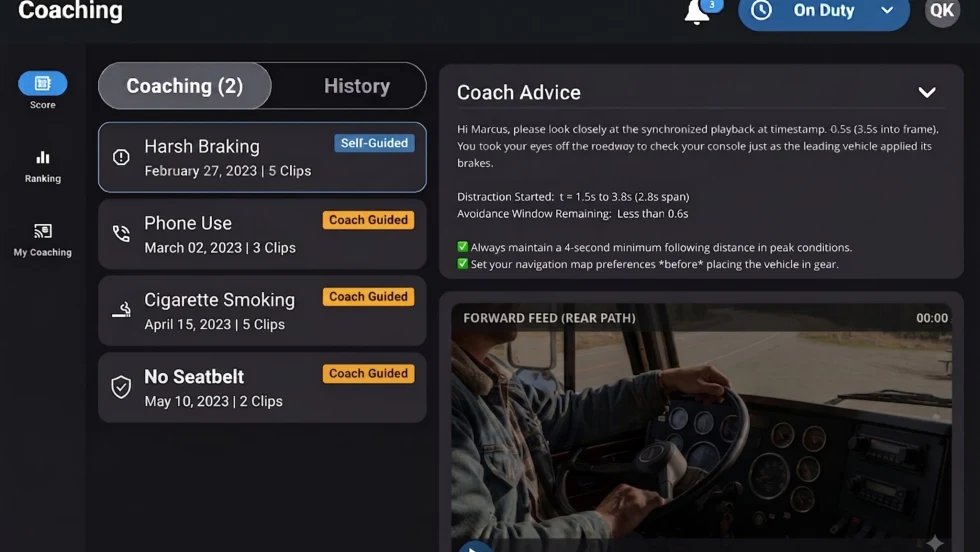
Platform Science Adds Dispatch and Safety Tools
Four additions to PS Fleet help fleets monitor loads, manage driver coaching, share truck locations and adjust video system settings.
Read More →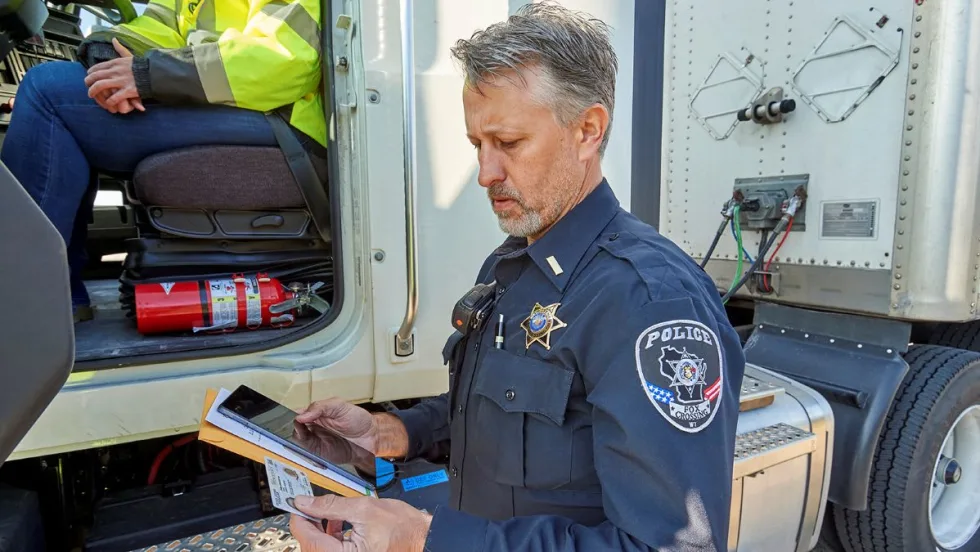
When Language Stops the Truck: The Return of ELP Out-of-Service Orders
English language proficiency rules for commercial drivers aren’t new, but renewed out-of-service enforcement has raised the stakes. Here’s what carriers need to know before a driver reaches a roadside inspection.
Read More →
Samsara Launches Custom AI Agent Builder
Agent Studio lets fleets create AI tools for hours-of-service monitoring, reporting and driver support, including agents that communicate by phone.
Read More →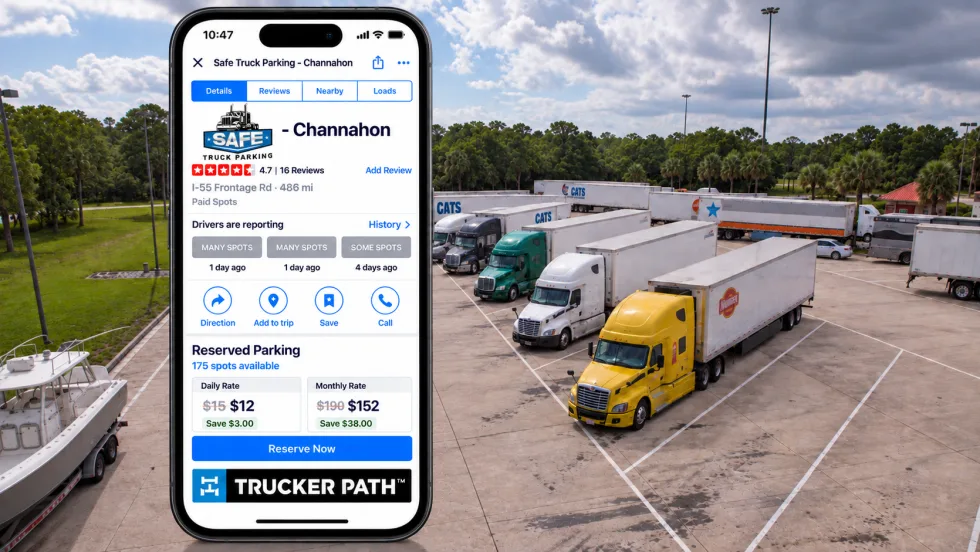
Trucker Path Expands Reserved Parking Network
Trucker Path has added close to 6,000 more truck parking spaces to its Trucker Path Reserved Parking Network with the addition of Safe Truck Parking.
Read More →
EEOC Sues Texas Trucking Company Over Driver Age Limits
The agency says Trancasa USA rejected applicants over 65 and applied tougher driving-record standards to those over 60.
Read More →
Nussbaum, Roehl Announce Second Driver Pay Increase This Year
This year has seen a swath of major truck driver pay increases as freight capacity has tightened.
Read More →
From One Generation to the Next: How Mentorship Builds Safer Truck Drivers
After three decades in trucking, Harold Perry shares what he's learned about driver safety, mentorship, and helping the next generation build confidence behind the wheel.
Read More →
Truck Drivers Need More Than Another Alert
Fleets have more visibility into truck health, safety events, and driver activity than ever. The next challenge is turning all that information into useful guidance for the person who has to decide what to do next.
Read More →
FMCSA Removes 110 Truck Driver Training Schools from Certified ELDT List
Federal regulators also are targeting more than 160 additional training providers and launching a nationwide audit of third-party CDL skills testers as part of a broader crackdown on trucking fraud.
Read More →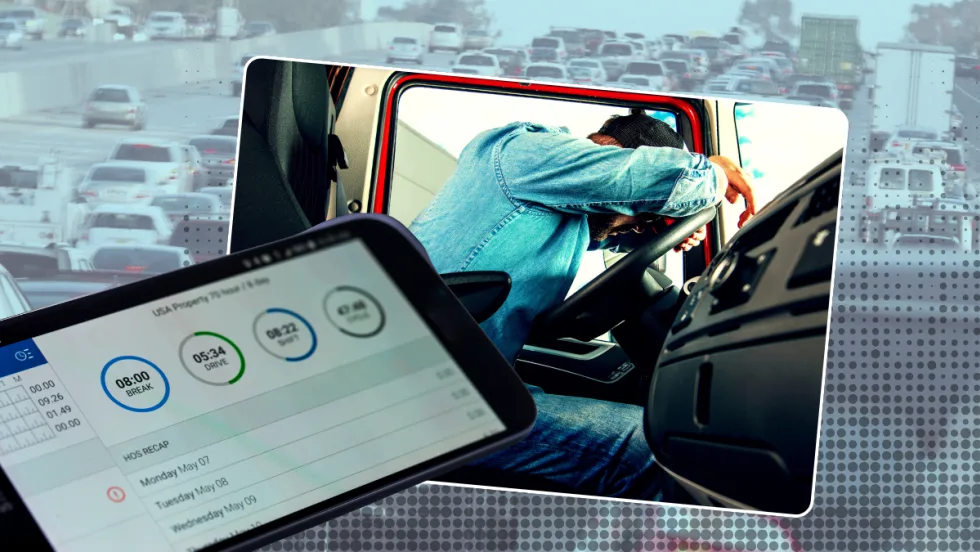
Hours of Service Pilot Programs: FMCSA Readies for 2027 Rollout
Two pilot programs could eventually reshape hours-of-service rules, giving truck drivers options to pause their 14-hour clock or use longer split sleeper rest periods.
Read More →