




The 2007 Engines Are Here Now
It's an impressive roll-out, but it's gonna cost us. And 2010 regs are just over the horizon. We need to make noise and get legislative relief.


The last few months have been extra busy times as the hardware to meet 2007 emissions regulations rolls out. And it's been a very impressive roll-out. Where previous emissions changes have been substantially the responsibility of the engine manufacturers, this time it's very much a four-way effort. As well as engine modifications from several of the engine guys – some of them fairly extensive – we'll be seeing new engine platforms from Volvo and Mack, from Detroit Diesel and from International.
And to support the new engines comes fuel changes from low sulfur today to the ultra-low sulfur that is time-tabled to be at the pumps as you read this. Lubricant suppliers have had to reformulate engine oils to be compatible with the new engines and particularly for the diesel particulate filters that will become a feature of all new diesel trucks – and diesel cars, too.
And all this has to be packaged into the trucks themselves, resulting in significant changes to existing models and major new introductions from International in the ProStar, from Kenworth and Peterbilt with models to replace their most popular conventionals and Mack overhauling the Vision and relaunching it as the Pinnacle. Watch out next year for a new model from Freightliner, available mid-year and likely to be powered by the new 14.8-liter HDE.
So much change is enough to make a truck specifier tear his hair out. But take heart. While there's change in all directions, for 2007 it appears to be managed very well. There's not the uncertainty that accompanied the October 2002 debacle, when regulators pushed some engine manufacturer's to reach a new standard two years earlier than originally planned.
This time, the engine manufacturers are confident that things are under control, deadlines will be met and service is in place. No one is calling for changes to spec'ing – gearing, for instance – or even for abandoning extended oil drains, though only when accompanied by oil sampling.
Major fleets have had a chance to run trucks with the new power and so far, we have heard no horror stories. In fact, everything I have seen or driven seems to be ready for the January 1st deadline.
Of course, that hasn't prevented a pre-buy. Nor should it, for the simple reason that the new technologies are going to cost more – anywhere from $6,000 to $11,000 per truck. Faced with that sticker shock, it would be fiscally irresponsible not to pull ahead purchases when possible to avoid the increased costs of the lower emissions technologies.
Now, with 2007 a virtually done deal, we are heading for the much more stringent requirements of 2010 when, in many EPA non-attainment areas, diesel-engined vehicles will actually be putting out cleaner exhaust than the air they pull in. That's where we'd all like to head, but there will most certainly be some Herculean challenges there.
From the information before us, it seems certain that everyone will make the 2010 step, but that once again it will result in a price increase for the vehicles. So isn't it appropriate that everyone affected – manufacturer, dealer and customer – start making some noise about credits to get these next generation air-cleaning machines on to the roads as quickly as possible?
We have only three years to get legislative attention. Tax breaks never seem to be popular, but clean air is. We have a really good story to tell that should play well with media and legislators alike.
We just need to get the word out.
More Fleet Management

How Innovative Trucking Leaders Turn Change Into an Advantage
As the pace of change accelerates in trucking, the fleets that adapt best have more than the latest technology. They have cultures that embrace improvement.
Read More →
Freight Broker Bonds Just Got Harder to Get. Here's What That Means for Your Fleet.
When it gets harder for a freight broker to prove they are financially sound, the ones who cannot clear that bar get pushed out of the market. And those are exactly the brokers who used to leave motor carriers holding the bag.
Read More →
Long-Awaited Canadian Border Bridge to Open in Detroit
For trucking, the bridge opening should offer immediate improvements in efficiency and reliability, with new customs facilities, expanded inspection capacity, and direct freeway-to-freeway connections.
Read More →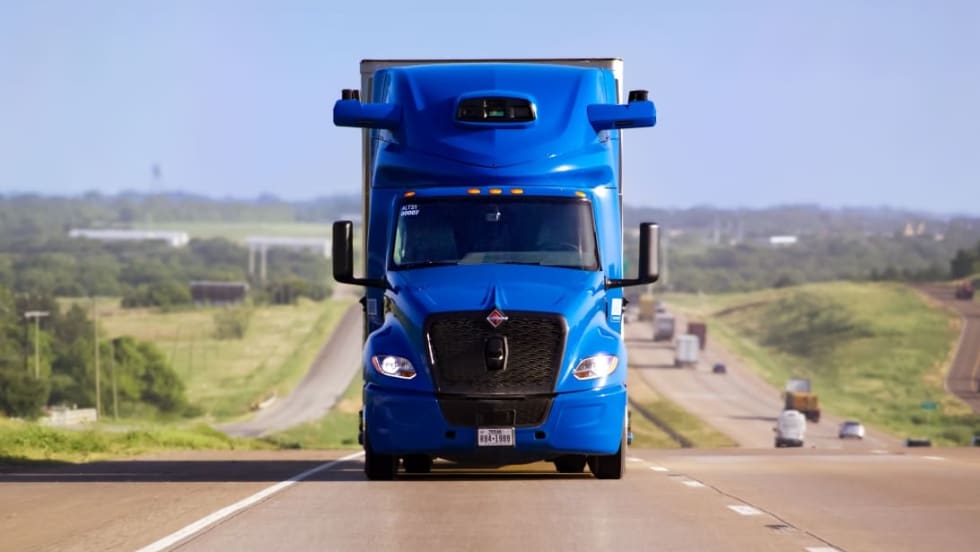
Aurora Rolls Out Next Generation of Driverless Trucks for Commercial Freight
Aurora's latest autonomous trucks it's rolling out with International feature lower-cost hardware designed for a million miles as the company expands commercial driverless freight operations across the U.S. Sun Belt.
Read More →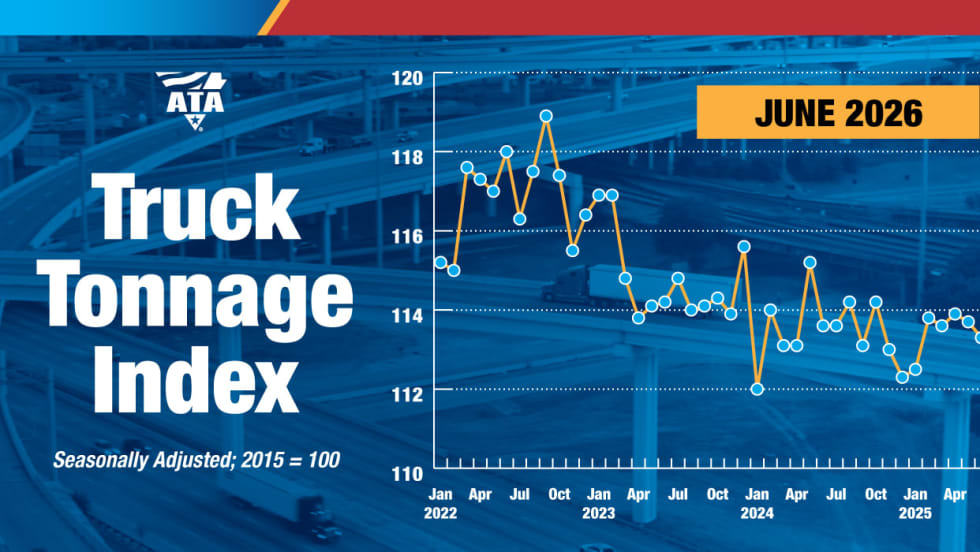
Freight Tonnage Down, Rates up, as Lower Capacity Powers Trucking Recovery
The recovery from the freight recession continues to be driven by reduction in capacity rather than by increased demand.
Read More →
Think Your Trucking Fleet Isn't Using Much AI? Think Again
Shadow AI — the use of unauthorized artificial intelligence tools at work — is becoming increasingly common, putting sensitive company data at risk. Learn how trucking fleets can protect sensitive data while embracing AI.
Read More →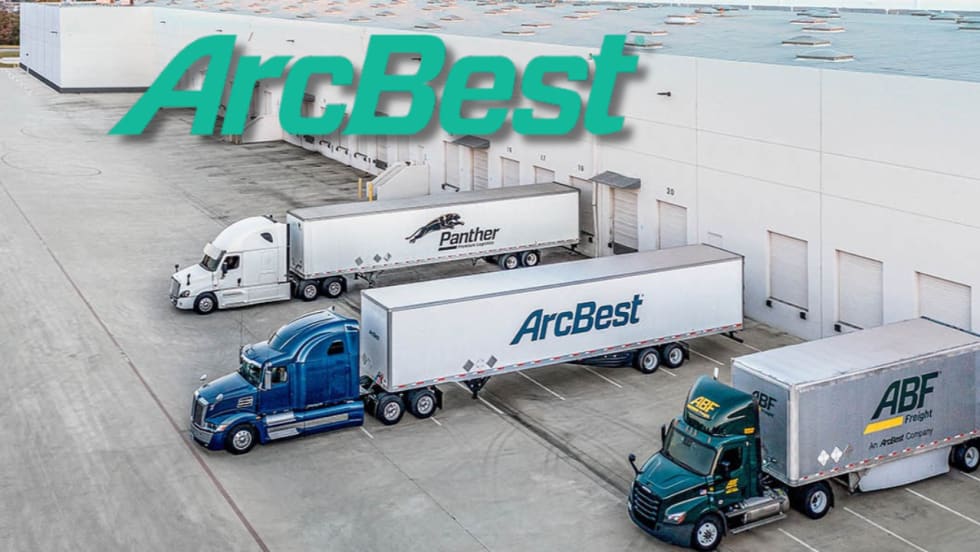
ArcBest Consolidates Brands, Cuts Workforce
The company will bring three business units under the ArcBest brand, eliminate about 2% of positions, and expects the changes to generate $40 million in annual savings.
Read More →
Trucking Fleets Faced Record Operating Costs During Third Year of Freight Recession
ATRI's annual operational cost report shows carriers trimmed fleets, delayed equipment purchases, and ran older trucks as expenses continued to outpace freight rates.
Read More →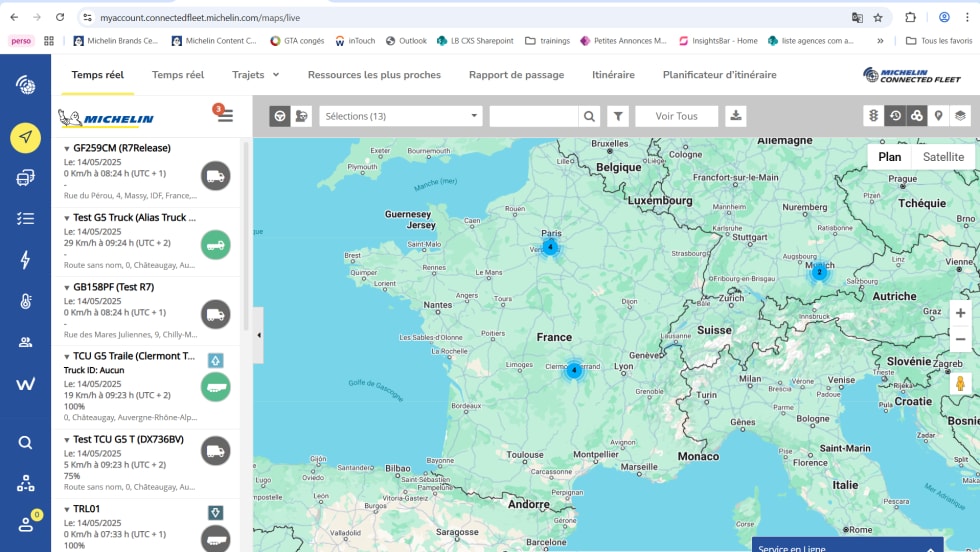
Michelin Adds AI Assistant to MyConnectedFleet Platform
Michelin’s new generative AI tool delivers instant fleet insights, helping managers analyze fuel use, tire maintenance, vehicle status, and operational performance without manually creating reports.
Read More →
LytxOne Platform Now Features AI, Compliance, and Asset Tracking Tools
New enhancements add AI-powered insights, asset tracking, compliance automation, and configurable privacy controls to Lytx's all-in-one fleet management platform.
Read More →