




STAA Whistleblower Claims Taking Bite Out of Interstate Commerce Firms
There's been an increase in claims of retaliation under the Surface Transportation Assistance Act of 1982. These STAA whistleblower claims are being filed by truck drivers who are contracted/employed by motor carriers.

There's been an increase in claims of retaliation under the Surface Transportation Assistance Act of 1982. These STAA whistleblower claims are being filed by truck drivers who are contracted/employed by motor carriers.
Claims of retaliation include allegedly discriminatory actions taken against workers, such as termination, being blacklisted, demotion, and more.
According to an e-newsletter by trucking defense attorney James F. Mahoney, this type of claim filing has increased about 30 percent in the last few years.
It's an issue of increased liability exposure for motor carriers and similar businesses. The following Q&A on STAA whistleblower claims will bring you up to speed on the issue — and provide tips on how to avoid this risk:
Who Could Be Affected by STAA Whistleblower Claims?
This issue affects pretty much everyone involved in interstate commerce: motor carriers, third-party logistics firms, leasing agents, freight forwarders, and freight brokers. If your firm participates in interstate commerce, you're at risk.
What's the Surface Transportation Assistance Act All About?
The STAA contains anti-retaliatory provisions based on perceived or actual control over employees. (You'll see that definitions of "control" and "employees" are broad).
According to Mahoney:
"Under the STAA, the definition of employee is broadly interpreted to include a driver of a commercial motor vehicle, including an independent contractor, or a mechanic, a freight handler, or an individual who is not an employer who directly affects commercial motor vehicle safety or security in the course of employment by a commercial motor carrier."
Employees, under the law, also include people who used to perform the work and people who applied for the work.
When it comes to STAA whistleblower claims, the big issue is control. In the course of interstate commerce, a firm may seem to demonstrate "control" over an employee (regardless of whether the employee actually draws a paycheck from the firm).
Mahoney gives a good example of "a freight broker pushing a motor carrier's driver to meet an appointment." In the eyes of STAA, the broker appears to be a joint employer.
How is a STAA Compliant Filed?
Now that you have the background on STAA and employee control, let's dig deeper into potential violations of the law.
STAA prohibits discriminatory action by an employer for one of two types of actions:
1.) The employee refused to operate a vehicle because operation violated a regulation, standard, or order related to commercial motor vehicle safety, health, or security. (Reasons for refusal include fatigue, poor weather, Hours of Service limitations, and many others.)
2.) The employee refused to operate a vehicle because he had reasonable apprehension of serious injury to himself or the public because of the vehicle's hazardous safety or security conditions.
The only thing an employee needs to do make a complaint against a firm is present circumstantial evidence (i.e., evidence that points indirectly at someone's guilt but cannot prove it conclusively) that the discriminatory action occurred in the same period as the complaint.
Discriminatory actions that can lead to complaints (and ultimately awards, should a case go against a firm) include:
Termination
Being blacklisted
Demotion
Denial of overtime or promotion
Discipline
Denial of benefits
Not being hired or rehired
Intimidation
Receiving threats
Reassignment affecting promotions
Reduction in pay or hours
Undesirable loads
What's the Bottom Line for Motor Carriers, Logistics Firms, and Anyone Else Who Participates in Interstate Commerce? What's Really at Stake?
Should your firm be found culpable for this type of claim, the award likely isn't covered by insurance.
A firm could be on the hook for reinstatement, back pay plus interest, medical expenses, compensatory damages and punitive damages (up to $250,000).
Firms that lose this type of claim may have to post notices about STAA rights for employee review. Unfavorable remarks on an employee's personnel record regarding the incident(s) may be required to be removed.
In short, your revenue, profitability, and long-term success are at risk should your firm face a pricey complaint.
What Action Should I Take to Mitigate this Risk?
Prevention is the best way to head off STAA whistleblower claims. Following are action items to start without delay:
Form a relationship with a transportation attorney who can provide sound legal advice and representation for your unique firm.
Know your operations and the Federal Motor Carrier Safety Regulations inside and out.
Train up anyone who may be viewed as a supervisor, including dispatchers, freight brokers, and driver managers.
Review and revise your employee handbooks as needed to urge your team to make internal reports of perceived non-compliance and unsafe conditions.
It's important to make sure drivers and managers know safety comes first. Operational efficiency and getting the job done obviously are important, but not at the expense of safety or breaking the law.
This article originally appeared on the HNI blog. Used with permission. HNI is a non-traditional insurance and business advisory firm.
More Drivers

Trump Administration Looks to Put More Veterans Behind the Wheel
The Freedom Haulers program pulls together existing and expanded programs at several federal agencies to recruit veterans to drive commercial heavy-duty trucks and cut the red tape for them to get a CDL, training, and employment.
Read More →
Putting Mack’s Command Steer to the Test
A test drive of Mack’s Command Steer active steering system evaluates how it can make truck driving easier and less tiring.
Read More →
Competition Heating Up for Truck Drivers
New report reveals rising driver hiring costs, the return of sign-on bonuses, growing AI advantages, and the operational factors shaping driver retention.
Read More →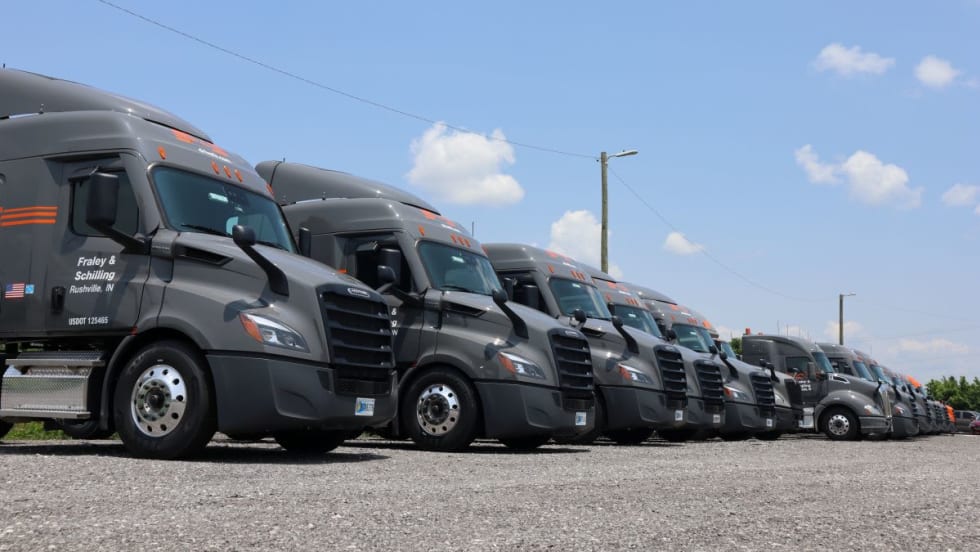
How Fraley & Schilling Improved Logbook Compliance by Over 50%
Fraley & Schilling needed a way to close a compliance workflow gap in its ELD system without adding more work from driver training, reminders, and back-office follow-ups. It found the answer in a custom driver app.
Read More →
Volvo Goes Gaming
Volvo has roared into American Truck Simulator with two new flagship trucks.
Read More →
What the Best Fleets to Drive For Teach About Driver Retention
Survey fatigue, AI-powered routing, owner-operator expectations, and the decline of social media all emerged as themes from this year's Best Fleets to Drive For program.
Read More →
Driver Retention Lessons From the Best Fleets to Drive For
What separates trucking's best workplaces from the rest? Jane Jazrawy shares the biggest lessons from this year's Best Fleets to Drive For program on driver retention, communication, AI, and workforce trends on the HDT Talks Trucking podcast.
Read More →
Farewell, CDL: Why I'm Giving Up My Commercial Driver's License
After more than 20 years as a CDL holder, HDT Executive Editor Jack Roberts is letting his commercial license expire. Not because he wants to — but because trucking's nuclear verdict crisis has made the risks of public-road test drives too great for editors, manufacturers, and everyone involved.
Read More →
How Top Trucking Fleets Improve Driver Retention [Video]
What do healthy snacks, optimized routing, and just picking up the phone have in common? They're all strategies the Best Fleets to Drive For are using to retain truck drivers.
Read More →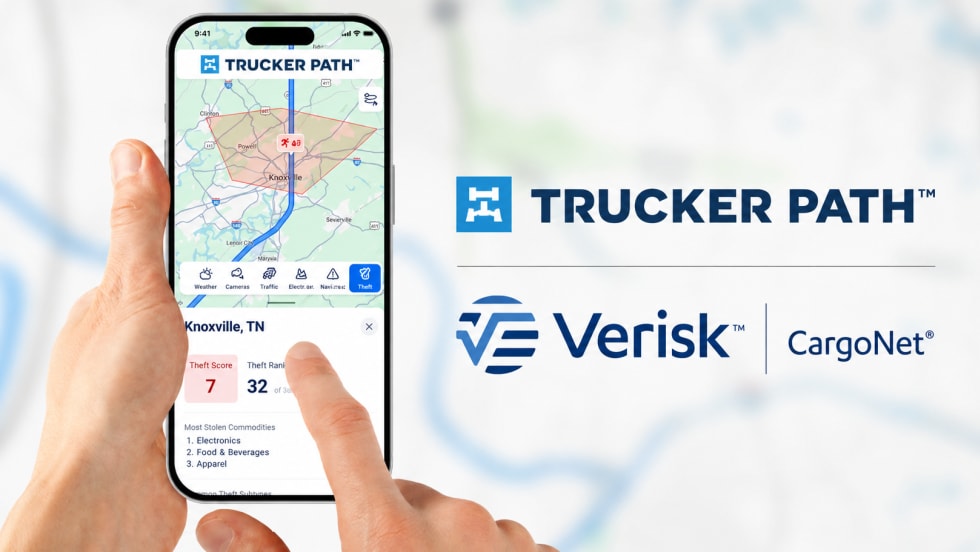
Trucker Path Adds Verisk CargoNet Theft Data to Navigation Platform
Trucker Path’s new cargo theft risk overlays give drivers and fleets visibility into high-risk areas, stolen commodity trends, and theft hotspots.
Read More →