




Retreads are Greener than New Tires
An independent analysis comparing the relative carbon footprints of new tires and retreaded tires has concluded that the process required to manufacture and distribute a retreaded tire produces significantly less carbon emissions than that required to produce a new tire
An independent analysis comparing the relative carbon footprints of new tires and retreaded tires has concluded that the process required to manufacture and distribute a retreaded tire produces significantly less carbon emissions than that required to produce a new tire.
The report, commissioned for the Centre for Remanufacturing and Reuse and carried out by carbon footprint specialists Best Foot Forward, compares the carbon footprint of a new and a retread 17.5-inch tire for use by light commercial vehicles.
This study showed that the manufacture of a 17.5-inch new tire produces 86.9 kg CO2 emissions compared to 60.5 kg CO2 for an equivalent retread tire, a saving of 26.4 kg. This equates to a reduction of emissions by 30 percent.
The report breaks down the carbon footprint of the tire comparing the impacts arising from different product stages. It showed that the embodied carbon of materials is the largest component for both new tires and retreads accounting for more than 50 percent of the total impact. It is responsible for 49 kg of CO2 in new tires compared to 31 kg CO2 in retreads.
The second largest impact is attributed to the energy needed in the manufacturing and retreading process. The energy used to manufacture a new tire produces 31 kg CO2, while retread energy is 22 kg CO2.
The footprint of transport is roughly the same for both tire types. In total transport emissions add almost 10 kg CO2 for a new tire and over 8 kg CO2 for a retread. The higher emissions for transport of new tires come from the long distance import of raw materials from overseas.
Overall, the study found that retreading tires is more environmentally beneficial than buying new, with the retreading of light commercial vehicle tires reducing carbon dioxide emissions by 26.4 kg and giving material savings of 17.6 kg.
"It is very gratifying to see that an independent report has validated the retreading industry's environmental credentials. We have always emphasised the environmentally friendly characteristics of retreaded tires and can now prove that retreads compare very favorably in terms of environmental impact when compared to new tires," said David Wilson, director of the Retread Manufacturers Association, which represents the British retreading industry.
More info: www.retread.org
More Products

More Trailer Data Through the Same Seven-Way [Video]
Can trucking’s standard seven-way connector handle more cameras and trailer data? Grote’s Adam Slade shows HDT how the company is using new technology with its 4See trailer system, not only to add a new backup camera but also to expand other capabilities — without adding another connection.
Read More →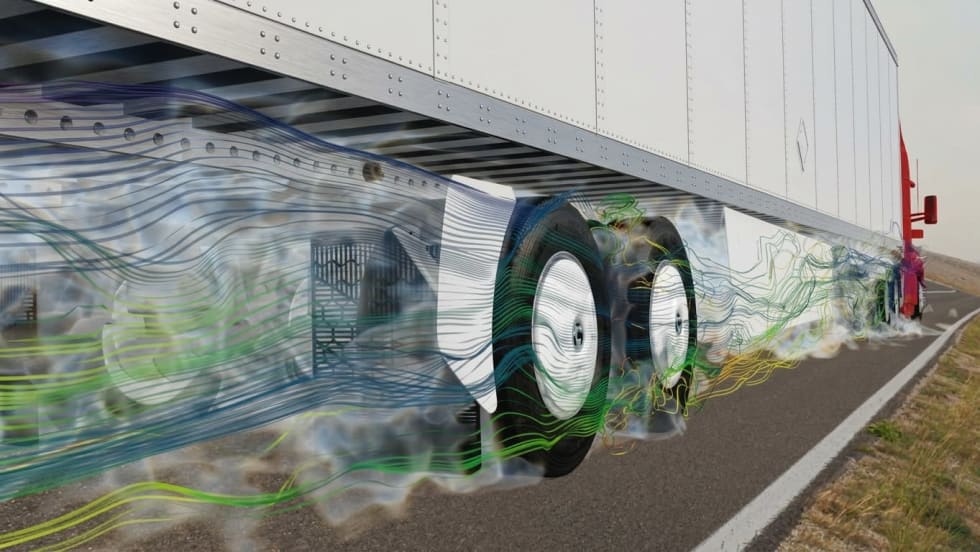
FlowBelow Redesigns Trailer AeroSlider to Cut Fuel Use
The lighter trailer aerodynamic system installs in less than 45 minutes, according to the company, with potential payback in under a year depending on fuel prices and trailer mileage.
Read More →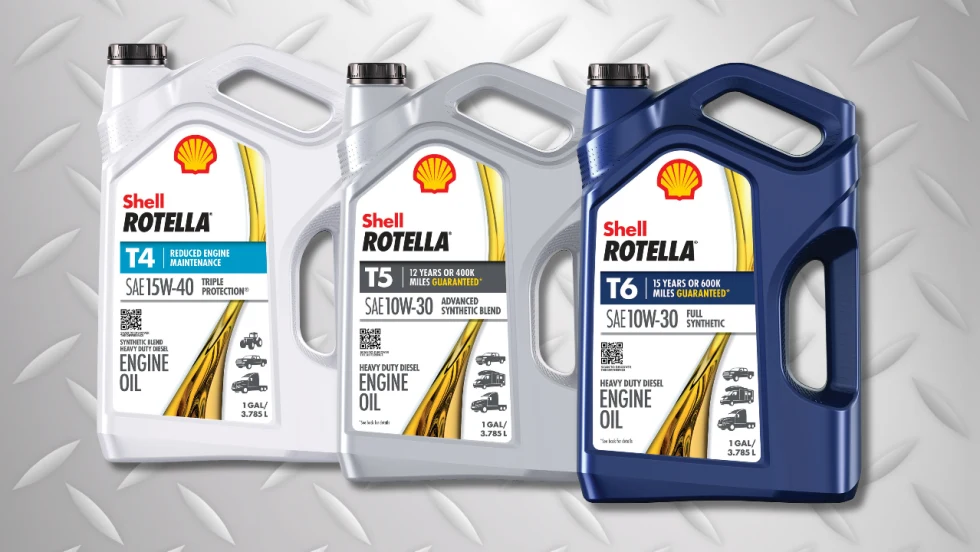
Shell Prepares Rotella Oils for 2027
New CL-4 and FB-4 formulations will begin arriving in early 2027, with improved protection against oil breakdown, wear and deposits, according to Shell.
Read More →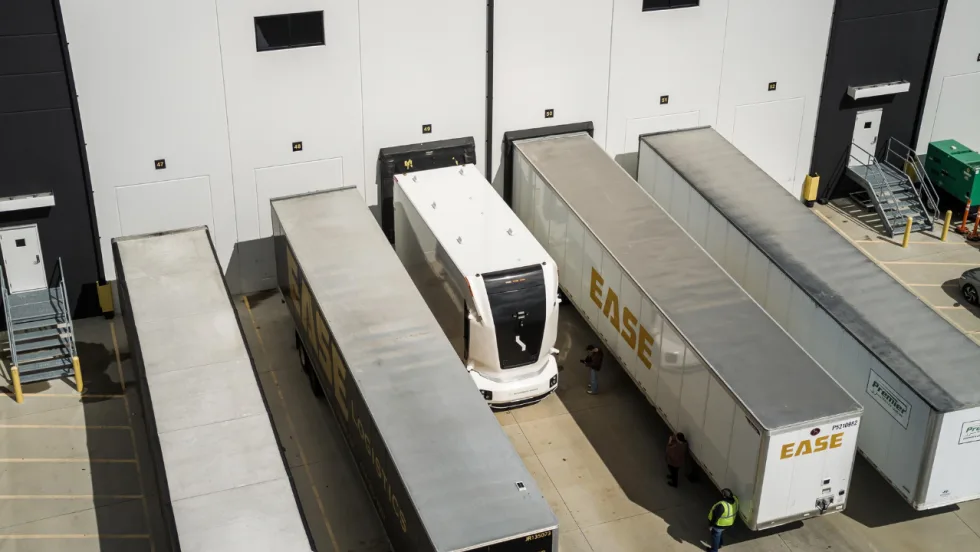
Einride Driverless Electric Trucks Begin Daily Freight Operations in Ohio
Two cabless electric trucks are hauling freight between EASE Logistics facilities in Marysville, Ohio, as part of a multi-state truck automation project.
Read More →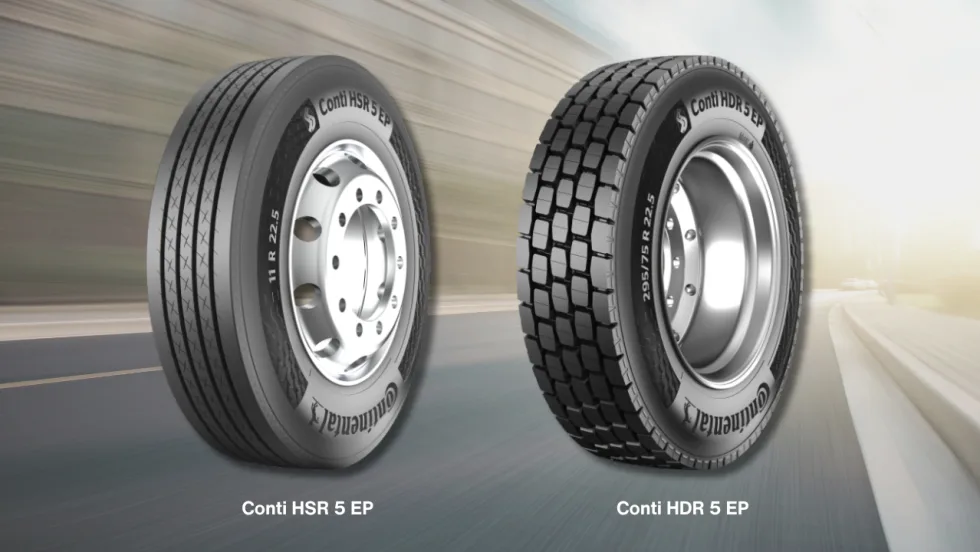
Continental Introduces New Regional Truck Tires
Continental says its new Generation 5 steer and drive tires for regional operations offer longer tread life, with estimated mileage gains of 22% and 19%, respectively.
Read More →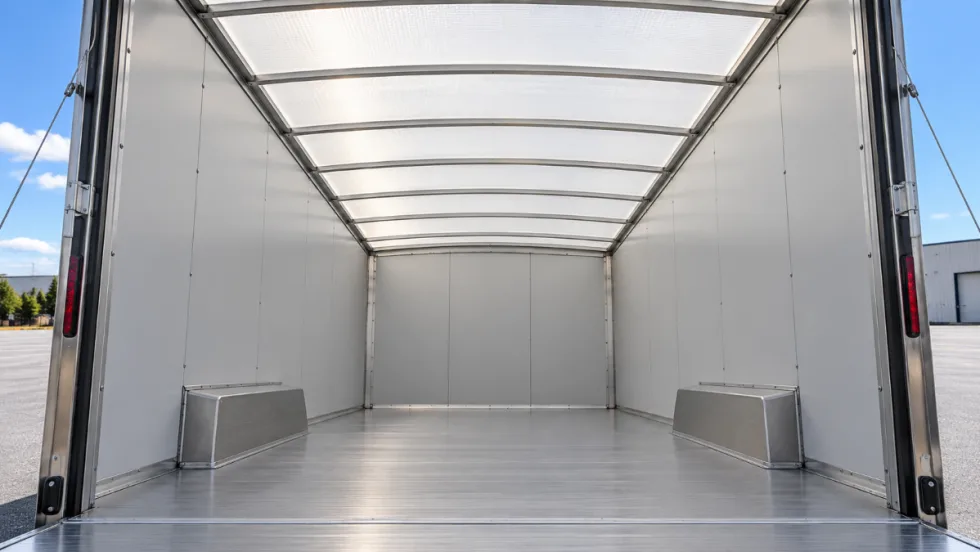
Tekmodo Introduces CargoBright Brand for Translucent Trailer Roofs
CargoBright is designed to diffuse daylight across the cargo area while performing as a working vehicle roof.
Read More →
Michelin Tire Improves Efficiency and Durability for Regional Fleets
The Michelin X Multi Energy D2 is a regional haul drive tire engineered to help fleets improve fuel efficiency, durability and traction in demanding stop-and-go operations.
Read More →
What Geotab's New AI Connector Means for Fleets
Fleets can now ask their usual AI assistants questions about maintenance, safety, fuel use, and vehicle performance, using their live Geotab data, and take action on the answers without leaving their preferred AI tool.
Read More →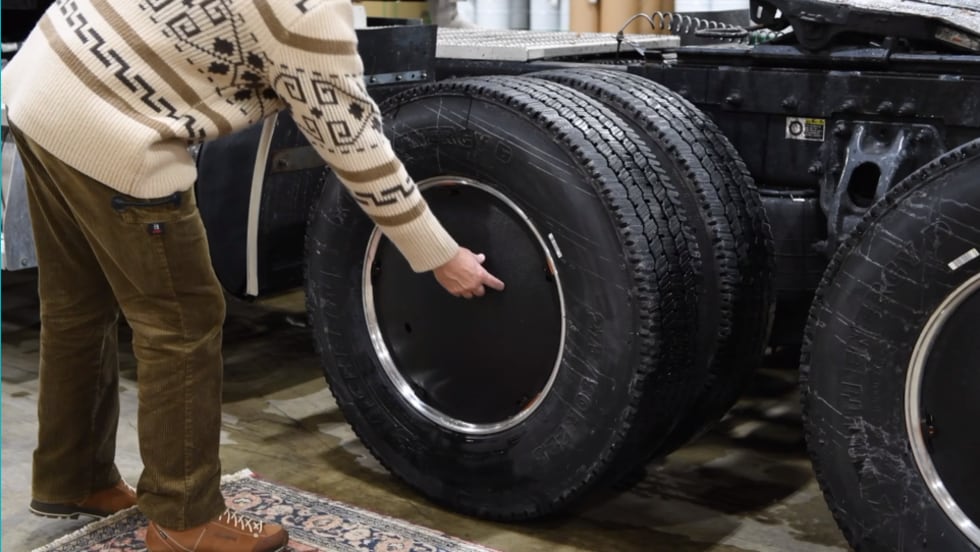
Deflecktor: Hubbub Aerodynamic Wheel Cover Cost-Effective Even for Trailers
Aerodynamic wheel covers can deliver small but meaningful fuel-economy gains for fleets, and Deflecktor says its latest design aims to make the technology easier and more affordable to deploy.
Read More →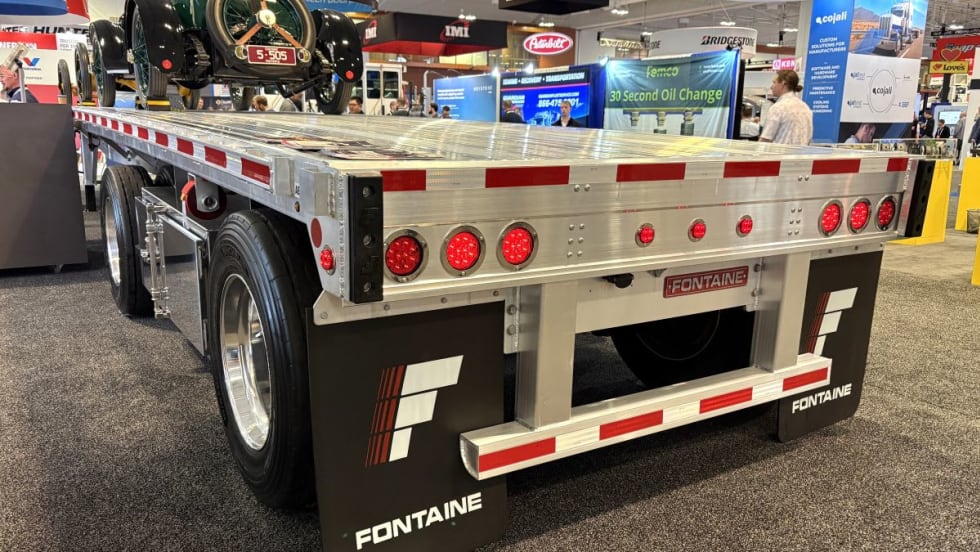
Fontaine Expands Flatbed Lineup with New Fleet-Focused Models, Eyes 2027 Launch
Fontaine is broadening its flatbed lineup with new models aimed at fleets, including a lightweight aluminum trailer expected in 2027 that emphasizes durability, repairability, and lower cost.
Read More →