




Remanufacturing Saves Money, Cuts Waste and Pollution, Detroit Reman Says
"Why buy new when you can reuse something that still has value?" That's the mantra at Detroit Reman, which has been remanufacturing engines and engine parts since 1966. And after touring its western plant at Tooele, Utah, one comes away wonderin
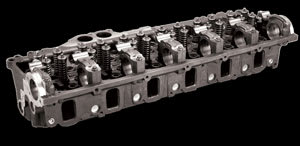
Series 60 cylinder heads are among the components remanufactured in Detroit Reman's plant at Toole, Utah.
"Why buy new when you can reuse something that still has value?" That's the mantra at Detroit Reman, which has been remanufacturing engines and engine parts since 1966. And after touring its western plant at Tooele, Utah, one comes away wondering
why anyone would buy anything but remanufactured products whenever they're available.
Remanufacturing is a high form of recycling because the objects of manufacture are not melted, shredded or otherwise remade into something different, but cleaned, repaired and sometimes improved to do the same job they were originally built for. Compared to buying new, reman'ing saves energy, reduces waste, conserves raw materials and reduces pollution, said company executives who led the Tuesday tour for members of the press.
Most important, remanufactured products cost 30% to 70% less than new but perform as well or better, the company claims. Thus customers operate more profitably. They buy Detroit Reman engines to replace worn or damaged engines in trucks, off-road equipment, watercraft and for various industrial applications.
Freightliner Trucks produces "powered gliders," which are new trucks with Detroit Reman engines and reman'd or rebuilt drivetrain components. These are sold by dealers and independent shops. Freightliner also sells non-powered glider kits from most of its vehicle line.
Tooele is one of five Detroit Reman plants in the United States. Another is in Mexico. Each one specializes in certain components. All serve customers of Daimler Trucks North America, which now owns the operation, as well as outside firms under contract.
The Tooele plant opened about 15 years ago in a modern building on the grounds of the old Tooele Army Depot west of Salt Lake City, executives explained. About 520 people now work there, some on a second shift, disassembling, cleaning and renewing turbochargers, cylinder heads, fuel injectors, water pumps and other parts for Detroit Diesel engines, and now differentials for Detroit axles, as well. They also assemble large MTU-brand 2000 and 4000 series diesels, some reman'd and some new.
Some employees have been there since the plant opened, and all look contented and intent on doing quality work. They have to, because Detroit Reman products are warranted like new, and executives say that they are sometimes better than when they were new because design updates are often incorporated into the parts.
Truck-engine models supported by the reman plants include four-stroke Series 60 and the current DD13 and 15, as well as two-stroke Series 92, 71 and 53 engines. Most are reman'd "in kind" to deliver the same performance as when they were new, but they also can be upgraded at customer request. Some of the two-stroke engines are no longer sold for on-highway use but are still built new for marine and military customers, executives said.
Remanufacturing is like rebuilding, yet reman'ing is much more due to the exacting and repetitive assembly line processes involved, the executives said. Workers and staff engineers have designed special machines and tools to aid in disassembly without damaging parts, and they use special machinery in the renewing and assembly steps.
An example is "metal spraying" equipment, which adds material to worn surfaces. The parts are then machined to bring them back to as-new specifications, executives explained. Such parts might otherwise be scrapped. New parts such as cylinder liners are used for most engines, but any elongated bores in engine blocks are built back to a circular shape by metal spraying and refinishing.
Exacting reman'ing processes result in consistent quality and the confidence to offer healthy warranties that are backed by a national network. Local rebuilders can seldom match the quality and backing of reman'd products, executives said.
They noted that competitors like Caterpillar, Cummins and Mack also run reman'ing plants, which add credibility to the concept. Find more information at www.detroitreman.com.
More Equipment

Tesla Wants a Self-Driving Semi. Are Cameras Enough?
Could Tesla’s camera-only autonomous driving technology work on an 80,000-pound Semi? In this commentary, HDT's Deborah Lockridge takes a look at Tesla, Cybercab, and how autonomous trucks see the road.
Read More →
Kodiak: Driverless Long-Haul Truck Launch on Track for 2026
Kodiak AI says its driverless long-haul safety case is 93% complete and it remains on track to begin commercial operations by year-end 2026.
Read More →
What DOT’s Automated Vehicle Strategy Means for Trucking
The U.S. Department of Transportation issued a new automated-vehicle strategy that outlines plans for driverless-truck regulations, cross-state freight corridors, and federal safety standards.
Read More →
East Coast Port Launches $45M Electric Truck Push
The Port Authority of New York and New Jersey announced millions in incentives for zero-emission drayage trucks, yard tractors, and new charging hubs near the port.
Read More →
PlusAI Going Public to Fund Autonomous Truck Launch
A SPAC deal could provide PlusAI with up to $300 million as it works toward a 2027 commercial launch of factory-built autonomous trucks.
Read More →
NHTSA Moves to Rewrite Truck Fuel-Economy Rules
The National Highway Traffic Safety Administration says it lacks authority to regulate medium- and heavy-duty truck engines separately from complete vehicles, but the existing standards have not yet been eliminated.
Read More →
Detroit Opens Orders for EPA 2027 Engines
Detroit isn’t starting from scratch to meet EPA 2027 diesel emissions standards. Its Gen 6 DD13 and DD15 engines keep much of today’s platform while updating the fuel and aftertreatment systems.
Read More →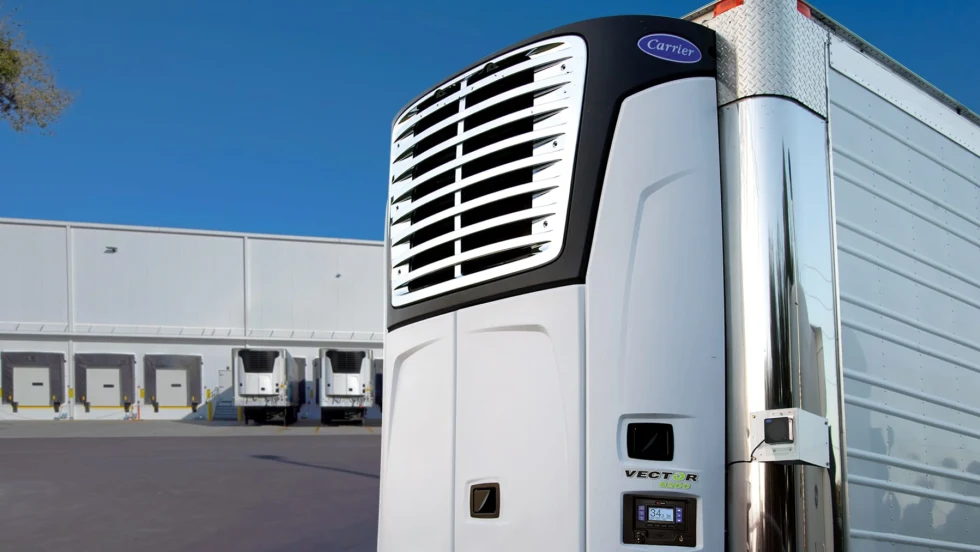
Carrier Transicold Adds All-Electric TRU for Stationary Cold Storage
Carrier Transicold’s new Vector 8200 all-electric transport refrigeration unit gives fleets a diesel-free option for temporary refrigerated and frozen trailer storage.
Read More →
A Closer Look at Kenworth’s Electric T880E Vocational Truck [Video]
Learn more about Kenworth's T880E battery-electric vocational truck at the Paccar Technical Center, including its range, applications, upfitting considerations, and PTO options, in this HDT Spotlight video.
Read More →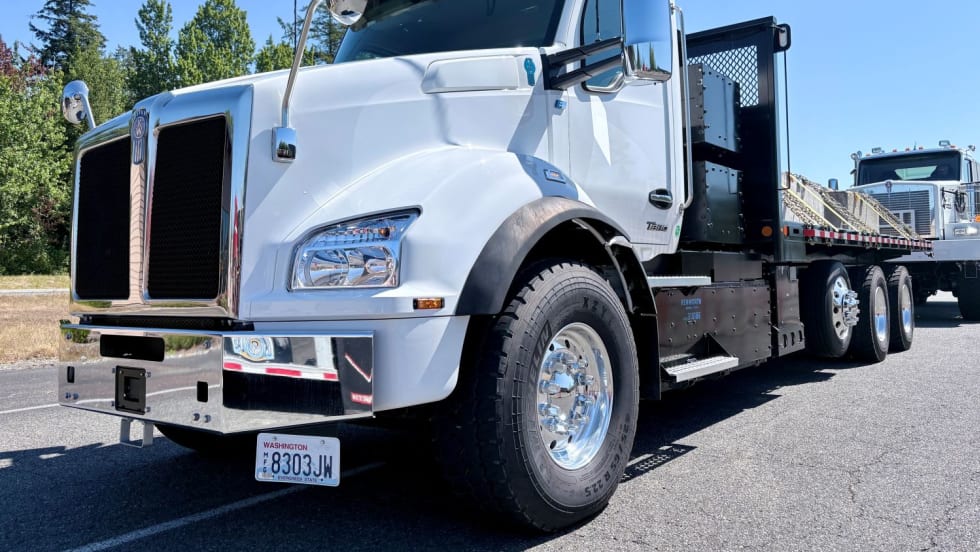
Kenworth T880E Brings EV Power to Vocational Trucks
A closer look at the Kenworth T880E’s range, charging, powertrain and upfit options — and where fleets are showing the most interest.
Read More →