




Private Fleet Tackles Turbulence To Improve Fuel Economy
Duplainville Transport’s aerodynamic tractor-trailers average 7.7 mpg on trips among printing plants operated by its parent, QuadGraphics.

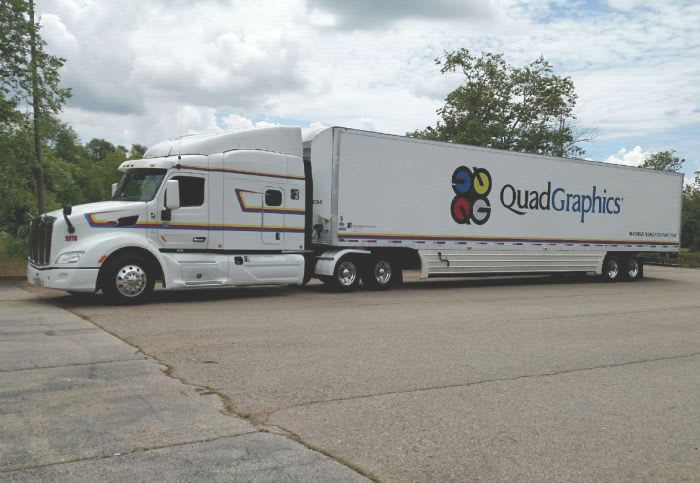
Streamlined Peterbilt 567s pull Great Dane and Utility vans with Laydon side skirts and Air Tab vortex generators. “All you have to do is ride a motorcycle behind the trailers to notice the difference” between them and bare trailers, says John Drake, the fleet manager. Photo: Duplainville Transport

Aerodynamic tractors and trailers, auxiliary power units for sleeper-cab units, wide-base single wheels and tires, a reasonable 65-mph speed limit, and an incentive program for drivers are the ways that Duplainville Transport saves fuel.
Duplainville (named for a nearby railroad junction in southeastern Wisconsin) is the trucking arm of Quad Graphics, a major printer with 50 plants in 25 states, plus others in Europe and Latin America.
About 80 company tractors are Peterbilt Model 579s, the latest being 2015 models whose powertrains include Eaton UltraShift Plus 10-speed automated manual transmissions, according to John Drake, the fleet manager. The AMTs do add “a couple of tenths” of a mpg in economy, but mostly keep drivers refreshed and able to focus on safely operating the rigs.
Duplainville began using automated gearboxes with Eaton AutoShifts in the early 2000s. “At first drivers were a little apprehensive,” he says. “Now you can’t put them in a truck with a stick-shift because they wouldn’t know how to drive it.” Fifty-seven other tractors are owner-operated.
Most of the 160 Great Dane and Utility 53-foot trailers are outfitted with gap reducers, side skirts and rear vortex generators. A tractor pulling one of them saves about 1 mpg compared to a bare one, he says.
“I’m a believer in Air Tabs,” the triangular vortex generators, Drake says. “We’ve looked at other devices, and it’s $400 to equip a trailer with them compared to thousands of dollars for the tail things, and the results are the same. It [a set of Air Tabs] makes the air dirty — that’s what I call it. It reduces the vortex, so you don’t get that suction behind the trailer as you go down the road.
“All you have to do is ride a motorcycle behind the trailers to notice the difference,” says Drake, a Harley-Davidson enthusiast. “With the bare trailer you can feel the air turbulence and you’re going this way and that way. With an aerodynamic trailer, you pull up behind it and it’s pretty smooth, and you can back off a little.”
The fleet uses Laydon ribbed-aluminum trailer side skirts because “image is very important to us,” Drake explains. “We’re the second-largest printer in the country and we want nice-looking equipment. We picked those because a, they look nice and b, they work. The Utility dealer here (Badger Utility) is a Laydon distributor, so that works out well for us.”
While driver bonus pay is based on an official goal of 6.5 mpg, the fleet’s trucks now actually average 7.7 mpg.
Quad Graphics and Duplainville treats employees well, with good pay and “very good benefits,” says Drake, who’s been there 28 years. And employee satisfaction leads to top performance, including fuel economy. That they’re satisfied is indicated by the turnover rate – less than 10% among drivers and owner-operators.
More Fuel Smarts
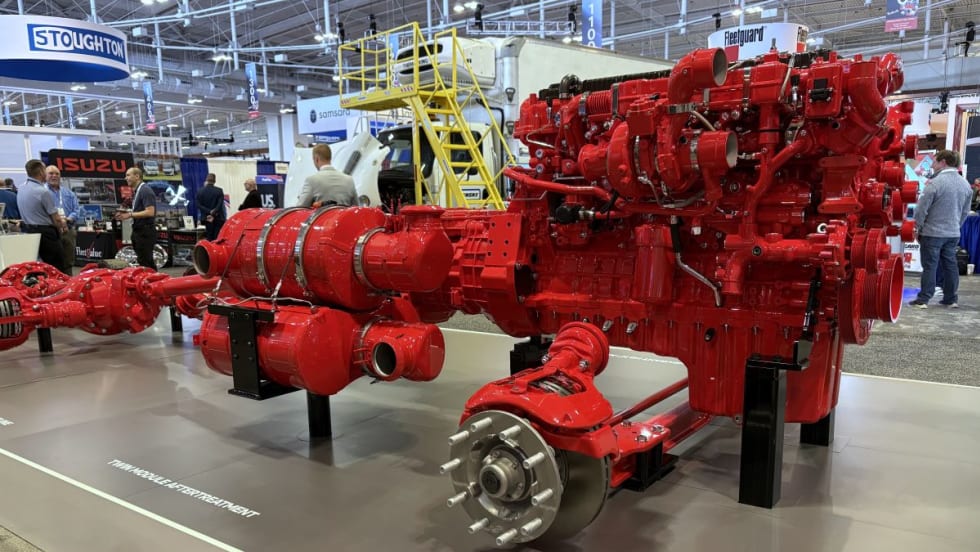
Cummins Adjusts 2027 Engine Rollout After EPA Proposal
The engine maker will gradually introduce its new Model Year 2027 diesel engines while continuing to offer current models during the transition, citing the EPA's proposed emissions rule changes.
Read More →
EPA Proposal Could Ease 2027 Truck Costs and Buying Uncertainty
The proposal doesn't change the tougher NOx standard, but it would revise key implementation requirements that manufacturers say have driven up costs and complicated fleet purchasing decisions.
Read More →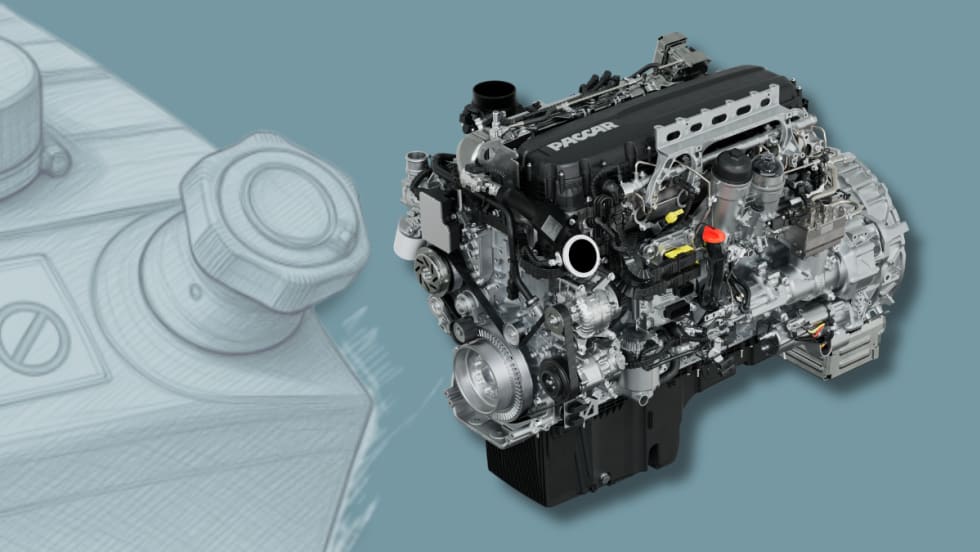
Cummins, Paccar Ease DEF Derates After EPA Guidance
Updated diesel engine software gives truck operators more time to address emissions-system issues while staying compliant with EPA emissions standards.
Read More →
Maintenance in the Messy Middle Part 3: Biodiesel
Biodiesel can reduce emissions, improve fuel-system lubricity and use existing diesel infrastructure. But NACFE’s Messy Middle maintenance report says fleets must actively manage storage, cold-weather operation, filters and oil drain intervals to avoid problems.
Read More →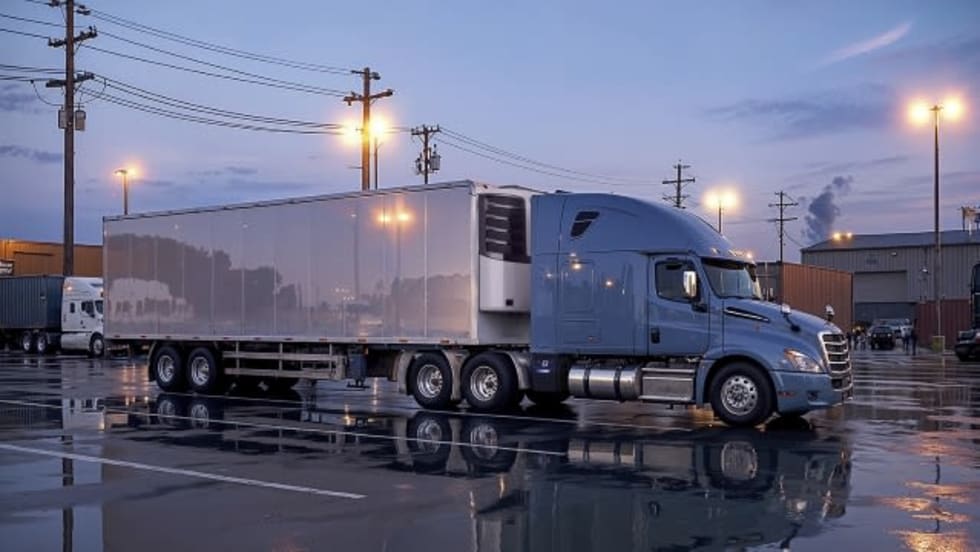
Enhance Fleet Performance with High-Efficiency Auxiliary Power Units
Drive sustainable cost savings while increasing driver comfort during short- and long-haul logistics operations.
Read More →
Maintenance in the ‘Messy Middle’ Part 2: Renewable Diesel Fuel
NACFE's latest Messy Middle Powertrain Service & Maintenance report says renewable diesel gives fleets an opportunity to reduce carbon emissions without changing trucks, fueling infrastructure or maintenance practices. But technicians still need to understand several important operational differences.
Read More →
The Diesel Engine Enters NACFE’s ‘Messy Middle’
NACFE’s new Messy Middle Powertrain Service & Maintenance report says keeping modern diesel engines running now depends as much on software, diagnostics and data as traditional mechanical service.
Read More →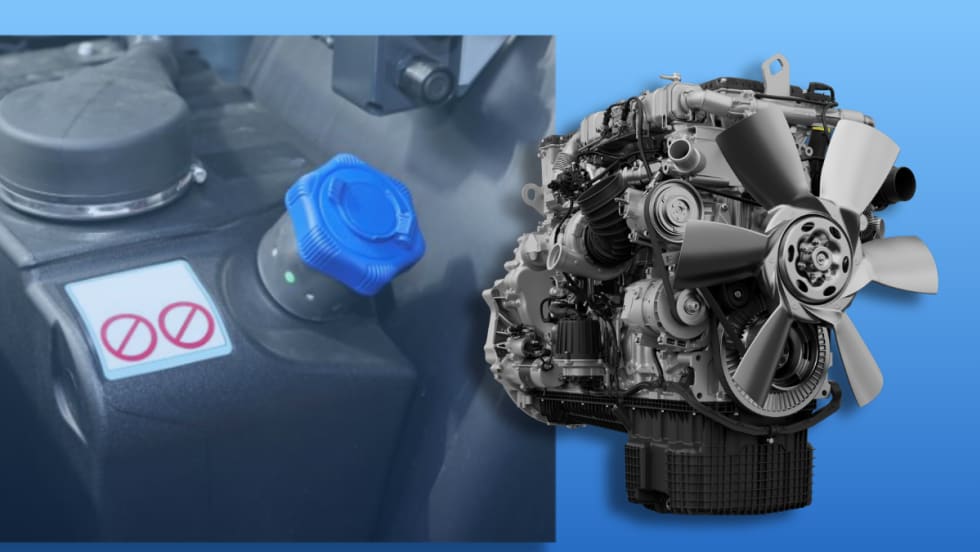
DTNA Software Update Gives Truckers More Time Before DEF Derates Take Effect
The changes reflect EPA guidance aimed at reducing downtime caused by emissions-system faults while maintaining compliance requirements.
Read More →
New Agentic Predictive Maintenance Report Demonstrates How Degraded Aftertreatment Systems Waste Fuel
Questar analyzed a large mixed-class fleet and discovered it was wasting as much as $30 in fuel per vehicle, per day, because of mechanically degraded aftertreatment systems.
Read More →
New York City's Microhub Project is Delivering Results
Trucking, last-mile delivery companies, and environmental advocates like what they are seeing so far with New York's microhub program.
Read More →