




Prime Inc. Uses APUs, Innovative Tanker System to Cut Idle Costs
Prime Inc., Springfield, Mo., has its entire fleet equipped with auxiliary power units to limit idling, with an automatic 5-minute idle shutdown timer. But its tanker fleet was experiencing significantly higher idling, because product had to be kept heated to the right temperature.

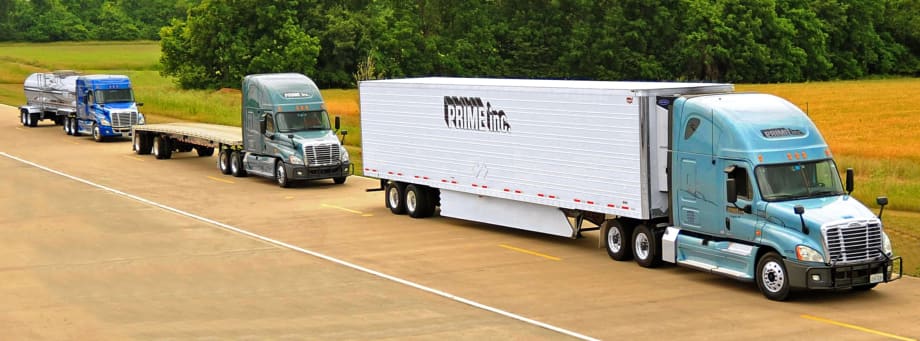
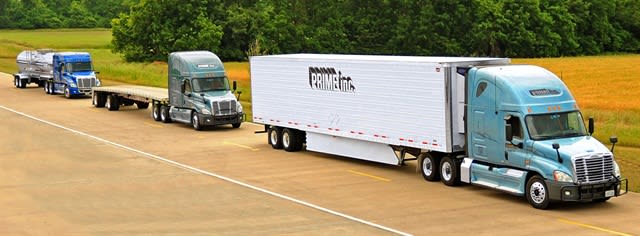
Prime Inc., Springfield, Mo., has its entire fleet equipped with auxiliary power units to limit idling, with an automatic 5-minute idle shutdown timer. But its tanker fleet was experiencing significantly higher idling, because product had to be kept heated to the right temperature.
"If you're carrying oils or chocolate, you have to keep it hot to keep it from congealing in the tanker." explains Nick Forte, fleet maintenance administrator. "Normally you idle the truck engine, it pumps water into the trailer from the radiator, circulates back to the engine. You have to idle the big engine to produce the heat and the power to pump that back to the trailer."
So Prime came up with an innovative solution using a Webasto heater designed for school buses. "We're using it to pump the coolant and heat the coolant without running the big engine. it's about a 0.7 per gallon an hour fuel savings," Forte says.
"I saw something similar a few years back but it was really complex. So I did some research online to come up with a viable solution that does what we need but is simpler. For the drivers there's just an on-/off switch."
After testing the solution on a few of its tankers, Prime is now rolling out the heaters to its entire tanker division of about 240 units. Although the fleet is primarily owner-operator, the company is classifying it as standard equipment as part of its lease purchase program.
"So far, the ones that have seen that it works are beating down my door trying to get them," Forte says. "In a typical night, you idle 11 hours, using 1.2 to 1.6 gallons per hour. If you're only burning at 0.4 [with this solution], you're saving a gallon an hour -- that's $44 per night at $4 for diesel fuel."
APUs
As for its APUs, Prime is using RigMaster. Forte says the company got new owners a few years ago, Mobile Thermo out of Toronto, which completely redesigned the product using premium components.
"Their LG200 is built to our spec and now they're marketing it. It's only 327 pounds; the others are closer to 500," Forte says.
"Everybody sees the RigMaster name and they associate it with the failed company, but it's whole new management, forward thinking," Forte says. "We've got probably 2,000 of their units now."
This unit fits easily under the bunk, Forte says, with a cooling capacity of 17,000 BTU.
For running in California, he says, "The great thing is, this unit is retrofittable -- there's a plug and play DPF. It's Tier 4 compliant."
The company doesn't have any problem getting its independent contractors to use APUs, he says, with a little education.
"We show that there is a direct correlation, if you reduce idle, that's money you keep in your pocket. We'll actually show the dollar expense to the operator, vs. giving it to the oil companies. Once you sit down and show them the numbers, generally it all kind of takes over."
More Fuel Smarts
Trucking’s Diesel Squeeze Isn’t Letting Up
With diesel topping $6 a gallon nationally, ATA's Bob Costello explains why fleets should prepare for continued pressure at the pump.
Read More →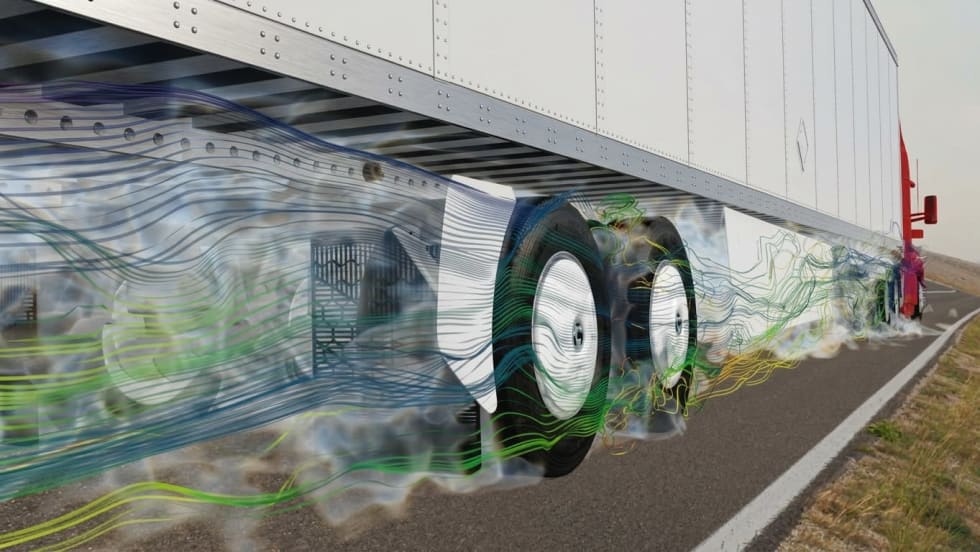
FlowBelow Redesigns Trailer AeroSlider to Cut Fuel Use
The lighter trailer aerodynamic system installs in less than 45 minutes, according to the company, with potential payback in under a year depending on fuel prices and trailer mileage.
Read More →
Why Diesel Price Relief Efforts May Fall Short
Diesel prices have eased from September’s record high, but doubts about additional Russian supply and limits on dyed-diesel tax relief mean trucking fleets still face expensive fuel. And prices could go higher.
Read More →
Why Small Fuel Savings Matter in Trucking
Can better fuel economy help pay for driver raises? In this podcast, GP Transco explains how small efficiency gains create room to reinvest in its people.
Read More →
How GP Transco Cuts Trucking Fuel Costs, a Tenth of a Gallon at a Time
What’s another tenth of a mile per gallon worth? GP Transco shares how equipment upgrades and driver coaching turn small gains into meaningful fuel savings.
Read More →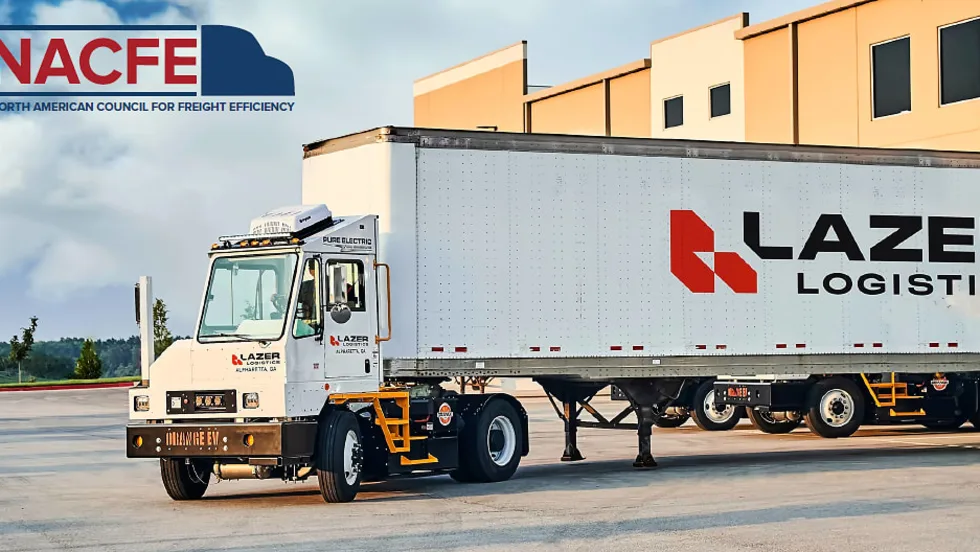
Electric Yard Tractors Move Beyond Pilots
Operating-cost savings have overtaken sustainability goals as the leading reason surveyed fleets are adopting battery-electric terminal tractors, according to new NACFE research.
Read More →
Geotab Links Fleet Card to Vehicle Data
The new card combines fuel discounts with telematics-based purchase controls. Geotab’s analysis also points to potential savings from choosing lower-priced fuel stops.
Read More →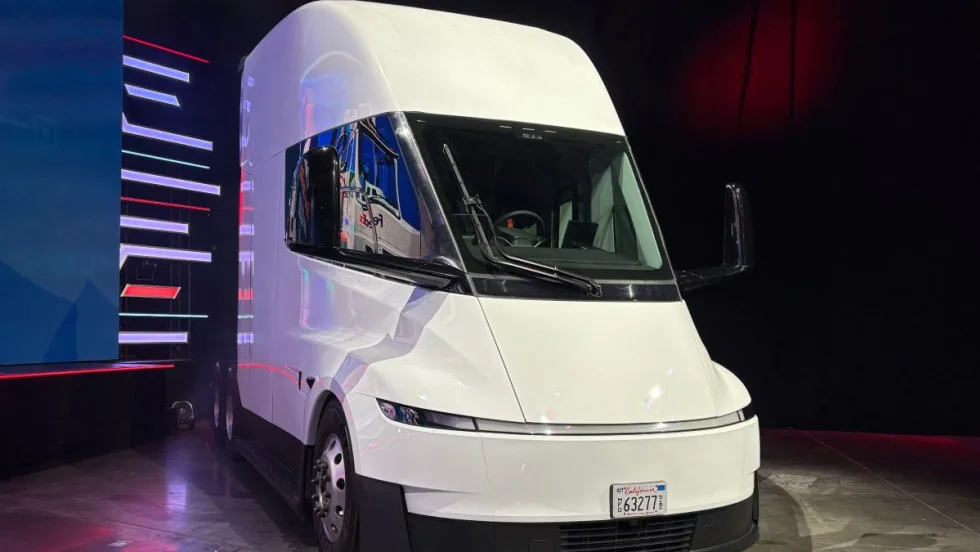
Fleet Economics Shape Electric Truck Outlook
ACT Research expects costs, charging infrastructure, and technology improvements to drive zero-emission commercial vehicle adoption as federal regulations and incentives retreat.
Read More →
Wex Adds Cardless Fuel Payments for Over-the-Road Customers
A new fuel card feature for Wex customers offers convenience and security.
Read More →
New California Law Could Shed Light on Electric Truck Prices
Why do battery-electric Class 8 trucks remain so expensive? A California bill signed by Gov. Gavin Newsom would give fleets and state agencies more visibility into what manufacturers charge.
Read More →