




Navistar's Electric Truck Named 'eStar,' Production Begun in Indiana RV Plant
Navistar International's electric truck is called "eStar." It's being assembled by its Monaco RV subsidiary in Wakarusa, Ind., and it's priced at $150,000, less various government monetary grants meant to encourage purchases of the non-polluting vehicles. Those are among the pieces of information announced during a May 13 webinar hosted by Navistar executives followed by an open house in a town hungry for jobs

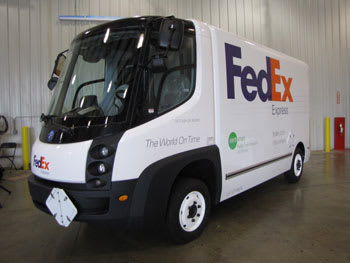
Navistar's new eStar Class 3 truck will initially come only with a 14- or 16-foot fiberglass van body aimed at package delivery fleets, but utility bodies, shuttle buses and ambulances might be added later. (Photo by Tom Berg)
Navistar International's electric truck is called "eStar." It's being assembled by its Monaco RV subsidiary in Wakarusa, Ind., and it's priced at $150,000, less various government monetary grants meant to encourage purchases of the non-polluting vehicles. Those are among the pieces of information announced during a May 13 webinar hosted by Navistar executives followed by an open house in a town hungry for jobs.
The Class 3 truck will initially come only with a 14- or 16-foot fiberglass van body aimed at package delivery fleets, but utility bodies, shuttle buses and ambulances might be added later. Deborah Willig of FedEx Express, a kick-off customer, said the company will deploy four of the vans in its fleet in Los Angeles, where eStar's high maneuverability will work well on congested streets and its zero tailpipe emissions will earn purchase grants from California's Air Resources Board. She spoke by phone from FedEx headquarters in Memphis.
So far 40 of the vans have been built at the Monaco plant in northern Indiana. For now workers are assembling eStars from kits sent from the United Kingdom by Modac, the vehicle's designer and manufacturer of the truck's powertrain. But Navistar will eventually source most parts in the Unites States, a stipulation of a $39.2 million grant from the Department of Energy to the company to kick off the program, according to Patrick Davis, manager of DOE's vehicle technologies program, who was one of the presenters of the webinar that originated in a Monaco conference room in Wakarusa.
The government's view
DOE wants to see annual production and sales of 1 million electric and hybrid vehicles by 2015, Davis said. The U.S. uses 22 million barrels of oil a day, almost 13 million imported, and 82 percent of that is consumed by motor vehicles. Domestic energy generates electricity that powers eStars and other electric-drive trucks and cars. Although smokestack emissions from the burning of coal can equal tailpipe emissions from cars, it still replaces imported oil. And cleaner forms of power generation used in many areas of the country make the electric vehicle program environmentally viable, he said.
Last August, President Barack Obama visited Indiana to announce the grant and boost the concept of "clean energy" vehicles as one way to wean America off imported petroleum and cut emissions of greenhouse gases, noted Shane Terblanche, Navistar's general manager for electric trucks. Navistar showed off the eStar on Capitol Hill in September, and in March, took one on a tour along Route 66 that resulted in enthusiastic receptions.
"The long-term aim is to develop technologies that will provide Americans with greater freedom of mobility and energy security, with lower costs and lower impacts on the environment," Davis said. An eStar will save about 10 tons of carbon dioxide a year compared to a diesel-powered van, Treblanche added. It is a "purpose-built truck that balances the needs of the environment and the needs of businesses," he said.
Davis said various DOE and other federal and state programs will offset eStar's $150,000 purchase cost. "We will pay up to half the incremental cost" of an electric vehicle, which for eStar is almost $100,000. There's also a $7,500 electric-vehicle tax credit, plus the CARB grants in California. The truck's low operating cost compared to a diesel-powered walk-in van should also make it attractive to fleets, especially as the cost of motor fuel rises.
Truck details
An eStar's 300-volt lithium-ion battery "cassette" includes 16 packs, and it sits between frame rails below the floor, Treblanche said. Its range is about 100 miles and top speed is 50 mph. Batteries can be recharged in six to eight hours, and the cassette can be removed and replaced in about 20 minutes if need be. The 70-kilowatt (102-horsepower) motor and driveshafts are mounted between the rear wheels. Gross vehicle weight rating is 12,100 pounds and payload is 4,000 pounds.
A drive of an empty eStar in the streets of Wakarusa by this reporter showed it to be nimble, quick and quiet. The truck's turning circle is 36 feet, allowing U-turns in very limited spaces. It accelerates fast and runs almost silently, with only a soft powertrain whine coming from behind while underway and a whirring heard from the electro-hydraulic power steering pump as the eStar sits still. The system generates electric power when a driver takes his foot off the accelerator and presses the brake pedal.
The truck's quietness is a safety concern, and Navistar engineers are discussing this with federal officials, said Darren Gosbee, director of development for hybrid and electric powertrains. "We might end up playing music" to avoid sneaking up on pedestrians, he said. People in Wakarusa didn't give the swoopy looking truck a glance because they're accustomed to seeing eStars running around since the assembly program began, he said.
In Elkhart County
The program will create many jobs in Elkhart County, known for production of recreational vehicles whose sales have plunged during the recession. Unemployment has been more than 20 percent, but is easing as the economic recovery progresses. Monaco added 40 jobs for the eStar program and that might increase to 700 as the program ramps up. Not all will be here, as they will be spread out along the eStar's supply chain. For example, batteries are being made by A123 Systems of Livonia, Mich., and other electrical, mechanical and body parts will come from other sources in the States.
The rounded cab now comes with other parts from the UK, but it's similar to the fiberglass noses of the motor homes produced in Elkhart County, so could be made locally, Treblanche said. Navistar people are working out this and many other sourcing details. Serious interest has come from at least 20 fleets, and Navistar officials anticipate more as the program grows and eStar becomes known among fleet executives who want to go "green." Monaco expects to build about 400 in the first year, and the plant could assemble 4,000 to 5,000 annually.
The eStar is an "amazing opportunity" due to its green characteristics, and it's an actual product in a largely nebulous clean-vehicle world, commented Dave Meisel, transportation director for Pacific Gas & Electric, who addressed the webinar audience from the company's headquarters in San Francisco. "There are a lot of different technologies out there, but a lot of it is promises and marketing claims. We'd like to see more technical data" from other suppliers. It's likely that PG&E will try the eStar in its logistics fleet, but he didn't commit to any orders.
More info: www.estar-ev.com
This story corrected at 11:45 a.m. EDT 5/14/2010 to correct the spelling of Elkhart County.
More Products

Michelin Tire Improves Efficiency and Durability for Regional Fleets
The Michelin X Multi Energy D2 is a regional haul drive tire engineered to help fleets improve fuel efficiency, durability and traction in demanding stop-and-go operations.
Read More →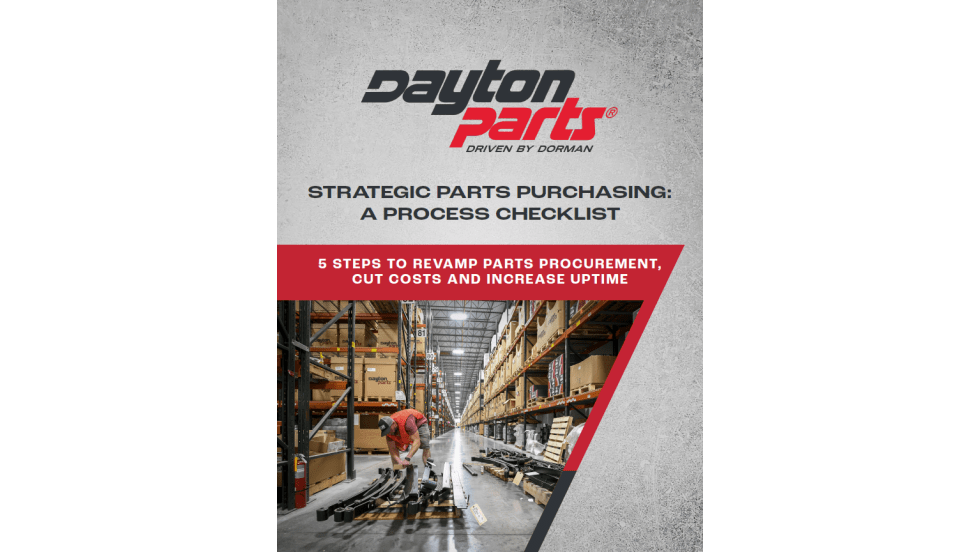
Is Your Parts Procurement Process Reactive or Proactive?
Ready to revamp your parts procurement process? Learn how now with “Strategic Parts Purchasing: A Process Checklist”
Read More →
What Geotab's New AI Connector Means for Fleets
Fleets can now ask their usual AI assistants questions about maintenance, safety, fuel use, and vehicle performance, using their live Geotab data, and take action on the answers without leaving their preferred AI tool.
Read More →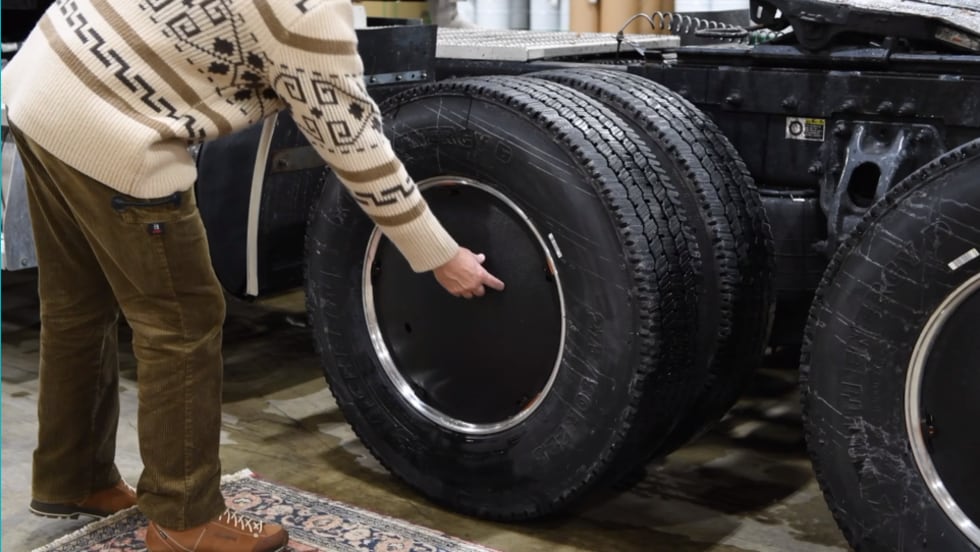
Deflecktor: Hubbub Aerodynamic Wheel Cover Cost-Effective Even for Trailers
Aerodynamic wheel covers can deliver small but meaningful fuel-economy gains for fleets, and Deflecktor says its latest design aims to make the technology easier and more affordable to deploy.
Read More →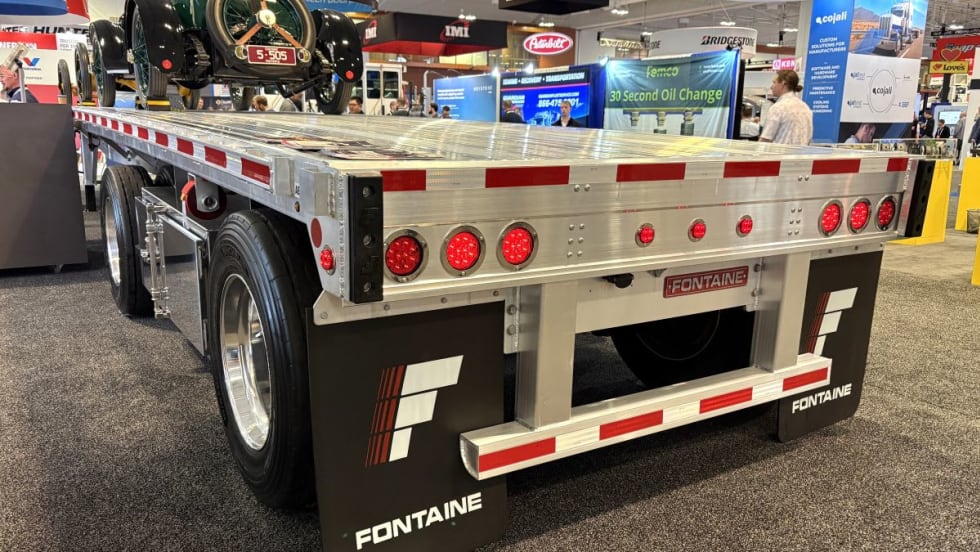
Fontaine Expands Flatbed Lineup with New Fleet-Focused Models, Eyes 2027 Launch
Fontaine is broadening its flatbed lineup with new models aimed at fleets, including a lightweight aluminum trailer expected in 2027 that emphasizes durability, repairability, and lower cost.
Read More →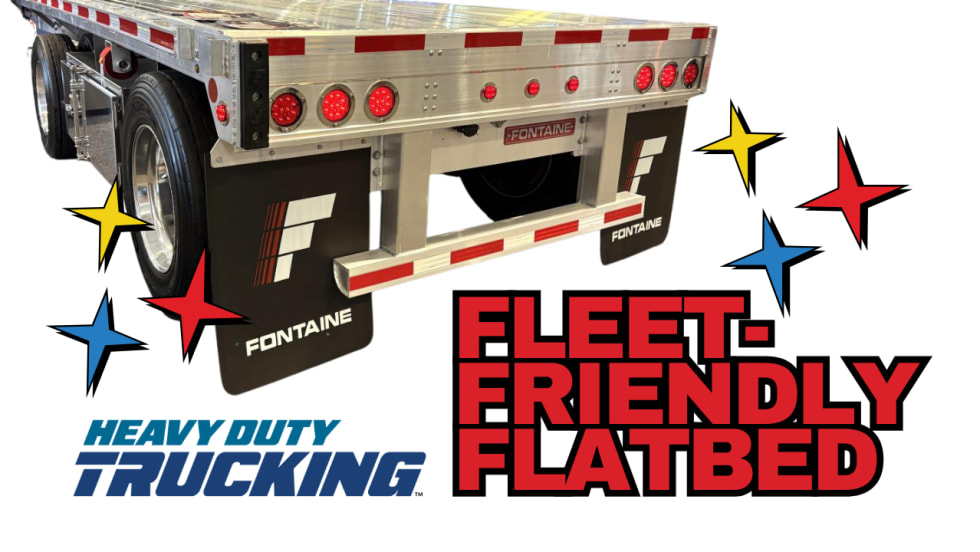
Fontaine's Fleet-Focused Force Flatbed Prototype [Watch]
A new prototype from Fontaine Trailer focuses on what fleets say they need most: easier repairs, lower maintenance costs, and practical, service-friendly design.
Read More →
HDT Honors the Best New Products of 2025 at TMC [Photos]
Heavy Duty Trucking's Top 20 Products awards recognize the best new products and technologies. Check out the award presentations at the 2026 Technology & Maintenance Council annual meeting.
Read More →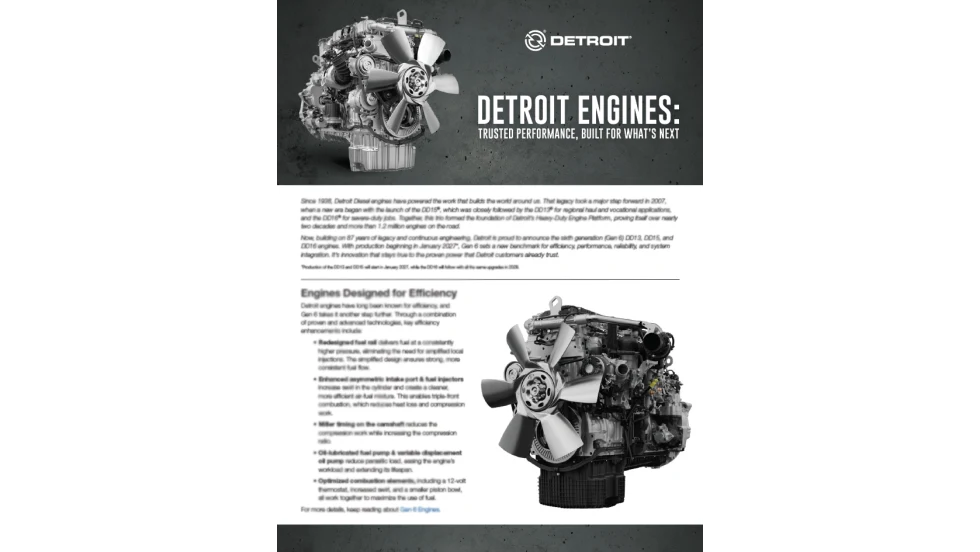
Detroit Engines: Trusted Performance, Built for What's Next
The Detroit® Gen 6 engine platform proves that real progress doesn’t require a complete redesign. Built on 20 years of trusted technology, these engines are designed for efficiency, stronger performance, and greater reliability than before. And they do it all while complying with 2027 EPA standards on every mile.
Read More →
HDT Top 20 Products 2026: The New Tools, Technologies, and Ideas Shaping Trucking
From pricing intelligence and compliance tools to charging infrastructure, diagnostics, tires, and AI, HDT’s 2026 Top 20 Products recognize the new tools, technologies, and ideas heavy-duty trucking fleets are using to run their businesses.
Read More →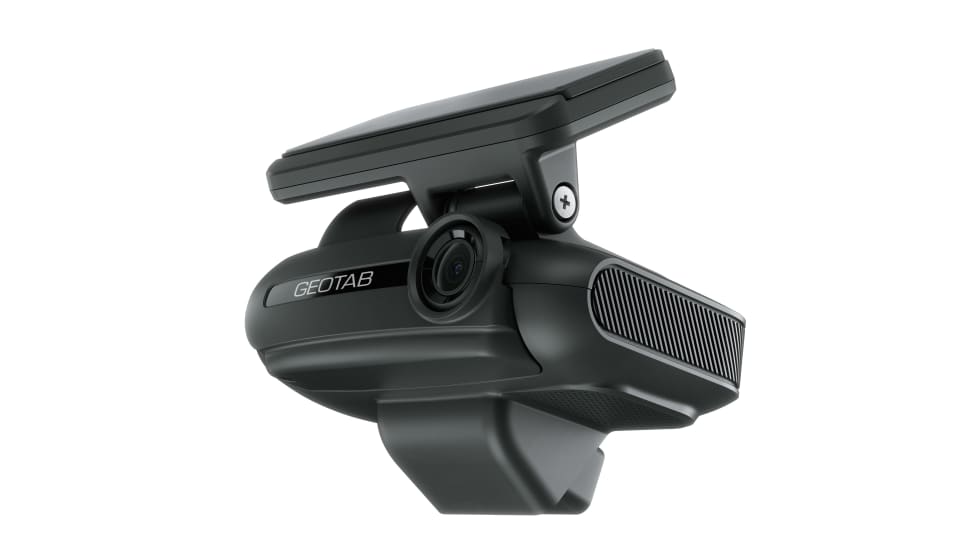
Geotab Launches AI-Powered GO Focus Pro Dash Cam With 360-Degree Visibility
Geotab launches GO Focus Pro, an AI-powered 360-degree dash cam designed to reduce collisions, prevent fraud, and protect fleets from nuclear verdict risk.
Read More →