




Mismatched Duals
Running two tires of different circumference, diameter, or tread depth in a dual assembly is a sure-fire way to kill two tires for the price of one

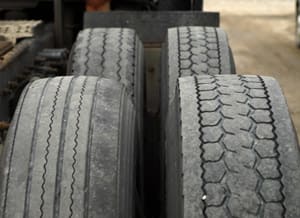
Small differences in circumference, diameter, or tread depth in a dual assembly, or a pressure differential of only 10-15 psi across the two, can wreck a tire - or both tires - in a matter of weeks. (Photo by Jim Park)
Running two tires of different circumference, diameter, or tread depth in a dual assembly is a sure-fire way to kill two tires for the price of one.
Small differences in any the above or a pressure differential of only 10-15 psi across two tires in a dual assembly can wreck a tire - or both tires - in just a matter of weeks. In a worst-case scenario, mismatched duals across a tandem drive axle could also wreck the differentials.
All that because of a quarter-inch difference between two tires.
Mismatching of dual tires is believed to be a significant problem in trucking, though its prevalence is difficult to determine. Most owner-operators and fleets realize that improper tire management leads to excessive cost, and wastes valuable resources, notes Curtis Decker, senior engineer, product development for Continental Tire North America.
"When it does happen, it's typically a stopgap measure when no other option is available, or it happens in circumstances where tire longevity is at risk for reasons beyond the dual mismatch," he says.
Tire companies rarely offer warranty under those circumstances, or on premature or irregular wear caused by negligence or neglect, so they don't track obvious instances. Still, Michelin sees mismatched duals as "two" of the critical six fundamental money wasters in any tire program.
"Any form of mismatched dual tires is one set too many," says Doug Jones, customer engineering support manager, Michelin Americas Truck Tires. "Left uncorrected, this problem could cost the tires between 5 to 20 percent of their tread life. So if they are $300 tires and you lose 10 percent of the tread wear, you've just thrown $30 a tire out the window."
Mismatched duals have the same effect on tire life as low inflation or excessive load, explains Tim Miller, Goodyear's commercial tire marketing communications manager. An underinflated tire on a dual assembly shifts its share of the load to its mate, which then becomes overloaded. A difference of 15 psi inflation can result in the higher inflated tire supporting 500 pounds more than the lesser inflated tire. A difference of 30 psi - not uncommon, unfortunately - will cause one tire to carry 1,500 pounds more, because the load change is not on a linear scale. As pressure differential increases, the load differential increases exponentially.
"We're all familiar with the tire wear problems associated with underinflation. It's much the same thing in the context of mismatched duals," Miller says. "Not the least of which is the risk of sidewall damage as a result of one tire flexing more severely in doing more than its share of the work."
Height & diameter
The height and circumference of a tire are inextricably related, but damage resulting from differences manifests itself in different ways. As we've already explained, the taller of the two tires will suffer a greater degree of sidewall damage because it's taking up more of the load. The shorter of the two will experience more irregular tread wear due to excessive scrubbing.
"When you have two tires, one taller than the other, rotating around the same pivot point, the shorter tire will scuff its way along the road because its tread passes a point on the ground at a faster rate relative to the larger tire," explains Rick Phillips, manager of commercial tire sales at Yokohama Tire.
When one tire is smaller than its mate, a difference of 1/4 inch in diameter may result in the larger tire carrying 600 pounds more than the smaller. The shift in load becomes more prevalent as the difference in diameters increases - just like the pressure differential.
The wear patterns caused by mismatched duals are easy enough to spot if you know what to look for. They include diagonal wear, erratic depression wear, inner rib depression, heel/toe wear at block edges, alternate lug wear, overall fast wear, and multiple flat spotting.
"And if you're mounting a deep tread tire alongside a shallower tread (even of roughly the same diameter and circumference), the deeper tread will wear faster because of its tendency to squirm under load," Phillips cautions.
In a dual assembly, as the name indicates, the load-carrying capacity of the two tires are directly tied to each other. If one of those tires is compromised by size or inflation, the other tire cannot take up the slack without consequences.
But wait, there's more. The tire's overall diameter governs its revolutions per mile. In tractors with tandem drive axle, tire sizes and overall circumference and diameter must be matched as closely as possible to prevent traction losses or even driveline damage when the inter-axle differential is locked out.
"Tandem-drive rear axles (twin-screw) require that the average tire circumference on one axle be within 1/4 inch of the average tire diameter on the other axle to prevent damage to the drive differentials resulting from different revolutions per mile on the drive axles," says Jones.
Tires on tandem drive axles should be inspected and matched regularly.
So, what is the easiest method to match duals? The best solution is to use the same tire specification in both positions, and use two tires within 4/32nd tread depth of each other, says Decker.
"If that is not possible, a pi tape can also be used to determine if two tires are within 1/4 inch in diameter. If a standard tape measure is the only resource available, remember to divide the circumferences by pi (3.1416) to get the diameter of the tires," he says.
Nothing to it.
If all that seems like a lot of trouble, just remember, the effort can pay dividends in terms of even pattern wear out, competitive removal mileages, and a reduction in your frustration level, which may be the most important consideration of all.
Or, you can follow Michelin's advice and consider switching to wide-base singles and avoid the problem altogether.
Tire tolerances
Whenever possible, mount only the same brand of tire with the same tread pattern and depth (within 4/32) in a dual assembly. When a mismatch is unavoidable, the following precautions will ensure the best possible outcome from the worst possible situation. Michelin recommends:
* keeping the difference in tire height between the two tires to 1/4 inch or less measured at the center of the tread when inflated to working pressure; and
* keeping the difference in circumference between the two tires to 3/4 in. or less measured around the center of the tread when inflated to working pressure.
If a difference is unavoidable, mount the smaller tire on the inside, Goodyear suggests. The outside tire wears faster than the inside tire. As it wears, its diameter will approach that of the inside tire. Additionally, any crown on the road will favor the placement of the smaller diameter tire on the inside.
Don't assume that even two new tires of the same size and tread depth from different manufacturers will have identical diameters and circumferences, cautions Yokohama. If you must mix brands in a dual assembly, measure them first to ensure they are within tolerance. If not, you'll consign them both to a messy and premature death.
From the January 2010 issue of Heavy Duty Trucking.
More Equipment
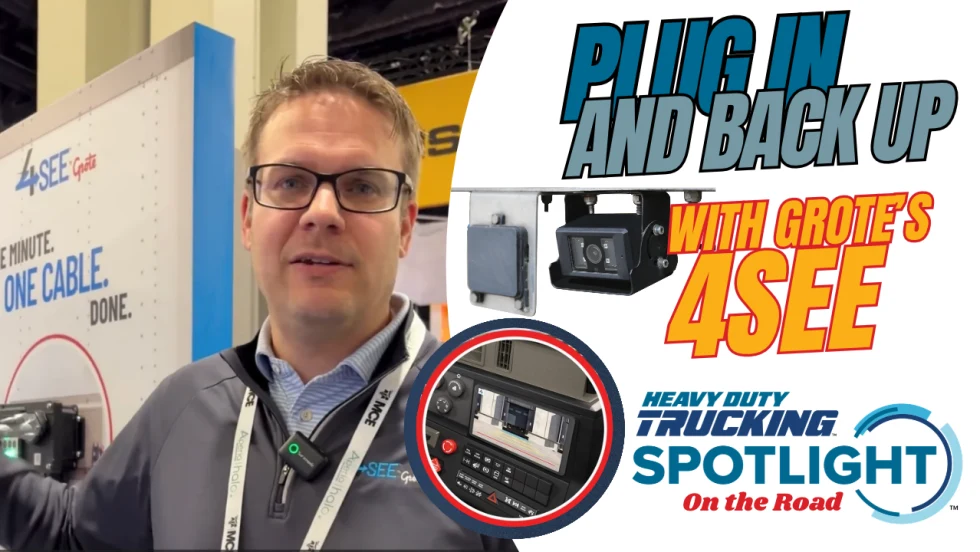
More Trailer Data Through the Same Seven-Way [Video]
Can trucking’s standard seven-way connector handle more cameras and trailer data? Grote’s Adam Slade shows HDT how the company is using new technology with its 4See trailer system, not only to add a new backup camera but also to expand other capabilities — without adding another connection.
Read More →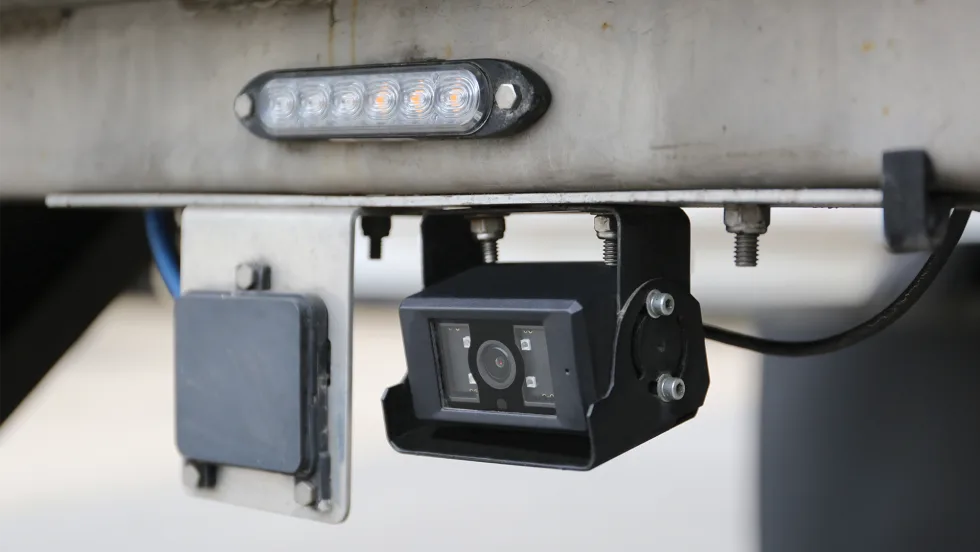
Grote: More Cameras, Same Seven-Way Connector
The next-generation 4See rear-view backup camera from Grote uses the standard seven-way connector and supports additional cameras and other trailer data.
Read More →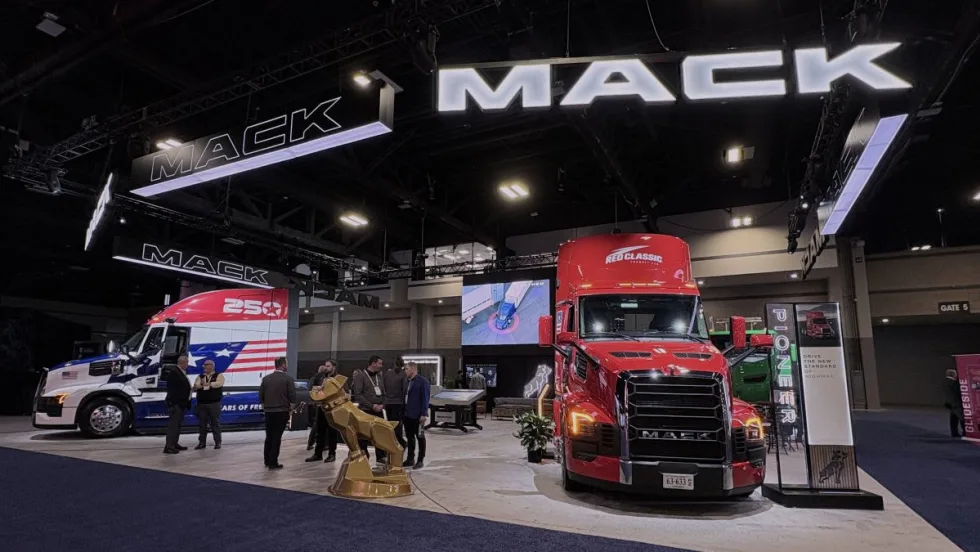
Trucks at ATA's 2026 MC&E in Charlotte, North Carolina [Photos]
From rigs decked out in patriotic America's 250 paint schemes to autonomous trucks and more, check out these photos from ATA's 2026 Management Conference & Exhibition.
Read More →
Help HDT Find Trucking’s Top Products
Have you come across a new product that could make a difference for trucking fleets? Nominate it for HDT’s 2027 Top 20 Products Awards by November 9.
Read More →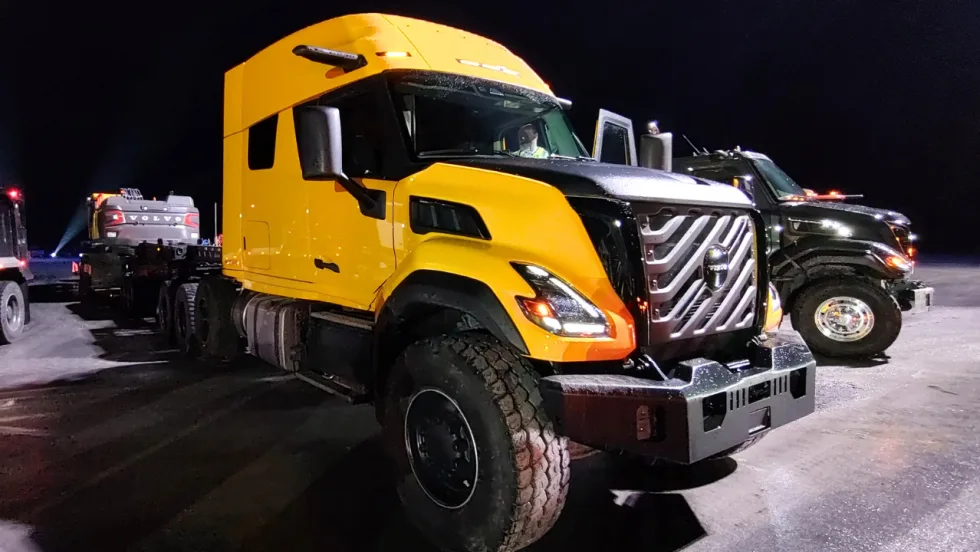
Volvo Unveils New VNX Heavy-Haul and Vocational Truck
Volvo Trucks has launched the VNX, a new vocational truck also available as a tractor in day cab and two sleeper configurations, with one heavy-haul model. The Volvo VNX is powered by Volvo's D13 platform, which delivers up to 540 horsepower and 1,950 pound-feet of torque and is EPA 2027-compliant.
Read More →
How GP Transco Cuts Trucking Fuel Costs, a Tenth of a Gallon at a Time
What’s another tenth of a mile per gallon worth? GP Transco shares how equipment upgrades and driver coaching turn small gains into meaningful fuel savings.
Read More →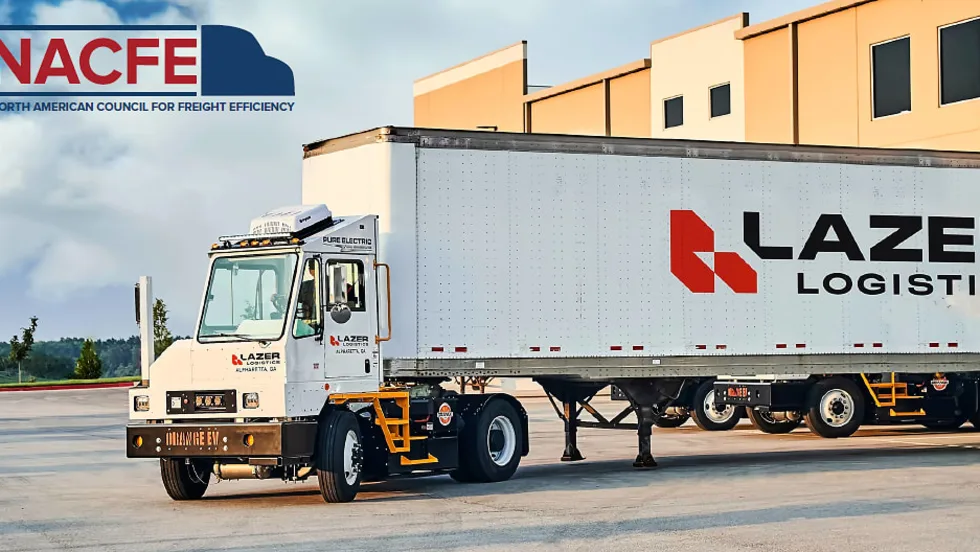
Electric Yard Tractors Move Beyond Pilots
Operating-cost savings have overtaken sustainability goals as the leading reason surveyed fleets are adopting battery-electric terminal tractors, according to new NACFE research.
Read More →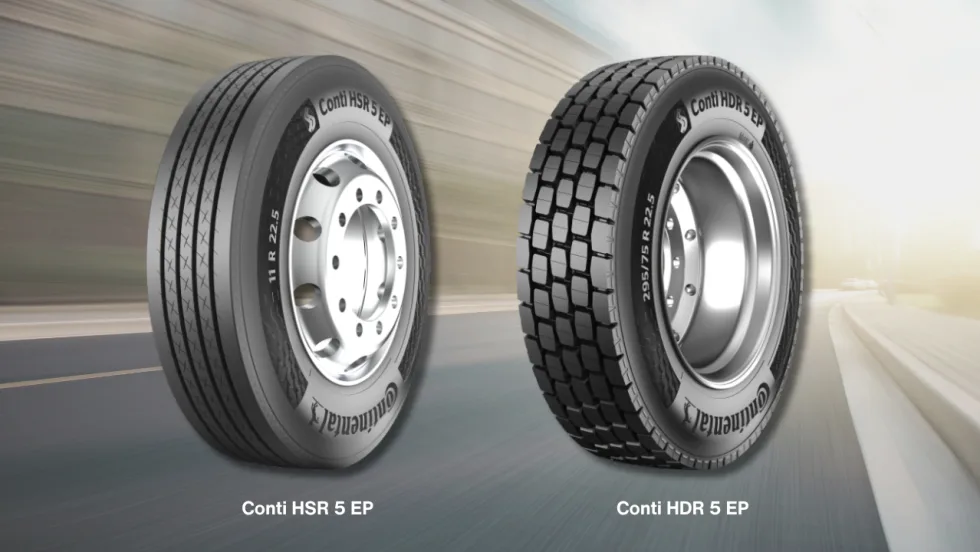
Continental Introduces New Regional Truck Tires
Continental says its new Generation 5 steer and drive tires for regional operations offer longer tread life, with estimated mileage gains of 22% and 19%, respectively.
Read More →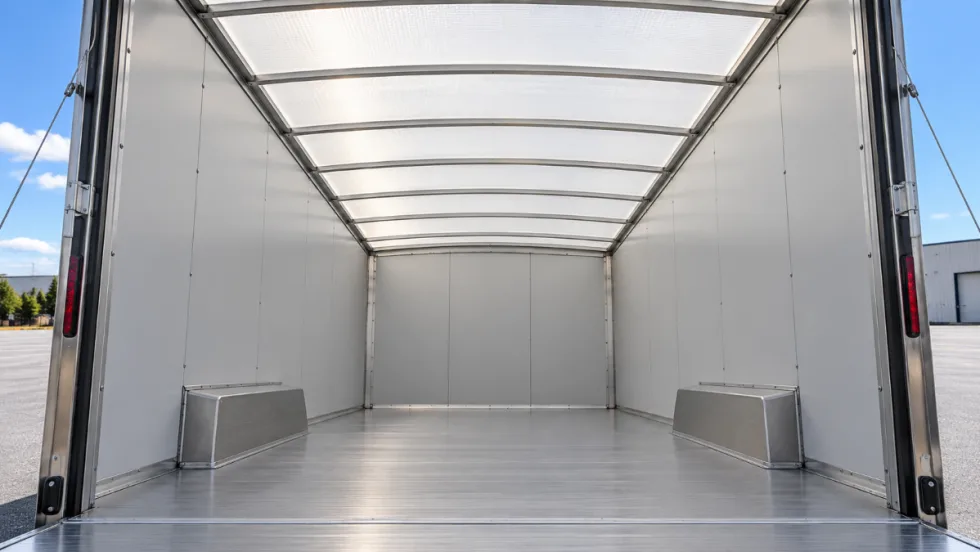
Tekmodo Introduces CargoBright Brand for Translucent Trailer Roofs
CargoBright is designed to diffuse daylight across the cargo area while performing as a working vehicle roof.
Read More →
Fleet Economics Shape Electric Truck Outlook
ACT Research expects costs, charging infrastructure, and technology improvements to drive zero-emission commercial vehicle adoption as federal regulations and incentives retreat.
Read More →