




Leading By Serving W.T. "Tobin" Cassels III, President, Southeastern Freight
You could make the argument that W.T. "Tobin" Cassels III is not exactly an innovator, since his role model goes back more than 2,000 years. As the third-generation leader of Southeastern Freight Lines
You could make the argument that W.T. "Tobin" Cassels III is not exactly an innovator, since his role model goes back more than 2,000 years. As the third-generation leader of Southeastern Freight Lines,
a primarily less-than-truckload carrier based in Columbia, S.C., Cassels continues the focus on people started by his grandfather - a focus has been key to the company's success.
"Without question, the most effective leadership model is servant leadership," Cassels says, "and Jesus is my role model, because there is no one who has ever perfected servant leadership like he has. … Leadership is all about taking care of people, helping them to be successful, and to serve their needs."
So why is this innovative? "This is the opposite message of what the world says about leadership," Cassels explains. "The world's message of leadership has all to do with power, dominance, control, position, authority, and trying to do everything you can to benefit yourself."
Southeastern Freight Lines has never had a layoff in its 58-year history, and Cassels and his leadership team are working hard to keep it that way.
"When this most recent downturn really went south in the fall of 2008, we had to, as a leadership team, become what I call 'obsessed with keeping our people working,' because if we didn't work hard there was no way we would be able to provide enough hours for all of our people," Cassels says.
He was surprised, he says, by the reaction from the employees to that effort. "I have a file that is one-quarter inch thick of e-mails, cards and letters from our people thanking us for all we've done to take care of them during this recent downturn. I never anticipated the kind of response we're seeing to our actions. In fact, our morale is the highest right now during this recession than it has ever been in the history of company."
Cassels says SEFL leaders work in good times and bad to create a family-type environment full of encouragement and praise.
"We also balance this with a healthy dose of expectations and accountability. We like to say that we want to give our people the 'gift of accountability.' We find that people love to excel, and they like to be challenged and encouraged to be their very best."
Each year Southeastern does an employee survey. One of the statements on this survey reads, "Considering all aspects, Southeastern is a good deal for me." Cassels says 97.9 percent of employees agree with this statement, "which I think is a powerful endorsement for how they feel about being a part of our company."
One example of SEFL's commitment to its employees is its approach to training and rewarding technicians. The company's maintenance executives are active participants in the American Trucking Associations' Technology and Maintenance Council, with Director of Maintenance Leland "Lee" Long heading up TMC's Professional Technician Development Committee. The technicians not only compete in TMC's annual "SuperTech" contest, but the company also hosts its own technician skills challenge.
In addition to ASE certification, SEFL has its own in-house technician certification process called Associate Continuing Education, made up of 16 modules that span all aspects of heavy vehicle maintenance. Technicians study for and test on these modules. Once all are completed, techs are recognized as ACE certified.
"Providing continual additional training for technicians is a mandate for us," Cassels says. "In 2008 alone, we invested over 6,000 hours in our technicians, outside the ACE process. This time [included] training that was conducted in-house by our maintenance department and sessions that were conducted by OEM suppliers in our 21 shops. If you were to add the time spent studying for and taking ACE tests on the clock, these figures soar to almost 9,000 hours invested in 320 technicians."
SEFL also has a formal Quality Improvement Process that "motivates employees to continuously improve to satisfy customers." It was started in 1985. Cassels was the company's first director of quality improvement.
"We have two overriding strategies of how we run our company," he explains. "The first is our culture, and the second is our Quality Improvement Process."
One of the key parts of the process, Cassels says, is Team Structure and Participation. "We want our associates to not only give us their hands and their feet, but also their heads and their hearts. We know that the way to do that is through getting people involved and engaged."
For example, every associate is a member of an IQ workgroup team (IQ stands for Individualized Quality) and they meet on a monthly basis. There's a suggestion system called the ACTION form, as well as four different recognition levels that associates can either nominate for or receive recognition. They also have the opportunity to serve on other teams such as process improvement teams, recognition teams, ACTION teams, and safety committees. Each involvement they do is documented on a quality activity program, so SEFL can track their involvement, which allows them to be nominated for even more recognition.
Another key part of Southeastern's Quality Improvement Process is called "Formalized Process Improvement," which people outside the company might refer to as Statistical Process Control.
"All of our leadership people have been trained in two generations of Process Improvement, and I'm not aware of another trucking company that has even come close to this," Cassels says. "Process Improvement is all about taking data and using the data through the use of statistics to tell you what you need to do to change a process to make it better."
Southeastern Freight Lines was started by Cassels' grandfather, W.T. "Toby" Cassels in 1950 with operating authority between South Carolina and Georgia. At the time the company had five trucks, 20 employees and a $5,000 loan.
In 1975, W.T. "Bill" Cassels Jr. became president and CEO, becoming chairman in 1989 upon the death of his father. He became well known in the industry, serving as chairman of the American Trucking Associations.
The third generation, W.T. "Tobin" Cassels III, started working for Southeastern in 1973 at age 13 in the trailer shop for $1.65 an hour. He worked in the shop the next three summers, then the warehouse, and moved on to become a driver. He worked his way up through the company, and took over as president in 2001.
Today, Southeastern serves 12 states in the Southeast and Puerto Rico and has a network of service providers to ensure transportation services in the remaining 38 states, Canada, Mexico and the Virgin Islands. The readers of Logistics Management magazine have named the company a "Quest for Quality" winner for 23 years in a row, and SEFL has a host of shipper awards from companies such as Yamaha, Lowe's, Moen and Home Depot.
"I loved the trucking business from my very first day, as I particularly loved working side by side with our people, who are so down-to-earth," Cassels says. "Because I loved what I did during the summers so much, I never really seriously considered any other career. Having said that, I never remember, as a young person, thinking about whether or not I would actually be head of the company. I just knew I wanted to work in the business."
Statistics show that only one-third of all family businesses are successfully transferred to the next generation and only 13 percent are transferred onto the third generation. SEFL is one of the companies that has made that third-generation transition, and done it well. There are several reasons for that, Cassels explains.
He gives much of the credit to Paul Taylor, who was president of the company from 1984 until 2001. "He did a wonderful job of help building a wonderful leadership team to help ensure the success of our company."
Cassels says his father deserves much of the credit, as well. At nearly 80 years old, Bill Cassels still comes
More Fleet Management

Your Trucks Are Busy. That Doesn’t Mean They’re Winning.
High utilization doesn’t always mean strong margins. Looking beyond the current load can help fleets make better dispatch decisions and get more value from each truck’s time.
Read More →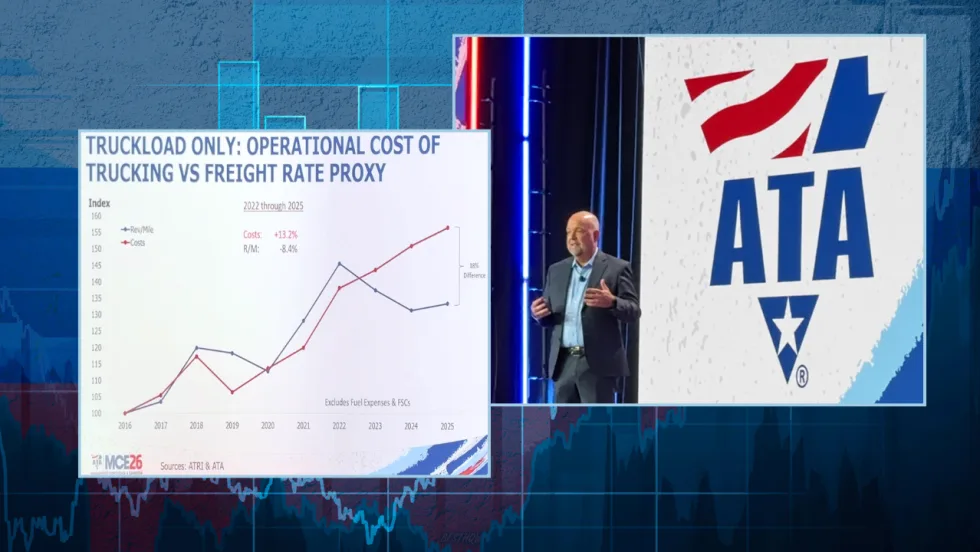
Why This Trucking Recovery Is Different
Freight demand remains sluggish, but rising costs and tougher enforcement have taken enough capacity out of the market to change the outlook for motor carriers.
Read More →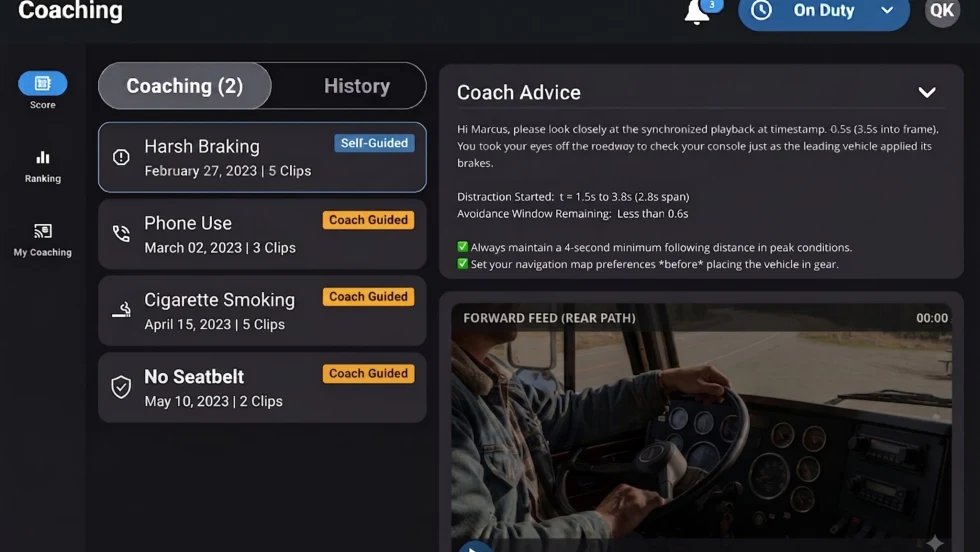
Platform Science Adds Dispatch and Safety Tools
Four additions to PS Fleet help fleets monitor loads, manage driver coaching, share truck locations and adjust video system settings.
Read More →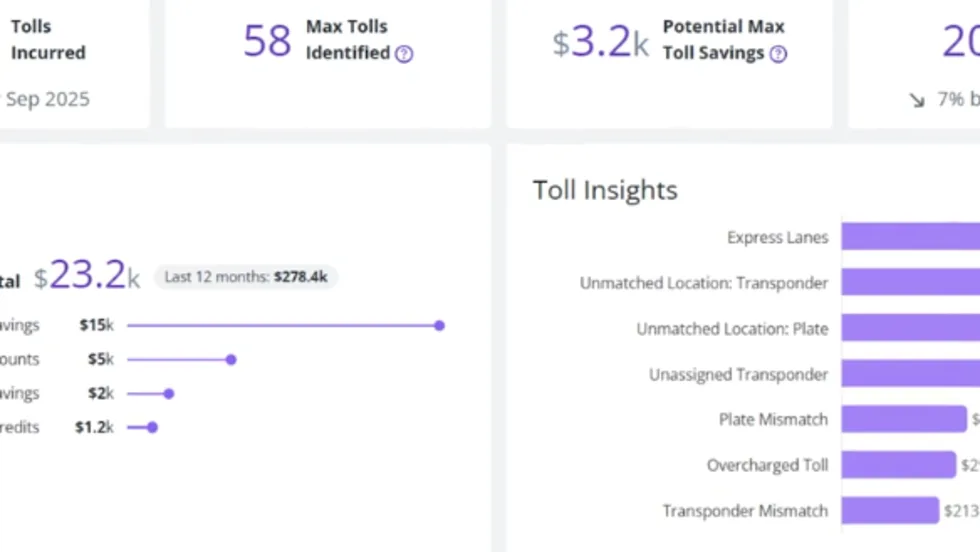
PrePass Intelligence Mines Fleet Bypass, Toll and Safety Data
PrePass Intelligence helps fleets measure bypass savings, flag potential toll overcharges, and spot suspicious transactions by combining data from separate systems.
Read More →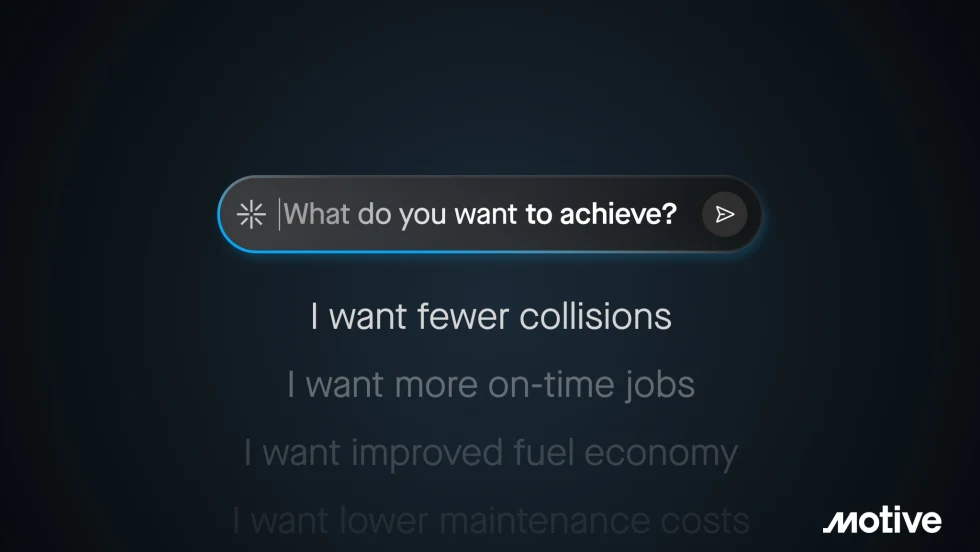
Motive Adds AI Agents for Fleet Operations
New tools automate follow-up on fleet data, from maintenance work orders to driver alerts, with two-way voice conversations planned for later this year.
Read More →
Can You Beat Our Trucking Trivia Challenge?
Test your truck knowledge with 19 trivia questions from Heavy Duty Trucking Exchange. Can you keep up with the fleet pros?
Read More →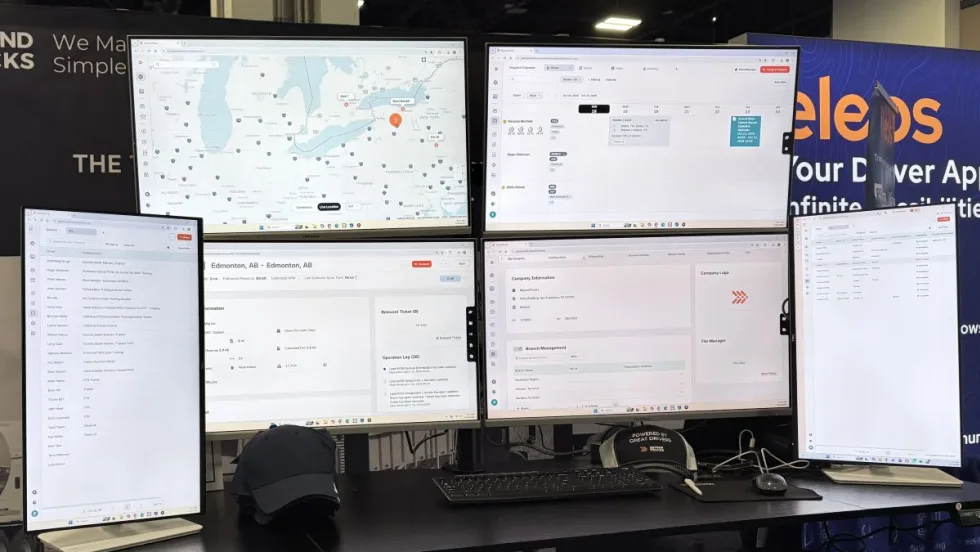
BeyondTrucks Adds Rules Checks to Dispatch
New Compatibility Engine checks driver qualifications, equipment requirements and fleet policies before loads are dispatched.
Read More →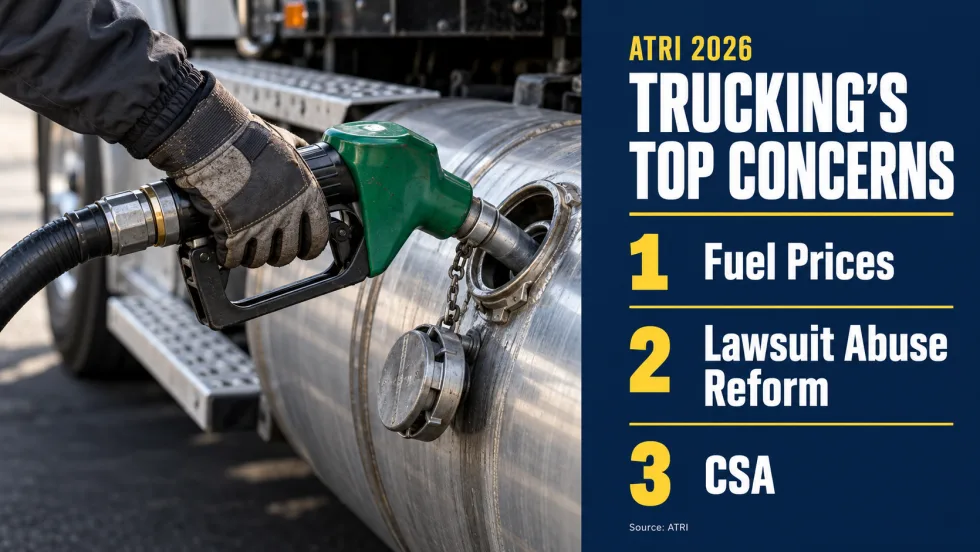
Diesel Prices Hijack Trucking’s Worry List
ATRI’s annual survey finds cautious optimism about freight, but diesel costs, litigation, and insurance continue to squeeze fleets. Drivers have different priorities on several issues.
Read More →
Nomination Deadline Extended for HDT Emerging Leaders
Just a few more days to nominate accomplished trucking fleet professionals under 40 who are making an impact and helping lead the industry forward for the HDT Emerging Leaders award. Deadline extended to October 20!
Read More →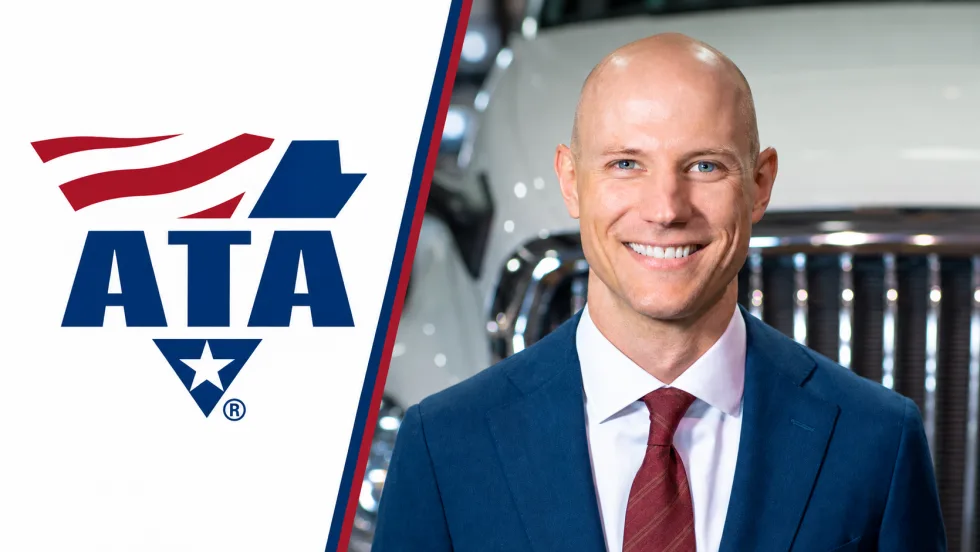
What Will ATA’s New Leader Bring to Trucking's Table?
Incoming President and CEO Mark Colson’s record in Alabama offers clues about his priorities and approach following Chris Spear’s abrupt departure as the head of the American Trucking Associations.
Read More →