




Is 68 Fast Enough?
If a driver can complete a 500-mile trip an hour or two faster, he can make more trips.
The leadership of the American Trucking Associations voted recently that rigs should be governed for a maximum of 68 mph, claiming it would reduce the number and severity of crashes. This in a real world where 27 states allow a legal 70 or 75 mph.
My column this month might not sit well with some of you, especially if you think 55 or 60 mph is plenty fast for big rigs. Sure, there are many states east of the Mississippi where these are the legal limits. My home state of Pennsylvania (also known as "Pennslowvania") is one of them. But I venture to say that the great majority of truckers ignore such speed limits.
At the opposite side of our country, California has a posted 55-mph limit for big rigs, and that, too, is largely ignored – at least where I'm driving. In between the two coasts and most of the South, it's a legal 70 or 75 mph. I happen to be from the school that says trucks and cars running about the same speeds are much safer than a 10- or 15-mph speed differential, which can force motorists to change lanes frequently. On multi-lane freeways and expressways, this is where many crashes and sideswipes happen.
Seventy-mph states for trucks include Alabama, Florida, Georgia, Louisiana, North Carolina, South Carolina, Tennessee, West Virginia, Texas, Missouri, Kansas and Minnesota.
Those states where trucks can travel 75 mph include Colorado, Nebraska, Nevada, Arizona, New Mexico, North Dakota, South Dakota, Utah, Wyoming and Oklahoma.
It's up to fleet managers to set up specs to limit top speed by gearing or through rpm governors. With today's electronically controlled diesel engines, it's fairly simple to dial in maximum top speeds. For some fleets, slower speeds and "gear fast, run slow" drivelines give superior fuel mileage, because drivers spend a high percentage of time with engines turning 1,500 rpm or less, which is where maximum fuel economy can be found. And many managers rightfully take the position that they don't want their 40-ton rigs barreling along faster than a mile a minute.
The flip side of this position is that time is money. If a driver can complete a 500-mile trip an hour or two faster, he can make more trips, or at least the vehicle is available for dispatch with another driver. Over the course of a week or two, this translates into moving the same tonnage with fewer vehicles or moving more tonnage with the same number of vehicles.
I recall a trip about a dozen years ago on I-10 across Arizona, New Mexico and Texas. My vehicle was underpowered and geared for a maximum of 62-64 mph. It was agony. Produce and frozen food haulers, in particular, blew past me at 80 mph-plus. I later learned that their competition was piggyback reefer trains. They had to make it to Chicago for third-day delivery. They were "gear fast, run fast." Fuel economy was low on their priority list. Time was big money.
In my own home area west of Philadelphia, there are several quarries that supply stone and aggregate to contractors and builders. Tri-axle dumps are the vehicles of choice for this business. Many are one- and two-truck owners. A popular four-lane route is non-interstate and posted 55 mph. These days I'm seeing 80-mph dump trucks traveling on it.
So what's the point of all this? When you get to the bottom line, it should be safe driving first, followed by profits and satisfied drivers. Depending where you are in our great country, that may be 40 mph, 85 mph, or somewhere in between. Buying a truck limited to 68 mph makes no sense.
I don't know why the ATA leadership thinks fleets – starting with their own members – are going to convince truckers to buy new equipment governed at 68 mph max. This simply isn't realistic thinking, and it's not a practical standard for an industry as diversified as trucking.
Whether you agree or disagree, I'd enjoy seeing your opinion. E-mail me at jwinsor@truckinginfo.com.
And thanks for reading.
More Fleet Management

How Innovative Trucking Leaders Turn Change Into an Advantage
As the pace of change accelerates in trucking, the fleets that adapt best have more than the latest technology. They have cultures that embrace improvement.
Read More →
Freight Broker Bonds Just Got Harder to Get. Here's What That Means for Your Fleet.
When it gets harder for a freight broker to prove they are financially sound, the ones who cannot clear that bar get pushed out of the market. And those are exactly the brokers who used to leave motor carriers holding the bag.
Read More →
Long-Awaited Canadian Border Bridge to Open in Detroit
For trucking, the bridge opening should offer immediate improvements in efficiency and reliability, with new customs facilities, expanded inspection capacity, and direct freeway-to-freeway connections.
Read More →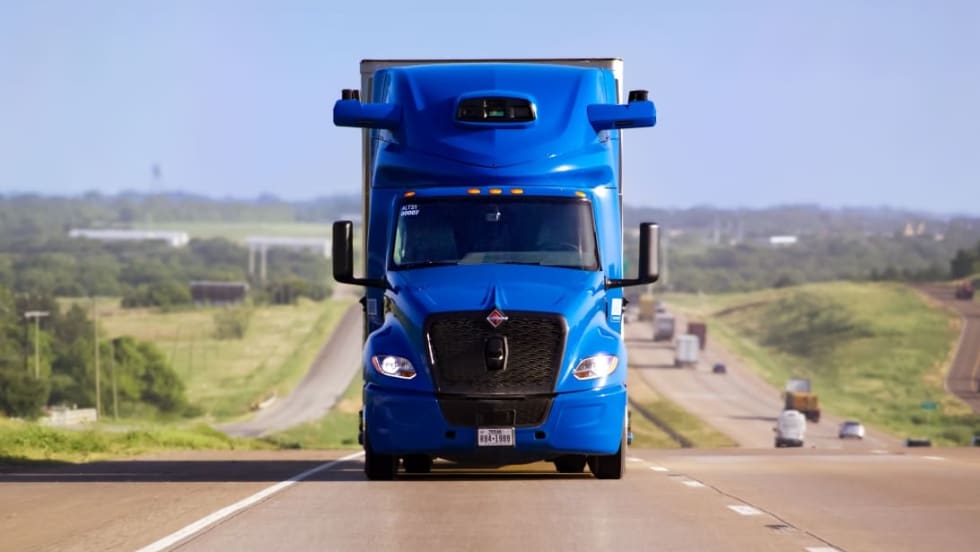
Aurora Rolls Out Next Generation of Driverless Trucks for Commercial Freight
Aurora's latest autonomous trucks it's rolling out with International feature lower-cost hardware designed for a million miles as the company expands commercial driverless freight operations across the U.S. Sun Belt.
Read More →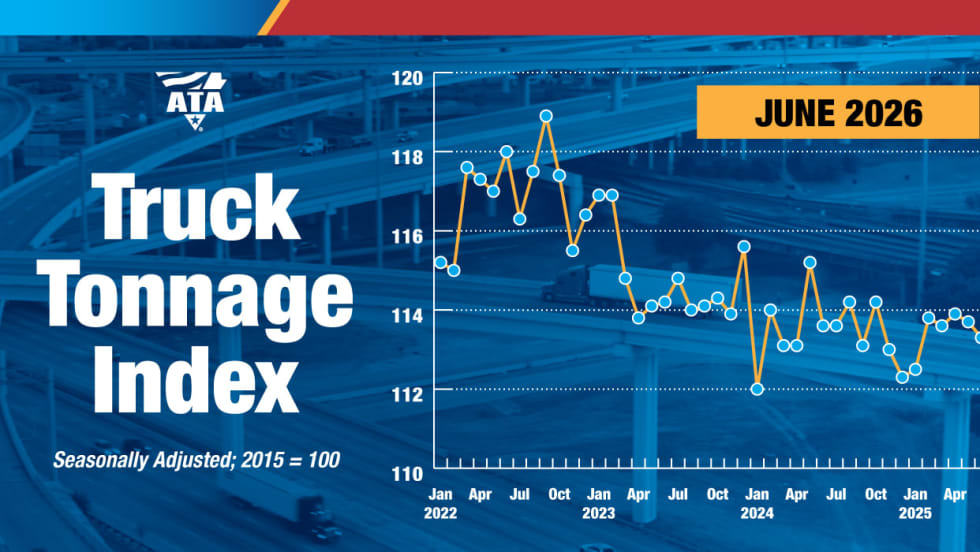
Freight Tonnage Down, Rates up, as Lower Capacity Powers Trucking Recovery
The recovery from the freight recession continues to be driven by reduction in capacity rather than by increased demand.
Read More →
Think Your Trucking Fleet Isn't Using Much AI? Think Again
Shadow AI — the use of unauthorized artificial intelligence tools at work — is becoming increasingly common, putting sensitive company data at risk. Learn how trucking fleets can protect sensitive data while embracing AI.
Read More →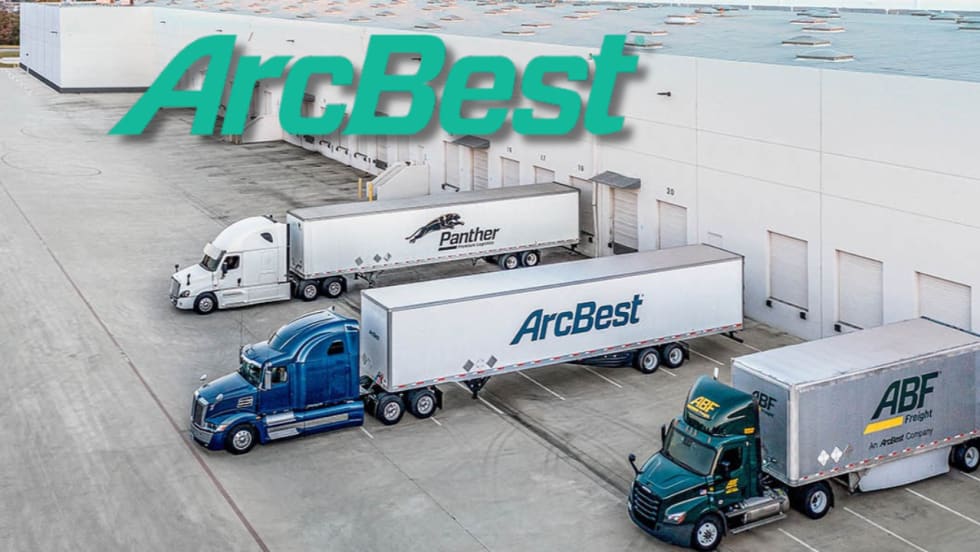
ArcBest Consolidates Brands, Cuts Workforce
The company will bring three business units under the ArcBest brand, eliminate about 2% of positions, and expects the changes to generate $40 million in annual savings.
Read More →
Trucking Fleets Faced Record Operating Costs During Third Year of Freight Recession
ATRI's annual operational cost report shows carriers trimmed fleets, delayed equipment purchases, and ran older trucks as expenses continued to outpace freight rates.
Read More →
Michelin Adds AI Assistant to MyConnectedFleet Platform
Michelin’s new generative AI tool delivers instant fleet insights, helping managers analyze fuel use, tire maintenance, vehicle status, and operational performance without manually creating reports.
Read More →
LytxOne Platform Now Features AI, Compliance, and Asset Tracking Tools
New enhancements add AI-powered insights, asset tracking, compliance automation, and configurable privacy controls to Lytx's all-in-one fleet management platform.
Read More →