




Intermodal Issues
'Revolutionary" is an apt description for freight containers, those now ubiquitous steel boxes that carry the cargoes of commerce around the world

'Revolutionary" is an apt description for freight containers, those now ubiquitous steel boxes that carry the cargoes of commerce around the world.
Before they were invented by an American truck-fleet owner in the early 1950s, ocean freight was handled, literally, by stevedores, who worked very hard but were not above dropping things and stealing some of them. And the manual process took time - lots of it.
Containers added speed, efficiency and security to international commerce, and free-trade treaties among nations brought cheap imported goods to U.S. consumers. But it really is a two-way street, because the eroded value of the American dollar makes domestic products inexpensive to foreign buyers, and many exports also go by container.
Most containers go from ports to interior markets and back by train, but trucks carry them at either end of their hauls. While on highways, containers ride on rack-like "chassis" that are owned, by and large, by steamship lines and railroads. That brings up the question of who should maintain them to keep them "roadable" - the chassis owners, or the truckers who pull them down the road?
Many "drayage" operators are owner-operators who get lousy rates and thus must operate old tractors that pollute the air. Many owner-operators lack business skills, and some believe they would be better off as company drivers. In Los Angeles, they might be forced into just that status. Let's take the issues one by one:
• Roadability. This scenario has repeated itself many thousands of times over the years: At a seaport or rail intermodal yard, an owner-operator trucker is directed to hook onto a container chassis and told to go somewhere in the yard where a container will be loaded. He gives the chassis a quick pre-trip inspection and even though he can see it needs some work, he signs off on it. Complaining, he knows, will only cause delays, and he's behind in time and needs to make a haul to make any money this day.
He gets the container, then, after waiting in line, leaves the premises and finally hits the freeway. Somewhere along the route he's stopped by a law enforcement officer, who inspects his rig and finds safety defects on the container chassis. Maybe a tire's worn beyond legal limits or the brakes are out of adjustment, and if it's not bad enough to declare the rig out of service, the officer issues a fix-it ticket and tells the trucker to take care of the problems (sometimes right on the spot).
Often the citation includes a fine, which the trucker is responsible for paying, even though he doesn't own the chassis. If he's leased to a sympathetic motor carrier, he might get reimbursed and his company will try to get its money from the owner of the chassis.
That unfair reality was supposed to change under legislation passed by Congress in August 2005, according to Curtis Whalen, executive director of the Intermodal Carriers Conference of the American Trucking Associations. A highway reauthorization bill contained a provision that would shift responsibility for chassis maintenance from truckers to "providers," who own or lease the vehicles. Called Requirements for Intermodal Equipment Providers and Motor Carriers and Drivers Operating Intermodal Equipment, the "roadability" provisions also ordered federal authorities to write regulations under which the law's intent would be carried out.
"The law stipulated that regs be final in one year, by October 10, 2007, and we're now almost two years out and there are no regs yet," Whalen says. The Federal Motor Carrier Safety Administration is taking its time - something not unusual among Washington regulators, who must get input from those who will be affected, ponder them at length and write them carefully, because defective regs cause even more problems. FMCSA was tardy with the regs, yet listed them as "on schedule" on its web site until Whalen wrote a letter of protest. Now the agency lists them as "late."
"They do have the materials they need and have come out with draft regulations," he said. "ATA is OK with them, but there are some hold-ups on the equipment providers' side. They want a DOT number for identification purposes, and that seems to be on its way to being solved," but it's not the last hurdle.
"Another issue is how soon it will take effect," Whalen explains. "We think it should be right away, but the providers want more time." Final regs might be out by late this year.
Meanwhile, the current situation of a driver getting cited for chassis deficiencies still goes on because "that's the law now," Whalen says. "Under the new system, he will be responsible for the power unit and the chassis owner will be responsible for that equipment. Accepting a chassis is now a matter of how the day is going for the guy, and one issue with the regs is how quickly a deficiency found in the pre-trip inspection must be fixed. We're trying to have something that says it must be fixed within 30 minutes or they give you a new chassis." That would give the individual trucker much more clout than he now has.
"Once the law goes into effect, we're confident that the quality of the chassis pool will improve," he says. "Already there is some improvement, with centralized maintenance facilities" in some yards. Who's more to blame at issuing un-roadworthy chassis? "Steamship lines are more challenged in that regard than the railroads," Whalen says diplomatically. Railroads are accustomed to managing the maintenance of locomotives and rolling stock, so looking after highway equipment is not a big step for them.
• Clean Trucks programs. Hauling containers out of seaports - drayage - is a haven for owner-operators who want to work locally. They put in long hours, but at least they're home most nights - or days, if night-time hauling is required to relieve road congestion, as it is at the bustling twin ports of Los Angeles and Long Beach, Calif. Carrying containers from and to the ports doesn't pay much and the independent truckers can't afford late-model equipment, so they often run old tractors with smoky diesels.
Officials at both ports, under pressure from federal and state authorities to help clean the air in the traditionally smoggy Los Angeles Basin, have crafted plans to curb pollution from ships, locomotives and other sources at their piers and in their yards. Currently they're going after the highly visible old trucks with proposed rules that would require their scrapping and replacement with modern, clean-burning road power. This would cut air pollution from trucks in the ports by 80 percent, officials believe.
Staffers at the adjacent but competing ports cooperated in drawing up Clean Trucks programs. After about a year of work, commissioners of each port adopted separate plans (details are listed under Clean Trucks at www.pola.com and www.polb.com). The two plans are similar in most ways, establishing a phase-out schedule for old trucks and deadlines for introduction of newer ones, and setting up special fees and funds to help truck owners buy the smokeless trucks using generous grants and financing.
This will help owner-operators and fleets tremendously, says Art Wong, spokesman for the Port of Long Beach. But it won't help all of them, because some are simply not good businessmen and all are being squeezed by the high cost of fuel.
"Unfortunately, there are a lot of guys with old equipment that won't be able to survive the business environment anyway," he says. "But our financing will offer an 80 percent subsidy; a grant will pay up to 80 percent - we're still negotiating with manufacturers and leasing companies on this - then they can finance the other 20 percent. Then in a few years, he'll have a paid-for asset with equity. ... We're doing what auto drivers have had to do for decades, which is, convert to clean-running vehicles, and we're going to help pay for it."
The schedule is ambitious. Model-year '89-and-older
More Equipment
Rush, MCT Team Up to Grow Refrigeration Service Network
The joint venture will operate MCT's network of Carrier Transicold dealerships and mobile service locations, with the companies promising greater service capacity and uptime for refrigerated fleets.
Read More →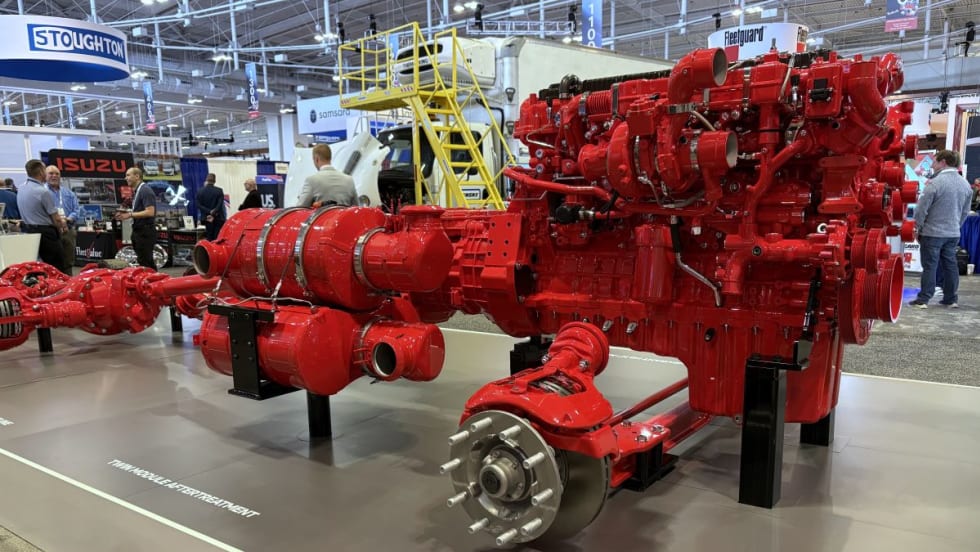
Cummins Adjusts 2027 Engine Rollout After EPA Proposal
The engine maker will gradually introduce its new Model Year 2027 diesel engines while continuing to offer current models during the transition, citing the EPA's proposed emissions rule changes.
Read More →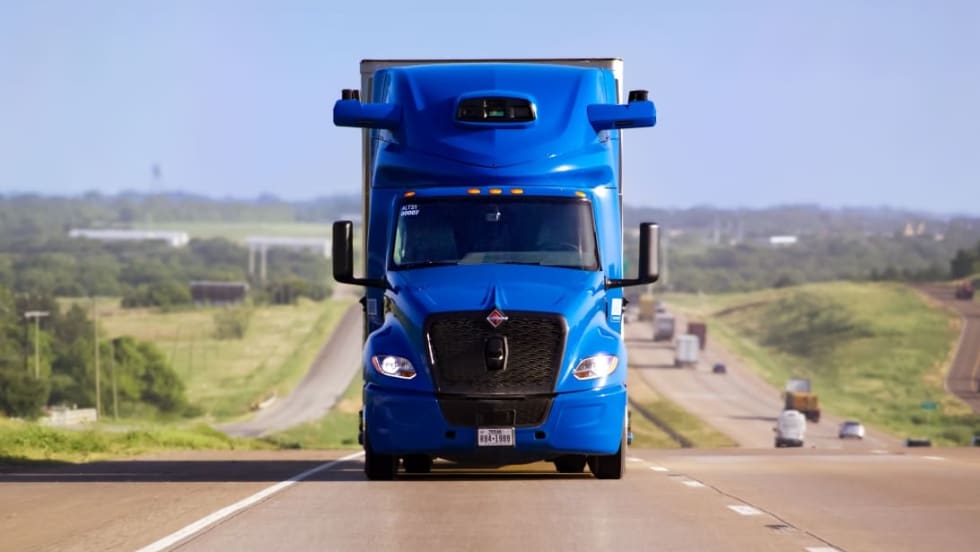
Aurora Rolls Out Next Generation of Driverless Trucks for Commercial Freight
Aurora's latest autonomous trucks it's rolling out with International feature lower-cost hardware designed for a million miles as the company expands commercial driverless freight operations across the U.S. Sun Belt.
Read More →
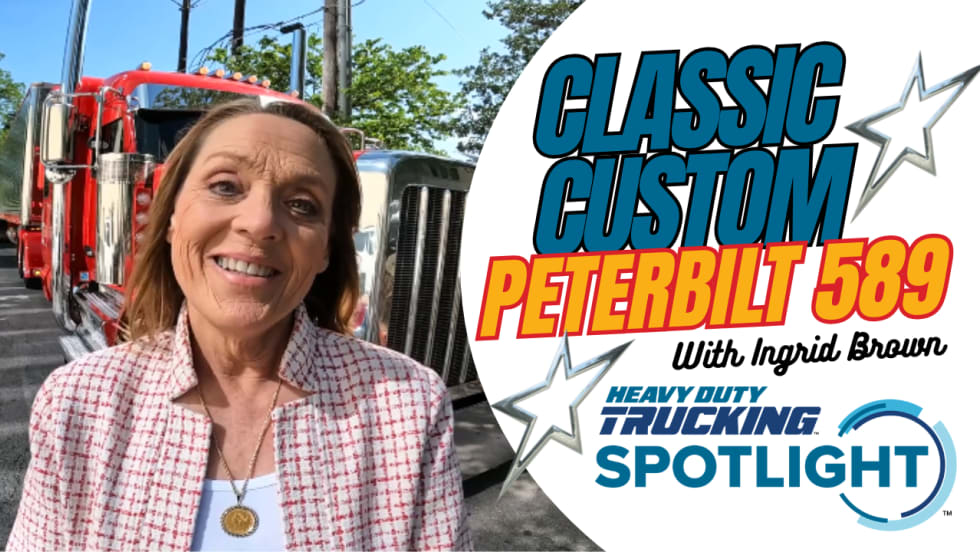
Peterbilt 589 Spotlight: A Close Look at a Custom Working Truck [Video]
There's more to this customized Peterbilt Model 589 and Great Dane refrigerated trailer than chrome and stainless (although there's plenty of that too!) A veteran driver explains the design choices and practical features behind this working truck.
Read More →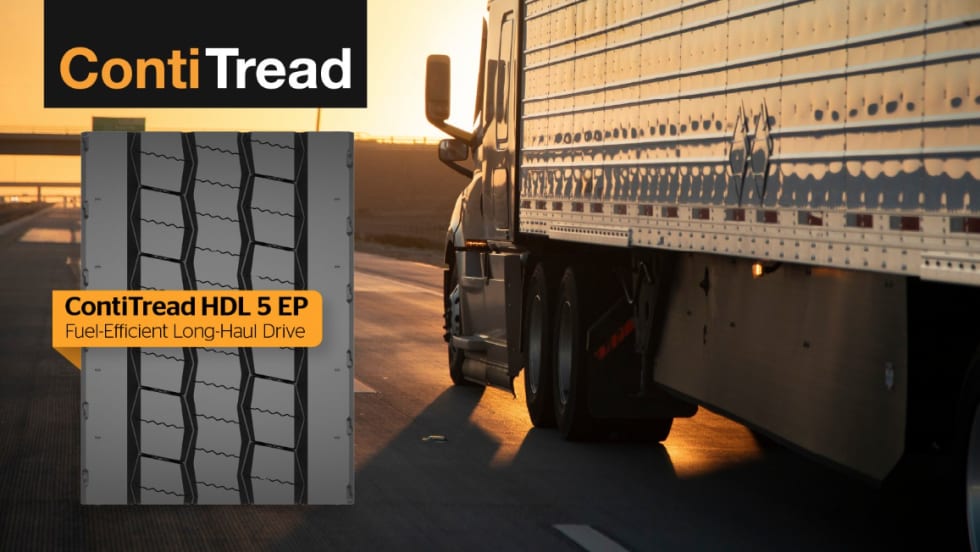
Continental Expands Retread Lineup With New ContiTread HDL 5 EP
New long-haul drive retread is designed to improve fuel efficiency, extend tread life, and lower fleets' cost per mile.
Read More →
EPA Proposal Could Ease 2027 Truck Costs and Buying Uncertainty
The proposal doesn't change the tougher NOx standard, but it would revise key implementation requirements that manufacturers say have driven up costs and complicated fleet purchasing decisions.
Read More →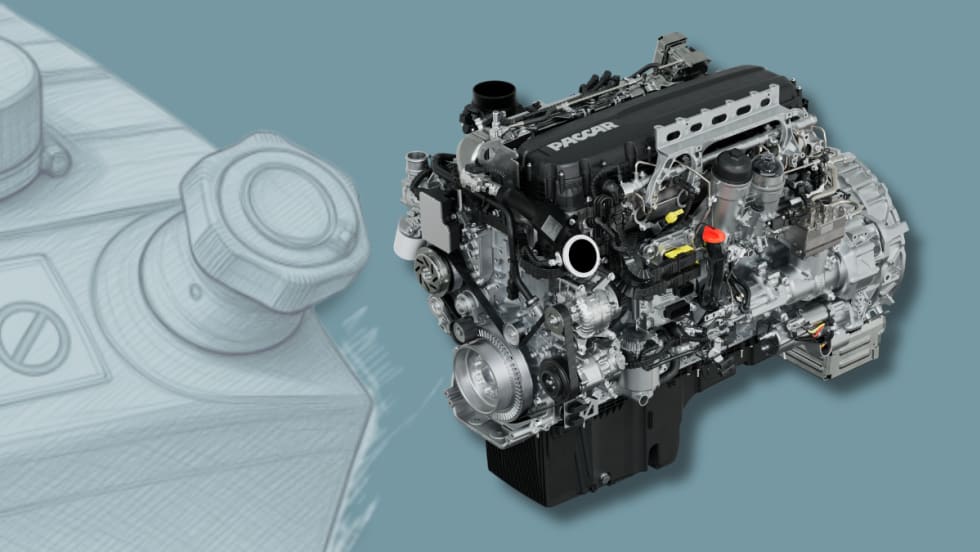
Cummins, Paccar Ease DEF Derates After EPA Guidance
Updated diesel engine software gives truck operators more time to address emissions-system issues while staying compliant with EPA emissions standards.
Read More →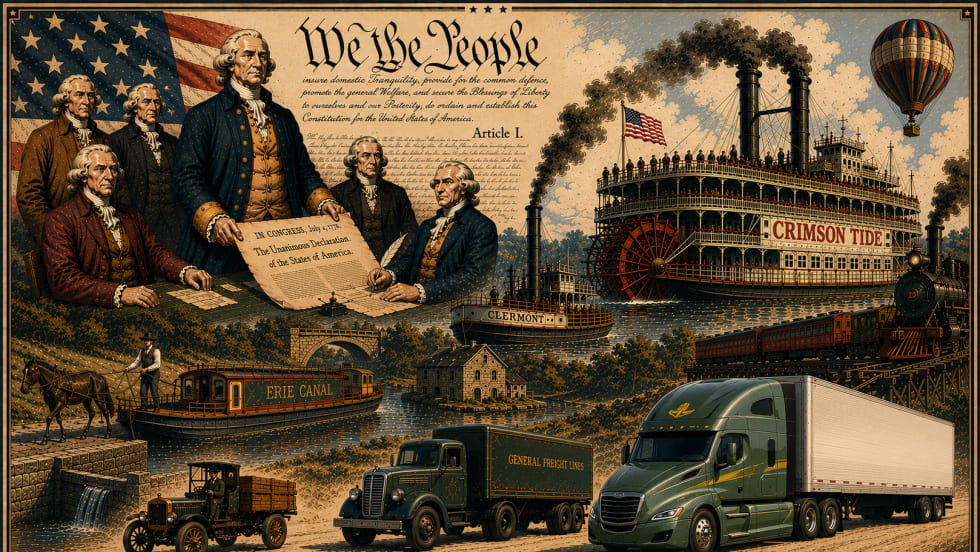
America at 250: How the Truck Helped Connect a Continent
America was founded on revolutionary ideas, but it was built by movement. For 250 years, the nation has depended on ever-better ways to move people, products, and prosperity across a vast continent. No machine has carried that mission further — or more faithfully — than the truck.
Read More →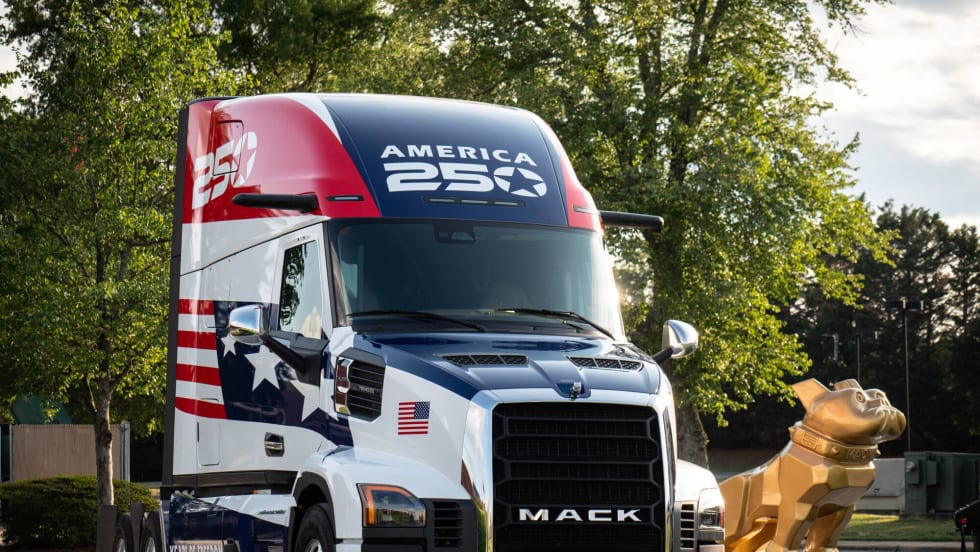
Mack Unveils America 250 Tribute Truck to Celebrate Nation's Semiquincentennial
Just in time for the Fourth of July! Mack unveils a brand-new patriotic, limited-edition, red, white, and blue truck wrap.
Read More →
Enhance Fleet Performance with High-Efficiency Auxiliary Power Units
Drive sustainable cost savings while increasing driver comfort during short- and long-haul logistics operations.
Read More →