




Idle Reduction: Not One Size Fits All
As we spoke with HDT Truck Fleet Innovators for our June cover story on ways to save fuel, it became evident that auxiliary power units are a perfect example of how fuel-saving specs are not one-size-fits all.


The best ways to keep drivers comfortable at night while saving fuel depend on each individual company.
Photo: Jim Park
Fuel-saving specs and strategies that work for one company won’t necessarily work for another, even if they’re in similar applications. As we spoke with current and former HDT Truck Fleet Innovators for our June cover story on ways to save fuel, it became evident that idle reduction and the use of auxiliary power units are a perfect example of how fuel-saving specs are not one-size-fits all.
Hirschbach Motor Lines, Dubuque, Iowa, tried to reduce weight and cost by not installing APUS on its tractors, opting for a start/stop idle management system on the engine, says Nick Forte, director of equipment assets and facilities. (CEO Brad Pinchuk is a 2021 Innovator.) “This did not provide the results as anticipated, and the driver feedback was less than acceptable,” he says, so they went back to diesel APUs.
U.S. Xpress, Chattanooga, Tennessee, has been proactive in adopting electric APUs, working with D-Climate, says Shaun Sadler, senior vice president of equipment at U.S. Xpress and a 2021 Innovator. “Idle optimization has contributed significantly to reduced fuel usage and has aided in really managing driver idle. We believe there will be additional gains in battery health and reduced service requirements.”
Navajo Express had a different experience with APUs.
“We had originally installed APUs on our tractors for both fuel economy and driver comfort benefits,” says Don Digby Jr., president of Denver-based Navajo Express and a 2019 Innovator. “We found that the weight of the APUs, along with maintenance needs, were in fact hurting Navajo’s fuel economy. We have since began to trade out trucks with APU units.”
Idle Reduction Beyond the APU
One thing that likely would have broader application? Driver education and incentives.
At Maverick Transportation, for instance, a key part of its Pay For Perfomance incentive program is idle percentage, says Mike Jeffress, vice president of maintenance at the Arkansas-based flatbed fleet and a 2012 Innovator. As part of the PFP program, he says, “Drivers receive updates daily and fully understand their performance based on the quarterly goal as well as how they rank within the fleet assigned.”
Gerry Mead, executive vice president of maintenance and equipment for Hub Group and a 2016 Innovator, believes one thing many fleets overlook in fuel economy is driver training, whether it’s the right way to work with a new transmission or staying comfortable in the bunk. “How do you idle the right way? You have to pre-cool the bunk area and really control your idle time,” he notes.
Even though idle management can be a significant contributor to reduced fuel utilization, Sadler says, “Idle management is not always the most popular subject nor the easiest to manage. As technology expands, we are utilizing better tools to help in this regard. As well, we have found that good solid communicating with drivers can assist considerably.”
More Fuel Smarts
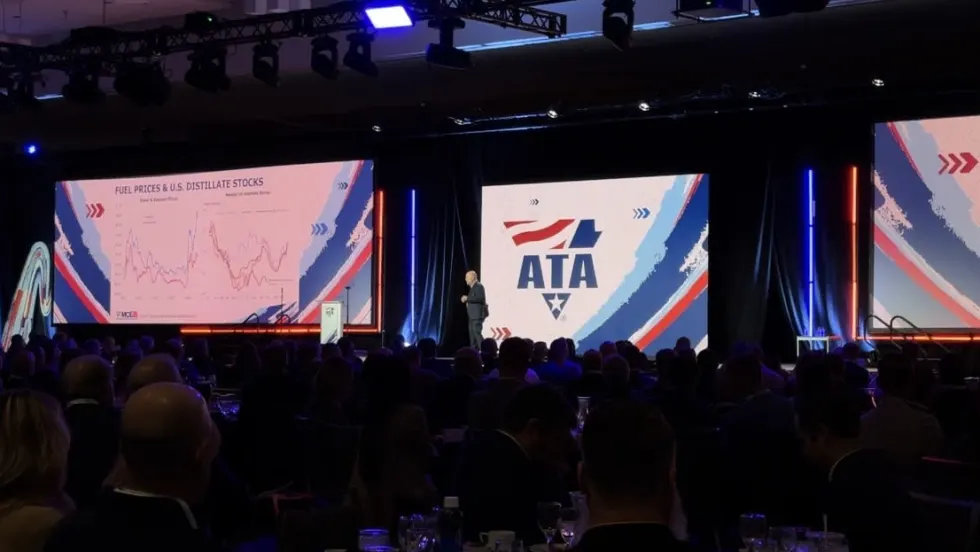
Trucking’s Diesel Squeeze Isn’t Letting Up
With diesel topping $6 a gallon nationally, ATA's Bob Costello explains why fleets should prepare for continued pressure at the pump.
Read More →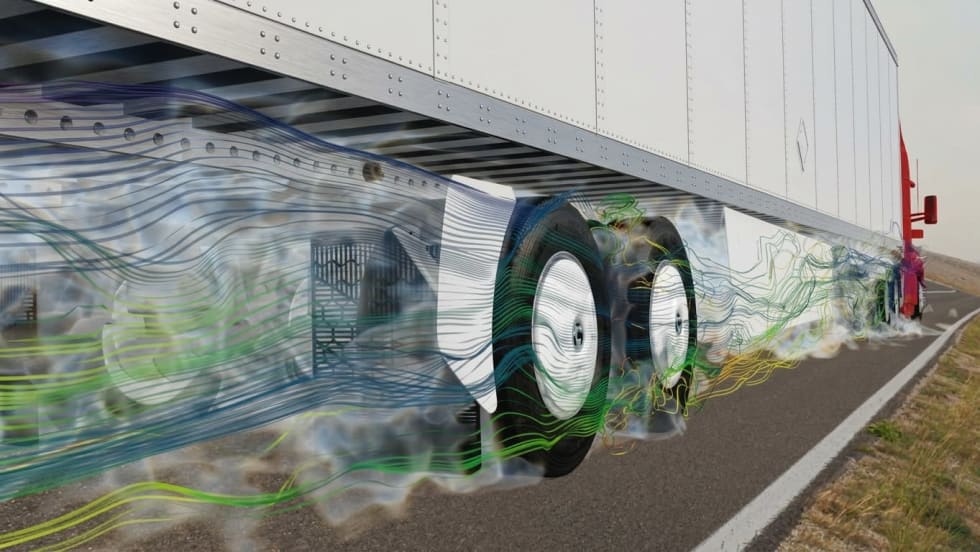
FlowBelow Redesigns Trailer AeroSlider to Cut Fuel Use
The lighter trailer aerodynamic system installs in less than 45 minutes, according to the company, with potential payback in under a year depending on fuel prices and trailer mileage.
Read More →
Why Diesel Price Relief Efforts May Fall Short
Diesel prices have eased from September’s record high, but doubts about additional Russian supply and limits on dyed-diesel tax relief mean trucking fleets still face expensive fuel. And prices could go higher.
Read More →
Why Small Fuel Savings Matter in Trucking
Can better fuel economy help pay for driver raises? In this podcast, GP Transco explains how small efficiency gains create room to reinvest in its people.
Read More →
How GP Transco Cuts Trucking Fuel Costs, a Tenth of a Gallon at a Time
What’s another tenth of a mile per gallon worth? GP Transco shares how equipment upgrades and driver coaching turn small gains into meaningful fuel savings.
Read More →
Electric Yard Tractors Move Beyond Pilots
Operating-cost savings have overtaken sustainability goals as the leading reason surveyed fleets are adopting battery-electric terminal tractors, according to new NACFE research.
Read More →
Geotab Links Fleet Card to Vehicle Data
The new card combines fuel discounts with telematics-based purchase controls. Geotab’s analysis also points to potential savings from choosing lower-priced fuel stops.
Read More →
Fleet Economics Shape Electric Truck Outlook
ACT Research expects costs, charging infrastructure, and technology improvements to drive zero-emission commercial vehicle adoption as federal regulations and incentives retreat.
Read More →
Wex Adds Cardless Fuel Payments for Over-the-Road Customers
A new fuel card feature for Wex customers offers convenience and security.
Read More →
New California Law Could Shed Light on Electric Truck Prices
Why do battery-electric Class 8 trucks remain so expensive? A California bill signed by Gov. Gavin Newsom would give fleets and state agencies more visibility into what manufacturers charge.
Read More →