




Related: 14 Things You Need to Know Before ELDs Become Mandatory
How Nine Energy Service is Coaching Drivers With In-Cab Video
Nine Energy Service decided it would go beyond the ELD mandate requirements, and is adding in-cab video to its telematics strategy. The oilfield fleet's Brett Quigley writes about its decision and how it's implementing the technology.
by Brett Quigley, Nine Energy Service
June 27, 2017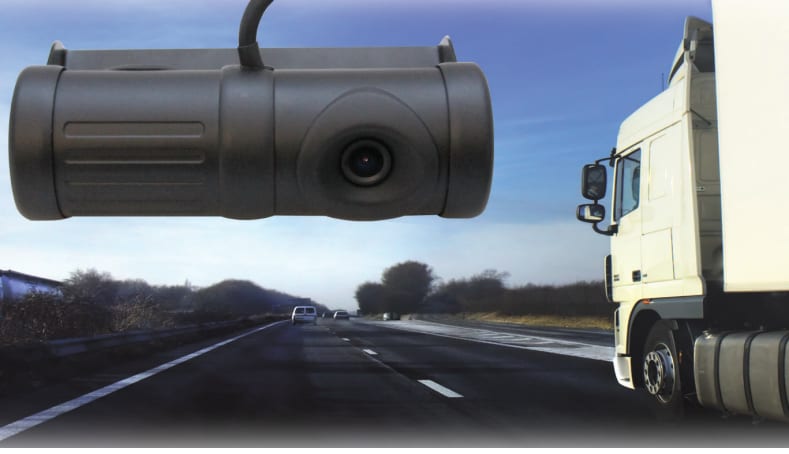
Photo: MiX Telematics
4 min to read
Photo: MiX Telematics
The upcoming ELD mandate is causing most U.S. fleets to re-evaluate their telematics strategies, and Nine Energy Service is no exception.
We are an oilfield services company operating a fleet of light- and heavy-duty trucks throughout the U.S. and Canada. We have experienced tremendous growth in the company, both organically and through strategic acquisitions, and the ELD mandate was a good impetus for updating and standardizing our fleet management solutions across all of our operations.
Nine’s executive team was very keen to go beyond just basic compliance and invest in a holistic platform that would also help us improve safety and efficiency. This included integrating in-cab video capabilities. Video is a crucial part of the safety puzzle for several reasons:
First, we wanted to proactively address driving behaviors, to keep our drivers and those traveling on the roadways with them safe.
In order to do this, we needed visibility into what happens on the road and in the cab to help formulate training and guide the way we work with our drivers.
These videos are a fantastic resource for teaching moments for both management and employees on how to improve behavior and promote safe driving.
We made integrated in-cab video a requirement for our ELD search, and after evaluating several options, we implemented MiX Telematics’ platform in early 2017.
Video as a coaching tool
We view in-cab video as a crucial coaching and education tool. When a driving incident is triggered, fleet managers are alerted and video is automatically appended to the driver’s scorecard. When we identify a pattern of potentially unsafe driving behavior, we can share the video footage with drivers and coach them, either individually or as a group. We’ve made it clear to drivers that the main objective is to improve safety for them.
An example of how we might use video to coach drivers: When we see a driver with multiple triggered events for harsh braking, we can look at the video and determine whether the driver needs to increase their following distance, plan their route better prior to departure, etc. We can then share the video with the driver and coach them on safer methods of vehicle operation.
Drivers must buy in for this strategy to work
Gaining driver buy-in for in-cab video is crucial. Here are some factors that helped us:
Make sure drivers understand that the primary objective is to ensure their safety. We want all of our drivers to get home safe every night. All other goals pale in comparison to this one.
We explained that video would only be used for driver coaching/training and for insurance purposes.
We updated our telematics policy to include a section on in-cab video. Some key provisions:
We will only collect video when the vehicle is in motion, never when parked or when drivers are off duty. Cameras are equipped with indicator lights so drivers can see when they are recording (or not).
No one is monitoring live video feeds. Video is only appended to driver scorecards in the event of a triggered driving incident.
In addition, video is captured on a rolling basis for 72 hours of trip time. If there is no reason to pull this visual evidence, the video is overwritten.
Providing incentives for safe driving
Overall, Nine drivers have an excellent safety record and culture – the vast majority of drivers rarely, if ever, trigger incidents. We are planning to use our ELD solution and video mostly as a carrot rather than a stick. It is our intent to use driver scorecard data, including video, to reward our safest drivers with quarterly and annual incentives. As with any similar recognition program, we’re confident that this will create a friendly competition among our drivers to be honored for safe driving.
All in all, in-cab video integrated with our fleet management system is allowing us to:
Make more informed decisions around incidents involving their drivers;
Identify drivers who may need additional coaching and training;
Prevent crashes; and
Ultimately reduce our insurance rates.
As we complete the installations across all applicable vehicles, we’re confident that our ELD software will enable us to improve operations in other areas – such as fuel economy and regulatory compliance, creating a positive return on our investment. But really the investment that means the most to us is the one we’re making in the safety of our drivers, and in the safety of everyone with whom we share the roads.
Brett Quigley is the director of fleet and DOT compliance at Nine Energy Service, a North American oilfield services company. This article was authored under the guidance and editorial standards of HDT’s editors to provide useful, non-promotional information to our readers.
Subscribe to Our Newsletter
More Drivers

Truck Drivers Need More Than Another Alert
Fleets have more visibility into truck health, safety events, and driver activity than ever. The next challenge is turning all that information into useful guidance for the person who has to decide what to do next.
Read More →
FMCSA Removes 110 Truck Driver Training Schools from Certified ELDT List
Federal regulators also are targeting more than 160 additional training providers and launching a nationwide audit of third-party CDL skills testers as part of a broader crackdown on trucking fraud.
Read More →
Hours of Service Pilot Programs: FMCSA Readies for 2027 Rollout
Two pilot programs could eventually reshape hours-of-service rules, giving truck drivers options to pause their 14-hour clock or use longer split sleeper rest periods.
Read More →
Medical Cards, English Proficiency Reshape Roadcheck Violations
Medical-card violations jumped to the top of the driver out-of-service list during CVSA’s 2026 International Roadcheck, while English-language proficiency violations appeared among the leading violations for the first time.
Read More →
Driver Trust Can Make or Break the Success of Fleet Safety Technology
New Teletrac Navman research suggests that onboarding, transparency about driver data, and positive feedback can play a significant role in how commercial drivers respond to safety and coaching technology.
Read More →
EEOC Sues KLLM Over Alleged Sex Discrimination in Driver Training
KLLM is facing a federal sex-discrimination lawsuit over policies the EEOC alleges put female truck driver trainees at a disadvantage.
Read More →
FMCSA Moves to Codify English Language Requirements for Commercial Drivers
By changing regulations on English-language proficiency requirements for commercial drivers, rather than relying on a guidance memo, the FMCSA said future administrations won't be able to walk back the Trump administration's stricter enforcement with just a memo.
Read More →
Drivers Put Western Star Trucks to the Test at Star Nation Experience
Watch to get an inside look at the Western Star trucks, technology, and community behind the Star Nation Experience 2026!
Read More →
Trump Administration Looks to Put More Veterans Behind the Wheel
The Freedom Haulers program pulls together existing and expanded programs at several federal agencies to recruit veterans to drive commercial heavy-duty trucks and cut the red tape for them to get a CDL, training, and employment.
Read More →
Putting Mack’s Command Steer to the Test
A test drive of Mack’s Command Steer active steering system evaluates how it can make truck driving easier and less tiring.
Read More →