How Erika Nolan Is Reshaping Driver Training at Werner Enterprises
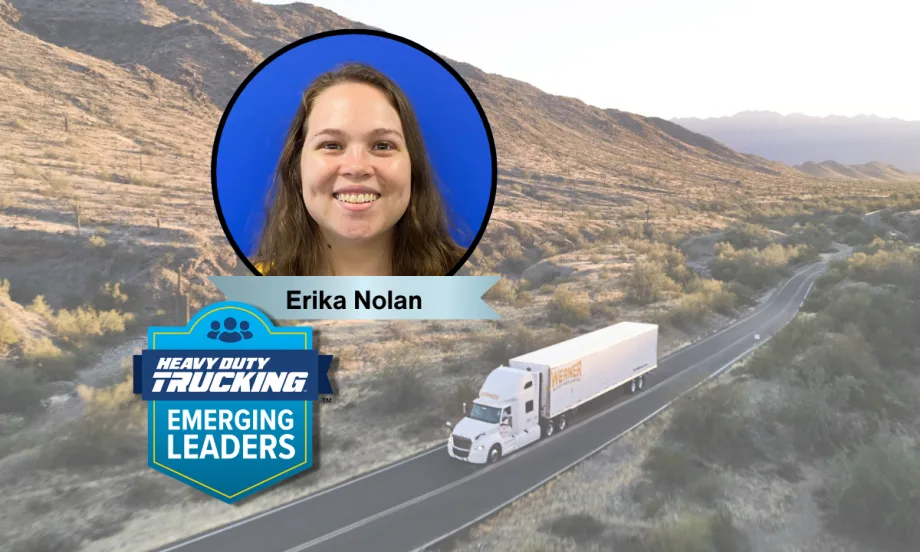
HDT Emerging Leader Erika Nolan is reshaping driver training, communication, and technology use at Werner Enterprises with a people-first, engineering-driven approach.
HDT Emerging Leader Erika Nolan "actively seeks out new challenges, identifying areas where she can add value before being asked.”
HDT Graphic
6 min to read
When Erika Nolan interned with a less-than-truckload carrier in college, she expected to practice industrial engineering. She didn’t expect to fall for trucking. Yes here she is, a Heavy Duty Trucking 2025 Emerging Leader.
Ad Loading...
“I loved being in the corporate space, but I also really loved going out to the terminal and talking with the folks there and being a part of the supply chain process,” she says.
“Yes, we utilize a lot of technology to aid our industry, but it's still extremely people-based, which for me is a lot more fun.”
Ad Loading...
Applying standardization and other industrial engineering skills to people, she says, is more fun than, say, using it for more efficient warehouse space.
“I really fell in love with trucking,” she says.
Nolan oversees all the company’s driver-facing content, and she has been putting her industrial engineering expertise to work on standardizing training processes.
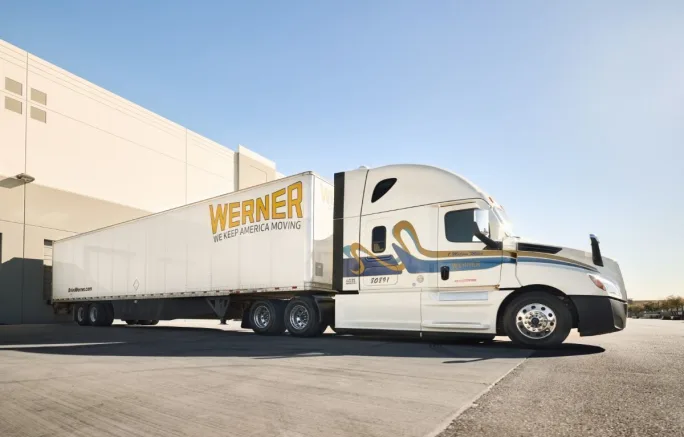
Photo: Werner Enterprises
An Engineer Who Found Her Calling in the Driver Community
After college, Nolan worked with Schneider.
“I really got a great foundation for pricing and planning and customer service,” she says, but “I wanted to do a little bit more,” which led her to Werner Enterprises.
Erika Nolan, corporate safety quality assurance manager, Werner Enterprises
Chelsea Seger, shift maintenance supervisor, Waste Management
Dylan West, safety training and compliance manager, Key Oil (part of Keystops LLC)
“Wanting to do more” has been the theme of Nolan’s career so far.
Ad Loading...
According to her company’s nomination, “One of Erika’s most defining traits is her ability to take initiative well beyond her assigned responsibilities. She actively seeks out new challenges, identifying areas where she can add value before being asked.”
Since joining Werner in 2022 as a corporate safety specialist, Nolan has been promoted twice, first to corporate safety training manager and more recently to corporate safety quality assurance manager. She also was chosen to participate in the company’s 18 Wheels leadership program.
Turning Industrial Engineering Into Better Truck Driver Experiences
Nolan’s leadership was instrumental in the revamp of the Werner Welcome Experience, as well as the development and rollout of multiple Career Track initiatives.
“I do a lot of work with our driver onboarding and our career track program,” Nolan explains. “Part of our onboarding process is also developing driver leaders who help enhance those skills for those less experienced drivers coming in.”
Before, she says, the leader development training was essentially repurposed driver orientation slides. But feedback indicated this wasn’t working well.
Ad Loading...
They “felt like we were telling them how to do something versus helping them explain it to somebody else.”
So, Nolan led a project to develop training that reminded these lead drivers of what was covered in orientation while teaching them how to be effective coaches themselves.
Nolan oversees all the company’s driver-facing content, and she has been putting her industrial engineering expertise to work on standardizing training processes.
“So that backing class that gets done in our Fontana terminal is as similar as it can be to the one done in Lehigh Valley,” she says, “So we really give our drivers that standardized experience.”
Using AI to Give Truck Drivers Faster Answers and Better Help
“That line of technology versus human of where, how do we utilize technology as a tool versus as this idea of a replacement,” she says.
“And if we are utilizing technology, how do we flip that to also be a benefit for the industry?”
As part of the 18 Wheels leadership program, Nolan worked with a small group to make recommendations for improvements in the company’s call trees — how could they make the call experience better for drivers, customers, and others?
Nolan works to communicate with drivers as fellow professionals, and always tries to explain the "Why."
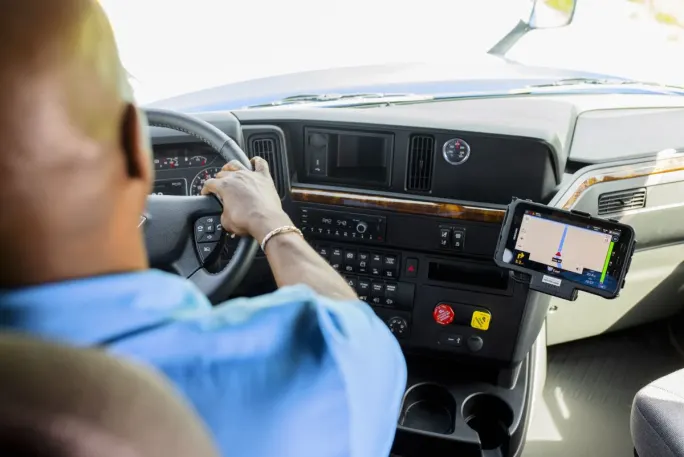
Photo: Werner Enterprises
“Especially as the industry's becoming a little bit more comfortable with things like AI, how do we utilize that where everybody still feels like they're getting a good customer service experience and they're getting the information that they need?”
Using AI to help with routine calls, she says, could allow Werner to put people in areas where they can be more effective.
Ad Loading...
“So our logs department can really be helping the driver manage their logs versus just answering a question that an AI agent could help them with.”
Another example? Autonomous trucks, theoretically, are likely to be used for longer highway cargo runs.
“You still need that hub and spoke of who's going to take it from the highway to that smaller vendor or that DC or what have you,” Nolan says — allowing for more regular routes that get drivers home every week or even every night.
Meeting Drivers Where They Are With Clear, Respectful Communication
Nolan has worked to better understand drivers through visits to Werner’s terminals to meet with them. Those visits helped her understand a driver’s day and gave her insights to improve the change management that goes along with technology implementation.
Nevertheless, figuring out the best ways to communicate those changes to drivers is a challenge, especially in a fleet as large as Werner.
Ad Loading...
One size does not fit all, Nolan says. Some may be college graduates on their second career, while others didn’t graduate from high school, or don’t have English as their first language.
“And so how do you give one message to everybody?”
Nolan aims for a middle-school reading level that avoids a condescending tone.
“We're all professional adults,” she says. “I want to communicate with [drivers] in a way that I would want to be communicated with.
“One of my big things is always trying to at least have like a sentence or two of the why something is happening,” she says.
Ad Loading...
That could be as simple as explaining why drivers have to restart their tablet after a software update.
She has gotten positive feedback on this approach, with drivers telling her they appreciate the way she communicates to them as coworkers.
Making Space at the Table for the Next Generation of Women in Trucking
Asked about her approach to leadership, Nolan emphasized integrity and accountability.
“There is a lot of value in having the integrity of communicating what's going on, why are we doing this,” she says.
Nolan would like to see more people enter the trucking and logistics business intentionally, rather than stumbling into it as seems to be common, and believes that integrity and accountability can make the industry more attractive.
Ad Loading...
Part of the challenge of recruiting younger women, especially, is concerns about working in an industry where there traditionally are a lot more men than women.
“I'm really fortunate to be at a company that's never made me feel this way, but definitely being a woman in this industry is not always the easiest,” Nolan says — although it is improving.
“Sometimes we have to superglue ourselves to the table to make sure we keep our spot there.”
Werner’s nomination of Erika Nolan puts it this way, “Her ability to transform processes, inspire colleagues, and deliver measurable results positions her as a model for the next generation of industry leadership.”
For fleet managers and collision repair professionals keeping heavy-duty trucks on the road, getting the color right the first time isn't just about appearance — it's about efficiency, turnaround time, and bottom-line results. Discover how today's digital color tools are transforming the repair process from guesswork to precision.
Carriers whose updates were due on or after June 1 have more time, while FMCSA works to stabilize its new registration system and warns of phishing sites impersonating its new carrier registration system, Motus.
Cargo theft is no longer just the cost of doing business. It's a multi-billion-dollar criminal enterprise exploiting vulnerabilities across your fleet, drivers, and supply chain.
Explore how telematics help refrigerated fleets improve visibility, uptime, efficiency, compliance, and cargo protection across connected cold chain operations.
Escalating U.S.-Canada tariffs could disrupt cross-border freight, reduce truck volumes, raise costs, and create new uncertainty for carriers on both sides of the border.
The American Transportation Research Institute wants to know what's worrying trucking fleet managers, drivers, and other stakeholders in its annual Industry Issues survey.
HDT Truck Fleet Innovator Adam Buttgenbach helped PepsiCo build one of North America’s largest EV fleets by focusing on where electric trucks make operational sense.