




Related – The Last Mile: Where Brawn Meets Brains
How Customized Data Can Make Last-Mile Routing More Efficient
The ability of fleets to deliver their loads to the right place at the right time is more important than ever to the economy, but last-mile routing remains a huge challenge.
by Brian Larwig, Trimble MAPS
May 22, 2020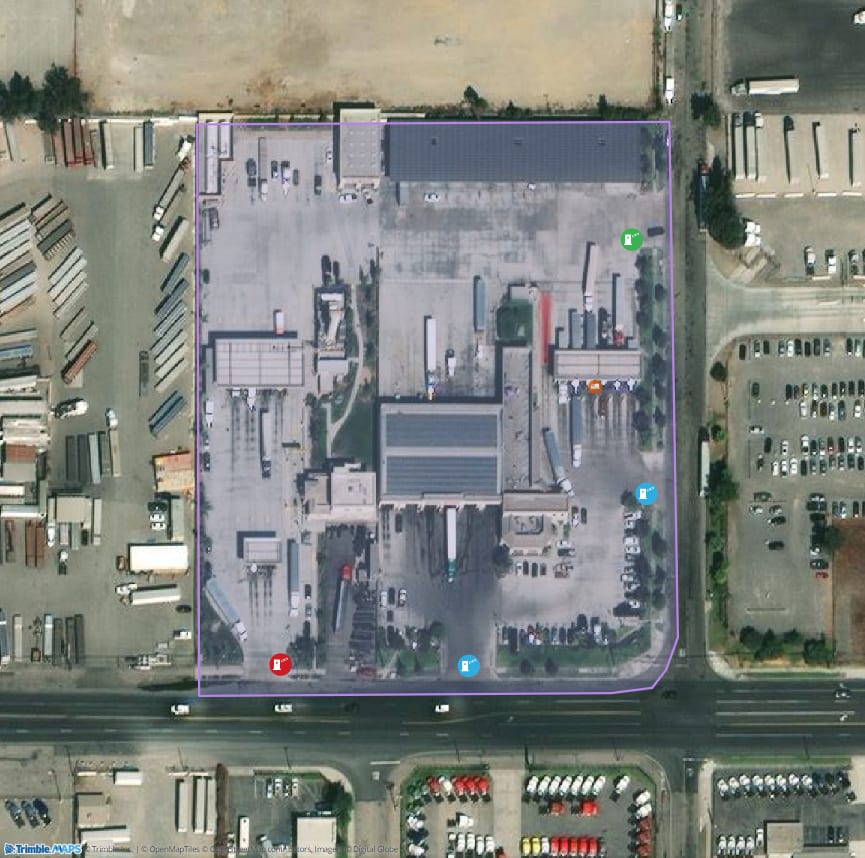
Look for routing solutions that get drivers exactly where they need to be, including entry and exit gates.
Photo: Trimble Maps
5 min to read
U.S. consumers spend trillions of dollars a year buying things online, and those numbers are accelerating. Thanks to the “Amazon effect,” consumer confidence is growing in how much they buy online, as well as what they buy, and the surge in online buying during COVID-19 shelter-in-place orders has only accelerated that trend.
At the same time, technology adoption and consumer expectations of e-commerce experiences have heightened. People want to know when their shipment is going to arrive and what’s going to happen when it’s delivered. Even more, they would like to be able to communicate alternate arrival times and locations up to even an hour before the scheduled delivery. They want visibility throughout the journey and proof of delivery. Mostly, it needs to be easy on all sides.
The ability of fleets to deliver their loads to the right place at the right time is more important than ever to the economy, but last-mile routing remains a huge challenge. Last-mile issues can make up a hefty 28% of a shipment’s total cost, according to Cerasis. This isn’t just a home delivery issue. The same expectations make their way up the supply chain to the transportation of loads from distribution centers to retail outlets, for example. The receiver at the back dock at the retail outlet wants to track their shipments, know when it is going to arrive, and have it arrive on time.
What Information Routing Tools Need
Existing tools are fairly effective at routing drivers from Chicago to Los Angeles or Florida to New York. The challenge is the last mile, because everything has to be detailed and granular. If the delivery site is a college campus, a generic address isn’t informative enough. Vehicle entry gates may be on another road than the “address” of the location. A driver needs to know which specific door at which specific building, and the roads the vehicle can take to get there. Directions and locations need to be exact, down to the final yard of where to leave a parcel or meet a receiver. Drivers should also have detailed information about the expectations of receivers: Do they expect “over the threshold”? Assembly? Setup? Returns? Pictures? Surveys? Signature?
Time windows and ETAs need to be granular as well, even up to the point of a 30-minute window. With routing technology, fleets can optimize routes and schedules by using customer-provided time windows. Fleets can also use technology for exception management by continuously monitoring events such as traffic or unplanned stops, and receive notifications when a planned ETA will be missed. Furthermore, fleets can share this dynamic delivery status information directly with customers, taking a proactive approach to freight movement and customer service.
Planned time at a location should also be more precise in the final mile. A stop that takes 20 minutes longer than expected can delay all subsequent stops. For instance, lengthy dwell and detention times burden fleets by making it difficult for drivers to stay on schedule. With location intelligence, carriers could obtain dwell and detention times and use that data to inform their planning, resulting in greater operational efficiency.
Accurate Data Needed for Optimized Delivery
Today, as the volume of demand and orders increases, drivers are still relying on inaccurate location data. They are often sent to an address that may not be the true truck or delivery entrance, and lose time searching for the actual destination. Another challenge is that many map providers do not have every non-public driveway or facility access mapped. If there is a side road a driver is supposed to take to arrive at the correct gate, but that side road isn’t included in their routing, the driver will get off-track. That not only causes avoidable delays, but also has the potential to be unsafe if the vehicle ends up on a road where it shouldn’t be or resorts to unsafe maneuvers.
For drivers to get to the right place on their first try, they need precise locations for pick-ups and drop-offs and turn-by-turn directions. More precise last-mile routing can have a dramatic impact on fleets’ efficiency by preventing wasted time and money. In a highly competitive sector with thin margins, the ability to optimize resources and reduce inefficiency is critical to success. Greater precision also helps carriers give more accurately estimate arrivals, which not only enables them to refine their scheduling, but also helps manage and meet customer expectations.
Creating Custom Routing Sites
Building custom sites doesn’t have to be complicated. At a baseline, this means using latitude and longitude to pin specific locations on a satellite map. The more advanced version is to build custom “sites” that define a location’s truck-specific entry and exit gates and/or custom gate paths that specify the roads drivers should take into/out of the site. The key is to provide the driver with safe guidance at a location—from which road they should enter or depart on, to where the gates are, to which dock or door to make pick-ups and deliveries. By building up this detailed information and sharing it with the driver, the back office can create complete operational consistency from the planning to the execution. The back office knows precise mileage and drive times, and the driver is safer and more efficient. There are a variety of methods to accomplish this data sharing, including a conversation, a note-taking system, or through robust site-management tools that automate the recording and sharing of this valuable information.
Making improvements to last-mile routing with data insights and location intelligence will have a dramatic impact on drivers, fleets, and the industry as a whole. Customizing location data produces better mileage results, provides more precise drive times to the right gate, and provides better turn-by-turn directions to drivers, which leads to better on-time delivery success, better customer service, and improved driver satisfaction. Overall, customized location data can make fleets more efficient every mile of the way.

Brian Larwig
Photo: Trimble Maps
Brian Larwig is vice president and general manager over Trimble’s Analytics, Big Data, Optimization, and Last Mile product lines. He has more than 16 years of experience in transportation technologies focused on efficiencies, automation, decision assist, and building data focused solutions. This article was authored and edited according to HDT editorial standards and style to provide useful information to our readers.
Subscribe to Our Newsletter
More Fleet Management
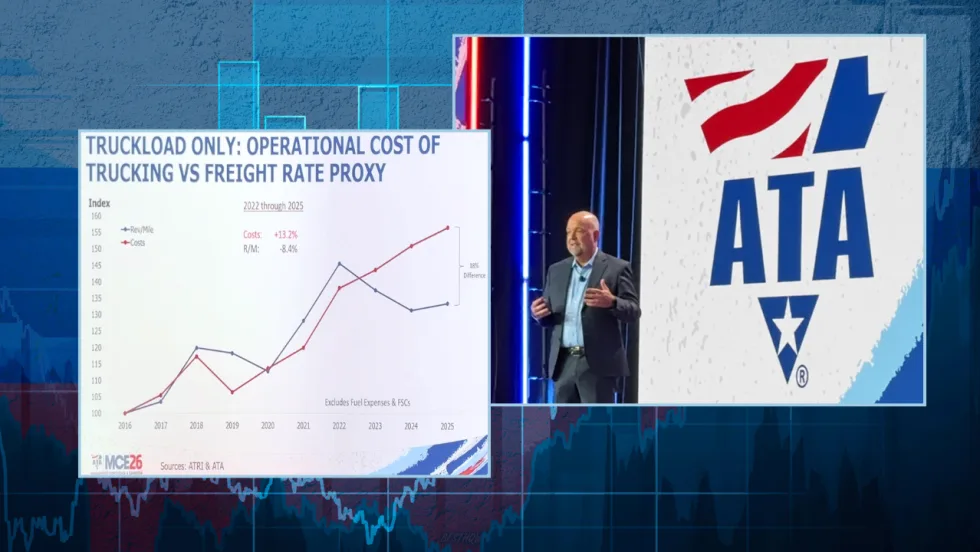
Why This Trucking Recovery Is Different
Freight demand remains sluggish, but rising costs and tougher enforcement have taken enough capacity out of the market to change the outlook for motor carriers.
Read More →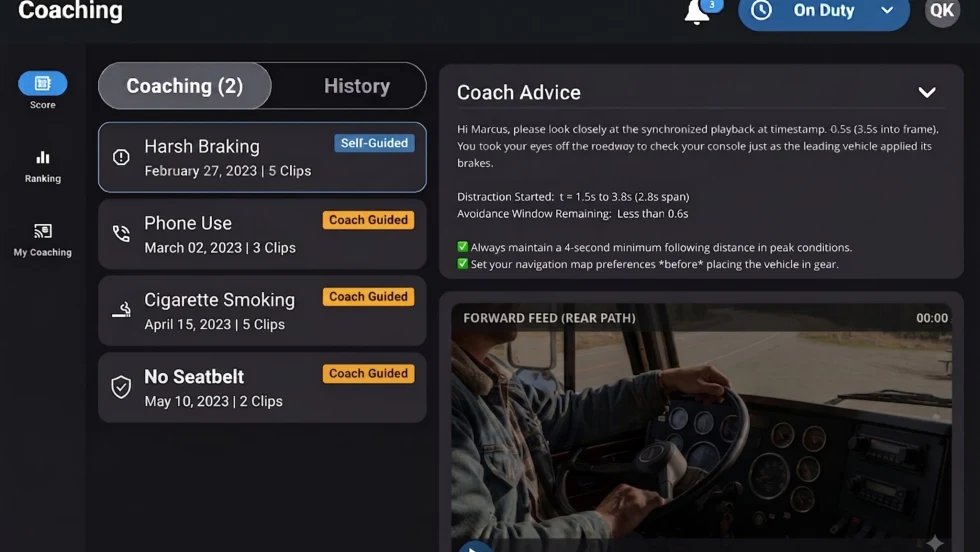
Platform Science Adds Dispatch and Safety Tools
Four additions to PS Fleet help fleets monitor loads, manage driver coaching, share truck locations and adjust video system settings.
Read More →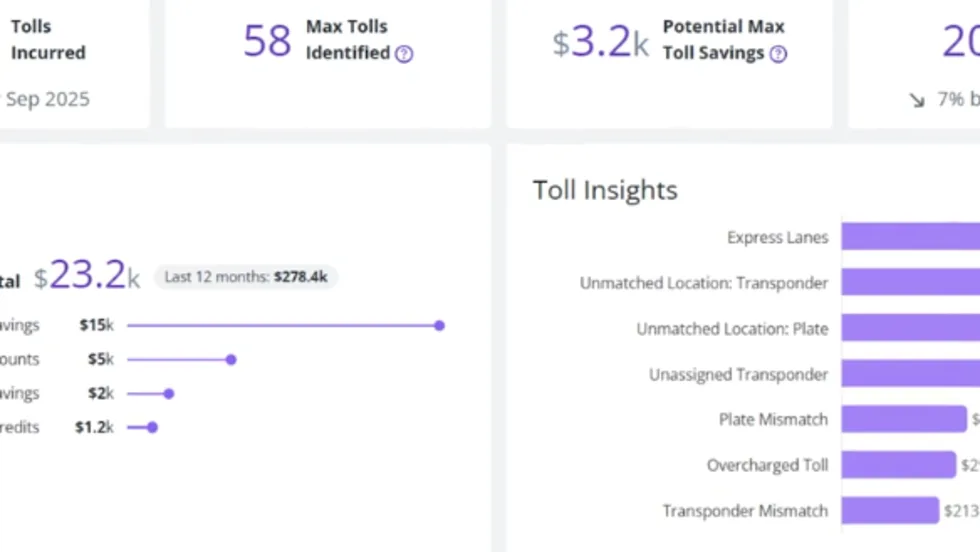
PrePass Intelligence Mines Fleet Bypass, Toll and Safety Data
PrePass Intelligence helps fleets measure bypass savings, flag potential toll overcharges, and spot suspicious transactions by combining data from separate systems.
Read More →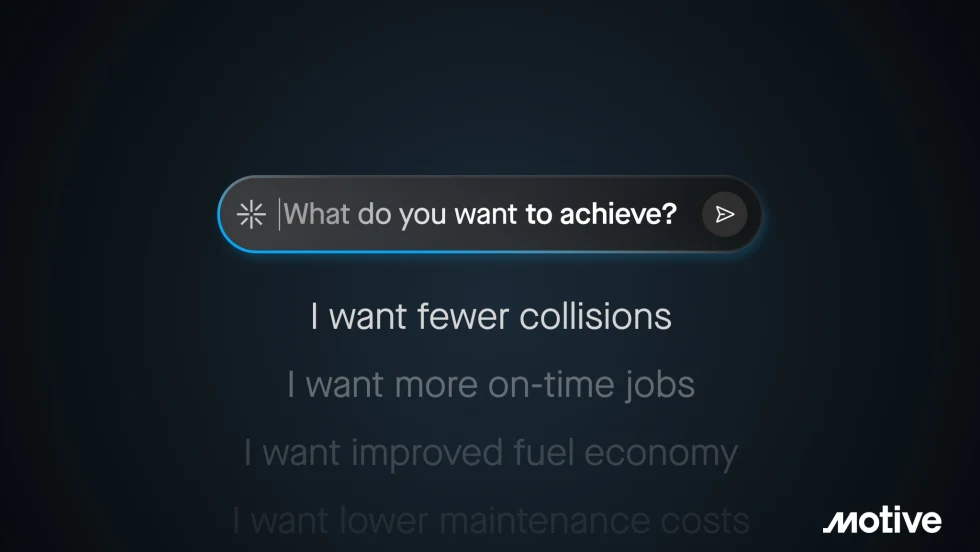
Motive Adds AI Agents for Fleet Operations
New tools automate follow-up on fleet data, from maintenance work orders to driver alerts, with two-way voice conversations planned for later this year.
Read More →
Can You Beat Our Trucking Trivia Challenge?
Test your truck knowledge with 19 trivia questions from Heavy Duty Trucking Exchange. Can you keep up with the fleet pros?
Read More →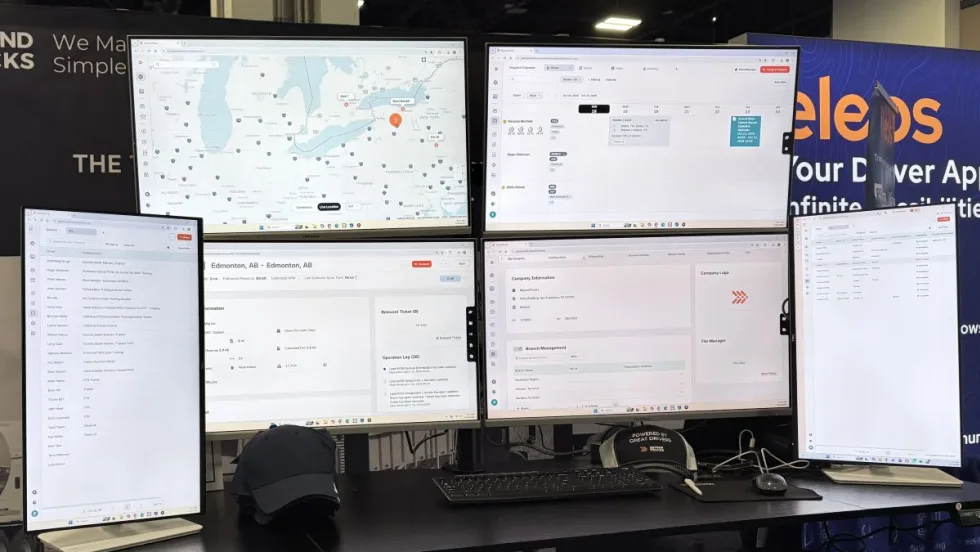
BeyondTrucks Adds Rules Checks to Dispatch
New Compatibility Engine checks driver qualifications, equipment requirements and fleet policies before loads are dispatched.
Read More →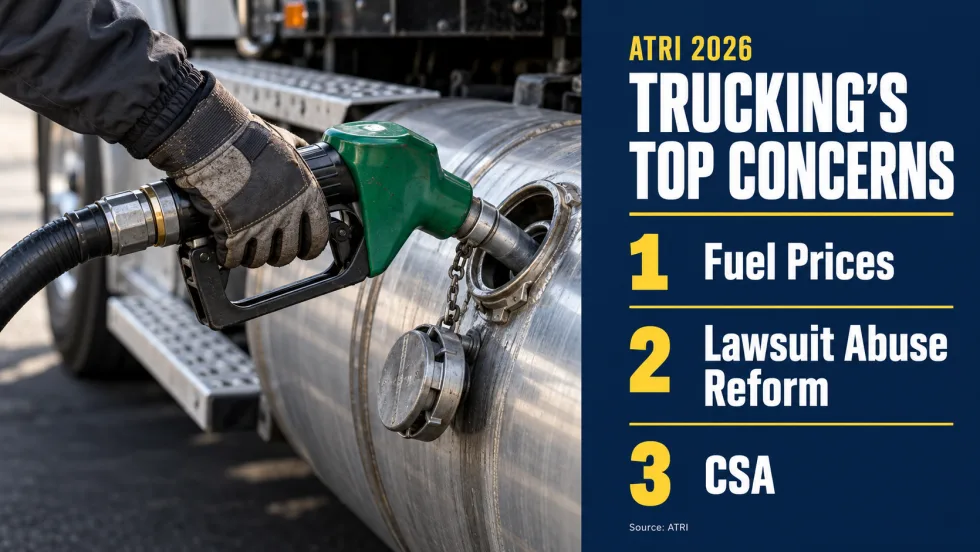
Diesel Prices Hijack Trucking’s Worry List
ATRI’s annual survey finds cautious optimism about freight, but diesel costs, litigation, and insurance continue to squeeze fleets. Drivers have different priorities on several issues.
Read More →
Nomination Deadline Extended for HDT Emerging Leaders
Just a few more days to nominate accomplished trucking fleet professionals under 40 who are making an impact and helping lead the industry forward for the HDT Emerging Leaders award. Deadline extended to October 20!
Read More →
What Will ATA’s New Leader Bring to Trucking's Table?
Incoming President and CEO Mark Colson’s record in Alabama offers clues about his priorities and approach following Chris Spear’s abrupt departure as the head of the American Trucking Associations.
Read More →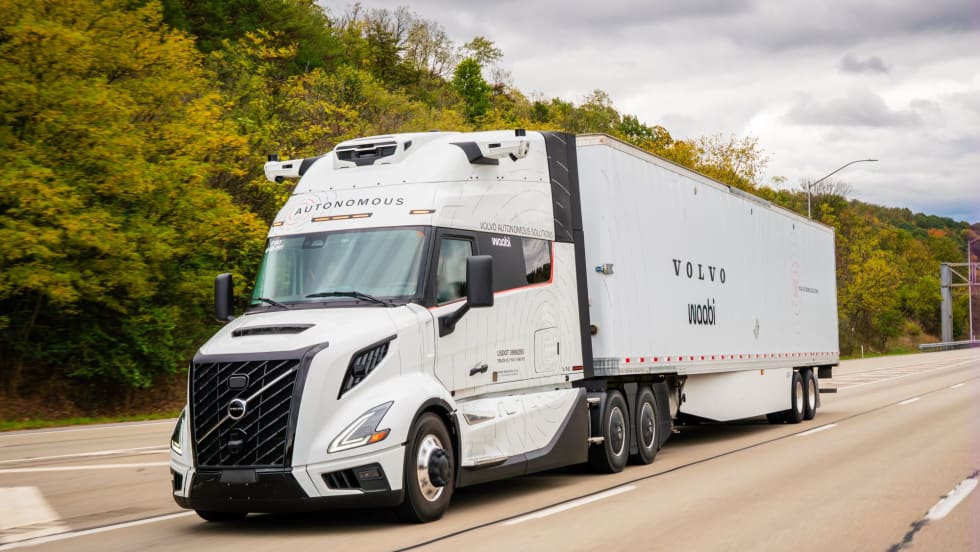
Volvo, Waabi Start Commercial Autonomous Operations in Texas
Volvo VNL Autonomous trucks, powered by the Waabi Driver, are hauling freight directly to third-party facilities for a customer in Texas.
Read More →