





Related: How Freight Visibility is Evolving
How CalArk is Upping its IT Game in Last-Mile Delivery Fleet
A longtime dry van truckload carrier, CalArk has been growing a last-mile delivery and warehousing business – but it discovered the same computing technology that works for its line-haul business wasn't right for this new venture.
February 6, 2020
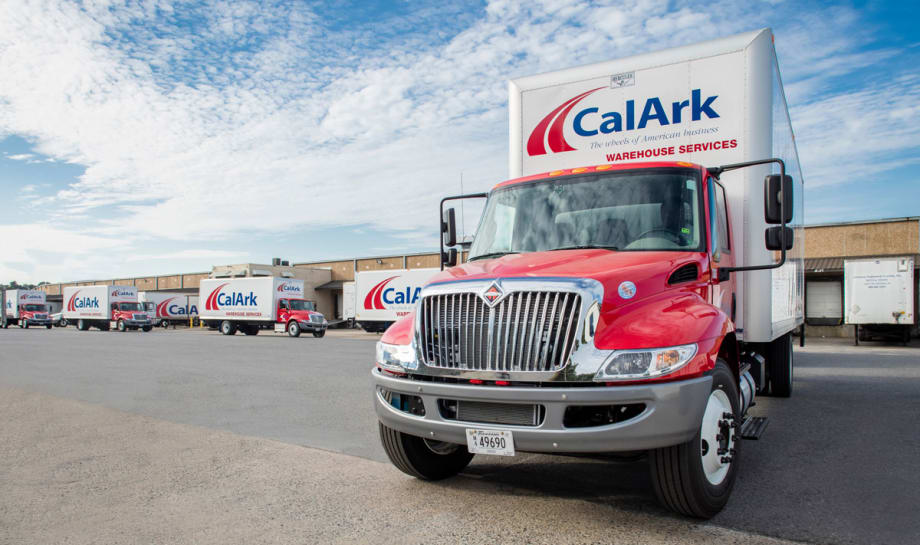
CalArk saw an opportunity to become a one-stop-shop for customers wanting warehousing and various last-mile logistics services.
Photo: CalArk International
4 min to read
When CalArk International outgrew its corporate headquarters and moved into a new facility that came with 650,000 square feet of warehouse space, the Arkansas-based truckload carrier saw an opportunity to become a one-stop-shop for customers wanting warehousing and various last-mile logistics services.
“Where we’re focused now is more of a dedicated model for last-mile delivery,” explains Matt Braslavsky, vice president of information technology. “We’re providing resources to customers. But as part of that our customers are looking to us as to how to best execute delivery of what they want to have happen. We had the opportunity to take what our customer requirements are and potentially offer them a solution that’s cheaper and more economical than what they thought they were able to do.”
The company’s last-mile operation consists of about 225 medium-duty box trucks at depots across the Southeast and in Texas.
Losing the Truckload Mentality
One of the challenges, Braslavsky explains, has been adopting a mentality closer to less-than-truckload operations rather than its longtime, linehaul truckload model, including the real-time visibility being demanded by shippers.
“Routing obviously was one of the most important things; [we needed] to understand how best to run our routes – the individual stops being independent of each other as opposed to a truckload mentality of, ‘I have one customer and I’m delivering in the order they loaded the trailer.’” In addition, he says, “We really struggled with understanding how efficient our tucks were running on routes.”
The IT system CalArk was using for the operation just wasn’t doing the job. So the company spent the past two years evaluating alternatives, doing online demos and site visits and talking to other fleets about their experiences.
“It wasn’t something we took lightly,” he says. “There were lots of man hours, we probably at a high level looked at no less than 10 systems, then got serious about five.”
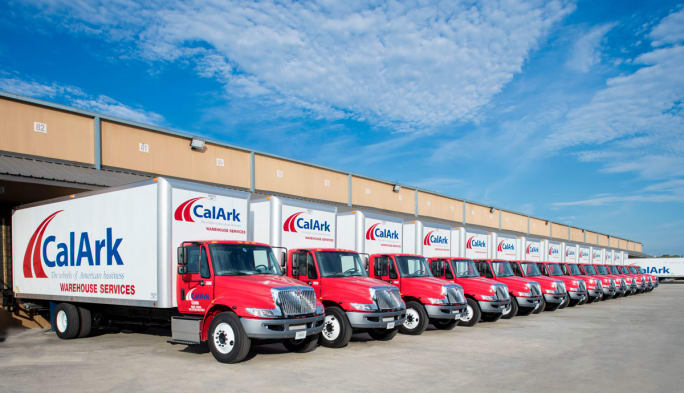
CalArk saw an opportunity to get into warehousing, logistics and last-mile delivery when it bought a new headquarters facility that already had warehouse space.
Photo: CalArk International
Roadnet Anywhere to the Rescue
In the end, CalArk decided to go with Omnitracs and are in the process of adopting Omnitracs Roadnet Anywhere, which help improve the driver experience through seamless route optimization and greater transparency across the entire fleet. With Omnitracs routing solutions, CalArk drivers can make real-time changes to a route’s distance, time, and cost. These capabilities will also help CalArk reduce overall costs and improve their customer service with more transparency around delivery times.
CalArk has been using Omnitracs over-the-road solutions since 2002, and that existing relationship was one factor in the decision. “The fact that we have a strong relationship with Omnitracs and were well-versed in their capabilities, and the fact that we could move toward some of the newer things Omnitracs had coming and keep that under the same umbrella, was very attractive to us,” Braslavsky says.
The Importance of Visibility in Last Mile
In addition to routing, he explained, real-time visibility is a key feature CalArk was looking for in a solution. “Roadnet Anywhere will give us visibility and insight into how our drivers and trucks are performing. And we’ll have the capability to automatically alert customers in real time as things are happening. Instead of having to be in a reactive mode of dispatchers monitoring things and having to pick up a phone and call a customer, we’ll be able to automate a lot of those processes.”
CalArk already has a website that customers can log into and look at any given load. “But the reality is, customers don’t want to have to go somewhere and look up information,” Braslavsky says. “They want the information fed to them, and Roadnet fits right into that model of being able to do that.”
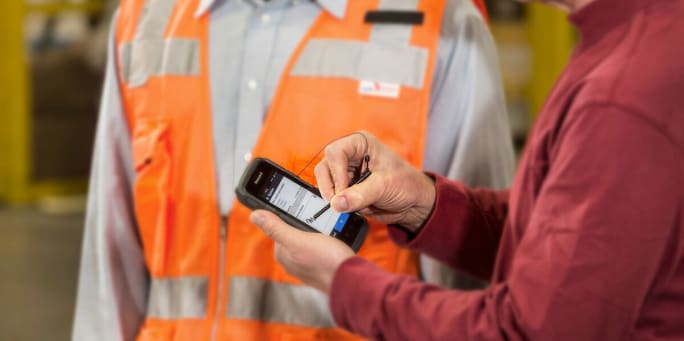
The Honeywell Dolphin CT50 handheld device works with the Omnitracs AMG-C (Active Mobile Gateway with Communications).
Photo: Honeywell
In addition to the training and implementation that come with introducing users to new systems, CalArk also will be moving its last-mile trucks from Omnitrac’s MCP in-cab platform to the AMG-C (Active Mobile Gateway with Communications), unveiled last year.
BYOD Strategy
The AMG-C is an in-cab device that uses the phone or tablet's connection to transmit vehicle and driver data. It allows bring-your-own-device pairing that lets drivers use Android phones or tablets to access the Omnitracs One fleet management platform and its applications. It also supports various connections such as Wi-Fi, 4G LTE, or secure Bluetooth. It can connect via a mobile hotspot to extend a driver's handheld devices. It installs in about 15 minutes and supports over-the-air updates.
CalArk's last-mile delivery drivers will be issued Honeywell Dolphin CT50 handheld computers, which will let them handle out-of-cab activities that final-mile delivery drivers need to be able to do, such as signature capture, barcode scanning, taking pictures; “the whole complement of things drivers need to do in conjunction with arriving and unloading,” Braslavsky says.
CalArk hopes to have its first drivers up and running on the system by the end of March, with the trucks based in its Little Rock, Arkansas, corporate office and warehousing facilities to act as a beta test group. That way, if anything comes up during the initial test period, “we have those trucks and drivers back here every night and can work through any issues we may have. Once we’ve had those trucks operating and our warehouse services division is happy with it, we’ll start duplicating that at the other depots.”
Subscribe to Our Newsletter
More Fleet Management
Why This Trucking Recovery Is Different
Freight demand remains sluggish, but rising costs and tougher enforcement have taken enough capacity out of the market to change the outlook for motor carriers.
Read More →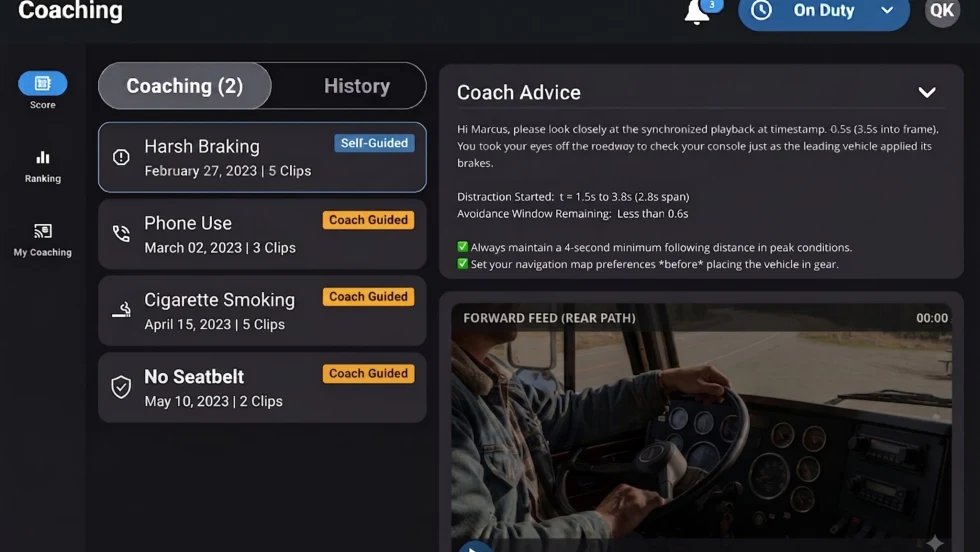
Platform Science Adds Dispatch and Safety Tools
Four additions to PS Fleet help fleets monitor loads, manage driver coaching, share truck locations and adjust video system settings.
Read More →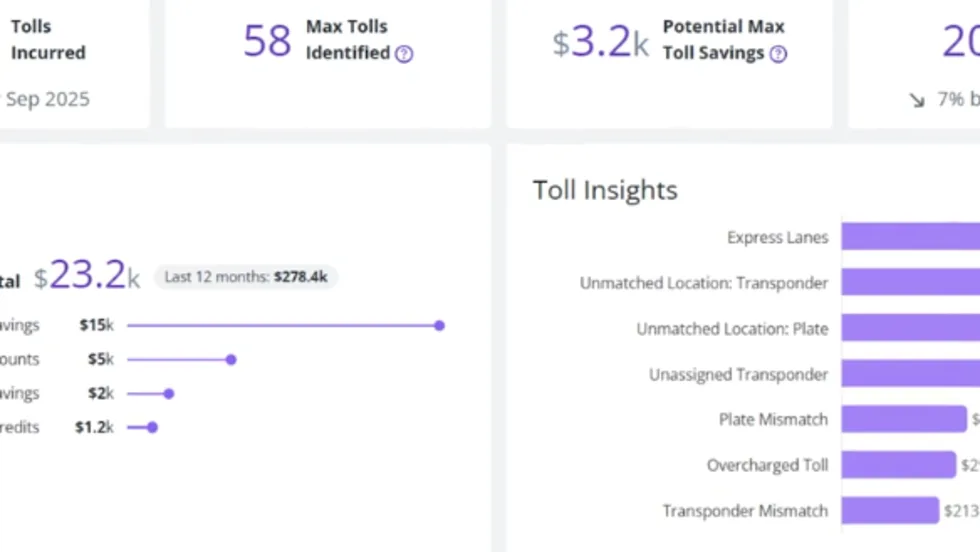
PrePass Intelligence Mines Fleet Bypass, Toll and Safety Data
PrePass Intelligence helps fleets measure bypass savings, flag potential toll overcharges, and spot suspicious transactions by combining data from separate systems.
Read More →
Motive Adds AI Agents for Fleet Operations
New tools automate follow-up on fleet data, from maintenance work orders to driver alerts, with two-way voice conversations planned for later this year.
Read More →
Can You Beat Our Trucking Trivia Challenge?
Test your truck knowledge with 19 trivia questions from Heavy Duty Trucking Exchange. Can you keep up with the fleet pros?
Read More →
BeyondTrucks Adds Rules Checks to Dispatch
New Compatibility Engine checks driver qualifications, equipment requirements and fleet policies before loads are dispatched.
Read More →
Diesel Prices Hijack Trucking’s Worry List
ATRI’s annual survey finds cautious optimism about freight, but diesel costs, litigation, and insurance continue to squeeze fleets. Drivers have different priorities on several issues.
Read More →
Nomination Deadline Extended for HDT Emerging Leaders
Just a few more days to nominate accomplished trucking fleet professionals under 40 who are making an impact and helping lead the industry forward for the HDT Emerging Leaders award. Deadline extended to October 20!
Read More →
What Will ATA’s New Leader Bring to Trucking's Table?
Incoming President and CEO Mark Colson’s record in Alabama offers clues about his priorities and approach following Chris Spear’s abrupt departure as the head of the American Trucking Associations.
Read More →
Volvo, Waabi Start Commercial Autonomous Operations in Texas
Volvo VNL Autonomous trucks, powered by the Waabi Driver, are hauling freight directly to third-party facilities for a customer in Texas.
Read More →