




HDT Truck Fleet Innovator Trent Dye has the Personal Touch
“Drivers don't leave companies, they leave people,” says Trent Dye. It's that philosophy, put into action in various ways, that has helped him lead Paramount Freight Systems to be the owner-operator winner two years in a row in the Truckload Carriers Association's “Best Fleet to Drive For” competition. And at press time, he was hoping for a three-peat. It's also helped drive the success of a company that was founded as the nation was going into the Great Recession in 2008.

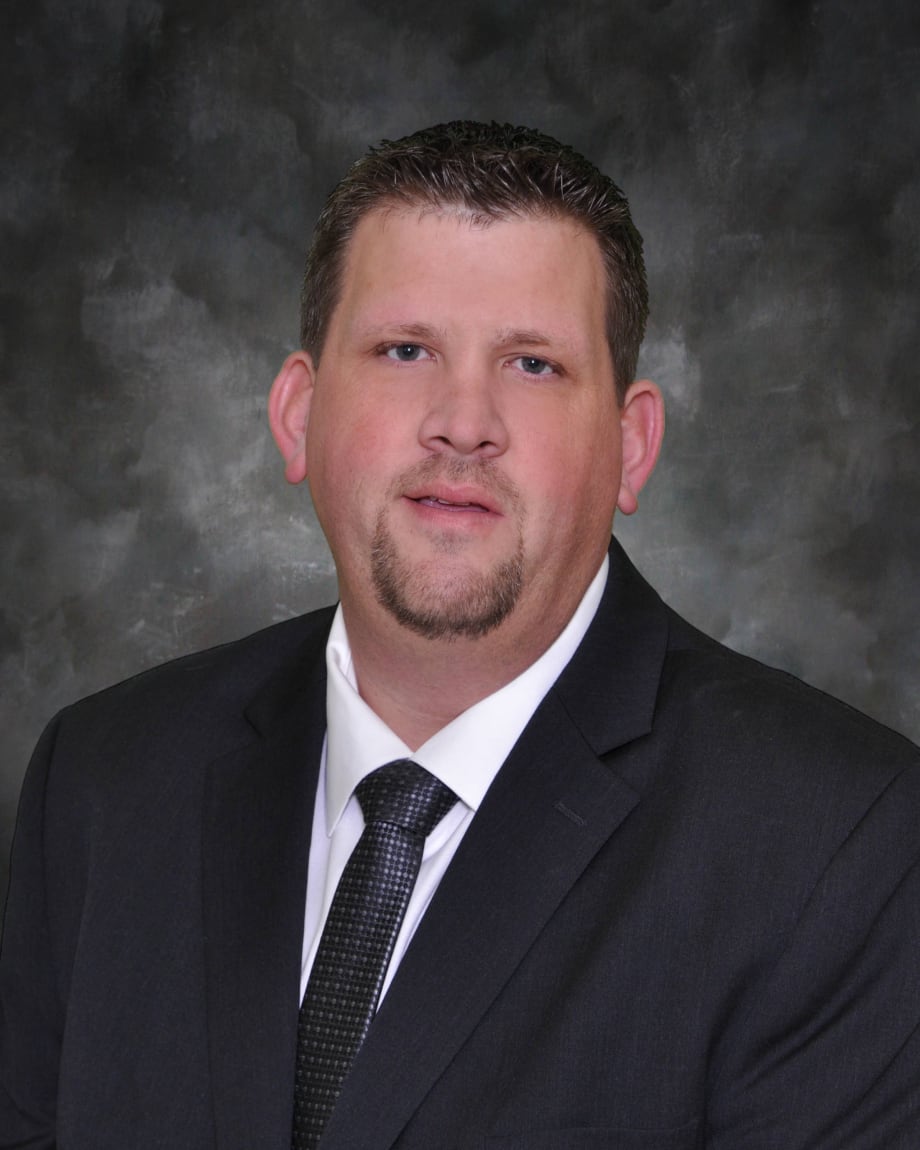
Trent Dye, Paramount Freight Systems, Jeffersonville, Ohio.
Trent Dye, Paramount Freight Systems, Jeffersonville, Ohio.
“Drivers don't leave companies, they leave people,” says Trent Dye. It's that philosophy, put into action in various ways, that has helped him lead Paramount Freight Systems to be the owner-operator winner two years in a row in the Truckload Carriers Association's “Best Fleet to Drive For” competition. And at press time, he was hoping for a three-peat. It's also helped drive the success of a company that was founded as the nation was going into the Great Recession in 2008.
Paramount Freight Systems, headquartered in Jeffersonville, Ohio, was founded as the owner-operator arm of R+L Carriers. Dye, who is director, was there from day one. He got his start in trucking as a dispatcher following a law enforcement career and worked his way up through several companies, including being a terminal manager for Schneider National before he came in at the ground-floor to work for Paramount Freight Systems.
“We started with one truck, who's still leased on here today, and we've grown to 186 trucks. The sky's the limit; we've got no cap on our growth. We see this year is going to be a year of monumental growth for us.”
The economy may still be sluggish, but that's not holding PFS back, Dye says. “For us, we've got more freight than we can haul, if we just had more drivers.
“I think a lot of people are apprehensive. The economy's still in question, government regulation is always an issue, what changes the current administration is going to make, and are those changes going to be more costs companies are going to have to deal with.
“Our philosophy to that is it's going to be what it's going to be, and we'll roll with the punches. We may have to make some adjustments to things along the way, but we're going to continue to grow.”
Attracting drivers
Of course, he has to get more owner-operator drivers to do that, but Dye's upbeat.
“We feel we've got a good program for owner-operators, and I think word of mouth is a good thing with our current owner-operators and getting the word out.”
Paramount is also a big believer in using social media to attract and communicate with drivers. When it launched its Facebook page in November 2010, it brought on 25 owner-operators and the number continues to grow.
To help grow its owner-operator numbers, Paramount Freight Systems just launched its first leasing program to help prospective owner-operators get into a truck.
Dye says the company has been working on the program for three years to set up something that does not unfairly tie the drivers to PFS. The company is using a third-party financing partner, and if an owner-operator decides the grass is greener somewhere else, he or she can move to a different company without financial repercussions as long as the payments are kept up to the finance company.
“So I think we've got a sound lease purchase program that's going to help somebody that wants to be a leased owner-operator,” Dye says. “We think it's going to be another means for growth, especially if it's successful.”
Treating owner-operators right
“Retention's never been a big issue with us,” Dye says, explaining the company usually has less than 30% turnover. “It's usually more equipment-related rather than drivers being upset or not getting the miles they need.”
Retention at Paramount starts during the onboarding process. Before they arrive for orientation, owner-operators watch videos online about the company, hazardous materials hauling, security, etc., and get handbooks that refer to the videos.
The actual in-person onboarding is more focused on the personal touch.
“They meet everybody within the organization and spend time understanding everyone's role before they ever leave with the first load,” Dye says, putting a face to “Safety” or “HR.”
Fleet managers have lunch with their assigned owner-operators to get to know them on a personal level. And the last hour of onboarding is strictly a Q&A session.
“The vast majority of drivers left their previous company because of some miscommunication with operations,” Dye says. “We found that the biggest key to retention of our drivers starts with a quality, educated operations staff.” Monthly paid training covers areas such as conflict resolution and interpersonal relationships.
Paramount also relies on its experienced contractors to help their newer colleagues feel welcome.
“We've created a buddy program, which we're pretty proud of, where our new drivers are assigned to a seasoned, veteran owner-operator.” For the first 60 days, a time when drivers are most likely to leave, the mentor calls his assigned buddy, e-mails him, gives him tips and answers questions.
“It gives the new driver another voice other than operations and gives both the new driver and the mentor a sense of belonging,” Dye says.
Communication counts
Other factors in the company's success in attracting and keeping quality owner-operators, Dye says, include partnering with a third-party company to provide business and financial training. Also owner-operators receive discounts on parts and tires, and the vast majority of drivers are home every weekend, thanks to a lot of dedicated operations and making sure customers and lanes are a good fit for the company's operations.
“We try to educate our customers, too,” he says. “You'd be surprised how many customers don't understand that a driver's got to get all his driving in 14 hours, so sitting at their dock for six hours is a huge no-no.”
In addition, an owner-operator committee gives the company feedback on things that need to be improved, whether it's changing the way dedicated lanes are awarded or putting in a separate women's shower. “It all comes down to listening,” Dye says.
“It gets harder every day for the owner-operator, so we're trying to do the best we can to make it a stable environment,” Dye says. “We love taking input from them and changing what we do to make their jobs better.”
More Fleet Management

Geotab Links Fleet Card to Vehicle Data
The new card combines fuel discounts with telematics-based purchase controls. Geotab’s analysis also points to potential savings from choosing lower-priced fuel stops.
Read More →
How MFA Helps Protect Trucking Fleets
Multi-factor authentication adds protection when passwords are stolen. Here’s how it works and where fleets should start.
Read More →
How Better Freight Data Helps Trucking Teams Get Ahead of Disruption
Trucking and logistics teams have plenty of data. The problem is getting the right information in front of the right people soon enough to act. Better-connected data can help teams spot trouble earlier and make smarter decisions before small problems become big ones.
Read More →

Trimble: Taking Artificial Intelligence in Trucking Beyond Faster Tasks
At Insight 2026, Trimble executives argued that fleets may need to redesign workflows to get more from AI as it introduced new products and enhancements. AI’s value will depend on how fleets combine automation with their people's knowledge.
Read More →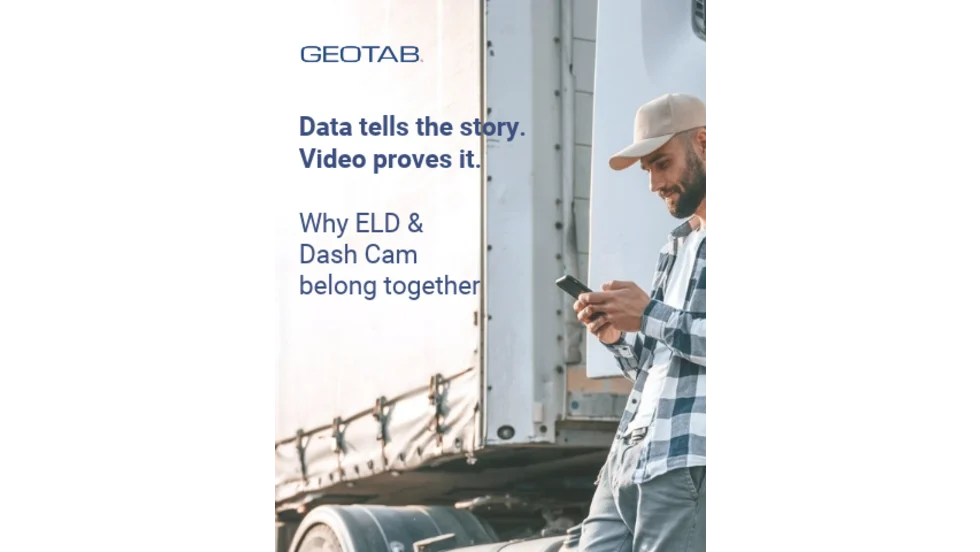
Build a bulletproof fleet: Uniting ELDs and dash cams for total compliance
An ELD can prove compliance, but it cannot always prove what happened on the road. Discover how uniting accurate ELD data with AI-powered dash cam video can help your fleet strengthen compliance, defend against liability, protect drivers and reduce operational costs.
Read More →
Nominations Open for HDT Emerging Leaders
Heavy Duty Trucking is looking for accomplished trucking fleet professionals under 40 who are making an impact and helping lead the industry forward.
Read More →
Why Private Fleets Are Taking More Freight
Private fleets are putting their own trucks on demanding customers and high-cost lanes as companies seek greater control over service, costs, and capacity.
Read More →
Color Match Smarter: Tools That Restore & Perform
For fleet managers and collision repair professionals keeping heavy-duty trucks on the road, getting the color right the first time isn't just about appearance — it's about efficiency, turnaround time, and bottom-line results. Discover how today's digital color tools are transforming the repair process from guesswork to precision.
Read More →
FMCSA Pauses Biennial-Update Enforcement Amid Motus Transition
Carriers whose updates were due on or after June 1 have more time, while FMCSA works to stabilize its new registration system and warns of phishing sites impersonating its new carrier registration system, Motus.
Read More →
2026 Blueprint for Countering Smarter Supply Chain Theft
Cargo theft is no longer just the cost of doing business. It's a multi-billion-dollar criminal enterprise exploiting vulnerabilities across your fleet, drivers, and supply chain.
Read More →