




Greenspeed to Chase Speed Record for Petroleum Fueled Trucks Using Vegetable Oil
This August, Boise State University's student club Greenspeed will use vegetable oil in hope of breaking the existing 215-mph world land speed record for all vehicles in the diesel truck classification, including those that burn traditional fuel
This August, Boise State University's student club Greenspeed will use vegetable oil in hope of breaking the existing 215-mph world land speed record for all vehicles in the diesel truck classification, including those that burn traditional fuel.
Greenspeed from Greenspeed on Vimeo.
Their first attempt will be during Speedweek at the Bonneville Salt Flats in Utah.
Greenspeed's souped-up 1998 Chevrolet S-10 pickup truck shattered the existing 98-mph record for vegetable oil-fueled vehicles in November with a run of 139 mph on a dry lake bed called El Mirage in the Mojave Desert at a Southern California Timing Association race. The next day, the team broke its own record with a run of 155 mph.
The project was designed to demonstrate the potential of vegetable oil as an alternative to traditional petroleum fuel products.
"Greenspeed is leading by example to show that you don't have to sacrifice performance for sustainability," says Mark Rudin, vice president for research and economic development at Boise State. "A truck that goes 200 mph on vegetable oil is hardly a practical machine, but it plays a critical role in dispelling persistent myths that there is something magical or special about petroleum. Sustainable fuels can be good fuels."
More Fuel Smarts

EPA Proposal Could Ease 2027 Truck Costs and Buying Uncertainty
The proposal doesn't change the tougher NOx standard, but it would revise key implementation requirements that manufacturers say have driven up costs and complicated fleet purchasing decisions.
Read More →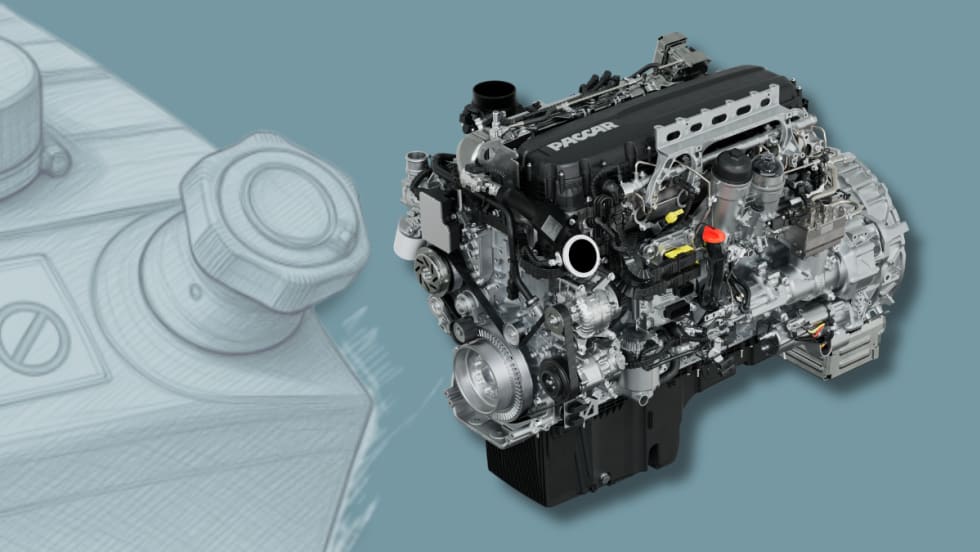
Cummins, Paccar Ease DEF Derates After EPA Guidance
Updated diesel engine software gives truck operators more time to address emissions-system issues while staying compliant with EPA emissions standards.
Read More →
Maintenance in the Messy Middle Part 3: Biodiesel
Biodiesel can reduce emissions, improve fuel-system lubricity and use existing diesel infrastructure. But NACFE’s Messy Middle maintenance report says fleets must actively manage storage, cold-weather operation, filters and oil drain intervals to avoid problems.
Read More →
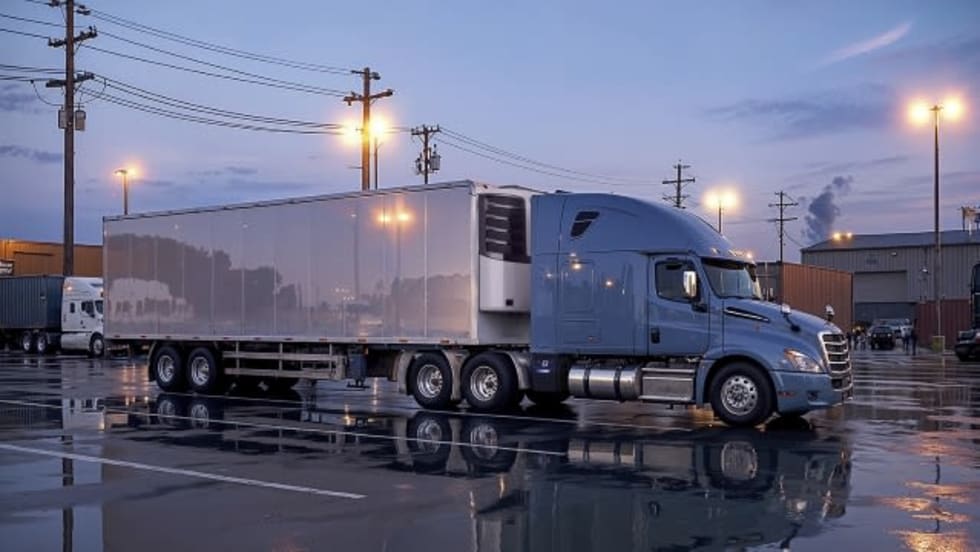
Enhance Fleet Performance with High-Efficiency Auxiliary Power Units
Drive sustainable cost savings while increasing driver comfort during short- and long-haul logistics operations.
Read More →
Maintenance in the ‘Messy Middle’ Part 2: Renewable Diesel Fuel
NACFE's latest Messy Middle Powertrain Service & Maintenance report says renewable diesel gives fleets an opportunity to reduce carbon emissions without changing trucks, fueling infrastructure or maintenance practices. But technicians still need to understand several important operational differences.
Read More →
The Diesel Engine Enters NACFE’s ‘Messy Middle’
NACFE’s new Messy Middle Powertrain Service & Maintenance report says keeping modern diesel engines running now depends as much on software, diagnostics and data as traditional mechanical service.
Read More →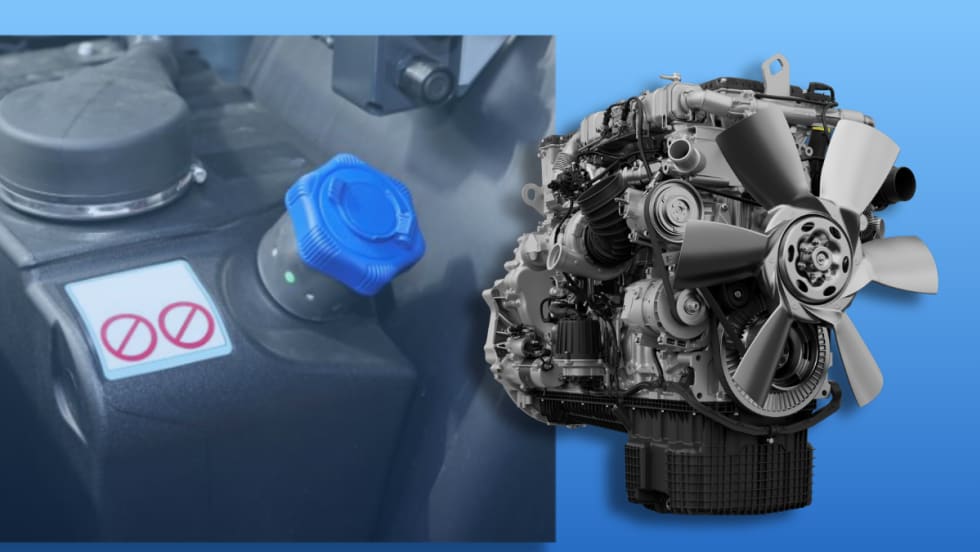
DTNA Software Update Gives Truckers More Time Before DEF Derates Take Effect
The changes reflect EPA guidance aimed at reducing downtime caused by emissions-system faults while maintaining compliance requirements.
Read More →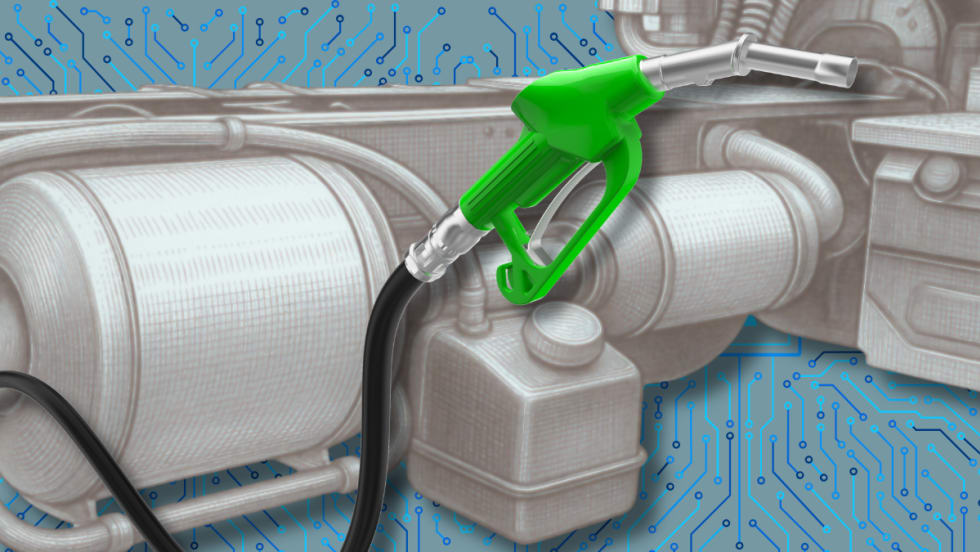
New Agentic Predictive Maintenance Report Demonstrates How Degraded Aftertreatment Systems Waste Fuel
Questar analyzed a large mixed-class fleet and discovered it was wasting as much as $30 in fuel per vehicle, per day, because of mechanically degraded aftertreatment systems.
Read More →
New York City's Microhub Project is Delivering Results
Trucking, last-mile delivery companies, and environmental advocates like what they are seeing so far with New York's microhub program.
Read More →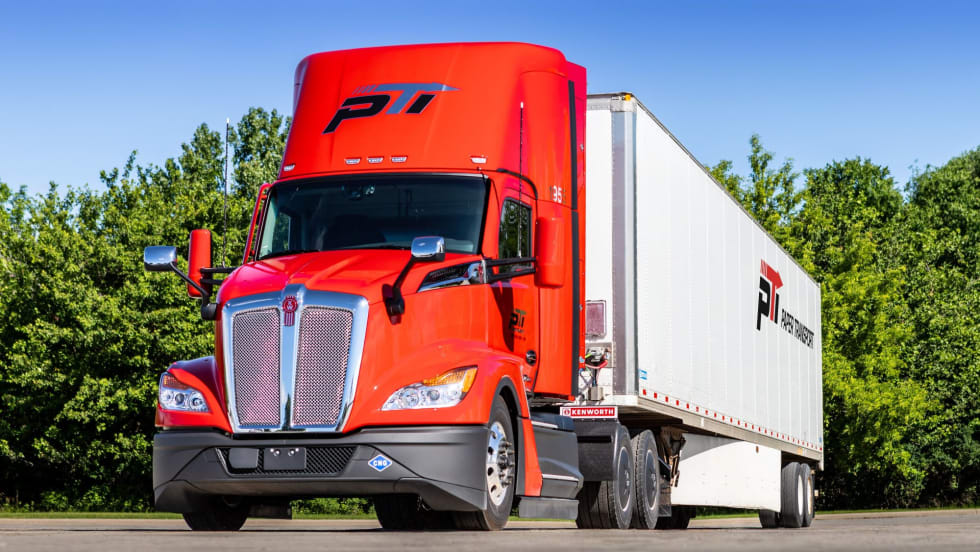
Lessons Learned About Alternative Fuels: Start Small, Stay Flexible
Practical advice on adopting alternative fuels and ZEVs from HDT's 2026 Top Green Fleets, from renewable diesel and natural gas to electric trucks.
Read More →