




FuelSmarts: Hybrids Paying Off for Bay Area Produce Fleet
San Francisco-based Veritable Vegetable is committed to being sustainable, from distributing certified organic fresh fruits and vegetables to using hybrids and fuel-saving strategies in its fleet of trucks. As the nation's oldest distributor of certified organic produce, Veritable Vegetabl
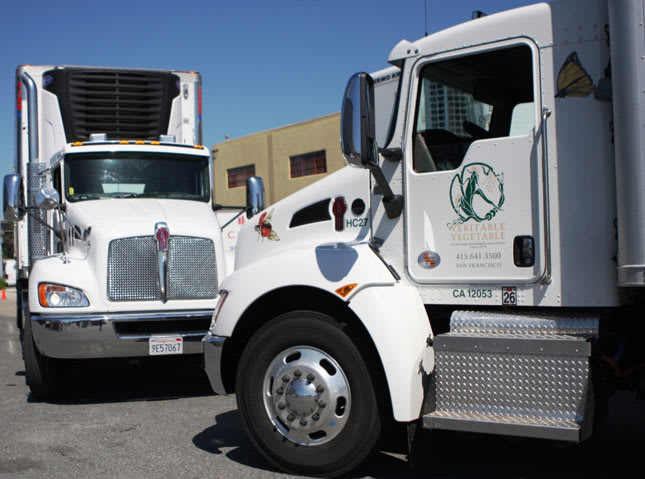
San Francisco-based Veritable Vegetable is committed to being sustainable, from distributing certified organic fresh fruits and vegetables to using hybrids and fuel-saving strategies in its fleet of trucks.
As the nation's oldest distributor of certified organic produce, Veritable Vegetable
provides full service distribution to all of California and to parts of Colorado, New Mexico, Arizona and Nevada.
"Our transportation efforts are only one part of our environmental initiatives here at VV," said Bu Nygrens, one of three owners of the woman-owned company. "We want to maintain as small a carbon footprint as possible in every aspect of our work."
The Veritable Vegetable fleet consists of three modes of distribution. It has long-haul fleet tractors, many of them aerodynamic Kenworth T660s, which distribute and backhaul produce to and from neighboring states. Its in-state tractors go as far south as San Diego and as far north as the Oregon border, delivering produce and backhauling everything from bulk produce to micro-brews.
The third arm of distribution is local deliveries within a 100-mile radius of San Francisco. The company uses a Kenworth T270 hybrid straight truck for the hilly confines of the Bay area, while four Kenworth T370 hybrid tractors make regional deliveries.
The company received grant money for the hybrids through the California Hybrid Vehicle Incentive Program. The remaining premium difference is offset thanks to fuel improvement of 25% with its hybrid tractors and nearly 30% with its Kenworth T270 hybrid.
"We run our straight trucks, on average, 50,000 miles a year and with fuel averaging about $4 per gallon, we're saving about $8,000 a year in fuel with the T270," said Tom Howard, Veritable Vegetable's transportation systems manager. "That means the premium we paid is gone in two years. It will take longer on our Kenworth T370 hybrid tractors, since those average only 25,000 miles per year, but the payback is still very good."
Howard said Veritable Vegetable is also working hard to maximize fuel economy in its Class 8 trucks. "Our Kenworth T660s are averaging close to 7 mpg and we expect our new T660, with an SCR engine, to do better than that," he said. "Plus we're currently installing trailer side skirts on all our 48-foot trailers, which should give us around a 3% improvement in fuel economy. We're also in the process of adding hybrid reefer units for those trailers, which will help the environment while reducing our fuel consumption even more."
As Veritable Vegetable continues to grow, Howard said he and the company will keep an eye out for future developments that can save money while being environmentally conscious. "Natural gas vehicles in the long-haul segment could be the next big thing," he said. "If they build the infrastructure for fueling, we'll have our hand up with interest. And who knows, it might be sooner than we think. I look back to the early days of the food movement, and its roots in the Bay Area, and how it has grown into a national movement. Maybe the same will be said with alternative-fueled trucks."
From the January 2012 issue of HDT.
More Fuel Smarts
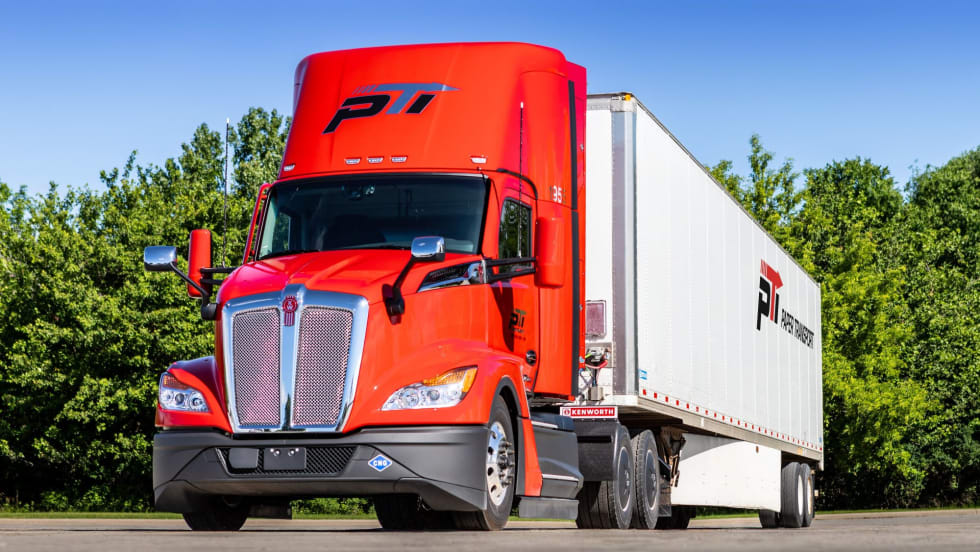
Lessons Learned About Alternative Fuels: Start Small, Stay Flexible
Practical advice on adopting alternative fuels and ZEVs from HDT's 2026 Top Green Fleets, from renewable diesel and natural gas to electric trucks.
Read More →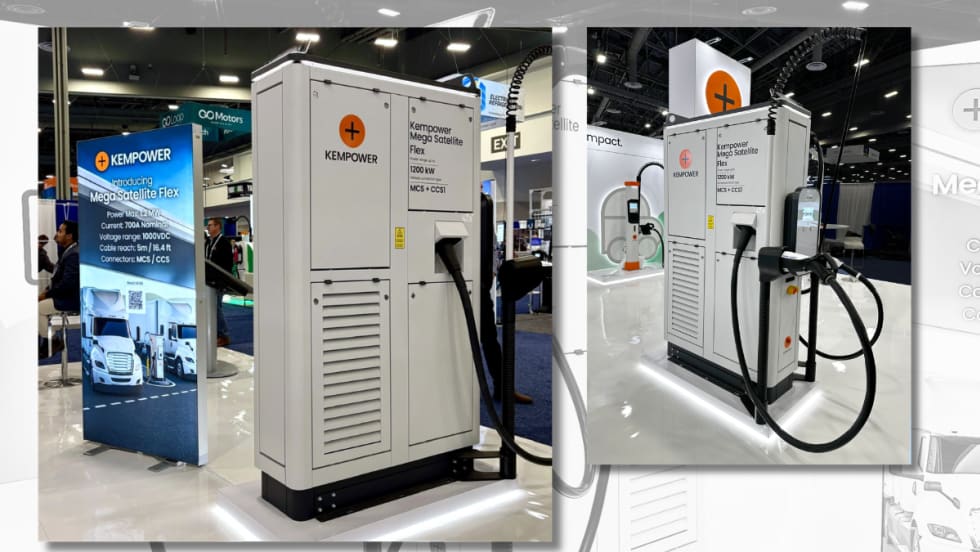
Kempower Adds Flex EV Charger to Help Support Transition to Megawatt Charging
The Kempower Mega Satellite Flex has both a CCS and MCS connector, allowing operators to serve both types of heavy-duty vehicles.
Read More →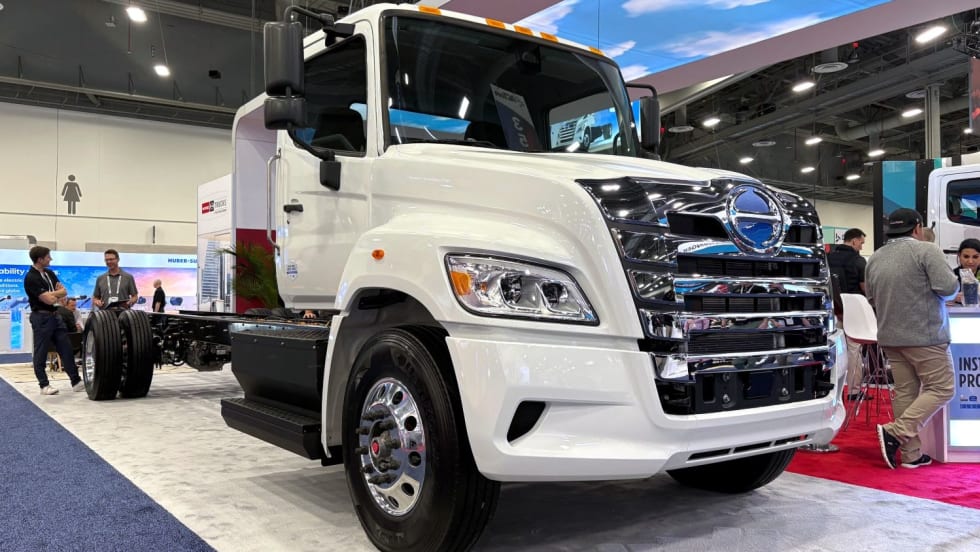
Hino Adds Electric Class 6/7 Truck
Hino says the Le Series is an important step in the company's efforts to reduce environmental impact and support its customers’ sustainability goals.
Read More →
Can Multi-Speed EV Transmissions Solve Heavy Trucking’s Biggest Electric-Vehicle Problems?
A startup called Sigma Powertrain believes purpose-built multi-speed gearboxes can boost efficiency, reduce battery size and improve gradeability for heavy-duty battery-electric trucks.
Read More →
Hendrickson Debuts Electraax E-Axle for Medium-Duty Trucks
Developed with Driventic, Hendrickson's new integrated e-axle is designed to improve efficiency, reduce weight, and extend range in Class 6-7 EV applications.
Read More →
50 Ways Fleets Can Cut Fuel Costs Now — Without Buying New Trucks
Fuel savings don’t come from one big change. They come from dozens of small ones. Here’s how leading fleets are stacking gains across drivers, routing, maintenance, and more.
Read More →
Top Green Fleets 2026: How Fleets Are Reducing Emissions in the Real World
What works in sustainable trucking today? Heavy Duty Trucking's Top Green Fleets are finding practical ways to cut fuel use, reduce emissions, and keep freight moving.
Read More →
California Launching $1 Billion Electric Truck Rebate Program
CARB says the California Clean Fuel Reward program will begin offering point-of-sale rebates of up to $120,000 for electric commercial trucks starting June 26.
Read More →
Mack Unveils EPA 2027-Compliant MP13 Engine With More Power, Better Fuel Economy
Along with unveiling its EPA 2027-compliant MP13 engine, Mack outlined powertrain changes across its Class 6-8 lineup, including new Cummins-based X10 engines.
Read More →
How Volvo’s New D13 Engine Meets EPA 2027 Emissions Without Sacrificing Power or Fuel Efficiency
Volvo says advances in combustion and aftertreatment helped its new EPA 2027 D13 engine avoid the fuel-economy penalties many once expected from tighter NOx emissions limits.
Read More →