




Friendly Competition Helps RRR Drivers Improve MPG
With a bevy of fuel-saving options on its 65 tractors and its 100-plus refrigerated trailers, drivers have a head start at RRR Transportation – but it still takes driver skill and a little friendly competition to hit those double digits.


From the OE fuel economy spec through testing add-on aero devices and making sure trucks and trailers are properly maintained, RRR Transportation tackles fuel economy from all directions. Photos: RRR Transportation
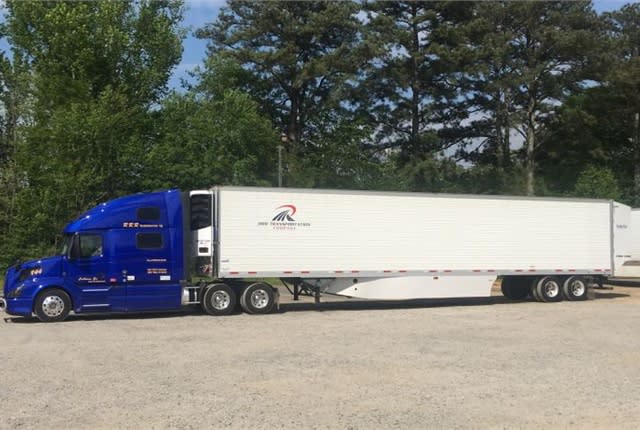
From the OE fuel economy spec through testing add-on aero devices and making sure trucks and trailers are properly maintained, RRR Transportation tackles fuel economy from all directions. Photos: RRR Transportation
When one RRR Transportation driver hit a trip average of more than 10 mpg, she couldn’t resist posting it to Facebook to brag a bit, with a photo showing her trip average at 10.2 and instant fuel economy at 12.2.
She’s not the only driver to occasionally reach 10 mpg at the Calhoun, Ga., coast-to-coast carrier, a 2014 HDT Top 50 Green Fleet. With a bevy of fuel-saving options on its 65 tractors and its 100-plus refrigerated trailers, drivers have a head start – but it still takes driver skill and a little friendly competition to hit those double digits.
“The drivers that we hire, they’re kind of competitive,” explains Rodney Franklin, director of maintenance. “We try to foster some friendly competition between them. We run driver scorecard systems though McLeod and PeopleNet and post it in the driver’s room where all the drivers can see that publicly.”
Franklin has been with the company for about six years. While it already was working on fuel-saving efforts when he joined in 2010, his work with Salem Nationalease before that allowed him to bring the knowledge of what worked at larger companies. “I brought those principles and ideas here. I didn’t try to reinvent the wheel; I just had a good basis of what works and what doesn’t.”
It starts with a good truck spec geared for fuel economy, he says. RRR runs all Volvo XE “Extreme Efficiency” downsped drivetrain packages, “with all the aerodynamics Volvo has to offer,” Franklin says. They use a 13-liter engine, the Volvo D-13, with the Volvo I-Shift automated manual transmission, and have lowered fleet speeds. They invest in late model equipment, meaning they already have some 2017 models on the road and are selling off MY 2013 trucks.
Fifth wheel height has been reduced, and the frame shortened as much as possible. Smaller fuel tanks allow room for an auxiliary power unit on the frame, and the Volvos have shore power outlets built in as well.
Trailers are equipped with Meritor by P.S.I. automatic tire inflation systems, Stemco TrailerTails and side skirts. The trailers qualify for the EPA SmartWay program’s Elite status, and RRR runs stickers on the trailers proudly advertising that fact.
Refrigeration units are the Thermo King Precedent ultra-efficient units with electric stand-by. The trailer drop yard and parking area has been equipped with an electrical grid so loaded trailers can be plugged in and maintain the right temperature without running the diesel engines on the reefers at all.
“We run the lowest rolling resistance tires we can find,” he says, as well as aerodynamic flow-through mudflaps. “There’s no secret sauce or anything. We try to do the right things, where to the recommendations from TMC [the ATA’s Technology & Maintenance Council] and do things that work.”
Telematics are used to make sure drivers are adhering to the most efficient routes, which may be changed on the fly to avoid certain weather systems that slow down the trucks and keep them from operating at peak efficiency.
Most of the company’s runs are from Georgia to the West Coast and back. They haul a lot of non-refrigerated freight out to the West Coast, much of it related to the flooring industry, and bring back produce. Even with winter weather still lingering in some parts of the West this spring, RRR was seeing some fuel economy numbers in the high 7’s and low 8’s.
“Once we get on summer-blend fuel and warmer weather so drivers can utilize more cruise and top gear time, we should be seeing more in the 8- to 9-mpg range. We do on occasion have drivers that will hit 10 mpg — if the conditions cooperate.”
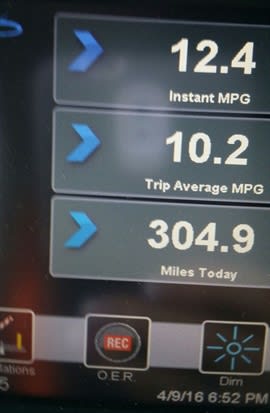
RRR encourages friendly competition between its drivers, using public driver scorecards. One driver recently posted this achievement on Facebook.
Even though it’s a relatively small fleet, RRR follows TMC’s recommended practices for fuel economy testing. Right now some of the things they are testing include FlowBelow aero improvers to reduce turbulence around the drive tandems, as well as auto-deploy and telematics tracking systems that alert the home office if the Trailer Tails are not deployed.
“We do testing within our fleet to the extent that we can,” he says, noting that the way it runs fairly regular routes coast to coast allows it to get pretty reliable tests. Nevertheless, he admits, “a small fleet can’t do as much as larger ones, and we look to the larger fleets to see the results they’ve had.
“When we started, anything you do there’s going to be a difference you can see when you’re doing nothing,” he says. “But the sharper you keep getting that edge, the harder it is to quantify” those economy improvements.
Even though fuel prices aren’t as high as they were when he joined the company, RRR still believes it’s important to continue to make these investments. “We believed, and still believe, that’s the difference between whether a fleet is going to survive or not sometimes, especially with a smaller fleet.
In addition, Franklin says, “we’re all conscious, more so than we used to be, of the need to be green. A lot of [shippers] are even looking at carbon taxes that might be down the road, so they’re taking steps to reduce their carbon footprint.” By advertising themselves as a carrier that itself is reducing its carbon footprint, he says, that’s a selling point for the fleet.
“We definitely want to see continued improvement,” Franklin says. “If we were to achieve 10 mpg, we’d try for 12. There’s no end in sight. It’s always onward and upward.”
Related:
More Fuel Smarts
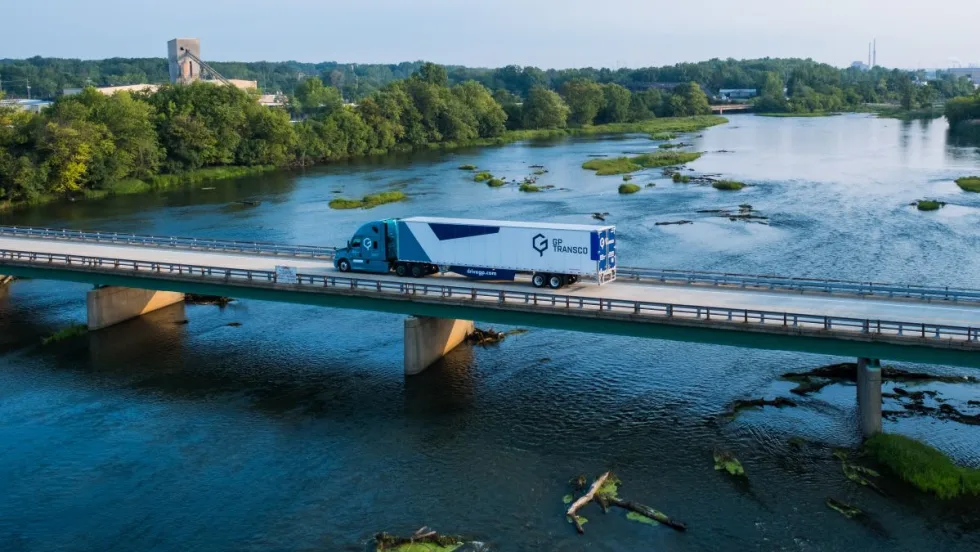
How GP Transco Builds Fuel Savings a Fraction at a Time
Aerodynamic specs, solar panels, and driver incentives help GP Transco turn small efficiency gains into savings it can reinvest in its people.
Read More →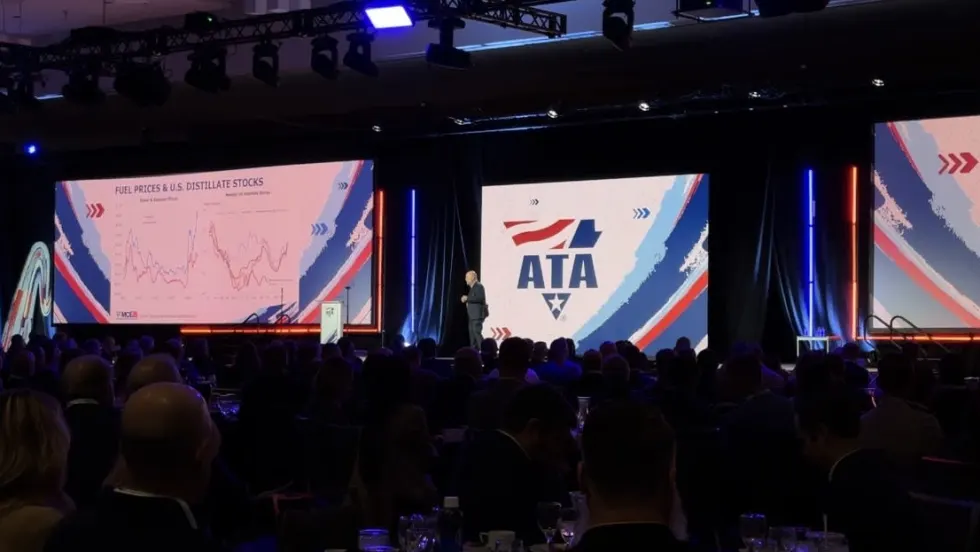
Trucking’s Diesel Squeeze Isn’t Letting Up
With diesel topping $6 a gallon nationally, ATA's Bob Costello explains why fleets should prepare for continued pressure at the pump.
Read More →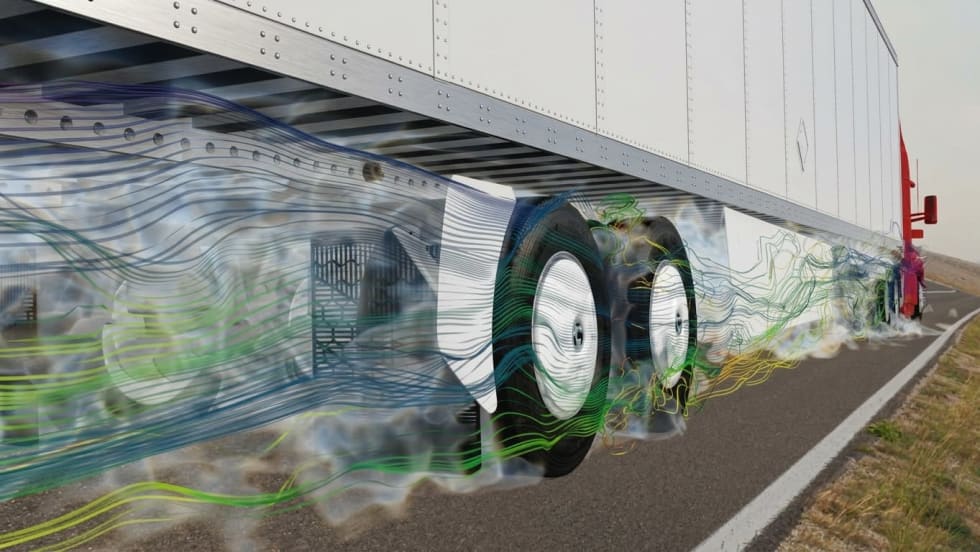
FlowBelow Redesigns Trailer AeroSlider to Cut Fuel Use
The lighter trailer aerodynamic system installs in less than 45 minutes, according to the company, with potential payback in under a year depending on fuel prices and trailer mileage.
Read More →
Why Diesel Price Relief Efforts May Fall Short
Diesel prices have eased from September’s record high, but doubts about additional Russian supply and limits on dyed-diesel tax relief mean trucking fleets still face expensive fuel. And prices could go higher.
Read More →
Why Small Fuel Savings Matter in Trucking
Can better fuel economy help pay for driver raises? In this podcast, GP Transco explains how small efficiency gains create room to reinvest in its people.
Read More →
How GP Transco Cuts Trucking Fuel Costs, a Tenth of a Gallon at a Time
What’s another tenth of a mile per gallon worth? GP Transco shares how equipment upgrades and driver coaching turn small gains into meaningful fuel savings.
Read More →
Electric Yard Tractors Move Beyond Pilots
Operating-cost savings have overtaken sustainability goals as the leading reason surveyed fleets are adopting battery-electric terminal tractors, according to new NACFE research.
Read More →
Geotab Links Fleet Card to Vehicle Data
The new card combines fuel discounts with telematics-based purchase controls. Geotab’s analysis also points to potential savings from choosing lower-priced fuel stops.
Read More →
Fleet Economics Shape Electric Truck Outlook
ACT Research expects costs, charging infrastructure, and technology improvements to drive zero-emission commercial vehicle adoption as federal regulations and incentives retreat.
Read More →
Wex Adds Cardless Fuel Payments for Over-the-Road Customers
A new fuel card feature for Wex customers offers convenience and security.
Read More →