




Four Key Takeaways from HNI's Driver Recruiting Summit
HNI's Driver Recruiting Summit covered some of the pitfalls and best practices in the world of recruiting -- and retaining -- truck drivers.

Reaching out to women and other underrepresented groups is one way to improve recruiting. Photo courtesy Con-way.
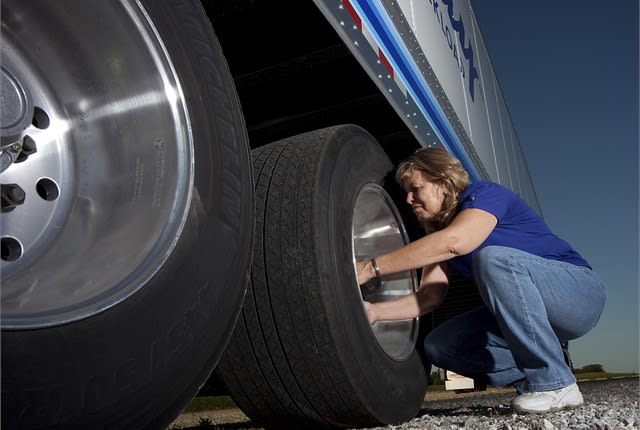
Reaching out to women and other underrepresented groups is one way to improve recruiting. Photo courtesy Con-way.
Last week, insurance and consulting company HNI held a Driver Recruiting Summit at the Harley-Davidson Museum in downtown Milwaukee, with roughly 180 people from across the country.
Jim Daly, president of HNI Minnesota, offered four key takeways from the event:
1. Understand the legal framework you’re operating in — whether employees or independent contractors
Employment law is complex and can be burdensome. Making sure you have processes in place for hiring, firing, and discipline is critical for compliance with your state, Department of Labor, FMCSA and other regulatory bodies.
If you contract owner-operators, your lease needs to be current and thorough to address all the disclosures of the Truth in Leasing regulations. [Greg Feary of the Scopelitis, Garvin, Light, Hanson & Feary transportation law firm advised that anything less than 10 pages can’t possibly address all the issues — it usually takes 20 pages!]
To keep employees and independent contractors in two clearly defined groups, be sure to use separate forms, apps, manuals, etc. Look closely if you have a lease purchase plan. You need new files when a driver becomes an independent contractor. You should also know and use separate vocabulary for employees vs. contractors.
2. Understanding generational differences can help you appeal to a wider cross section of recruits
Two of the sessions addressed the generational gap and how that is taking shape in trucking. Work habits vary greatly across generations, as do the means and methods of soliciting interest in your company. Target the right media options (such as Craigslist, Facebook, driver forums, and more) to reach the younger generations. You have a much better shot at hitting a wider audience. If you say, "Those kids don't drive trucks," be assured we need them to!
Generational differences may impact the success of your application process as well. Online job searchers expect applications to be quick, easy, and mobile friendly — or they might just move on to the next company that makes it easier for them to apply. Print-off, fill-in, and fax-back job applications have a shrinking appeal in an online world.
3. Fish in a larger pond by reaching out to underrepresented groups
Ethnic minorities and women remain a small percentage of the driver population. Can we reduce the driver shortage by appealing to these groups?
HNI Marketing Director Andrea Tarrell compared this to the challenge Harley-Davidson is facing attracting women drivers. Like the trucking industry, Harley traditionally has appealed to white males with a “cowboy” side. But as attitudes and demographics have changed, Harley's market for that type of customer has shrunk. Harley is now advertising to women and has even shared “riders’ guides for women” to help remove any barriers to becoming a rider.
Returning veterans also present an opportunity — both to find well-trained, professional drivers and to play a valuable role in helping re-integrate those among us who have served. Hero2Hired is an organization dedicated to this cause. Don't forget your state job placement agencies and your own co-workers with military experience.
4. Recruitment is step one; then it’s on to retention
Tarrell and Chad Tisonik, HNI Wisconsin president, said when it comes to finding the right talent, not all recruits are created equal. They stressed the importance of hiring drivers whose personality and values match the seats you're trying to fill. HNI profiles job candidates with talent management software to identify their deep-seated values. The point is that each job has a personality type best suited for it, and motor carriers should make the right match for the greatest shot at a successful, long-term employee.
Once you get the right person in the right seat, Dan Baker reminded us that asking, "How ya doing?" and then really listening still is the best way to keep your best people around.
Keeping drivers may be more important than bringing in new ones. Audience members offered costs from $6,000-$10,000 to get a new driver ingrained in your culture. Do you know the process at your company? Is the message consistent from recruiting to tenured driver status?
We all know if you can keep them the first year, they stay longer and have fewer problems. Newsletters, blogs, and social media can keep drivers informed as well as build your culture, brand, and team morale. Many companies have sections of their websites dedicated to drivers. They use this place to archive correspondence, recognize special events, and share news of achievements and awards. How about relying on some of your good-old-boy drivers to mentor the new ones?
Every kind and quality of truck line I have ever seen has loyalty from their drivers. They wear your jacket proudly, maybe even get buried in your uniform. Figure out what inspires that level of loyalty and nurture that.
From the HNI "Steal These Ideas" blog. Used with permission.
More Drivers

Truck Drivers Need More Than Another Alert
Fleets have more visibility into truck health, safety events, and driver activity than ever. The next challenge is turning all that information into useful guidance for the person who has to decide what to do next.
Read More →
FMCSA Removes 110 Truck Driver Training Schools from Certified ELDT List
Federal regulators also are targeting more than 160 additional training providers and launching a nationwide audit of third-party CDL skills testers as part of a broader crackdown on trucking fraud.
Read More →
Hours of Service Pilot Programs: FMCSA Readies for 2027 Rollout
Two pilot programs could eventually reshape hours-of-service rules, giving truck drivers options to pause their 14-hour clock or use longer split sleeper rest periods.
Read More →
Medical Cards, English Proficiency Reshape Roadcheck Violations
Medical-card violations jumped to the top of the driver out-of-service list during CVSA’s 2026 International Roadcheck, while English-language proficiency violations appeared among the leading violations for the first time.
Read More →
Driver Trust Can Make or Break the Success of Fleet Safety Technology
New Teletrac Navman research suggests that onboarding, transparency about driver data, and positive feedback can play a significant role in how commercial drivers respond to safety and coaching technology.
Read More →
EEOC Sues KLLM Over Alleged Sex Discrimination in Driver Training
KLLM is facing a federal sex-discrimination lawsuit over policies the EEOC alleges put female truck driver trainees at a disadvantage.
Read More →
FMCSA Moves to Codify English Language Requirements for Commercial Drivers
By changing regulations on English-language proficiency requirements for commercial drivers, rather than relying on a guidance memo, the FMCSA said future administrations won't be able to walk back the Trump administration's stricter enforcement with just a memo.
Read More →
Drivers Put Western Star Trucks to the Test at Star Nation Experience
Watch to get an inside look at the Western Star trucks, technology, and community behind the Star Nation Experience 2026!
Read More →
Trump Administration Looks to Put More Veterans Behind the Wheel
The Freedom Haulers program pulls together existing and expanded programs at several federal agencies to recruit veterans to drive commercial heavy-duty trucks and cut the red tape for them to get a CDL, training, and employment.
Read More →
Putting Mack’s Command Steer to the Test
A test drive of Mack’s Command Steer active steering system evaluates how it can make truck driving easier and less tiring.
Read More →