




Formula For Regulation
A bad truck accident, plus public outcry for increased regulation equals more expensive trucks.


It's a pretty simple formula, commonly used by those pushing for increased commercial truck regulations.
Take a horrific truck accident as an example, issue a press release describing it, then tell the public that with a little safety equipment added to trucks, the accident could have been avoided.
The latest to apply this technique was the National Transportation Safety Board. In mid-September the Board issued a press release citing a 2005 truck-bus collision that killed five and injured 35, and suggested that mandating more safety technology might prevent such accidents in the future.
Here's the accident they used to make their point:
Just before 2:00 a.m. on Oct. 16, 2005, a tractor-trailer traveling westbound on I-94 near Osseo, Wis., departed the right lane and traveled along the earthen roadside before re-entering the highway where it overturned, coming to rest on its right side and blocking both westbound lanes. About a minute later, a chartered 55-passenger motor coach, carrying members of a high school band, crashed into the underside of the overturned truck.
The NTSB determined that the driver of the truck was fatigued and fell asleep at the wheel because he did not use his off-duty time for sufficient rest. With the low-light conditions of a dark night, the motor coach driver was unable to see the truck blocking the travel lanes in time to avoid the collision.
Had the truck been equipped with technologies to detect fatigue, the Board suggests, the systems might have prevented or mitigated the severity of the accident. And had the motor coach been equipped with a collision warning system with active braking, the accident may have been significantly less severe..
Last year the NTSB added "Enhanced Vehicle Safety Technology to Prevent Collisions" to its List of Most Wanted Transportation Safety Improvements. Among technologies that the board believes will help reduce accidents are adaptive cruise control, collision warning systems, active braking and electronic stability control.
The board recommended that the Federal Motor Carrier Safety Administration develop and implement a plan to deploy technologies in commercial vehicles to reduce fatigue-related accidents. It also recommends FMCSA develop and use a methodology to continually assess the effectiveness of fatigue management plans implemented by motor carriers.
The board also said the National Highway Traffic Safety Administration should determine whether equipping commercial vehicles with collision warning systems with active braking and electronic stability control systems will reduce accidents. If these technologies are found to be effective in reducing accidents, NTSB says, NHTSA should require their use on commercial vehicles.
NTSB also reiterated a previous recommendation to NHTSA calling for a rulemaking on adaptive cruise control and collision warning system performance standards for new commercial vehicles, and requiring that all new commercial vehicles be equipped with a collision warning system.
Since its inception in 1967, the NTSB has issued tens of thousands of proposals it feels will improve safety. One thing they apparently don't consider in their recommendations: the cost of these technologies.
Meanwhile, the Motor Equipment Manufacturers Association's Washington staff continues to visit key members of the House seeking support of H.R. 3820, the Commercial Motor Vehicle Advanced Safety Technology Tax Act of 2007, sponsored by Rep. Mike Thompson (D-Calif.). If signed into law, the bill would allow for a general business tax credit for 50 percent of the cost of placing in service any qualified commercial vehicle advanced safety system.
This is a step in the right direction.
Truck sales in 2008 are already dramatically depressed because fleets are trying to avoid buying rigs with costly new emissions controls. And with fuel at $5 a gallon, thousands of truckers have already been forced out of business.
There are a number of new technologies that will help in trucking's quest to improve safety. But if they are mandated in this shaky economic environment without financial incentives for adopting their use, more truckers will be forced to hold on to older equipment just to stay in business.

E-mail Deb Whistler at dwhistler@truckinginfo.com, or write P.O. Box W, Newport Beach, CA 92658.
More Fleet Management
Freight Broker Bonds Just Got Harder to Get. Here's What That Means for Your Fleet.
When it gets harder for a freight broker to prove they are financially sound, the ones who cannot clear that bar get pushed out of the market. And those are exactly the brokers who used to leave motor carriers holding the bag.
Read More →
Long-Awaited Canadian Border Bridge to Open in Detroit
For trucking, the bridge opening should offer immediate improvements in efficiency and reliability, with new customs facilities, expanded inspection capacity, and direct freeway-to-freeway connections.
Read More →
Aurora Rolls Out Next Generation of Driverless Trucks for Commercial Freight
Aurora's latest autonomous trucks it's rolling out with International feature lower-cost hardware designed for a million miles as the company expands commercial driverless freight operations across the U.S. Sun Belt.
Read More →
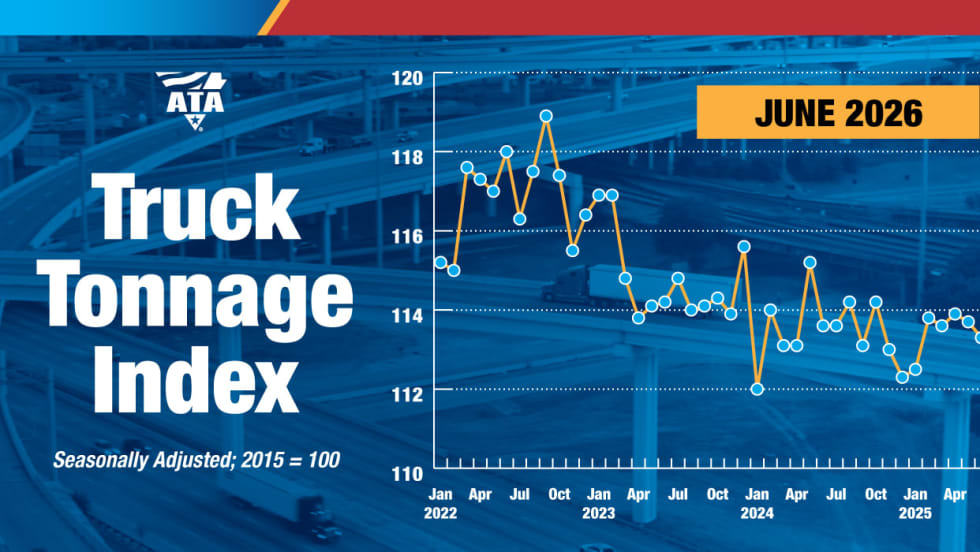
Freight Tonnage Down, Rates up, as Lower Capacity Powers Trucking Recovery
The recovery from the freight recession continues to be driven by reduction in capacity rather than by increased demand.
Read More →
Think Your Trucking Fleet Isn't Using Much AI? Think Again
Shadow AI — the use of unauthorized artificial intelligence tools at work — is becoming increasingly common, putting sensitive company data at risk. Learn how trucking fleets can protect sensitive data while embracing AI.
Read More →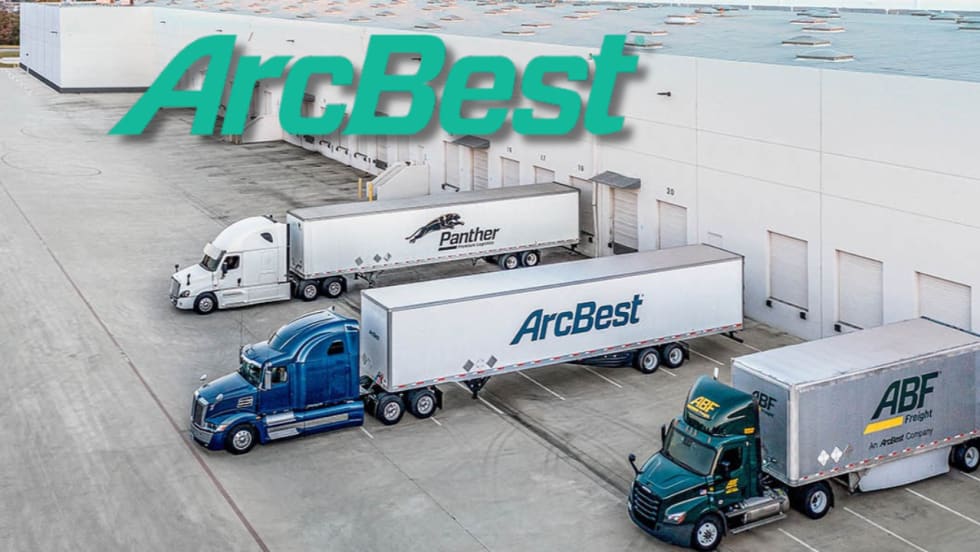
ArcBest Consolidates Brands, Cuts Workforce
The company will bring three business units under the ArcBest brand, eliminate about 2% of positions, and expects the changes to generate $40 million in annual savings.
Read More →
Trucking Fleets Faced Record Operating Costs During Third Year of Freight Recession
ATRI's annual operational cost report shows carriers trimmed fleets, delayed equipment purchases, and ran older trucks as expenses continued to outpace freight rates.
Read More →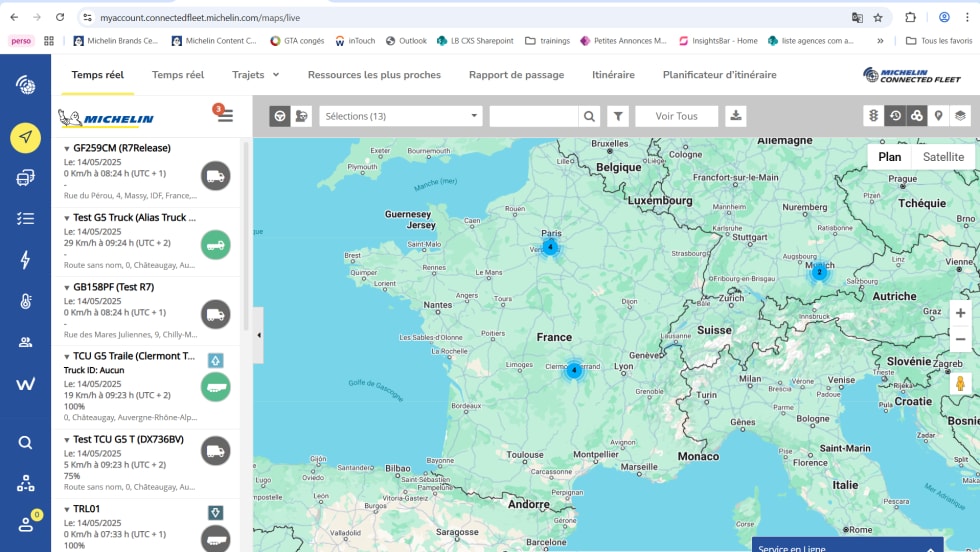
Michelin Adds AI Assistant to MyConnectedFleet Platform
Michelin’s new generative AI tool delivers instant fleet insights, helping managers analyze fuel use, tire maintenance, vehicle status, and operational performance without manually creating reports.
Read More →
LytxOne Platform Now Features AI, Compliance, and Asset Tracking Tools
New enhancements add AI-powered insights, asset tracking, compliance automation, and configurable privacy controls to Lytx's all-in-one fleet management platform.
Read More →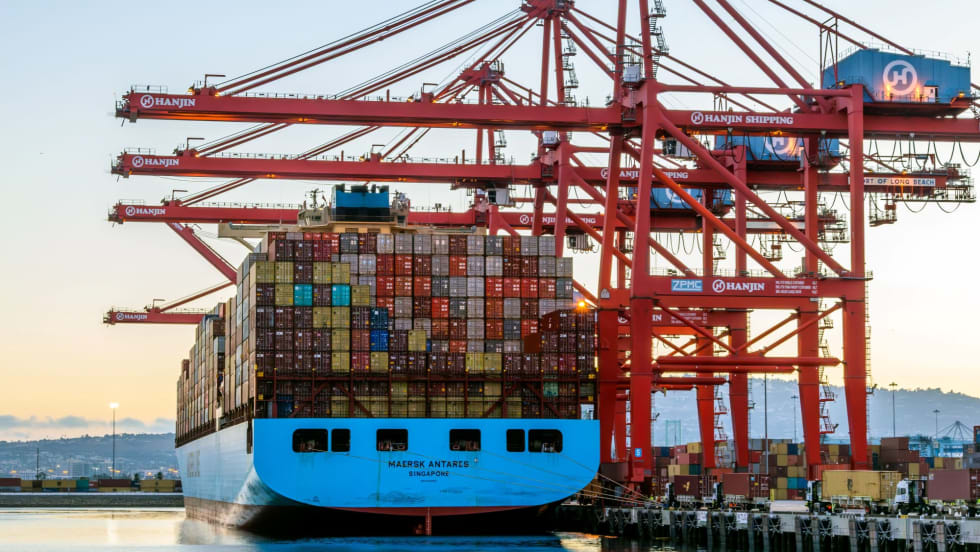
July Imports Poised to Set Container Record
The National Retail Federation projects July container imports will surpass the pandemic-era record as shippers frontload freight ahead of expected August tariff increases.
Read More →