




Faster Border Crossings
Government programs help speed clearance at ports.


Clearing customs has never been a simple process for the 11.5 billion trucks that cross U.S. borders each year. Since 9/11, heightened security has increased delays and frustrations. But U.S. Customs and Border Protection says it's making progress with programs designed to simplify the process.
Last spring CBP completed installation of its Automated Commercial Environment electronic processing system at all land ports along the U.S./Mexican border. There are also ACE ports in several states along the U.S./Canada border. The agency says it's "working diligently" to finish deployment at all land-border ports. At the same time, it has commissioned The American Transportation Research Institute to do a Border Efficiency Assessment focusing on the EManifest system and its use by motor carriers.
ACE is designed to enhance security by giving CBP advance information on shipments coming across the border. Trucking companies enrolled in ACE can submit manifests via Electronic Data Interchange (EDI), through a web-based ACE Secure Data Portal, or through third-party services. When a truck approaches the primary booth, transponder technology signals its arrival and the E-Manifest is automatically retrieved along with pre-filed entries, in-bond requests and other release declarations.
For now ACE is voluntary. Lou Samenfink, executive director of CBP's Cargo Systems Program Office, says they have a few bugs to work out, but when they're confident that the system is where it needs to be, CBP will put the wheels in motion to make ACE mandatory.
"On one side of the coin, it's an investment on the part of truckers," he says. "On the other side of the coin, once the system is in place and truck manifest information is electronically transmitted to our system in advance, we're going to be able to clear things faster. Our guys are going to have a screen filled out with information. We're not going to be swiping bar codes with light pens, or typing in data."
The time savings may only be 10, 15 or 30 seconds per truck but at busy ports "that's a lifetime," he adds.
Eventually ACE will likely replace the Free and Secure Trade program, an agreement between the U.S., Mexico and Canada that allows low-risk participants to receive expedited border processing.
There are two FAST categories for information processing. FAST NCAP incorporates the National Customs Automation Program, a paperless system that uses electronic data transmission and transponders. NCAP was established in the late 1990s, primarily for the auto industry. Samenfink says NCAP data requirements are close to the ACE system, thus NCAP carriers will probably be automatically enrolled in ACE.
FAST Pre-Arrival Processing System (PAPS) is an automated system that uses barcode labels that the carrier attaches to the invoice and the truck manifest. The barcode information is faxed ahead of time to the Customs broker who prepares the necessary paperwork. When a truck arrives at the border the Customs inspector scans the barcode to retrieve the entry information. Carriers using FAST PAPS will eventually have to enroll in the ACE program.
Of course there's more to crossing the border than automated information systems. Samenfink says the best way to get a handle on what's needed is to arrange a meeting with the port director, cargo chief or other official at the port used most. They should be able to walk a carrier through the process and explain paperwork requirements and crossing procedures.
Additional information can be found on the Internet at www.cpb.gov.
E-mail Deb Whistler at dwhistler@truckinginfo.com
More Fleet Management

How Innovative Trucking Leaders Turn Change Into an Advantage
As the pace of change accelerates in trucking, the fleets that adapt best have more than the latest technology. They have cultures that embrace improvement.
Read More →
Freight Broker Bonds Just Got Harder to Get. Here's What That Means for Your Fleet.
When it gets harder for a freight broker to prove they are financially sound, the ones who cannot clear that bar get pushed out of the market. And those are exactly the brokers who used to leave motor carriers holding the bag.
Read More →
Long-Awaited Canadian Border Bridge to Open in Detroit
For trucking, the bridge opening should offer immediate improvements in efficiency and reliability, with new customs facilities, expanded inspection capacity, and direct freeway-to-freeway connections.
Read More →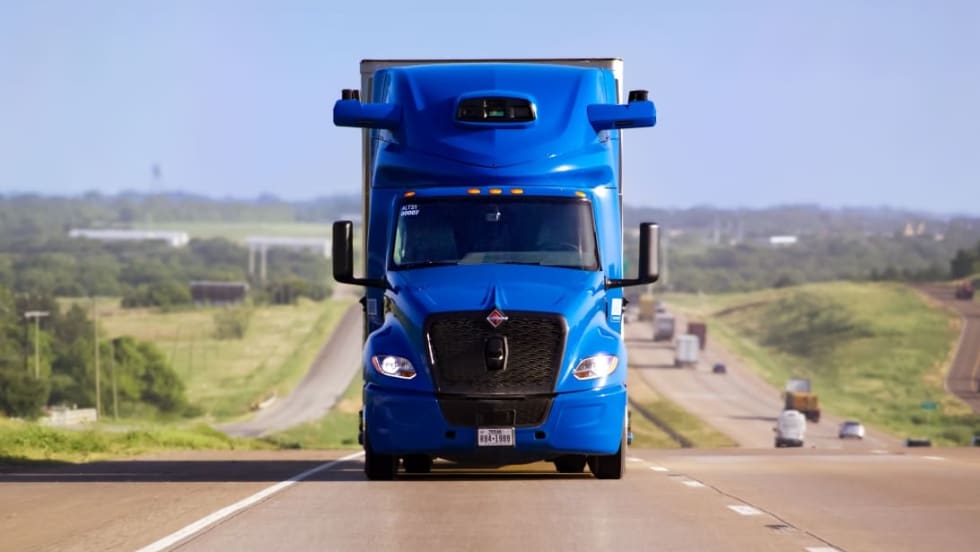
Aurora Rolls Out Next Generation of Driverless Trucks for Commercial Freight
Aurora's latest autonomous trucks it's rolling out with International feature lower-cost hardware designed for a million miles as the company expands commercial driverless freight operations across the U.S. Sun Belt.
Read More →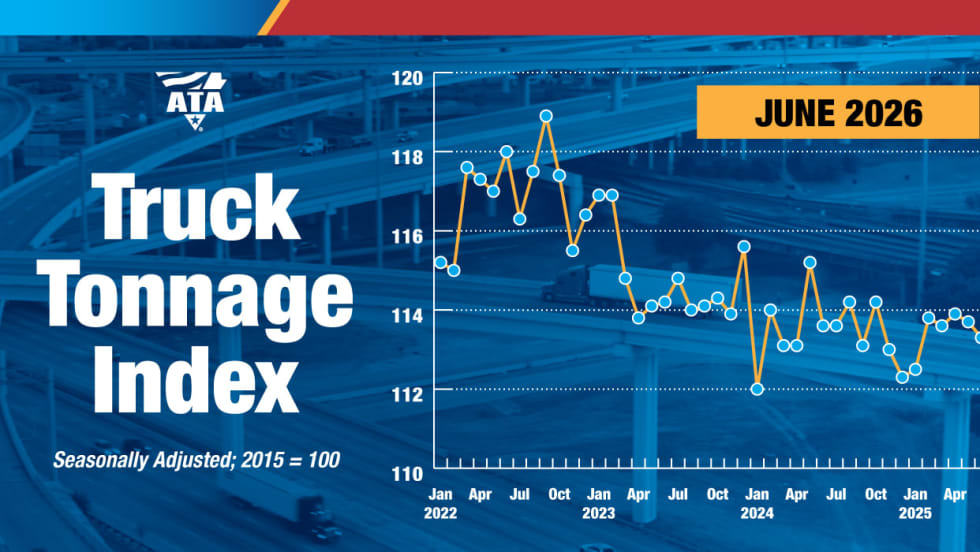
Freight Tonnage Down, Rates up, as Lower Capacity Powers Trucking Recovery
The recovery from the freight recession continues to be driven by reduction in capacity rather than by increased demand.
Read More →
Think Your Trucking Fleet Isn't Using Much AI? Think Again
Shadow AI — the use of unauthorized artificial intelligence tools at work — is becoming increasingly common, putting sensitive company data at risk. Learn how trucking fleets can protect sensitive data while embracing AI.
Read More →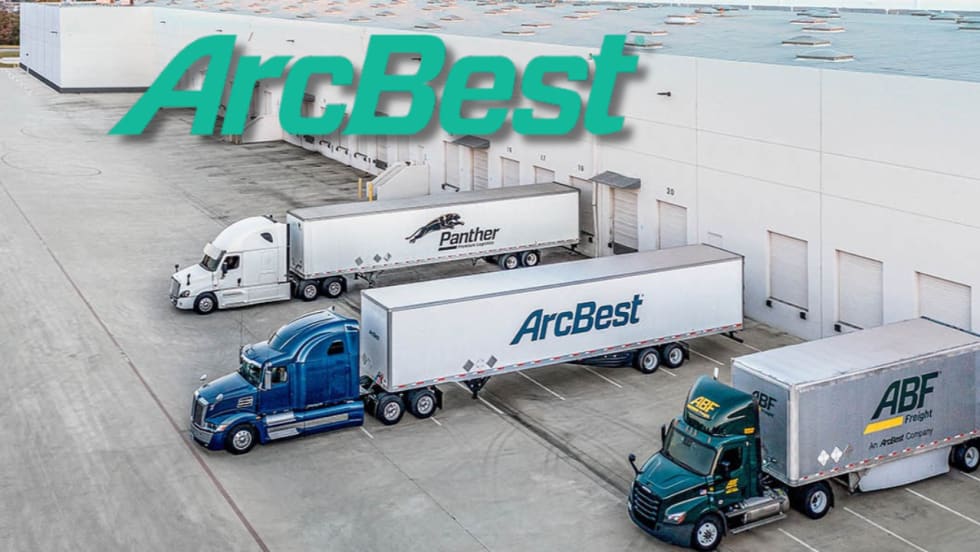
ArcBest Consolidates Brands, Cuts Workforce
The company will bring three business units under the ArcBest brand, eliminate about 2% of positions, and expects the changes to generate $40 million in annual savings.
Read More →
Trucking Fleets Faced Record Operating Costs During Third Year of Freight Recession
ATRI's annual operational cost report shows carriers trimmed fleets, delayed equipment purchases, and ran older trucks as expenses continued to outpace freight rates.
Read More →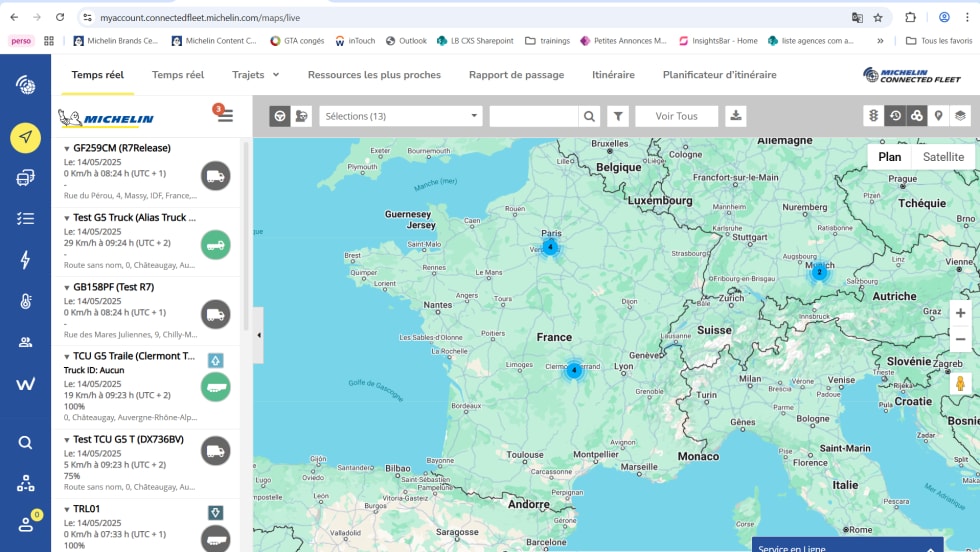
Michelin Adds AI Assistant to MyConnectedFleet Platform
Michelin’s new generative AI tool delivers instant fleet insights, helping managers analyze fuel use, tire maintenance, vehicle status, and operational performance without manually creating reports.
Read More →
LytxOne Platform Now Features AI, Compliance, and Asset Tracking Tools
New enhancements add AI-powered insights, asset tracking, compliance automation, and configurable privacy controls to Lytx's all-in-one fleet management platform.
Read More →