




Engines: Pistons Still In, But Think Outside the Block
The engine of the future is probably the one under the hood or cab of your current truck
The engine of the future is probably the one under the hood or cab of your current truck.
It's an internal combustion engine with pistons, valves, crankshaft and other familiar parts, either an Inline 4 or 6, or a V-6 or V-8. Those popular configurations have been in use for many years and will likely remain the most-built for some time.
The more commercially oriented the truck, the more likely its engine is a diesel. And it's likely to be an inline or "straight" design. Its block is stiff and strong, and it's easy to manufacture and simple to maintain. All kinds of advanced fuel, air and electronics systems can be applied to it, and have, especially since exhaust emissions regulations have become so strict.
Since the 1930s, when high-speed truck diesels began appearing from Cummins and Caterpillar, the design used was the Inline 6. Detroit Diesel sold V-6, V-8 and V-12 truck diesels along with a few in-line versions in its 71 series for many years. The 92 series had V-6s and V-8s.
The V-type's main attribute was shorter length in a time of strict overall vehicle length limits. Some operators liked their valveless two-stroke operation. By the late '80s Detroit had gone to a four-stroke Inline 6, and the most recently introduced heavy duty diesels from all major builders here and overseas are all Inline 6s.
Lighter trucks are more likely to still have V-type diesel and gasoline engines because they're more compact and can fit into crowded engine bays. And they have the cachet of performance. Henry Ford wasn't the first with a V-8, but he popularized it as a high-performance engine when the output numbers from his own Straight 6s were actually a little better.
The V-8 caught on in cars and light trucks, and is still with us in the latest gasoline and diesel engines from the domestic Big Three as well as many overseas marques.
Both Inline and V-type engines make good power and torque for their sizes and weights. Thanks to many years of refinement, often in response to exhaust emissions rules, current engines, whether gasoline or diesel, are increasingly efficient.
Builders are always looking for something better, and have considered turbines, fuel cells and other engine types. But the piston-type engine remains superior when all things - economy, durability and acceptance by customers - are considered.
Natural gas is gaining popularity as an alternative fuel for diesels, as is propane for gasoline engines (and the majority of propane is made from natural gas). Huge deposits of gas in North America and especially the U.S. are likely to speed this trend, assuming environmental issues and new questions about earthquakes as a byproduct of drilling are resolved.
Of course, it's also true that the builders have much invested in tooling and machinery for current piston-engine designs, and are not apt to casually throw it all away. But look for current designs to remain dominant for another 10 to 20 years, if nothing better comes along.
That better thing might be opposed-piston diesels now in the works from two companies. We've written about them before in this space, and will again. And think outside the block, because fuel-cell and all-electric trucks are already finding work in specialized applications. This is getting to be a really interesting business.
The above is the introductory article in January HDT's special report on "Engines, Today & Tomorrow." Subscribers will have it soon.
More Equipment

EPA Proposal Could Ease 2027 Truck Costs and Buying Uncertainty
The proposal doesn't change the tougher NOx standard, but it would revise key implementation requirements that manufacturers say have driven up costs and complicated fleet purchasing decisions.
Read More →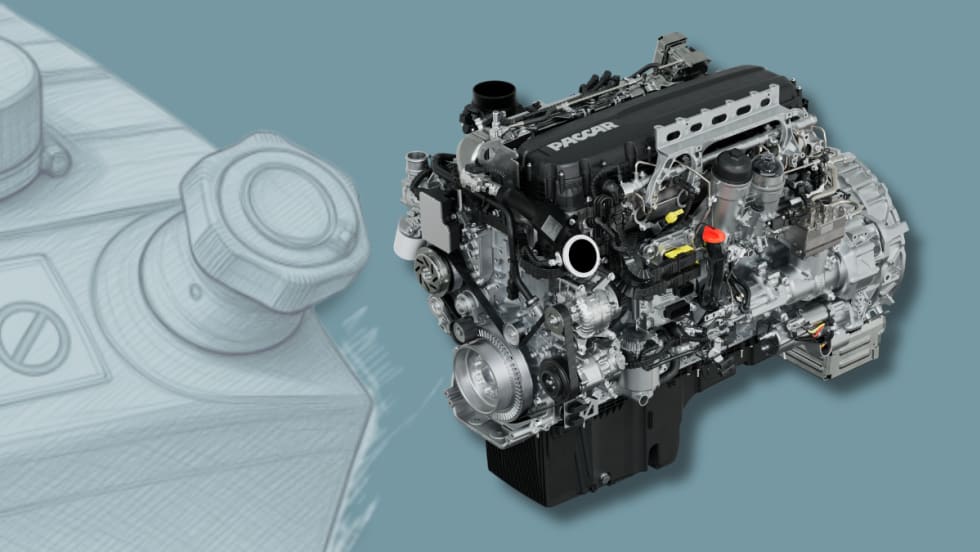
Cummins, Paccar Ease DEF Derates After EPA Guidance
Updated diesel engine software gives truck operators more time to address emissions-system issues while staying compliant with EPA emissions standards.
Read More →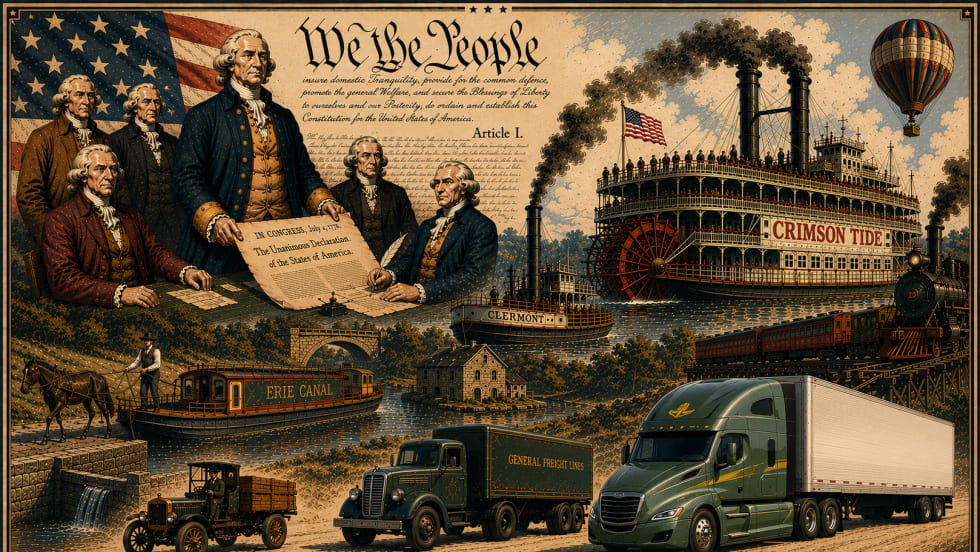
America at 250: How the Truck Helped Connect a Continent
America was founded on revolutionary ideas, but it was built by movement. For 250 years, the nation has depended on ever-better ways to move people, products, and prosperity across a vast continent. No machine has carried that mission further — or more faithfully — than the truck.
Read More →
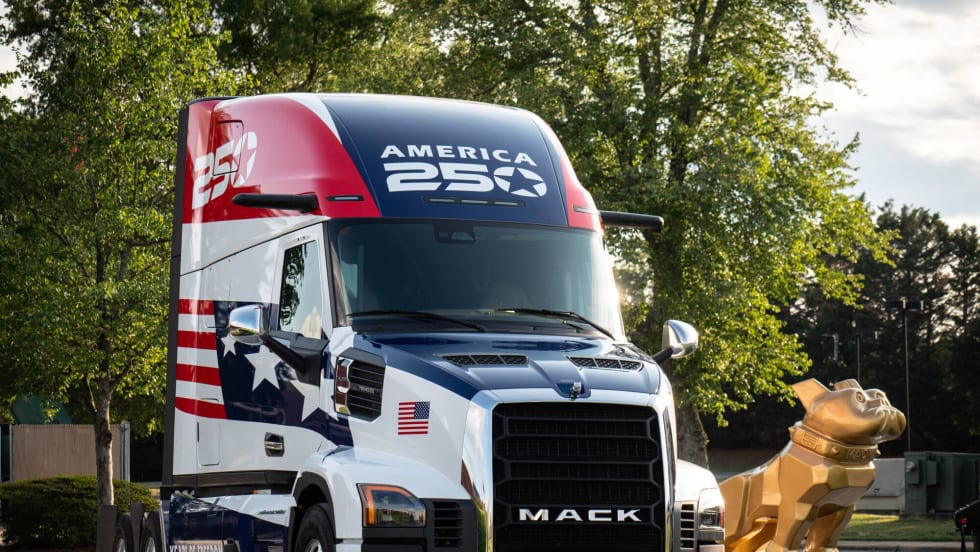
Mack Unveils America 250 Tribute Truck to Celebrate Nation's Semiquincentennial
Just in time for the Fourth of July! Mack unveils a brand-new patriotic, limited-edition, red, white, and blue truck wrap.
Read More →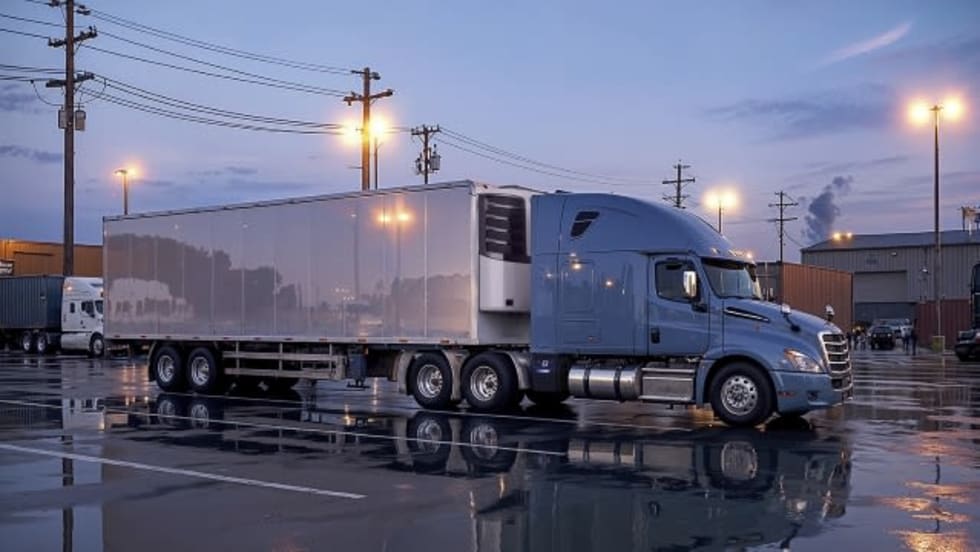
Enhance Fleet Performance with High-Efficiency Auxiliary Power Units
Drive sustainable cost savings while increasing driver comfort during short- and long-haul logistics operations.
Read More →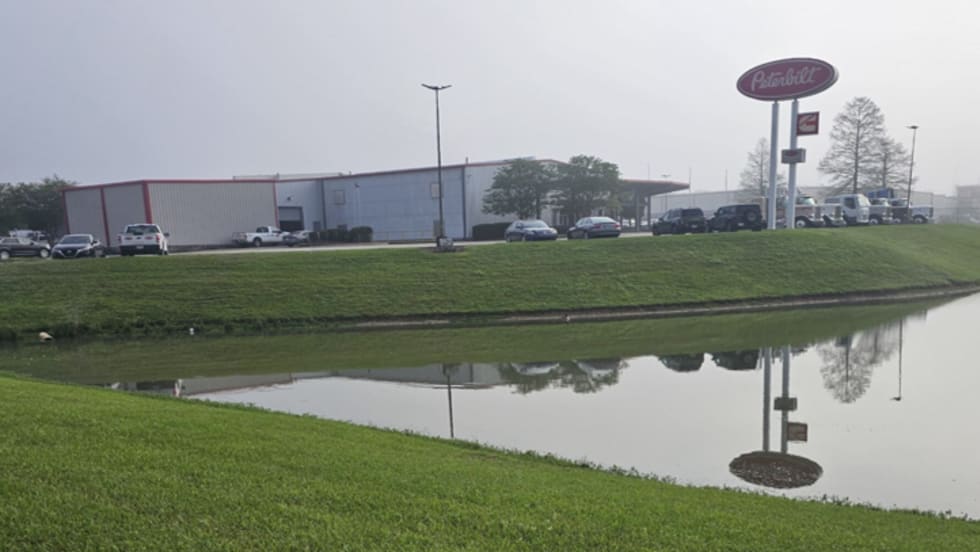
Rush Expands Gulf Coast Peterbilt Network With Louisiana Acquisition
The expanded Rush network gives fleets additional sales, service, leasing and collision repair support across Louisiana's major trucking markets.
Read More →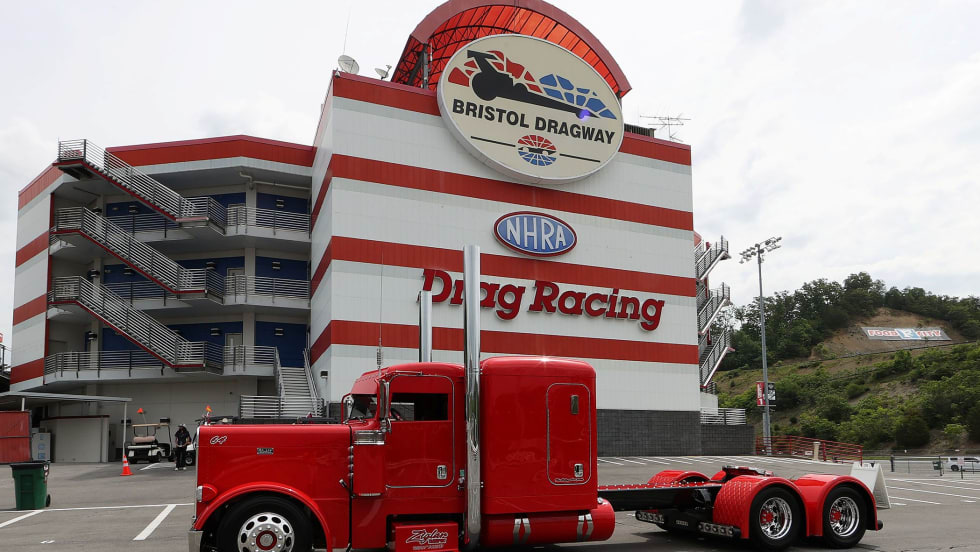
Photos: Shell SuperRigs Light Up Bristol Tennessee
Kenny Ziglar II of Rawlins, Wyo., captured Best of Show honors for the second consecutive year with his 2007 Peterbilt 379, nicknamed “Scrapin By,” at the 44th Annual Shell Rotella SuperRigs competition held June 25-27 at Bristol Motor Speedway in Bristol, Tenn.
Read More →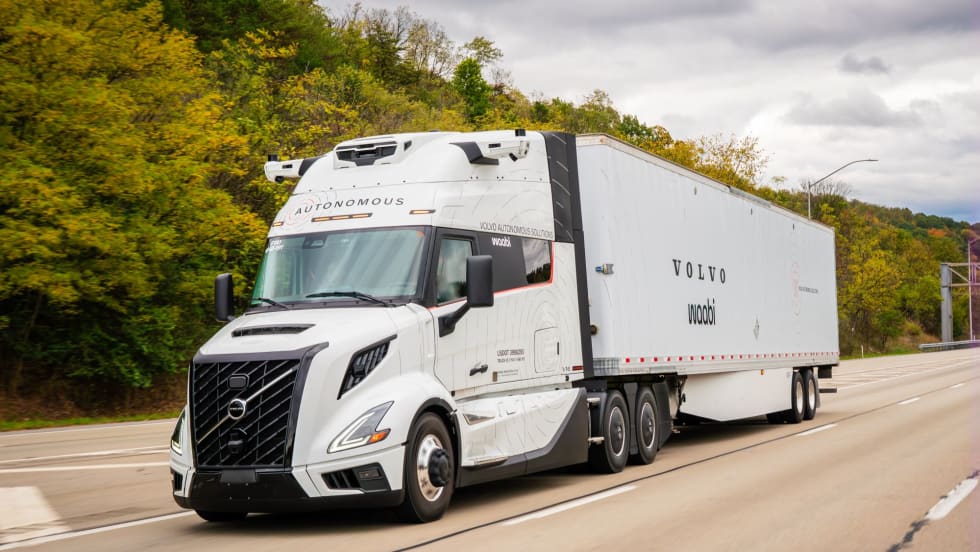
Waabi, Volvo Claim Breakthrough in Scaling Autonomous Trucking
Waabi says its AI-powered virtual driver successfully transferred to Volvo Autonomous Solutions' Volvo VNL Autonomous platform without retraining or additional data, a milestone the companies say could dramatically accelerate commercialization of autonomous trucks.
Read More →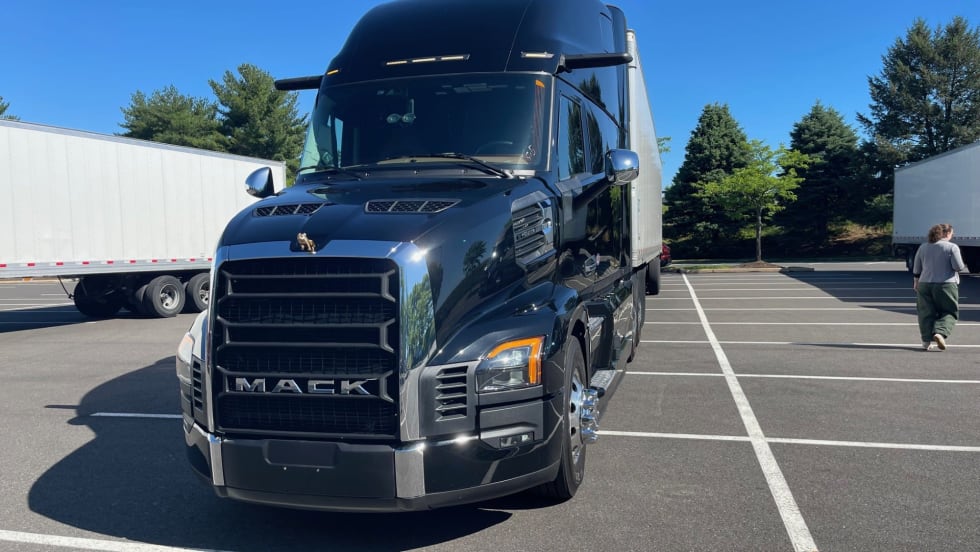
Why the Mack Pioneer Signals a New Era in Class 8 Truck Design
After a public-road drive through eastern Pennsylvania, one thing became clear: Mack's new Pioneer isn't simply packed with technology -- it's been engineered around the driver in ways that could redefine long-haul trucking.
Read More →
Mack Defense Secures $47 Million to Continue Military Dump Truck Production
President Trump visited Mack Defense’s Macungie, Pennsylvania, facility on June 23 to tout a $47 million Heavy Dump Truck order.
Read More →