




Direct Drive or Overdrive?
The long-running debate over which type of transmission — direct drive or overdrive — provides the greatest efficiency is one that’s not easily settled and not likely to go away.
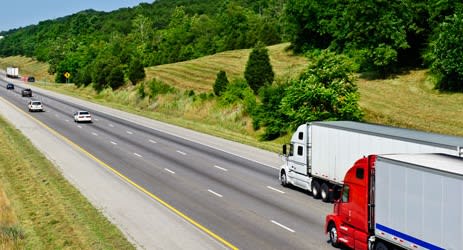
Direct drive transmissions are well suited to relatively flat on-highway applications. Photo: Eaton
The long-running debate over which type of transmission — direct drive or overdrive — provides the greatest efficiency is one that’s not easily settled and not likely to go away.
Conventional wisdom suggests direct drive transmissions, with their ability to transmit power directly through the main shaft with minimal parasitic losses, should be more efficient – and sometimes that’s true. If only it were so simple.
In reality, there are many variables to consider when deciding whether your fleet will be best served by a direct drive or overdrive transmission.
“Direct drive and overdrive transmissions have existed side by side for some time, but there’s certainly a lot of confusion as to which gives you the greatest efficiency,” says Evan Vijithakumara, Eaton’s global product strategy manager for heavy-duty transmissions.
Application, application, application
It all depends on the application. Generally speaking, in ideal conditions running on-highway over relatively flat ground, direct drive is the more efficient option. But throw in some hills, higher average road speeds and some off-road requirements, and overdrive becomes a better fit.
Vijithakumara warns that while it’s true that a direct drive transmission itself will operate more efficiently in top gear, that doesn’t always translate into greater fuel economy.
“While direct drive can be more efficient as a transmission, that doesn’t guarantee it will be more efficient for the system – the system being the engine, transmission, axle and tire combination,” Vijithakumara explains.
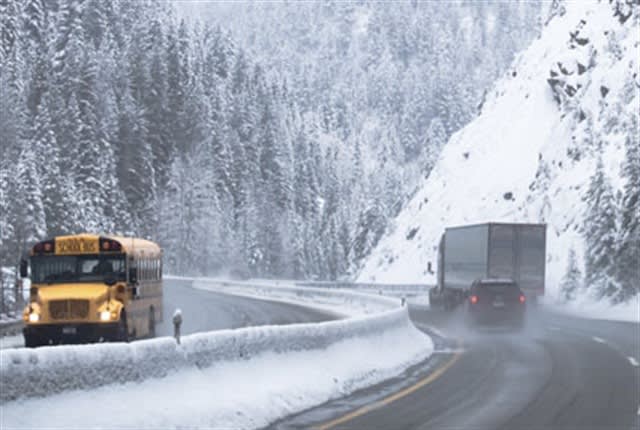
Routes that include harsh environments and hilly terrain are best suited to overdrive transmissions.Photo: Eaton
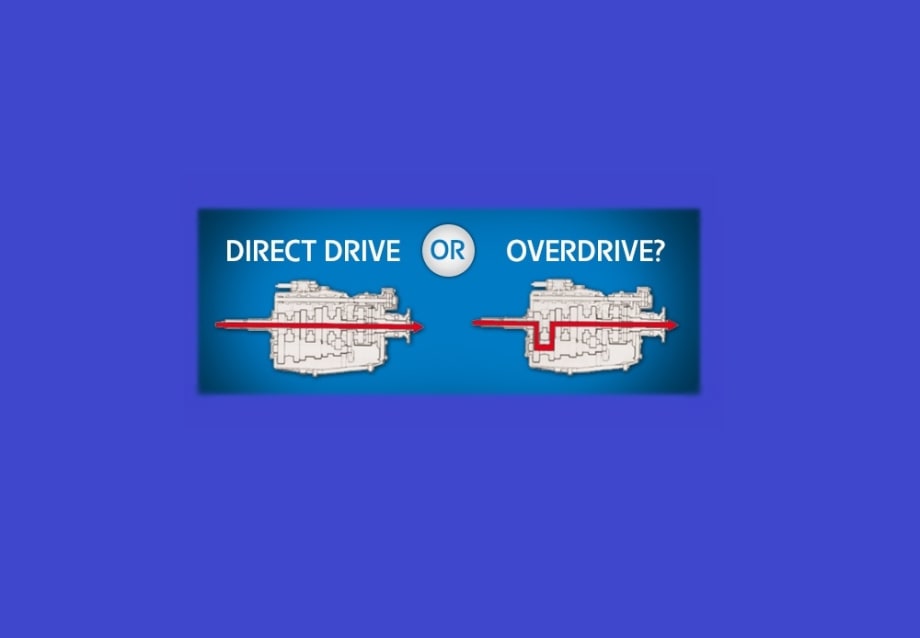
When in top gear, direct drive transmissions do not transmit torque down through the countershaft, so all the power generated by the engine is passed directly through the input shaft into the output shaft.
“We consider that a ‘no-mesh’ condition and when you have no loaded gear meshes, the transmission has reduced parasitic loss, resulting in more efficient operation,” Vijithakumara says.
On the other hand, the higher front box ratios inherent in direct drive transmissions have implications on downstream components that must be considered during the spec’ing process.
“With a direct drive transmission, the torque is passed straight through to the driveline, so an adverse event such as moving from an icy road to dry pavement can transmit a lot of force further downstream through the driveshaft and U-joints, which could be potentially damaging," Vijithakumara says. "On an overdrive transmission, you have torque being transmitted through the countershaft gears, so you’re not effectively bypassing the transmission. When a harsh event occurs, the additional backlash and elasticity within the transmission can prevent damage downstream.”
The complete system
Interest in direct drive transmissions has increased in recent years, as fleets explore all available options to increase their efficiency. But the reality is that in North America, high average road speeds and hilly, even mountainous, terrain often make overdrive transmissions a more appropriate solution. It all depends on application and duty cycle.
“I think there is a misperception that a single product can fit all applications,” he adds. “It really depends on what you’re trying to do.”
Overdrive transmissions, with their higher overall ratios, provide greater startability and gradeability, as well as lower transmission sump temperatures in hilly terrain. The contribution this makes towards total vehicle efficiency should not be overlooked. In addition, trucks equipped with overdrive transmissions have more application flexibility which can help with vehicle resale compared to a direct drive configuration tailored for a specific route.
Overdrive transmissions also allow for the greater use of downspeeding (cruising at lower engine rpms), which can drive fuel savings.
Eaton says its new Fuller Advantage Series automated transmission, available as part of the SmartAdvantage Powertrain with the Cummins ISX15, marries the benefits of direct drive transmissions with those offered in an overdrive configuration. (Available with the Paccar MX-13 engine in the Apex package at Peterbilt, the Kenworth T680 Advantage package, and at International paired to the N13 engine.)
In recent years, the interplay between the transmission, engine and axles has increased, meaning it’s more important than ever for fleets to take a holistic approach to spec’ing the powertrain as a complete system. When evaluating transmissions for fit, all parts of the system do factor in.
Direct drive and overdrive transmissions can be equally robust and reliable, but to ensure the best performance possible it’s important to consider every aspect of your application. Consult with the experts and then specify accordingly.
Adapted from a "Truck Experts Article" on the Eaton website. Used with permission. This article was selected and edited by HDT's editors to provide useful information to our readers.
More Fuel Smarts

Trucking’s Diesel Squeeze Isn’t Letting Up
With diesel topping $6 a gallon nationally, ATA's Bob Costello explains why fleets should prepare for continued pressure at the pump.
Read More →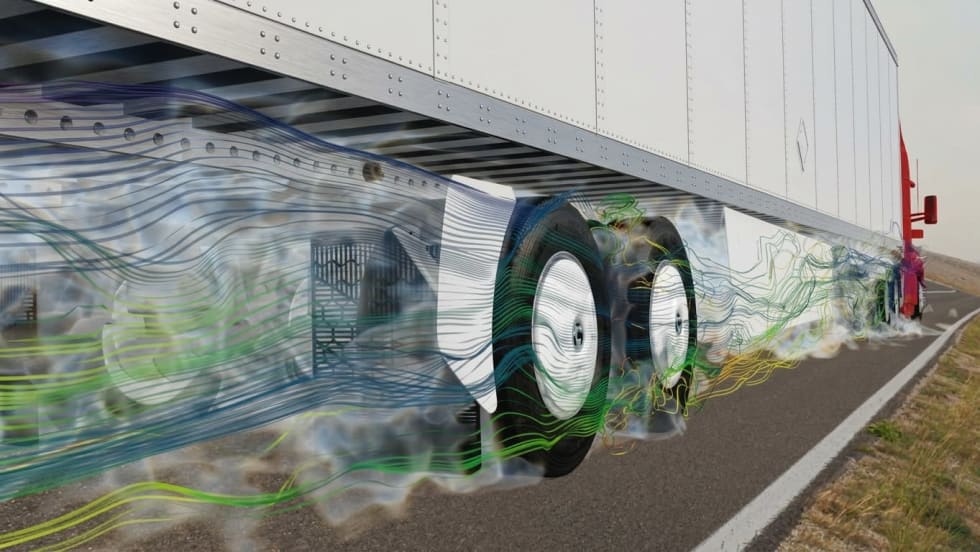
FlowBelow Redesigns Trailer AeroSlider to Cut Fuel Use
The lighter trailer aerodynamic system installs in less than 45 minutes, according to the company, with potential payback in under a year depending on fuel prices and trailer mileage.
Read More →
Why Diesel Price Relief Efforts May Fall Short
Diesel prices have eased from September’s record high, but doubts about additional Russian supply and limits on dyed-diesel tax relief mean trucking fleets still face expensive fuel. And prices could go higher.
Read More →
Why Small Fuel Savings Matter in Trucking
Can better fuel economy help pay for driver raises? In this podcast, GP Transco explains how small efficiency gains create room to reinvest in its people.
Read More →
How GP Transco Cuts Trucking Fuel Costs, a Tenth of a Gallon at a Time
What’s another tenth of a mile per gallon worth? GP Transco shares how equipment upgrades and driver coaching turn small gains into meaningful fuel savings.
Read More →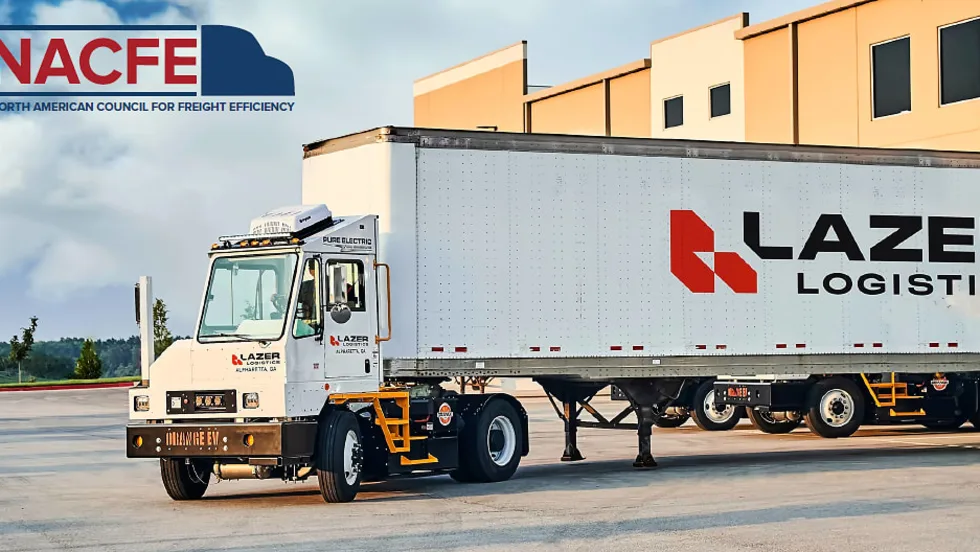
Electric Yard Tractors Move Beyond Pilots
Operating-cost savings have overtaken sustainability goals as the leading reason surveyed fleets are adopting battery-electric terminal tractors, according to new NACFE research.
Read More →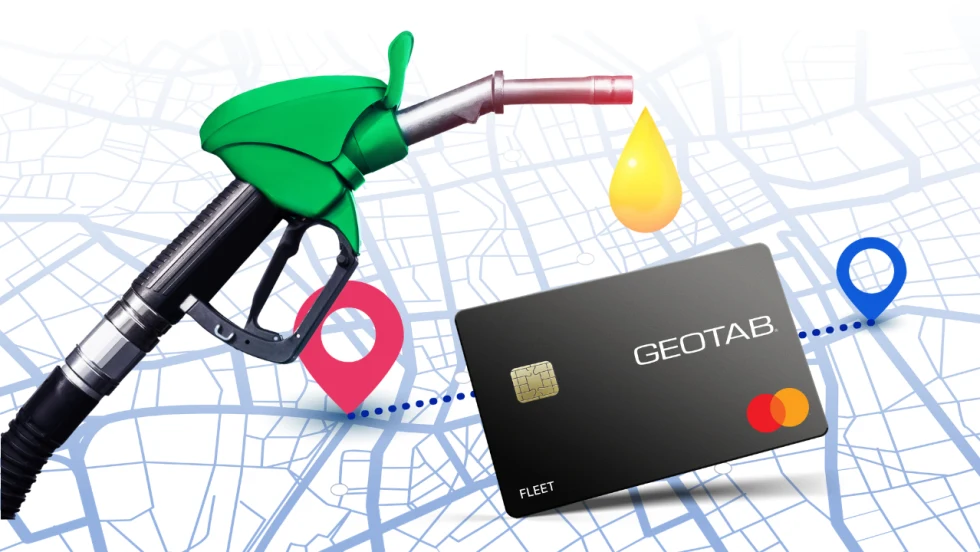
Geotab Links Fleet Card to Vehicle Data
The new card combines fuel discounts with telematics-based purchase controls. Geotab’s analysis also points to potential savings from choosing lower-priced fuel stops.
Read More →
Fleet Economics Shape Electric Truck Outlook
ACT Research expects costs, charging infrastructure, and technology improvements to drive zero-emission commercial vehicle adoption as federal regulations and incentives retreat.
Read More →
Wex Adds Cardless Fuel Payments for Over-the-Road Customers
A new fuel card feature for Wex customers offers convenience and security.
Read More →
New California Law Could Shed Light on Electric Truck Prices
Why do battery-electric Class 8 trucks remain so expensive? A California bill signed by Gov. Gavin Newsom would give fleets and state agencies more visibility into what manufacturers charge.
Read More →