




Diesel Destined for Ford's Transit; Fuel-Environment Calculator Ready for Fleets
Ford Commercial Truck says its upcoming Euro-style Transit full-size van will have a diesel as well as gasoline engines and reiterated that the Transit will get at least 25% better fuel economy than the E-series vans it will begin replacing next year
Ford Commercial Truck says its upcoming Euro-style Transit full-size van will have a diesel as well as gasoline engines and reiterated that the Transit will get at least 25% better fuel economy than the E-series vans it will begin replacing next year.
The diesel will be in addition to the 3.5-liter EcoBoost turbocharged gasoline V-6 announced early this month. The diesel, of undisclosed size and configuration, will be a new product built in North America, says Kevin Koswick, director, North American fleet, lease and remarketing operations for Ford.
Ford stopped offering a diesel in the E-series when its supply agreement with Navistar International went sour and then ended several years ago. And Ford's own Power Stroke V-8 diesel is too big for the E-series' engine bay.
The return of a diesel option to Ford's full-size van lineup answers customers' calls for more choice when seeking a van with superior fuel economy and balanced capability, Koswick says.
Speaking to the Automotive Press Association in Detroit, Koswick says Ford is committed to continuing to provide customers a range of options to reduce their operating costs through fuel-efficient engines and alternative-fuel products.
These include EcoBoost, hybrid, plug-in hybrid, battery-electric, biodiesel and compressed and liquefied natural gas.
The Transit's fuel economy gains will come from more modern and efficient engines and "smart weight savings" that will trim at least 300 pounds compared to an E-series truck, Koswick says.
As the Transit goes into production, the E-series will be phased out, but certain body styles will continue to be available through most of the decade in North America.
Fuel Cost Calculator
Meanwhile, Ford's fleet specialists have developed a new computer tool to help optimize fleet purchases based on specific fuel types, operating locations and carbon emissions the trucks generate.
Called the Vehicle Emissions and Fuel Cost Calculator, the tool will help managers understand their current carbon footprint and model various scenarios based on the types of vehicles they choose for their fleets.
Carbon footprint has become important in many corporate minds, and the tool will help managers reduce their footprints and boost social credibility.
The calculator incorporates important information to evaluate fuel costs and emissions, says Sandy Winkler, senior researcher with Ford Research and Innovation and developer of the tool.
Included are vehicle and fuel type, traffic conditions, and geographic region of operations, in which the car will be used to generate information about the efficiency of a fleet. Special formulas and variables will determine the environmental impact and fuel costs of specific vehicles.
For example, the tool can demonstrate how operating an electric vehicle in Portland, Ore., has different environmental ramifications from one operating in Philadelphia. This is due to hydropower being a common source of electricity in the Pacific Northwest, reducing carbon dioxide emissions, compared with the mostly coal-based electricity used in the East Central region, Winkler said.
The proprietary program must be used with the support of a Ford representative. Information about it is available through Ford Commercial Truck dealers and at ford.com.
More Products

More Trailer Data Through the Same Seven-Way [Video]
Can trucking’s standard seven-way connector handle more cameras and trailer data? Grote’s Adam Slade shows HDT how the company is using new technology with its 4See trailer system, not only to add a new backup camera but also to expand other capabilities — without adding another connection.
Read More →
FlowBelow Redesigns Trailer AeroSlider to Cut Fuel Use
The lighter trailer aerodynamic system installs in less than 45 minutes, according to the company, with potential payback in under a year depending on fuel prices and trailer mileage.
Read More →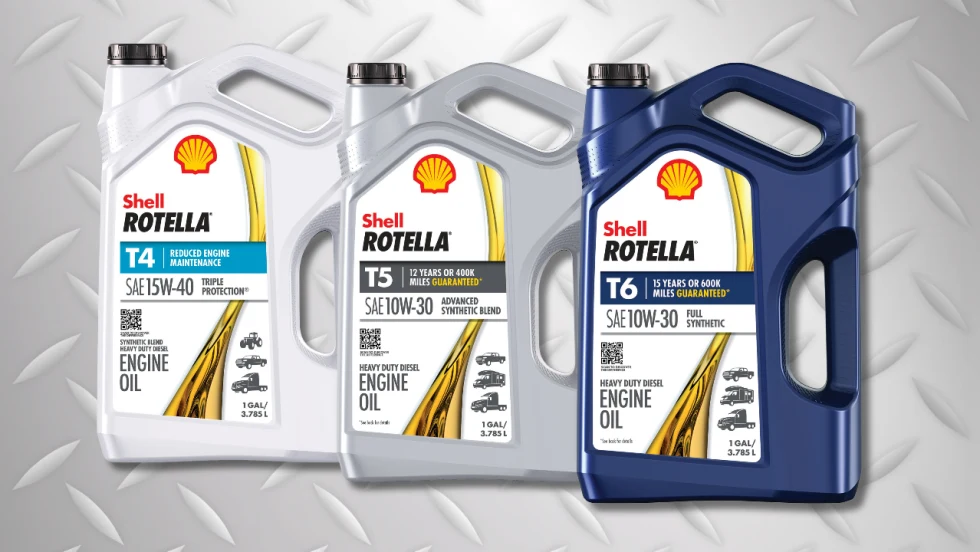
Shell Prepares Rotella Oils for 2027
New CL-4 and FB-4 formulations will begin arriving in early 2027, with improved protection against oil breakdown, wear and deposits, according to Shell.
Read More →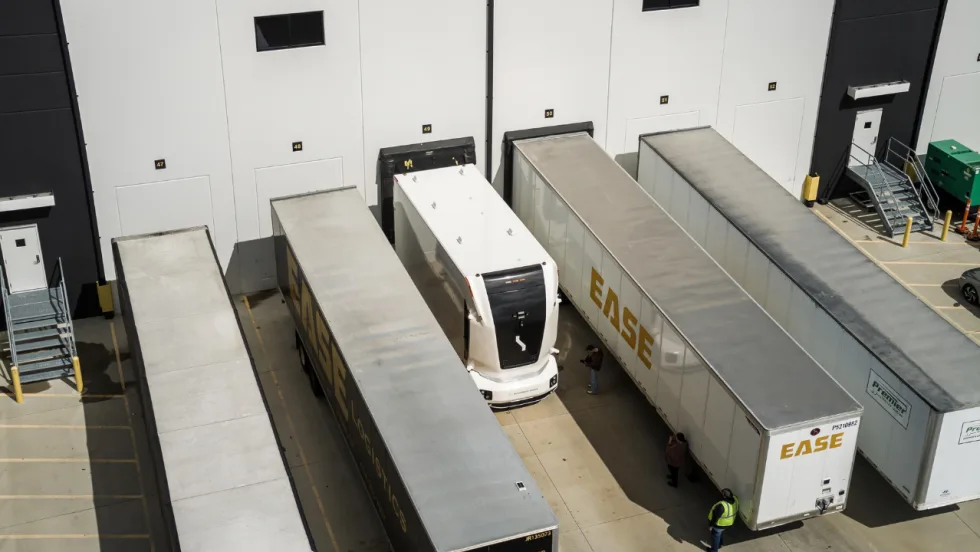
Einride Driverless Electric Trucks Begin Daily Freight Operations in Ohio
Two cabless electric trucks are hauling freight between EASE Logistics facilities in Marysville, Ohio, as part of a multi-state truck automation project.
Read More →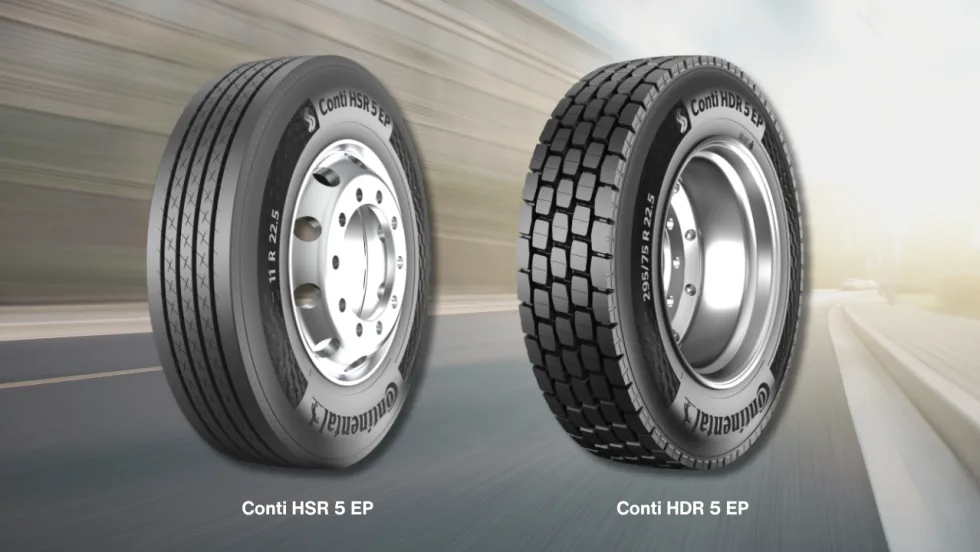
Continental Introduces New Regional Truck Tires
Continental says its new Generation 5 steer and drive tires for regional operations offer longer tread life, with estimated mileage gains of 22% and 19%, respectively.
Read More →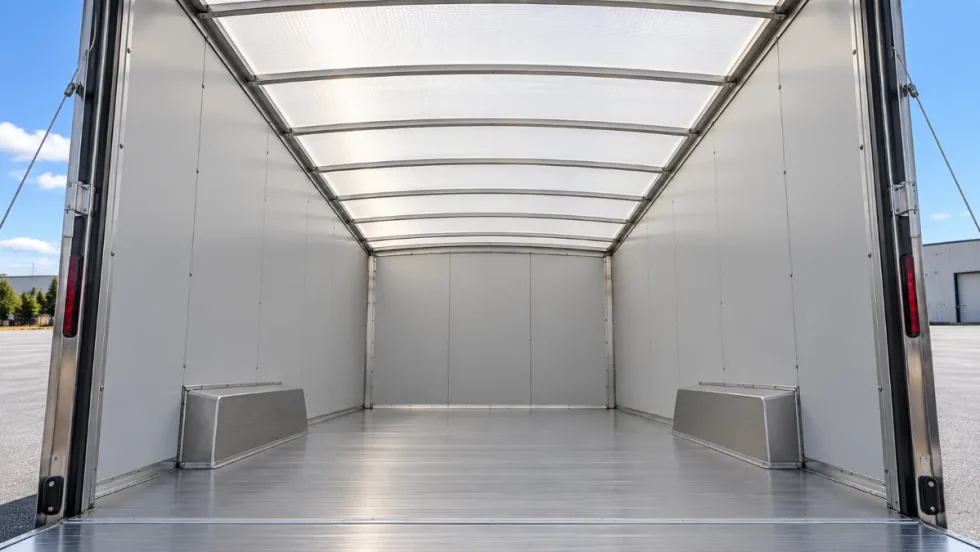
Tekmodo Introduces CargoBright Brand for Translucent Trailer Roofs
CargoBright is designed to diffuse daylight across the cargo area while performing as a working vehicle roof.
Read More →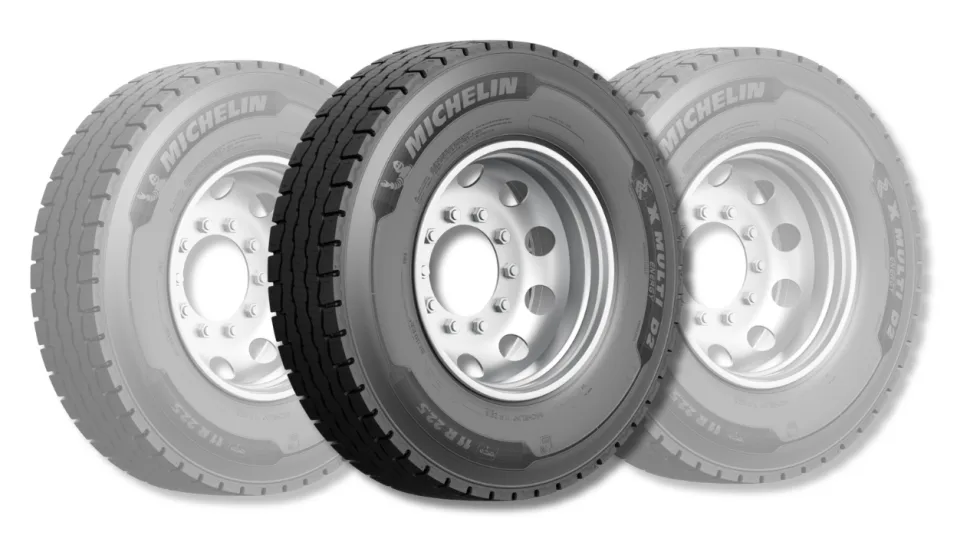
Michelin Tire Improves Efficiency and Durability for Regional Fleets
The Michelin X Multi Energy D2 is a regional haul drive tire engineered to help fleets improve fuel efficiency, durability and traction in demanding stop-and-go operations.
Read More →
What Geotab's New AI Connector Means for Fleets
Fleets can now ask their usual AI assistants questions about maintenance, safety, fuel use, and vehicle performance, using their live Geotab data, and take action on the answers without leaving their preferred AI tool.
Read More →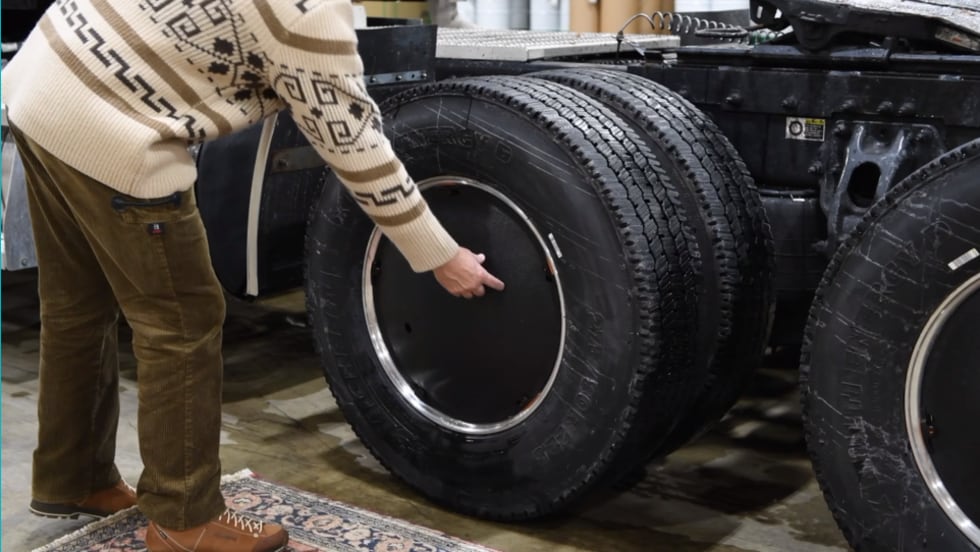
Deflecktor: Hubbub Aerodynamic Wheel Cover Cost-Effective Even for Trailers
Aerodynamic wheel covers can deliver small but meaningful fuel-economy gains for fleets, and Deflecktor says its latest design aims to make the technology easier and more affordable to deploy.
Read More →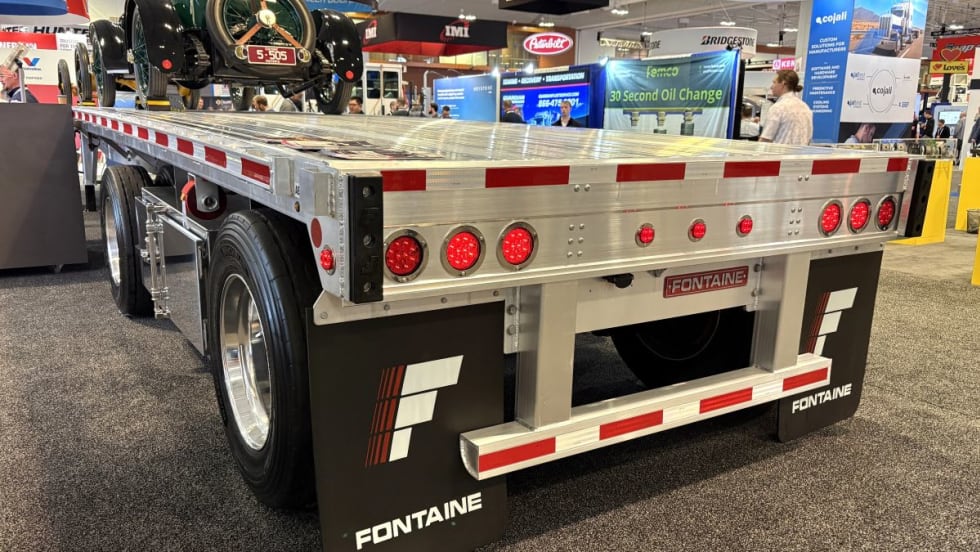
Fontaine Expands Flatbed Lineup with New Fleet-Focused Models, Eyes 2027 Launch
Fontaine is broadening its flatbed lineup with new models aimed at fleets, including a lightweight aluminum trailer expected in 2027 that emphasizes durability, repairability, and lower cost.
Read More →