




Deadlines, Deadlines
Navistar International is pressing for a delay in the implementation of the 2010 emissions mandate, pushing it back from the Jan. 1 deadline
Navistar International is pressing for a delay in the implementation of the 2010 emissions mandate, pushing it back from the Jan. 1 deadline.
It's very much a go-it-alone strategy, as all the other truck and engine makers say they are on track with their technology solutions and would like the deadline to stay just where it is.
The Navistar argument is that it is a very bad economic environment for the introduction of new technologies that are bound to increase the sticker price of the equipment come 2010. The company is not saying what the level of shock will be, but an informed guess puts it between $6,000 and $10,000. Undoubtedly, the proponents of selective catalytic reduction - which is everyone but Navistar - will be at the higher end of any increases, since there are hardware plus research and development costs associated with SCR.
But the Navistar solution - significantly increased exhaust-gas-recirculation - has to have its development costs, too. And it will come with hardware costs, as well. More EGR means more heat rejection into the cooling system, so International's trucks will have to feature reengineered cooling packages to mate to its big-bore MaxxForce 11- and 13-liter engines.
And that development will run years after the deadline, because Navistar will use banked credits from its smaller, cleaner engines that have been well below the '07 emissions limits. This means that it will shoot for 0.5 g per hp-hr NOx - the highest EPA will allow even with credits - instead of the actual mandate of 0.2 g per hp-hr that all the other manufacturers will comply with at the due date.
Obviously, any delay in implementation of the next emissions step would give Navistar a little more breathing room to get down to the 0.2 g level before its credits run out.
The company says, though, that the call for a delay is in response to a study by NERA Economic
Consulting that it commissioned, which concludes the market response to the Jan. 1 deadline will be a disaster. NERA calls it a no-buy, no-buy, referencing the last two emissions events that saw a pre-buy and then a no-buy.
Adding fuel to the debate, the Owner-Operator Independent Drivers Association has seized on this piece of "research" to issue its own call for a delay in the implementation, saying with some very convoluted logic that staying with the deadline will lead to worse air quality.
Todd Spencer, executive vice president of OOIDA, serves the cause for clean air ill when he said, "It's the worst possible time for the trucking industry to take on a high-stakes gamble with no known level of reliability of the technologies or return on investment."
Talk to the SCR camp - which to reiterate, is everyone but Navistar International - and you'll hear the howls of protest. Spencer's comment is simply not true.
You only have to look to Europe, where something like 500,000 trucks are running every day using SCR technology to meet Euro 4 and the upcoming Euro 5 (which, because of some enlightened fiscal policy, is actually pulled ahead by users buying cleaner trucks today, not waiting till October 2009).
SCR works and, by the way, actually does have a payback, contrary to the rantings of OOIDA. In Europe, where the NOx limits are less stringent, the use of exhaust aftertreatment has allowed for engine optimization that has paid back 10 percent in fuel economy improvements. When it is applied here in North America it will deliver less but, even allowing for the cost of the diesel exhaust fluid required, will deliver a 3 percent economy improvement. Personally, I believe the engine manufacturers are under-promising in the hope they can over-deliver when the time comes.
Unfortunately for Navistar, more EGR means no opportunity to pick up fuel economy. The company argues that the overall economy of the MaxxForce big-bore engines is sufficiently good that its customers will be at no competitive disadvantage with fuel economy compared to its SCR competitors. Therein lies the gamble. Time will tell. Navistar just hopes the time will be later rather than sooner.
From the January 2009 issue of Heavy Duty Trucking.
More Equipment

Rush, MCT Team Up to Grow Refrigeration Service Network
The joint venture will operate MCT's network of Carrier Transicold dealerships and mobile service locations, with the companies promising greater service capacity and uptime for refrigerated fleets.
Read More →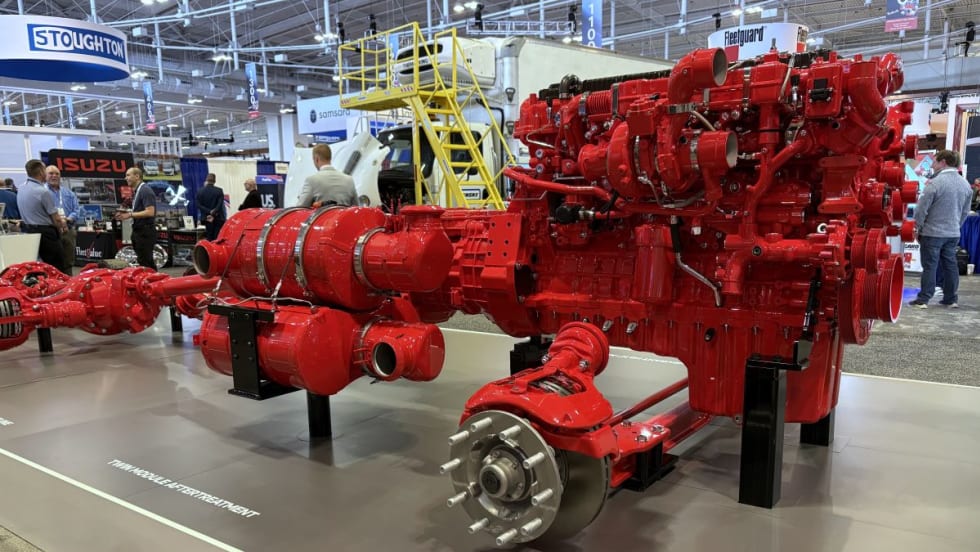
Cummins Adjusts 2027 Engine Rollout After EPA Proposal
The engine maker will gradually introduce its new Model Year 2027 diesel engines while continuing to offer current models during the transition, citing the EPA's proposed emissions rule changes.
Read More →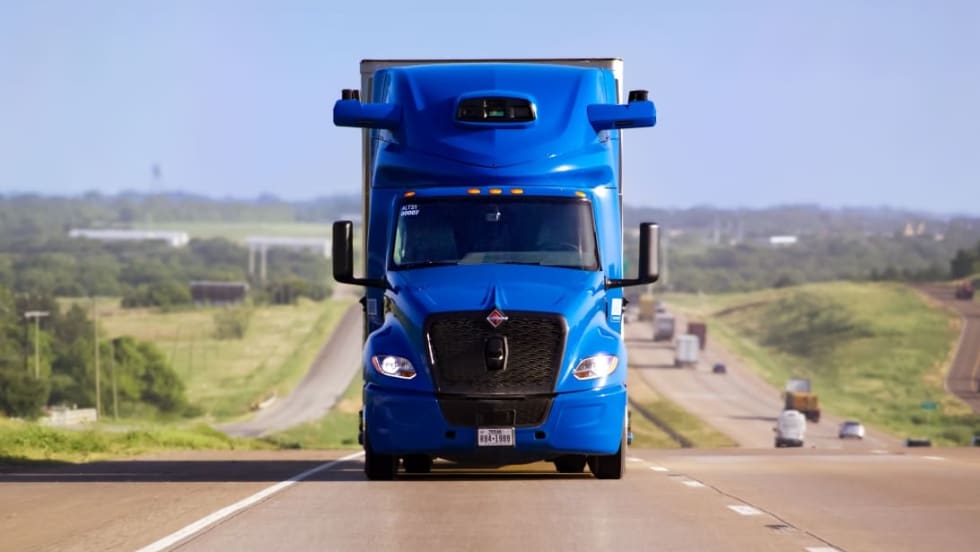
Aurora Rolls Out Next Generation of Driverless Trucks for Commercial Freight
Aurora's latest autonomous trucks it's rolling out with International feature lower-cost hardware designed for a million miles as the company expands commercial driverless freight operations across the U.S. Sun Belt.
Read More →
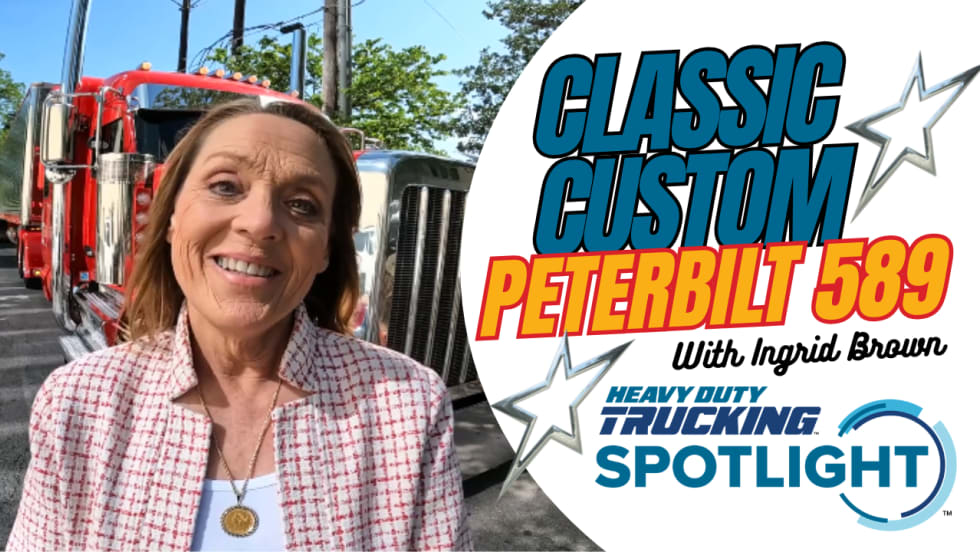
Peterbilt 589 Spotlight: A Close Look at a Custom Working Truck [Video]
There's more to this customized Peterbilt Model 589 and Great Dane refrigerated trailer than chrome and stainless (although there's plenty of that too!) A veteran driver explains the design choices and practical features behind this working truck.
Read More →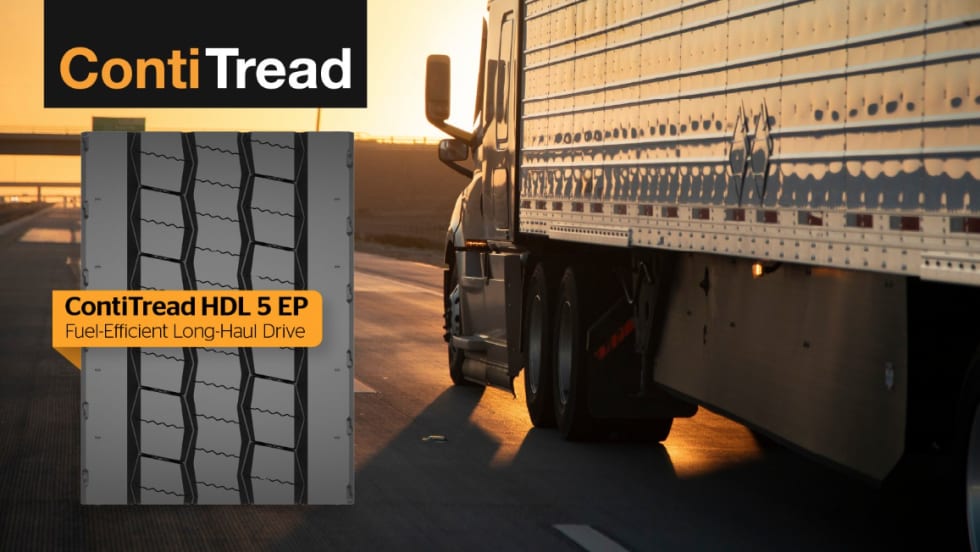
Continental Expands Retread Lineup With New ContiTread HDL 5 EP
New long-haul drive retread is designed to improve fuel efficiency, extend tread life, and lower fleets' cost per mile.
Read More →
EPA Proposal Could Ease 2027 Truck Costs and Buying Uncertainty
The proposal doesn't change the tougher NOx standard, but it would revise key implementation requirements that manufacturers say have driven up costs and complicated fleet purchasing decisions.
Read More →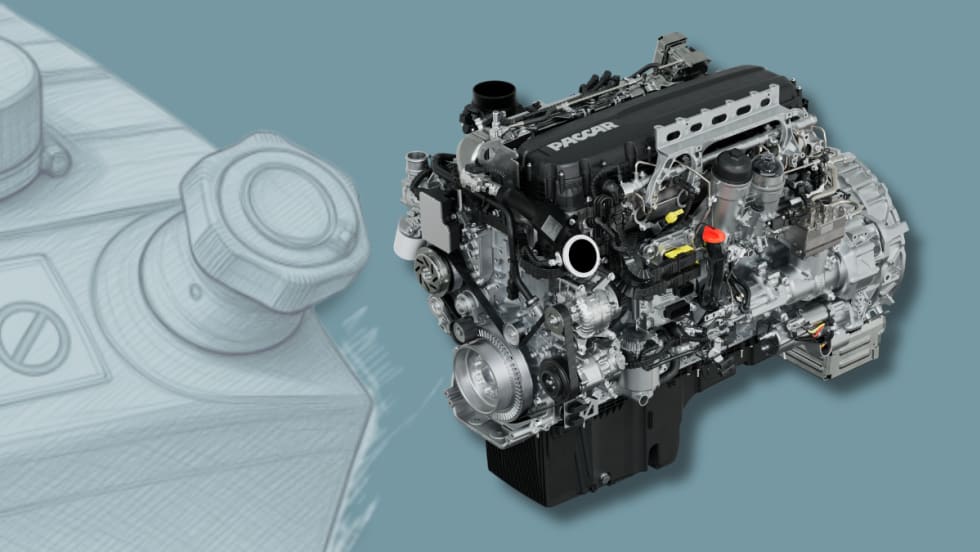
Cummins, Paccar Ease DEF Derates After EPA Guidance
Updated diesel engine software gives truck operators more time to address emissions-system issues while staying compliant with EPA emissions standards.
Read More →
America at 250: How the Truck Helped Connect a Continent
America was founded on revolutionary ideas, but it was built by movement. For 250 years, the nation has depended on ever-better ways to move people, products, and prosperity across a vast continent. No machine has carried that mission further — or more faithfully — than the truck.
Read More →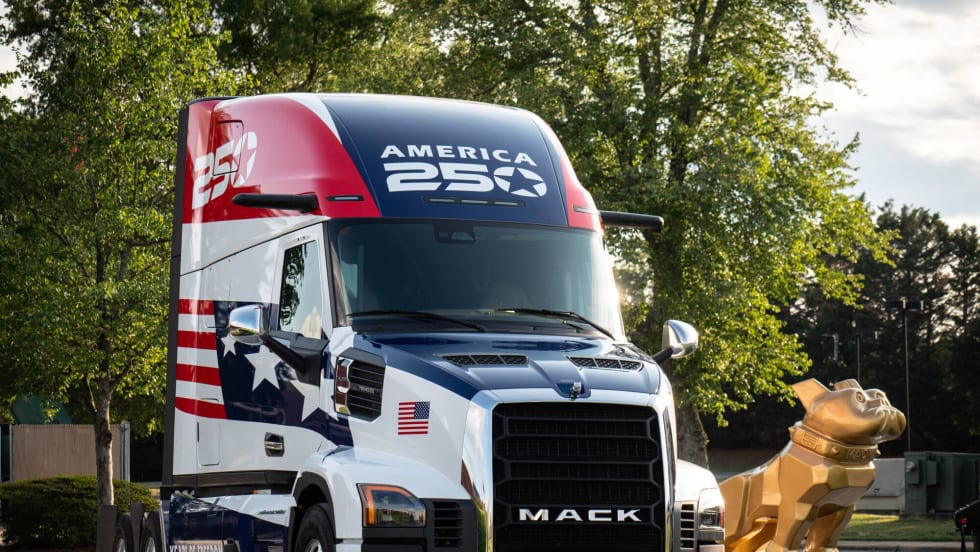
Mack Unveils America 250 Tribute Truck to Celebrate Nation's Semiquincentennial
Just in time for the Fourth of July! Mack unveils a brand-new patriotic, limited-edition, red, white, and blue truck wrap.
Read More →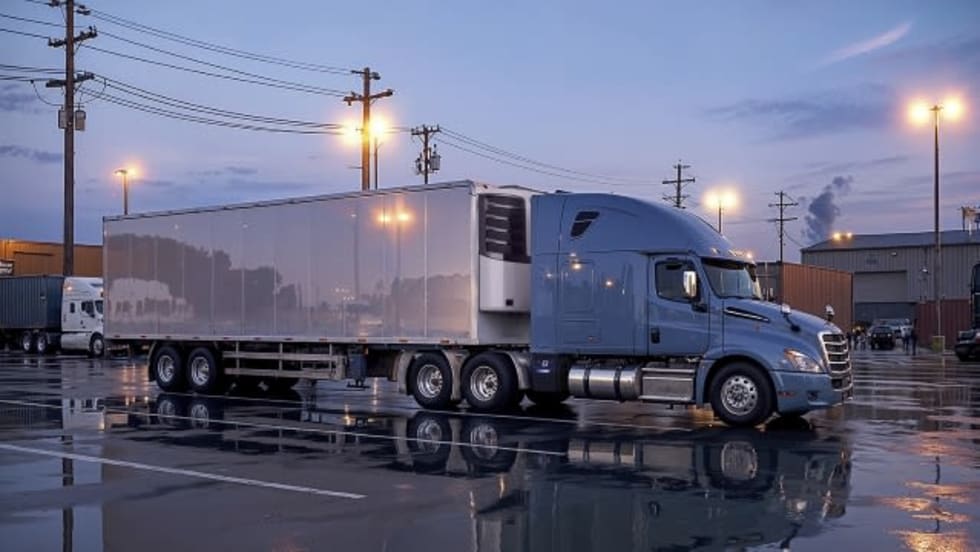
Enhance Fleet Performance with High-Efficiency Auxiliary Power Units
Drive sustainable cost savings while increasing driver comfort during short- and long-haul logistics operations.
Read More →