




Coolant Clues
Think about adding high-level coolant analysis to your fleet's cooling system maintenance program.

Cooling system problems are believed to cause about 40 percent of unanticipated downtime. Once problems from overheating start, they spread throughout the engine. Because today's lower-emission engines run hotter than ever, and are more expensive than ever, it's more important than ever to catch cooling problems early, before they lead to major engine overhauls.
"Coolant transfers over 30 percent of the engine heat out of the engine, so it plays a very important role," says Don DeRoche, manager of heavy-duty technical sales for Fram Heavy Duty.
Whether you're using traditional coolants or the extended-life version, you can't just fill it and forget it, relying on the occasional top-off to keep things running right. Coolant testing is vital to making sure the coolant is doing its job properly – and advanced coolant analysis, done by a lab, can tell you much more.
"As engines have changed, we started seeing chemical reactions taking place as we increased those operating temperatures, and it's becoming more and more necessary to monitor those systems," says Elizabeth Nelson, coolant program manager at Polaris Laboratories, a major fluid analysis company.
Within an engine, overheating contributes to reduced lubricity and rapid deterioration of the oil, notes Analysts Inc., which provides coolant and other liquids testing. Those conditions can lead to failure of piston rings, accelerated liner wear, and bearing and valve failure. "Most engine problems are either caused or accelerated by poor cooling."
COOLANT TESTING BASICS
Whether you use coolants with traditional chemicals or the newer organic-acid-based extended-life version, they must be maintained at the proper ratio of coolant to water. Your maintenance program should include regularly testing the freeze point of the coolant/antifreeze mixture with a refractometer to make sure the concentration of coolant to water is still at the recommended ratio – typically 50/50.
The other thing that needs to be checked regularly is the level of chemicals in the coolant that protect the engine from liner pitting and other problems. Too few of these additives, and the engine is not protected. On the other hand, too-high of a concentration of these chemicals can lead to plugging, increased deposits, and things like solder bloom, where the solder is deteriorated by too much nitrite in the coolant. For traditional coolants, use coolant test strips at every oil change interval.
Extended-life coolants don't need additional inhibitors until 300,000 miles or more in most applications – but that's assuming what's running through your coolant system is still extended-life coolant. These coolants can be diluted or contaminated by improper top-offs on the road, whether with water or with traditional coolant or automotive coolant.
There are now some test kits available to check additive dilution in ELCs, but manufacturers vary in their opinions on how accurate and how necessary these are. Some experts recommend testing it at least every six months, and preferably at every oil change, just like traditional coolant. At the very least, they are a good idea if you suspect dilution issues or you are trying to extend the coolant life beyond the recommended change interval.
No matter which kind of coolant you use, the coolant should be checked at every PM, not only for top-off, but also for signs of changing colors or any odors that might indicate problems. Other things to check are belts and hoses, and the pressure cap to make sure it is holding the pressure it is rated for.
BEYOND THE BASICS
To really get a detailed picture of what's going on inside your cooling system and catch engine problems early, consider adding coolant analysis to your maintenance program. Like oil analysis, coolant analysis involves taking a sample of the used coolant and sending it to a lab. These tests can give you more detailed information on the amount of supplemental coolant additives in the coolant, but they also can do much more.
Lab analysis of your coolant can go far beyond the usual test strip kind of coolant testing. It can alert you to a too-high level of dissolved solids, which could cause water pump leaks. Testing can indicate there's a leak in the engine allowing exhaust gas into the coolant, or if there is oil or fuel leaking into the coolant. It can detect if there is air getting into the system, indicating problems with the pressure cap, which also controls the boil point. Tests for metals such as iron, copper, lead and aluminum can signal corrosion in your cooling system.
"You can start looking at the jigsaw puzzle of what's going on in your engine," says Mike Sarris, director, global coolants and chemicals, at Cummins Filtration, which offers coolant analysis services. "Is your coolant meeting the OEM specifications for your engine model? If you provide your engine model, we can tell you it's meeting the specs set by your OEM."
Analysis labs can also test the water you're using. "Most of the water in the U.S. doesn't meet specifications" for mixing with coolant, Nelson says. "You can take a really good coolant and mix water with it, and the contaminant level (of the water) can destroy the new coolant. You can only hold so much contaminants in solution before you start forming acids or precipitating out the inhibitors or forming scale."
She also says a common mistake fleets make is using contaminated water to flush out the cooling system – enough of that water can remain in the system to contaminate the coolant.
Coolant analysis not only can help identify cooling system problems early, but also can help you gauge the effectiveness of your maintenance practices.
"It's a benchmark to see how you're doing against your maintenance goals," says Cummins' Sarris.
GETTING STARTED
Despite all these benefits, coolant analysis is not widely used in the trucking industry.
"Where oil analysis has been viewed very favorably, coolant analysis hasn't quite caught up to it yet as a maintenance tool," DeRoche says. "In the initial view of the fleet maintenance manager, it's kind of tough to convince them it's a money-saving tool. But when they see their first failure that could have been prevented by using coolant analysis, like wet liner corrosion, they become easier to convince."
Recommendations on how often you should have coolant analyzed vary. Also, you may want to analyze the coolant on every truck, or you may want to just choose a representative sample of your fleet.
"I would think at least yearly (fleet managers should be) checking a representative sample of their fleet to see how the coolant is performing and how their maintenance practices are affecting the coolant," says DeRoche.
There's some disagreement about how valuable lab analysis is for extended-life coolants. Caterpillar, which promotes its S.O.S. coolant analysis program for its construction equipment, doesn't push it for the on-highway truck market. "We don't typically have it done unless we detect a problem with the engines," explains spokesperson Charissa Ebbert. "We recommend long-life coolant, and as long as the driver keeps that topped off, there really shouldn't be a reason for those coolant analyses to be done."
However, Polaris' Nelson says there are things that can mechanically go on with the cooling system that will destroy the coolant, no matter what formulation you use.
"If you have a combustion gas leak, for instance, that will impart sulfuric acid, which will destroy the coolant and the engine. And that's one thing coolant analysis is for, to help identify these mechanical issues that take place quite often in our modern systems."
Using extended-life coolant "doesn't take away the requirement for taking a look at how the coolant is performing on a regular basis," DeRoche says. "If fleets aren't checking the coolant because they have ELC, they're going to get a surprise someday."
When embarking on a coolant analysis program, Sarris says, "make sure you're working with a company that's going to be able to give you a good analysis," that can make recommendations along with the test numbers. "Make sure they've got the right kind of tests that are going to matter" to your operation.
In addition, he says, "you've got to be prepared to use the information you gather." Any kind of fluid testing is going to be money down the drain if you don't take action based on the results.
More Fleet Management

New Independent Contractor Rule Gives Trucking More Clarity
The Labor Department is once again changing how it determines who's an independent contractor. This time, the rule includes specific examples addressing trucking safety requirements, CDLs, and lease-purchase agreements.
Read More →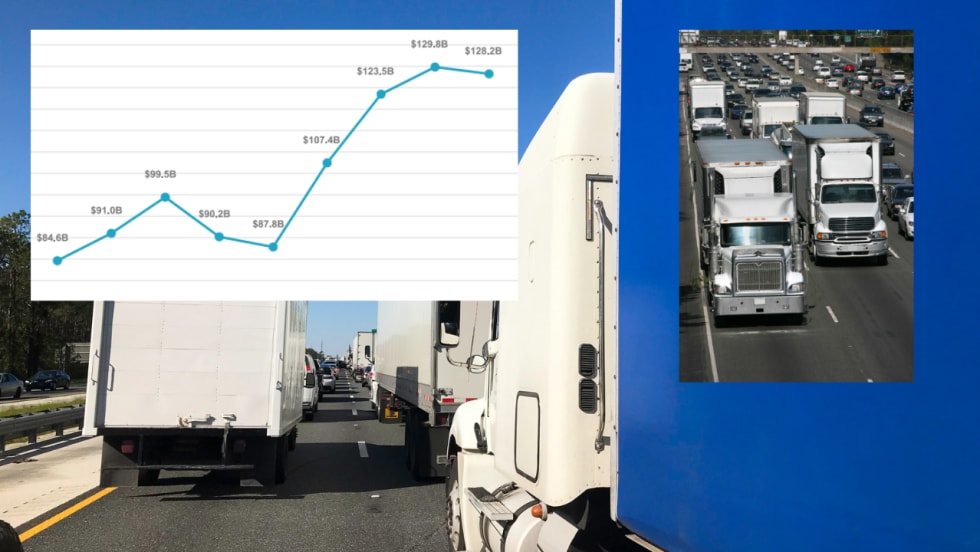
Trucking's Annual Congestion Costs Reach $128.2 Billion
That's the average cost, according to new ATRI research. And the wasted time and diesel are staggering.
Read More →
How to Modernize Your TMS Without Replacing It [Podcast]
Before investing in a new transportation management system, take a closer look at what you've already got. AI, cloud technology and better integrations may offer ways to improve your trucking operations without starting over.
Read More →
Could Your Truck's Connected Devices Be a Cybersecurity Risk?
ELDs, telematics systems and driver tablets help fleets operate more efficiently. But every connected device needs protection against cyberattacks.
Read More →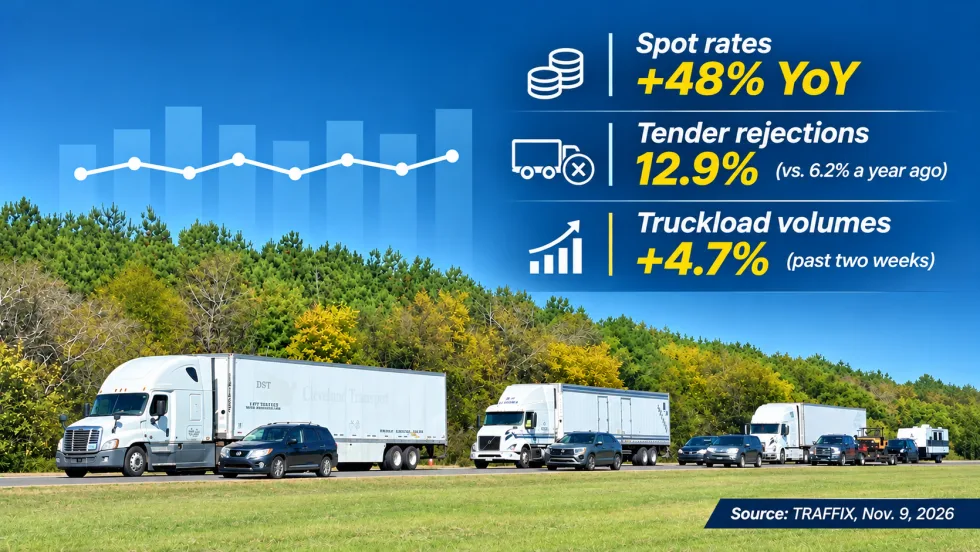
Holiday Freight Meets a Tight Trucking Market
There's no freight boom, but truckload carriers are finding themselves in a stronger position to negotiate rates. And holiday shipping demand could tighten the market further.
Read More →
What Trucking Events are Happening in 2027?
Looking for trucking-related conventions, expos, and other events? Heavy Duty Trucking has developed this list of national and larger regional trucking shows and events.
Read More →
Does Your Trucking Fleet Need a New TMS?
Artificial intelligence and better integrations promise less busywork and more useful data. Can your TMS help your company solve problems? Do you need additional vendors or an upgrade? Or is it time to look for a new platform?
Read More →
Fleet Costs Shape ACT Expo 2027 Agenda
With diesel prices high and operating expenses under pressure, ACT Expo's 2027 agenda emphasizes fuel efficiency, AI, safety and the return on fleet technology investments.
Read More →
Does Your Trucking Fleet Need a New TMS? [Video]
Cloud technology, AI and new integrations are changing what transportation management systems can do. But does taking advantage of those advances mean replacing your existing TMS?
Read More →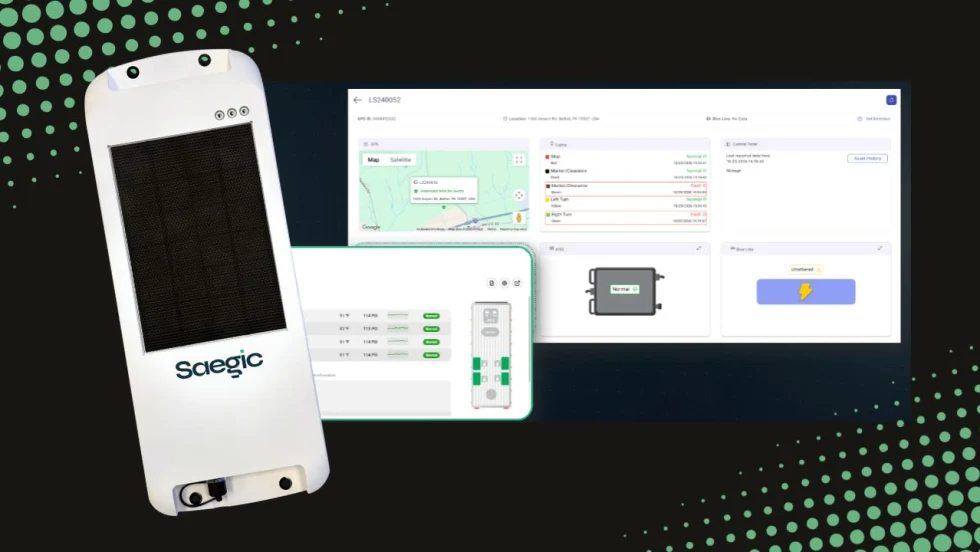
Road Ready Becomes Saegic, Launches New Trailer Telematics Gateway
Clarience Technologies is rolling out new hardware and expanding its plans for connecting trailer telematics, maintenance data, and video.
Read More →